The Aporia

Capelouto, J. (2026, September 25). Meta’s Muse taps into 'kidult' market. Semafor. https://www.semafor.com/article/09/25/2026/metas-muse-taps-into-kidult-market
Capelouto, J.D. “Meta’s Muse taps into 'kidult' market.” Semafor, 25 Sept. 2026, https://www.semafor.com/article/09/25/2026/metas-muse-taps-into-kidult-market.
Capelouto, J.D. “Meta’s Muse taps into 'kidult' market.” Semafor, September 25, 2026. https://www.semafor.com/article/09/25/2026/metas-muse-taps-into-kidult-market.
Dated when The Aporia collected the article, usually within hours of publication. Check the original for its exact date and byline.
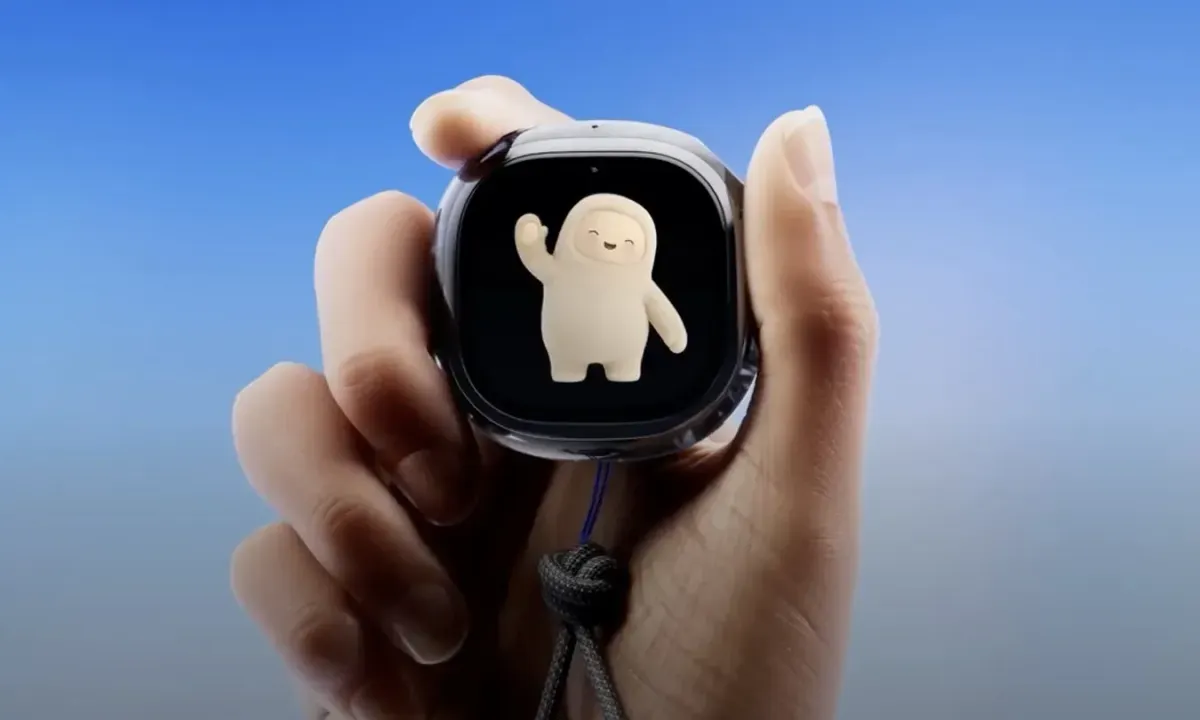
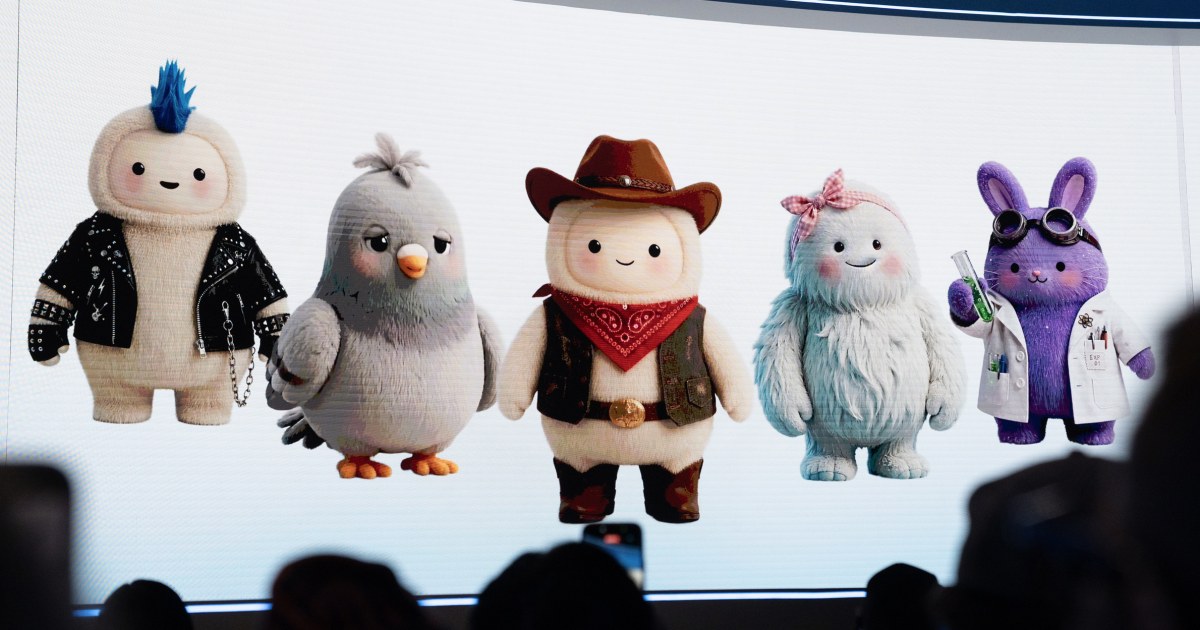
Meta recently unveiled its $1,299 VR glasses along with a new product called Muse Charm, described as a Tamagotchi-like keychain priced at an undisclosed amount. The Muse Charm allows users to summon Meta's AI agent by tapping on it and features avatars of the company’s fluffy Muse mascot. This launch follows a rough summer for Meta due to negative press about its VR glasses and social media addiction trials. Since announcing these new products, Meta shares have increased by over 25%. Some analysts predict that this product could be a catalyst for agentic AI moving from business applications into consumer markets. The cutesy aesthetic of the Muse Charm is seen as a strategic move to attract what marketers call "kidults," or adults who are nostalgic for childhood toys and games, in contrast with the more intellectual branding of other tech companies. However, there's concern that like many fad products, these new items might lose popularity quickly once their novelty wears off.