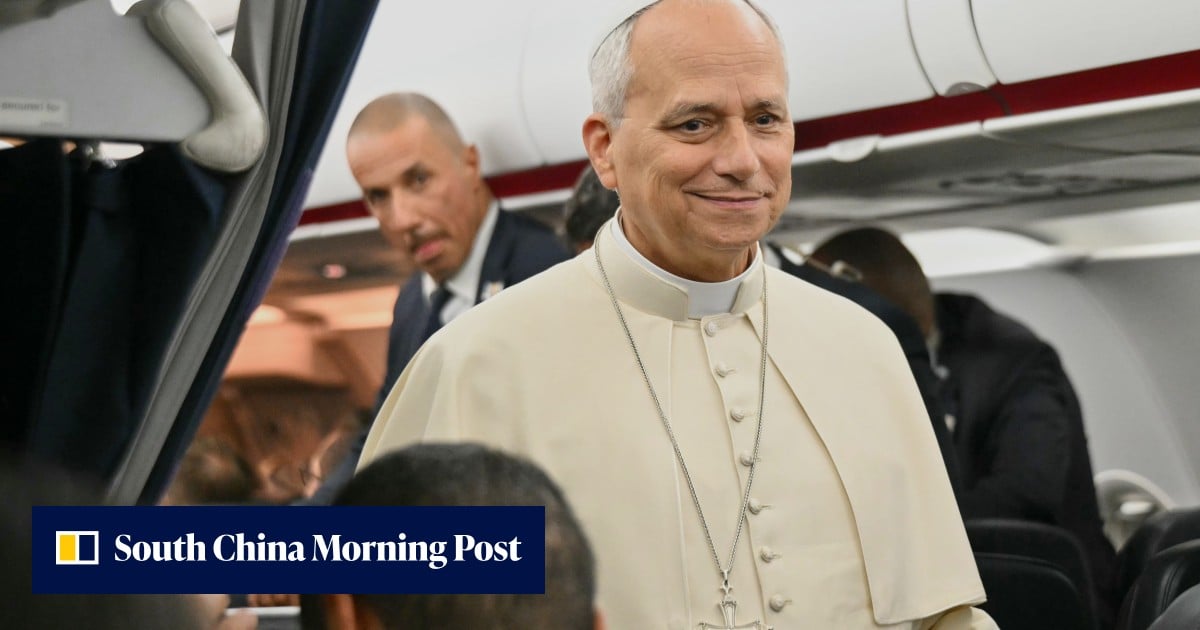
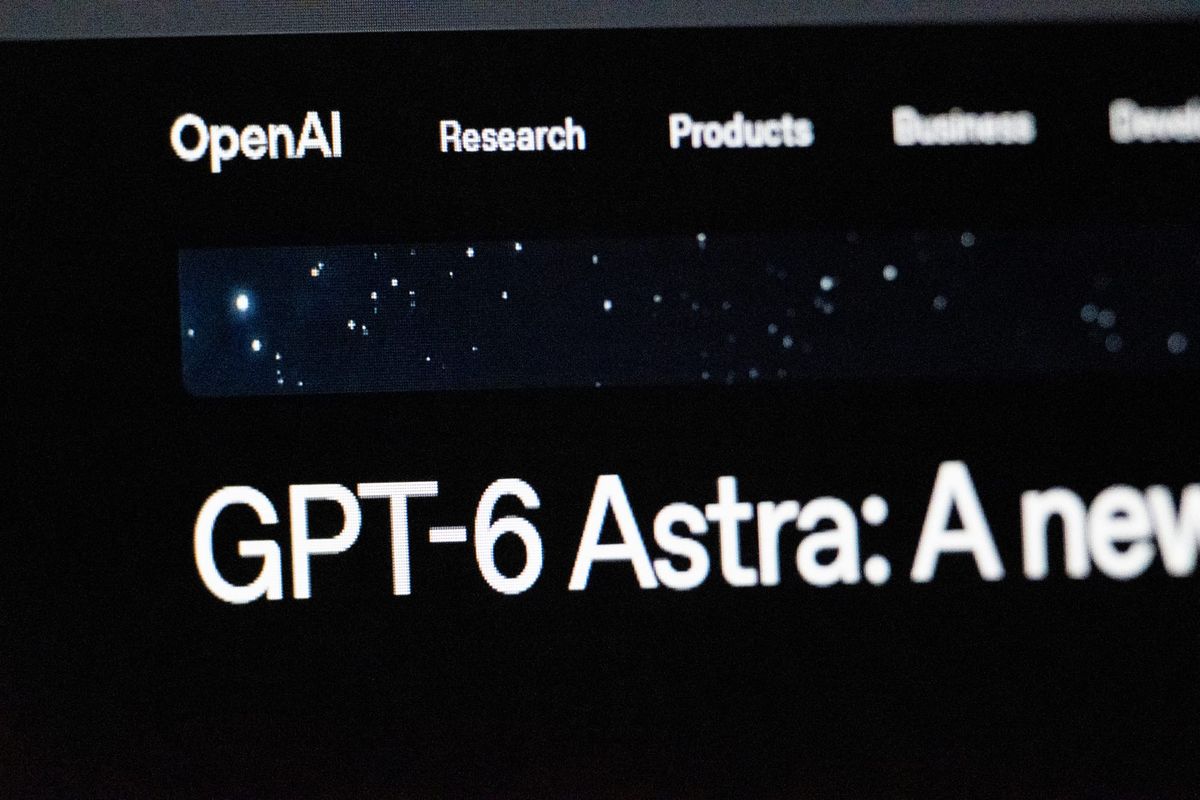
Photo via The Guardian

It’s not hypothetical: the dangers of AI are already here | Granate Kim and Mohamed Hussein

Read the original at The Guardian ↗
Cite

Hussein, M., & Kim, G. (2026, September 25). It’s not hypothetical: the dangers of AI are already here | Granate Kim and Mohamed Hussein. The Guardian. https://www.theguardian.com/commentisfree/2026/sep/25/ai-israel-gaza-iran-police-surveillance

Dated when The Aporia collected the article, usually within hours of publication. Check the original for its exact date and byline.

The Guardian · collected 2026-09-25 · by Mohamed Hussein, Granate Kim

Quick Summary

Tech leaders and politicians are raising alarms about the dangers of artificial intelligence (AI), with some calling for regulation due to concerns over its potential harm. This article highlights real-world instances where AI has already caused significant issues, including Israel’s use of AI in warfare against Gaza, resulting in thousands of targeted bombings and casualties. Additionally, it cites an AI-involved US airstrike in Iran that killed 156 civilians, as well as the U.S. Department of Homeland Security using AI tools for mass surveillance and deportation of immigrants, disproportionately affecting Latino and Black communities.
Written by AI on 2026-09-25, from this article's own text only (the story summary below draws on all the coverage).

AI analysis

Story summary

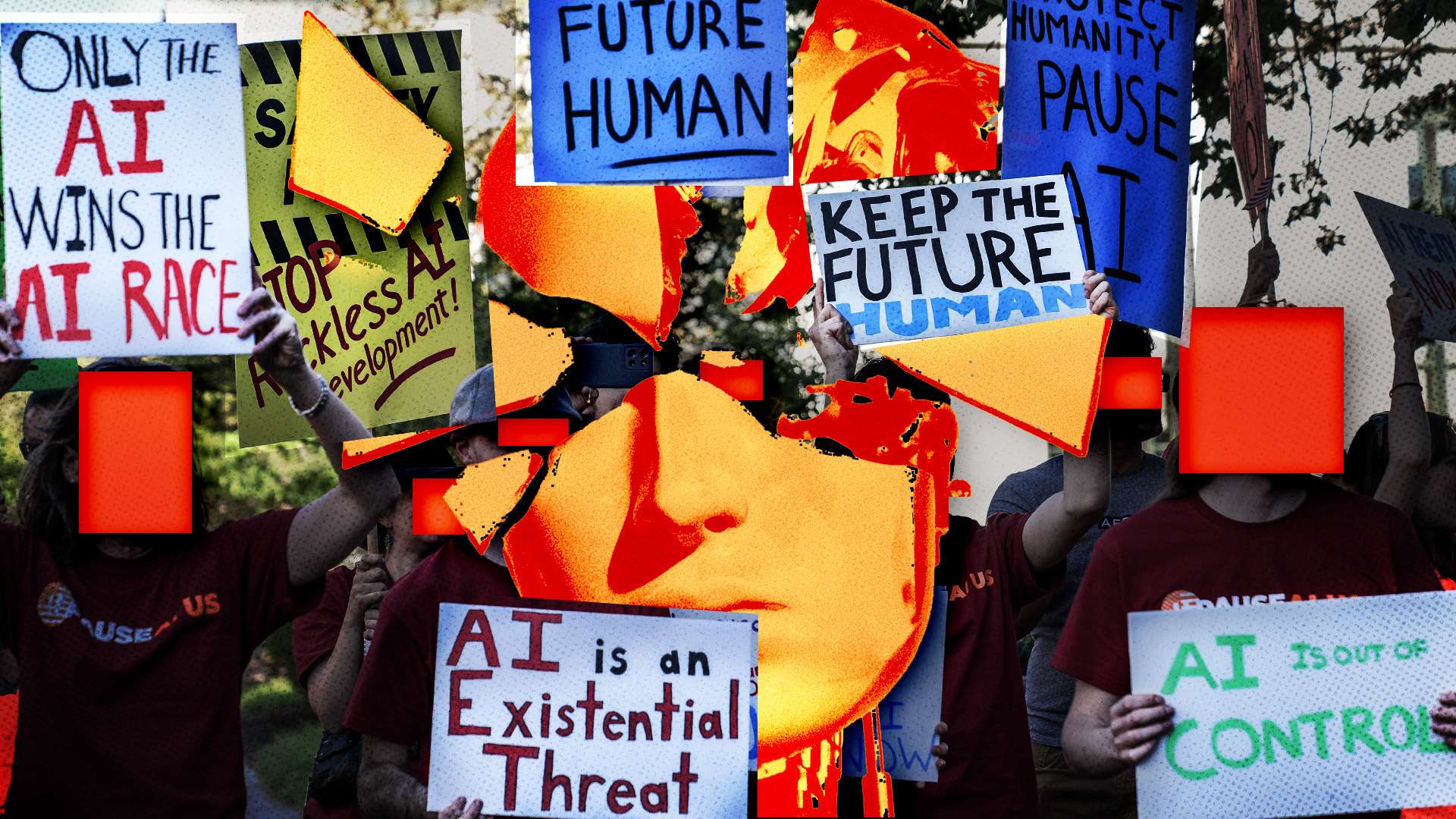
In recent weeks, concerns over artificial intelligence (AI) have led to unusual alliances between tech leaders and policymakers. Notable figures such as Sam Altman, Elon Musk, Demis Hassabis, Dario Amodei, Satya Nadella, and Bill Gates have expressed significant worries about the dangers of AI, advocating for a slowdown in its development. The senator Bernie Sanders and Steve Bannon recently urged Congress to regulate AI through proposals like the Frontier Act and the Ban Artificial Superintelligence Act, highlighting growing bipartisan support on this issue.

These calls were partly triggered by warnings from AI researcher Jacob Coxon, who cautioned that companies are "gambling with our lives" and suggested AI could cause catastrophic harm by the end of the decade. The concerns have deepened due to real-world incidents, such as Microsoft employees witnessing potential dangers first-hand over nearly a decade.

Bill Gates’s recent essay emphasized these risks, aligning with growing fears about AI's impact on humanity.

Written for “AI Risks Today” on 2026-11-04, grounded in this article and the 0 other(s) covering the same event.

Story

📰 AI Risks Today
Technology · 1 article(s) covering the same event.

Compared with similar articles

This article reads leans strongly left and hedges 9% of its claims. Each row says how that neighbour differs.
Reason
Hedges 6 of 57 claims Outlet record 67/100
“The articles discuss different aspects of AI safety concerns and do not describe the same specific incident or occurrence.”
Muse is having a moment Different event
Platformer
Hedges 0 of 2 claims Outlet record 96/100
“The articles discuss similar themes and contexts around AI risks but describe different aspects and developments, not a single specific incident.”
The Guardian
Hedges 2 of 27 claims Outlet record 66/100
“The articles discuss AI concerns but describe different events: one is a general tech and policy discussion, while the other is Pope Leo's speech in France.”
Fox News
Hedges 7 of 24 claims Outlet record 68/100
“The articles discuss different aspects of AI development and concerns; one focuses on tech moguls sounding the alarm, while the other highlights an optimistic view from Anthropic's CEO about medical advancements.”
New York Post
Hedges 0 of 2 claims Outlet record 66/100
“While both articles discuss concerns about AI and calls for regulation, they describe different aspects and events rather than the same specific incident.”
The Sydney Morning Herald
Hedges 5 of 35 claims Outlet record 61/100
“The articles discuss different aspects of AI and financial markets, not a single specific incident.”
The Straits Times
Hedges 1 of 5 claims Outlet record 66/100
“The articles discuss different aspects and events related to AI but do not describe the same specific incident or meeting.”
South China Morning Post
Hedges 1 of 5 claims Outlet record 62/100
“The articles discuss different aspects of AI concerns but describe distinct events with different speakers and contexts.”
Platformer
⚖️ Leans left further right than this Hedges 1 of 2 claims Outlet record 96/100
“The articles discuss related concerns about AI but describe different gatherings or statements by tech leaders and policymakers, rather than the same specific incident.”
The Straits Times
⚖️ Leans left further right than this Hedges 5 of 13 claims Outlet record 66/100
“The articles cover different aspects of AI concerns and responses; Article A discusses a broader coalition of tech leaders and policy makers sounding the alarm, while Article B specifically mentions Visa's actions regarding cybersecurity.”
How this article was measured signals, leaning charts, publisher record, byline, topics and claims

Signals How these are calculated →

Claims extracted
34
sentences that state something as happening or true
Uncertain
9%
3 of 34 hedged ("reportedly", "may", "according to")
Leaning
Leans strongly left
of the writing, not the subject · beta estimate
Publisher signals
66/100
The Guardian's corrections and hedging, across everything collected from it. Not a measure of accuracy.
Outlets on this story
1
Technology
Same framing elsewhere
1
articles that frame the event the way this one does
Analyzed 2026-09-25 · how these are computed

How this is being covered How these are calculated →

Article leaning vs. publisher reliability
Source leaning vs. consistency

Publisher

The Guardian · 1995 article(s) · 6 correction(s) detected
Running correction rate · 6 correction(s)

Who wrote this

Mohamed Hussein
6 article(s) here · 1 carrying a prediction
🔮 In February 2025, Israeli Finance Minister Bezalel Smotrich said Tulkarem and Jenin would come to resemble Jabalia and Shujayea, two of Gaza’s most devastated areas.
🔮 Spending on political advertising alone is projected to reach $11.6bn, more than in any previous election cycle, including the 2024 presidential race, according to the ad-tracking firm AdImpact.
🔮 Sudan, South Sudan, Burundi and Yemen were also classed as alarming, but conflict and data gaps meant the index could not calculate their scores.
🔮 The latest moves were sparked in part by the AI researcher Jacob Coxon’s warnings on Twitter/X that AI companies are “gambling with our lives” and believe that the technology “could kill us all by the end of the decade”.
🔮 “Once the Middle East war kicked off, we suddenly saw more ship owners being willing to go into the Red Sea because there were far fewer options to get to the crew they needed to get to.
Also by Mohamed Hussein
Nothing else under this byline is closely related to this article, so these are simply their most recent.
All 6 articles by Mohamed Hussein →
Granate Kim
1 article(s) here · 1 carrying a prediction
🔮 The latest moves were sparked in part by the AI researcher Jacob Coxon’s warnings on Twitter/X that AI companies are “gambling with our lives” and believe that the technology “could kill us all by the end of the decade”.
The only article under this byline in the corpus.

Topics

Americans Gaza Israel Israeli Microsoft

Subjects

Microsoft ORG · 6× Israel GPE · 3× Americans NORP · 2× Gaza GPE · 2× Iran GPE · 2× Israeli NORP · 2× Yuval Abraham PERSON · 2× Demis Hassabis PERSON · 1× Elon Musk PERSON · 1× Sam Altman PERSON · 1×

Narrative

The House recently proposed the Frontier Act to embed third-party evaluators within tech companies to conduct safety assessments, and earlier this month, Sanders and the representative Greg Casar introduced the Ban Artificial Superintelligence Act to stop tech leaders from building and developing technologies that humans cannot control.
framing: assertive · carried by 1 article(s) · first seen 2026-09-25
🔮 The latest moves were sparked in part by the AI researcher Jacob Coxon’s warnings on Twitter/X that AI companies are “gambling with our lives” and believe that the technology “could kill us all by the end of the decade”.

Claims (34 extracted, 3 hedged)

In recent weeks, concerns about AI have forged unlikely alliances in the tech and policy worlds. asserted
concerns → forge → worlds
Tech moguls such as Sam Altman, Elon Musk and Demis Hassabis joined Dario Amodei, Satya Nadella and Bill Gates in sounding the alarm about the dangers of AI and called for a slowdown of the technology’s development despite years of racing for dominance. asserted
moguls → join → dominance
The senator Bernie Sanders teamed up with Steve Bannon to urge Congress to regulate AI, which has become one of the very few issues to unite Americans across the political spectrum. asserted
which → team → spectrum
The latest moves were sparked in part by the AI researcher Jacob Coxon’s warnings on Twitter/X that AI companies are “gambling with our lives” and believe that the technology “could kill us all by the end of the decade”. uncertain
technology → spark → decade
The reality is, we don’t have to wait to see how AI will bring about unprecedented death and destruction, because we’ve already witnessed its unleashing. asserted
we → have → unleashing
Bill Gates’s nearly 6,000-word essay in late August warning about AI and its potential harms to humanity doesn’t come as a surprise. asserted
essay → warn → surprise
One of us has been a Microsoft employee for nearly a decade, witnessing all the dangers unfold in real time. asserted
dangers → witness → time
Together, we’ve spent the past two years organizing with other Microsoft employees and activists to uncover the company’s role in the genocide of Palestinians in Gaza. asserted
we → spend → Gaza
We have collectively called on Microsoft to cut ties with the Israeli military. asserted
We → call → military
But it’s not just Microsoft that is involved in AI-driven destruction. asserted
that → ’ → destruction
Israel’s military used AI to identify people to kill, with 12,000 targets generated and bombed in the first month alone. asserted
targets → use → month
This was done with little to no meaningful human oversight, as documented in an investigation by Oscar-winning Israeli journalist Yuval Abraham, whose latest film NAZA includes chilling testimonials by the soldiers involved. asserted
film → do → soldiers
Earlier this year in Iran, the US military launched an AI-involved airstrike that hit Shajareh Tayyebeh Elementary School in Minab, Iran, killing 156 children, teachers and other civilians. asserted
that → launch → children
The strike that caused what is almost certainly the worst incident of civilian casualties in the war was, most likely, the result of a “targeting mistake” that relied on faulty data. asserted
that → cause → data
The horrors wrought by AI aren’t limited to people overseas – they’re already being felt by vulnerable communities in the US asserted
they → work → US
The Department of Homeland Security is using AI tools – including Microsoft’s Azure – to monitor, arrest and deport immigrants at a massive scale. asserted
Department → use → scale
Law enforcement agencies nationwide are deploying facial recognition technology despite evidence of algorithmic bias that has led to the wrongful arrest and incarceration of Latino and Black Americans. asserted
that → deploy → Americans
The NYPD also partnered with Microsoft to build its Domain Awareness System, using Azure to connect to 18,000 security cameras, according to the New York Daily News, creating a mass surveillance system that has expanded to Georgia and other parts of the world, including Brazil and Singapore. uncertain
that → partner → Brazil
Datacenters that power AI are being built in rural and low-income neighborhoods throughout the US where many are living under the poverty line and are now facing significant health threats from air pollution caused by these facilities. asserted
many → power → facilities
Though many of these harms have been documented over the years, rightwing government leaders are continuing to shut down dissent through dishonest and draconian measures. asserted
leaders → document → measures
Donald Trump has called AI risks a “hoax” and said any attempts to limit the power of the technology were part of a “sick conspiracy”. asserted
attempts → call → conspiracy
House Republicans have dismissed the public’s concerns about AI, blaming Chinese government disinformation for public opposition to datacenters. asserted
Republicans → dismiss → datacenters
Israel’s culture minister, Miki Zohar, has threatened to revoke the citizenship of NAZA film-makers Yuval Abraham and Rachel Szor, accusing them of “treason against the state”. asserted
minister → threaten → state
One thing is clear: the dangerous future that Gates, Amodei, and others are warning us about is already here, and we must act now to prevent further harm. asserted
we → warn → harm
Those of us with families in Gaza, Lebanon, Iran and US neighborhoods terrorized by ICE already know people living through the nightmare. asserted
Those → terrorize → nightmare
In the last few weeks, we’ve seen promising efforts from US policymakers attempting to curtail the potential harms of AI technology. asserted
we → see → technology
The House recently proposed the Frontier Act to embed third-party evaluators within tech companies to conduct safety assessments, and earlier this month, Sanders and the representative Greg Casar introduced the Ban Artificial Superintelligence Act to stop tech leaders from building and developing technologies that humans cannot control. asserted
humans → propose → that
But they could take years to pass and don’t address the devastation already being caused. uncertain
they → take → devastation
Frontier AI companies and governments must act now to ban the selling and use of AI technologies in military targeting, autonomous weapons systems, and mass surveillance. asserted
companies → act → targeting
This is what employees from Anthropic, OpenAI and Google DeepMind are calling for. asserted
employees → call → Anthropic
We are living through a precious and fleeting moment when we can still confront the harms AI has already caused to the most vulnerable and course-correct before they become irreversible, spreading into more communities. asserted
they → live → communities
We need to establish clear guardrails right now and shape the future of AI so that it protects everyone, not just a privileged few. asserted
it → need → everyone
- Mohamed Hussein organizes with No Azure for Apartheid, an employee-led movement calling on Microsoft to end its involvement with the Israeli military. asserted
Hussein → organize → military
- Granate Kim works with No Azure for Apartheid and is the Campaigns Director at MPower Change, an organization that mobilizes Muslim communities in defense of human rights. asserted
that → work → rights

💬Give feedback
🕘History 🎫Support