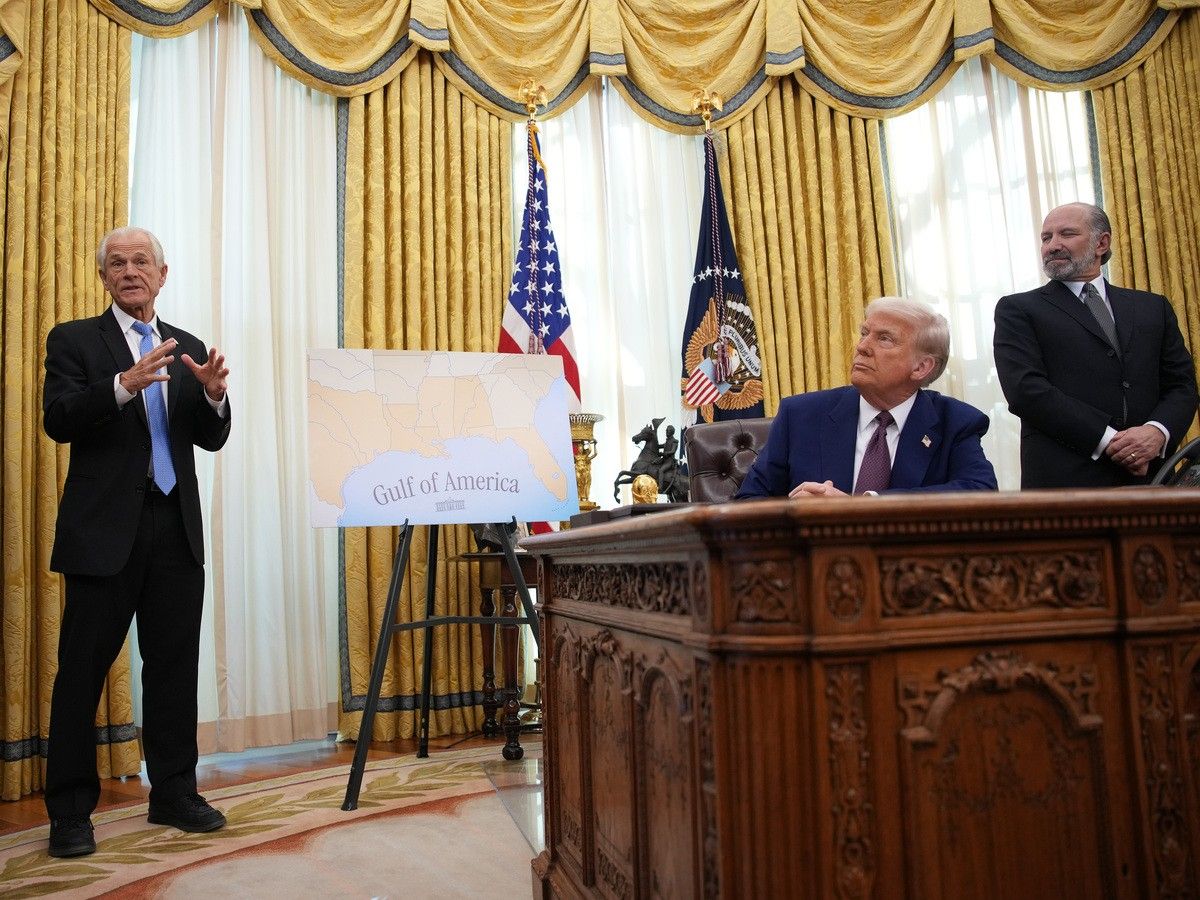
In 2016, Donald Trump’s support for tariffs helped propel him to a shocking electoral victory.
asserted
support → help → victory
In 2026, his tariff policy may help tank Republicans in the midterms.
uncertain
policy → help → midterms
This turnabout counts as a surprise of Trump’s second term, and an unwelcome one for the president and his party.
asserted
turnabout → count → president
During his political ascent in 2015 and 2016, Trump exploited issues that revealed a disconnect between popular and elite opinion, and trade was prominent among them.
asserted
trade → exploit → them
His protectionism — expressed in pungent and excoriating terms — poached traditional Democratic ideological territory and appealed to the working-class voters, allowing him to crash the traditional Democratic “Blue Wall” states.
asserted
him → express → states
In sheer political terms, what could go wrong?
uncertain
what → go → terms
Well, nothing — until he got his way.
asserted
he → get → way
It turns out that Liberation Day was the beginning of the end for any appreciable political support for his tariff policy.
asserted
Day → turn → policy
The assumption has usually been that the politics of tariffs favor protectionism — the benefits are very visible and focused for specific sectors and businesses that are highly committed to maintaining them, while the costs are widely dispersed among people who won’t care so much.
asserted
who → favor → people
In this case, though, the logic has been turned on its head: The costs felt by people with no direct stake in protectionism are tanking support for the tariffs overall.
asserted
costs → turn → tariffs
On top of this, there’s the fact that Trump won his second White House term promising to reduce prices — and import duties increase them.
asserted
duties → ’ → them
The Yale Budget Lab estimates the costs to households at about $1,000 a year.
asserted
Lab → estimate → 1,000
The shambolic and arbitrary rollout of the tariffs, as well as the dubious legal basis for many of them, hasn’t helped, either.
asserted
rollout → help → them
According to a poll that the libertarian Cato Institute conducted with Morning Consult, 74% of Americans say the tariffs increased the prices they pay, including 66% of Republicans.
uncertain
they → accord → Republicans
About half of those polled, 53%, say the tariffs have weakened the economy, and 49% say they’ve hurt their quality of life.
asserted
they → poll → life
After the latest trade spat with Canada, a Politico/Public First poll found that 56% of Americans think the tariffs on our northern neighbor were “wrong.”
asserted
tariffs → find → neighbor
According to a CBS/YouGov survey, people prefer a candidate who opposes Trump’s tariffs over one who supports them by 26 percentage points.
uncertain
who → accord → points
Democratic Senate candidates are promising to reverse Trump’s tariffs; even the card-carrying protectionist Sherrod Brown is critical.
asserted
protectionist → promise → tariffs
And some Republican candidates in states with lots of trade with Canada have dissented from the trade war with Our Friendly Neighbor to the North.
asserted
candidates → dissent → North
The Midwest is a trouble spot for the GOP in the midterms, and it’s not hard to understand why.
asserted
it → ’ → midterms
China cut its purchases of US farm products in retaliation for Trump’s tariffs, and the farm sector has been slammed.
asserted
sector → cut → tariffs
Exports of wheat, cotton, beef and pork to China plummeted last year, and overall agricultural exports to China fell by 66%.
asserted
exports → plummet → %
Layer on top of this the price of diesel fuel jumping 80% and fertilizer increasing 15% due to the Iran war, and it’s a formula for outright revolt.
asserted
it → layer → revolt
The tariffs have led to a tangle a little more than a month before Election Day.
asserted
tariffs → lead → Day
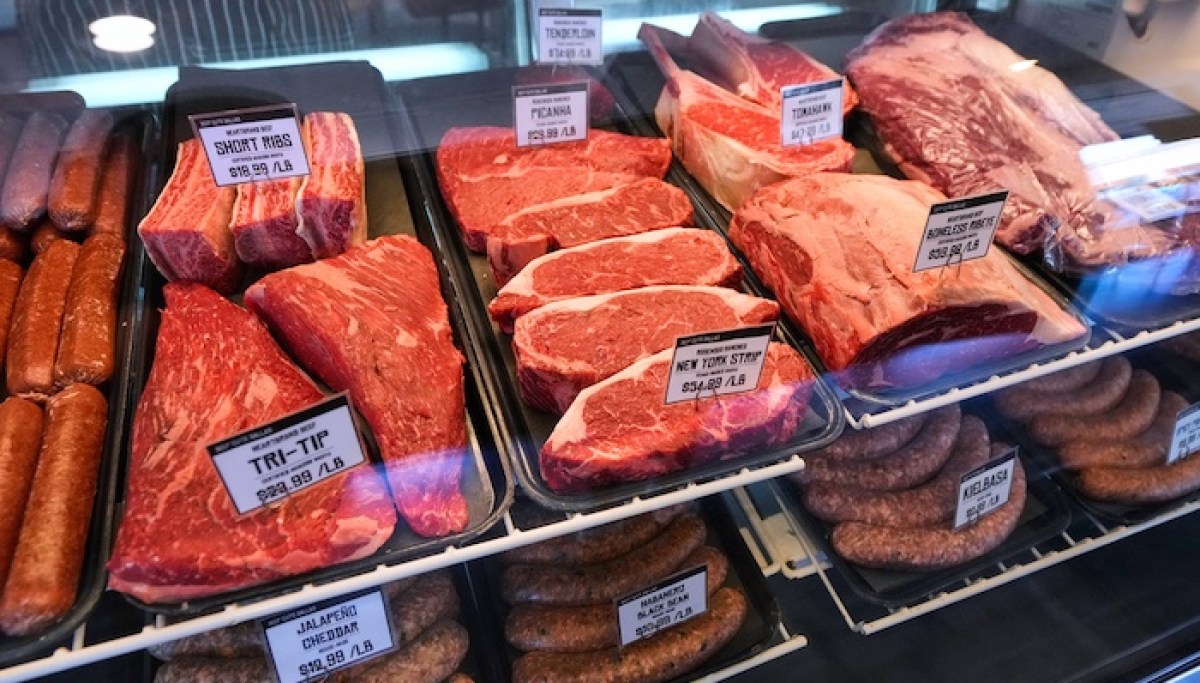
Trying to address complaints about high grocery prices, the administration wants to relent on beef tariffs to help consumers, but farmers — hurt by other tariffs — are balking at a measure that will reduce prices at a time when they are struggling.
asserted
they → try → time
One way or other, someone is going to be unhappy.
asserted
someone → go → ?
Even if Trump’s theory of the tariffs is correct — that higher import duties will lead to re-industrialization — the policy involves immediate disruption and increased costs in exchange for a protectionism-driven build-out that will take years to be fully achieved.
asserted
that → lead → years
Long before then — indeed, by January — an opposition congressional majority hostile to the president and his tariffs may be entrenched in Washington.
uncertain
majority → entrench → Washington
In politics, it’s often “careful what you wish for.”
asserted
you → ’ → what
Especially if that involves imposing higher prices on an inflation-fatigued public.
asserted
that → involve → public
 The Aporia