What could Canadians tangibly gain from our potential new partnership with the European Union?
uncertain
Canadians → gain → Union
And what might we have to give up?
uncertain
we → have → what
It’s been hard to get much sense of that, amid overheated reactions to Canada confusingly being invited by the EU to become an “associate member” — a position that doesn’t currently exist, and might not in itself mean too much if it did.
uncertain
it → get → much
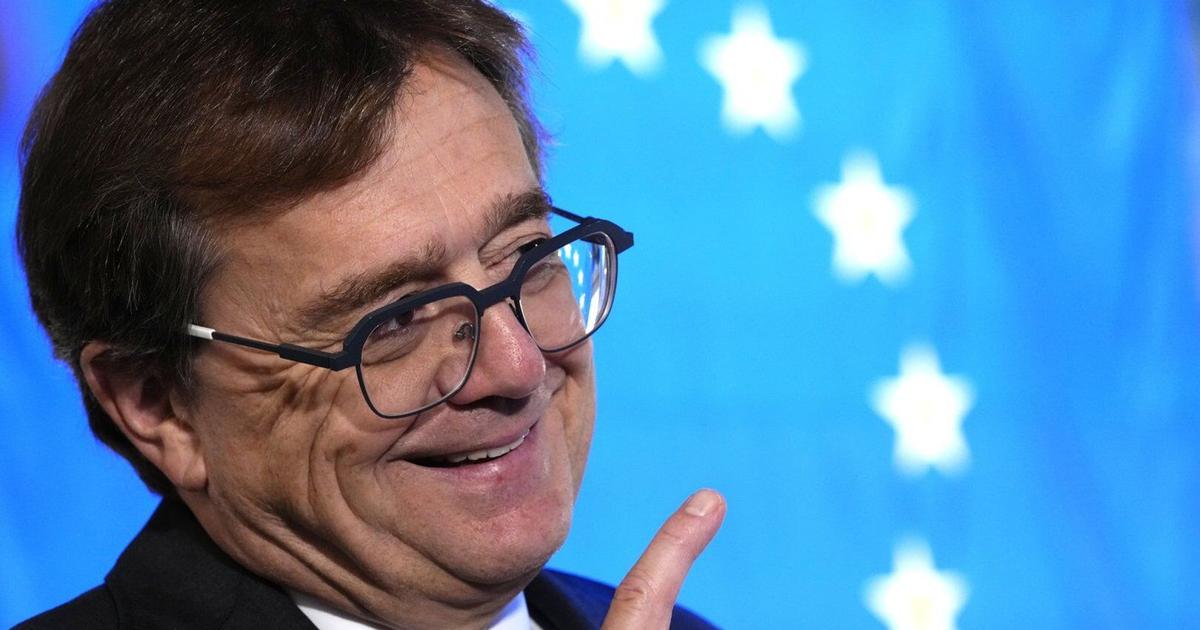
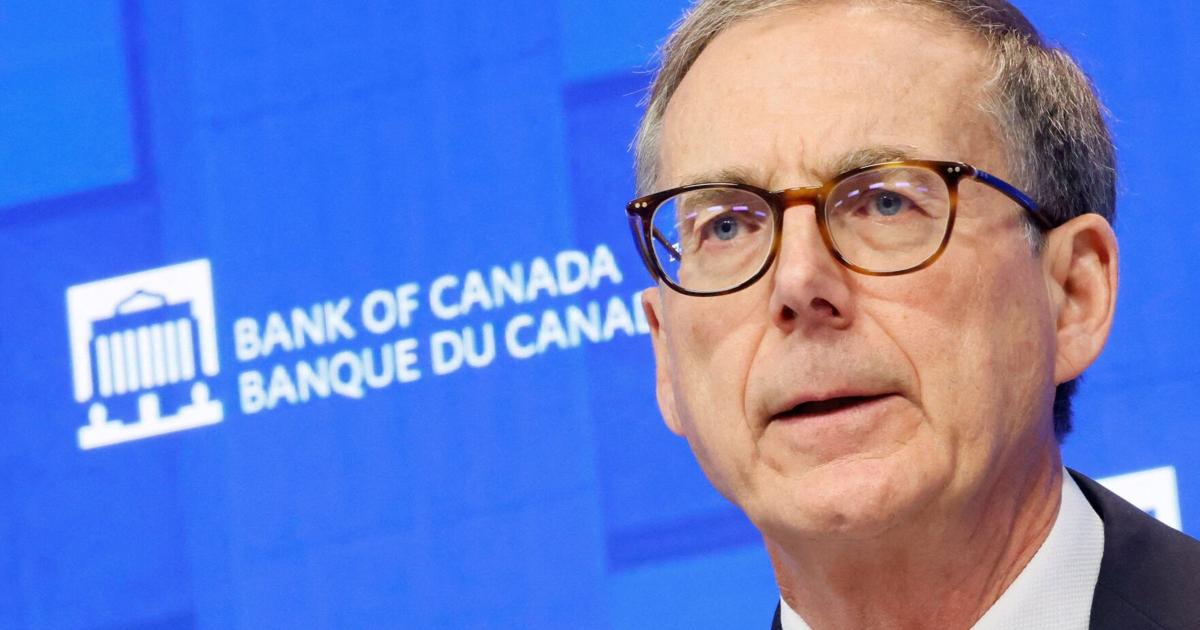
One of the few people in position to really know is Jonathan Wilkinson, the former federal minister appointed EU ambassador by Mark Carney this past spring, who’s now taking a lead in early negotiations around whatever it is that we’re negotiating.
asserted
we → know → that
When I spoke with him this week, the point he most wanted to drive home is that this isn’t about giving up any independence.
asserted
this → speak → independence
The aim, he kept reiterating, is to bolster both sides’ sovereignty through shared resilience to global upheaval — an obvious reference to the chaos that U.S. President Donald Trump has unleashed, although he stepped carefully around that part.
asserted
he → keep → part
But Wilkinson has a reputation as a policy wonk from his time in Ottawa, and was happy to delve into some of the talks’ more nitty-gritty aspects, particularly economic ones.
asserted
Wilkinson → have → aspects
I came away with a few broad takeaways — including specific areas where we could see more cooperation, potential compromises to get them, and how quickly it could crystallize into something real.
uncertain
it → come → something
These negotiations are more focused on particular industries than were past trade talks
Canada has an existing free trade agreement (known as CETA) with Europe.
asserted
Canada → have → Europe
The goal now, per Wilkinson, is more aggressively cooperating in a select few areas with unrealized potential for increased trade and investment.
asserted
goal → cooperate → trade
Defence spending was the first example he offered, with “a number of ideas about how those kinds of relationships could be deepened” to diversify from what’s traditionally been mostly a Canada-U.S. relationship, after Canada already earlier this year became the first non-European country to join the EU’s military-procurement financing program.
uncertain
Canada → offer → program
Tech, including AI and supercomputing, was the second.
asserted
Tech → include → AI
He framed the economic opportunity there as around both innovation and helping Canadian companies scale through access to a much larger market.
asserted
companies → frame → market
On that front, he said, minerals are highest on the Europeans’ list and “extremely high” on Canada’s.
asserted
minerals → say → Canada
Uranium and hydrogen are on there too, and maybe natural gas if some challenging economics and timelines could be made to work.
uncertain
economics → make → ?
What’s not a priority?
asserted
What → ’ → ?
Agriculture, apparently, around which both sides have protectionist policies.
asserted
sides → have → policies
Because of its complexities and sensitivities, he described it as “not a central focus.”
asserted
he → describe → focus
Possible changes to how we regulate things
Part of the sovereignty discourse is about whether we might align with EU in industrial regulation.
uncertain
we → regulate → regulation
Wilkinson suggested two ways Ottawa thinks it could be worth doing so.
uncertain
it → suggest → ways
One is around setting new rules around AI, with some potential strength in numbers as both sides worry about the safety and socioeconomic impacts of an industry dominated by the U.S. and China.
asserted
sides → set → U.S.
The other would be Canada recognizing certain European environmental or industrial-safety standards, and vice versa, if deemed to be as high or higher than domestically.
asserted
Canada → recognize → standards
That would potentially resolve some of the current bureaucratic trade hurdles.
asserted
That → resolve → hurdles
Both sides might have to make a few other concessions
There’s reluctance, Wilkinson suggested, to get too hung up on longstanding trade grievances. (See Europe’s restrictions on beef with growth hormones.)
uncertain
Wilkinson → have → hormones
For instance, he mentioned certain European environmental regulations that don’t recognize what Ottawa believes are strong Canadian standards, including around deforestation and lumber exports.
asserted
Ottawa → mention → deforestation
Meanwhile, the Europeans have issues with buy-Canadian procurement policies that have been adopted by the federal and provincial governments, as well as Canadian steel tariffs.
asserted
that → have → governments
“Whether those will get resolved or not, we’ll see,” he said.
asserted
he → resolve → ?
“But some of them we have to think carefully about, because we are asking them to allow us to participate in a range of programming in Europe in a manner as though Canada were a European country.
asserted
Canada → have → manner
Canada isn’t too worried about Europe’s divides on the existing trade deal
One of the more common criticisms of this new round of bridge-building is that the aforementioned trade deal, generally known as CETA, still hasn’t been ratified by 10 of the EU’s 27 member countries (including France and Italy) nearly a decade after it was reached.
asserted
it → exist → France
The deal is 98 per cent in effect anyway because of continent-level adoptions, he said, and Canada-EU trade volumes having risen significantly (about 80 per cent) since 2016.
asserted
volumes → say → 2016
We might also get (slightly) more Euro-cultured
As much as Canada has tried to become less reliant on the U.S., it’s been especially difficult in terms of the cultural content we consume — movies, TV, media and plenty else shaping our perspectives.
Wilkinson didn’t want to oversell how much that could change, despite making an obligatory reference to Canada’s new participation in the Eurovision Song Contest.
uncertain
that → try → Contest
But he pointed to the prospect of vastly more Canadian youth spending time in Europe (and vice versa) through greater Canadian inclusion in the EU’s Erasmus+ student-exchange program as a way cultural cross-fertilization could happen.
uncertain
fertilization → point → way
“I do think that more exposure and Canadians seeing and thinking more about Europe will eventually have an impact,” he said.
asserted
he → think → impact
Some of this could happen sooner than later
Given the notoriously slow EU policy process, this whole effort seems to be geared at adjusting to long-term global shifts more than helping survive the final couple of years of Trump.
uncertain
effort → happen → Trump
But when I suggested most benefits from any new deal might not be felt until the 2030s, Wilkinson pushed back.
uncertain
Wilkinson → suggest → 2030s
He’s optimistic, for instance, that work toward a framework agreement for the European Investment Bank to back Canadian mining developments could bear fruit soon.
uncertain
Bank → ’ → fruit
And he highlighted defence procurement and the student exchanges as other near-term plays.
asserted
he → highlight → plays
On those and other fronts, he predicted “the announcement of a whole bunch of initiatives” at the next Canada-EU meetings, to be hosted by Carney in Quebec in late October.
asserted
he → predict → October
Until then, at least, he wouldn’t mind turning down the temperature of the public discourse about exactly how much closer we’ll become.
asserted
we → mind → discourse
“What I’ve been counseling folks is it’s totally appropriate to have questions,” he said, “but I wouldn’t jump to the answers.”
asserted
I → counsel → answers
 The Aporia