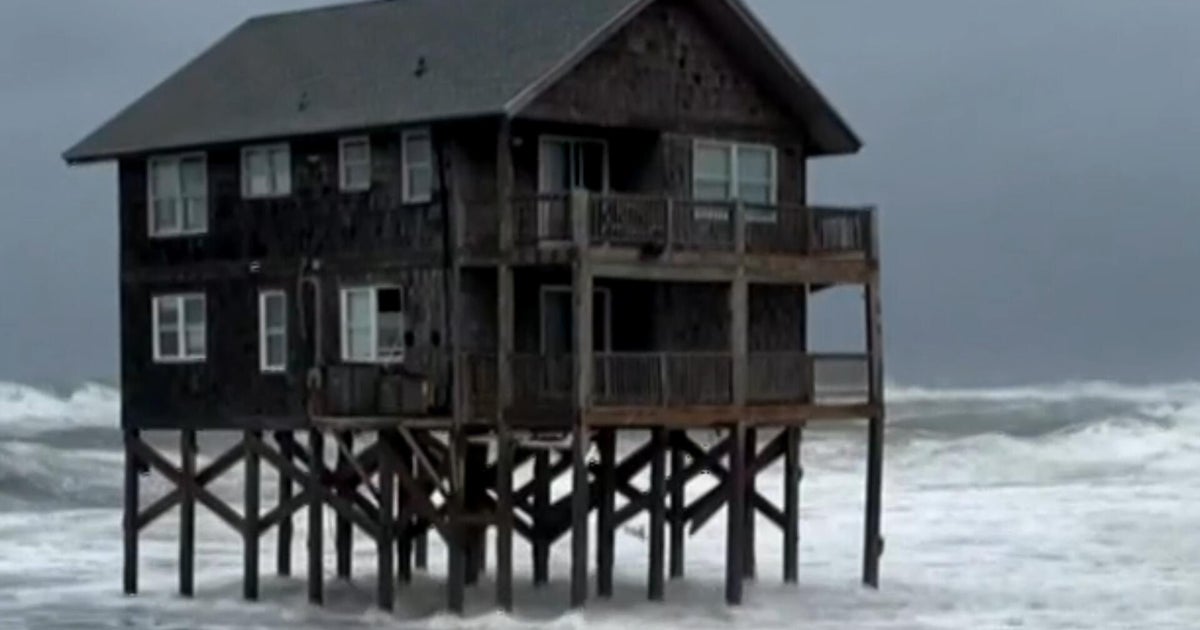
On Thursday, Cape Hatteras National Seashore closed the beach from the northern edge of Rodanthe to the town’s pier because “multiple threatened oceanfront structures pose risks to public safety,” according to the National Park Service.
uncertain
structures → close → Service
For locals, it’s an all-too-familiar scene.
asserted
it → ’ → locals
Since 2020, 32 homes have collapsed, as erosion has steadily redrawn the shoreline.
asserted
erosion → collapse → shoreline
The losses have been concentrated around Rodanthe and Buxton, two small villages on Hatteras Island, one of the narrow barrier islands that make up the Outer Banks.
asserted
that → concentrate → Banks
At a state meeting last November, officials said they were tracking 100 threatened structures in the two towns, and warned more could follow.
uncertain
more → say → towns
“If every one of those structures falls in,” Cape Hatteras National Seashore Superintendent Dave Hallac said, “there would be another 100 right behind them.”
asserted
Hallac → fall → them
Years of erosion have put more homes at the water’s edge
Already, at least five more homes have collapsed since Hallac’s warning, according to NPS records.
uncertain
homes → put → records
And the latest storm is putting the remaining threatened properties through another round of punishment.
asserted
storm → put → punishment
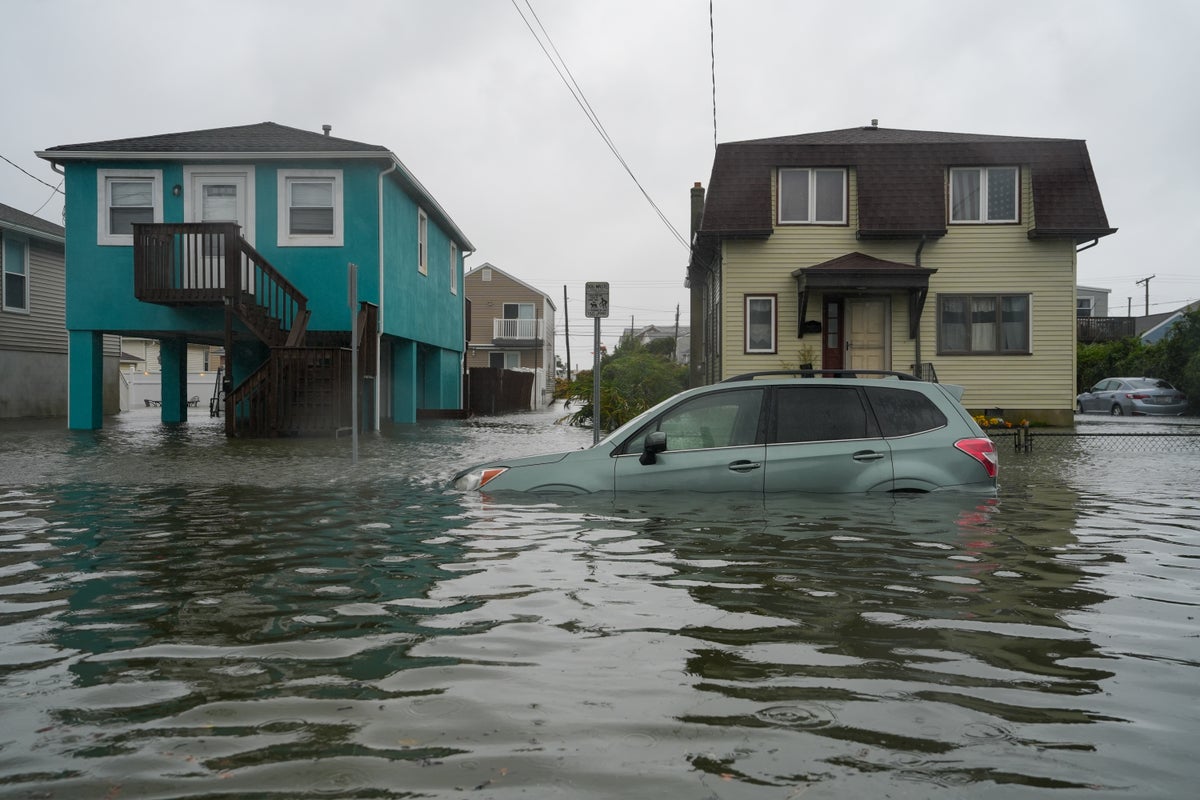
On Thursday, extreme tides broke through protective dunes on Pea Island, just north of Rodanthe, damaging roughly 500 feet of pavement and forcing the closure of N.C. 12.
asserted
tides → break → N.C.
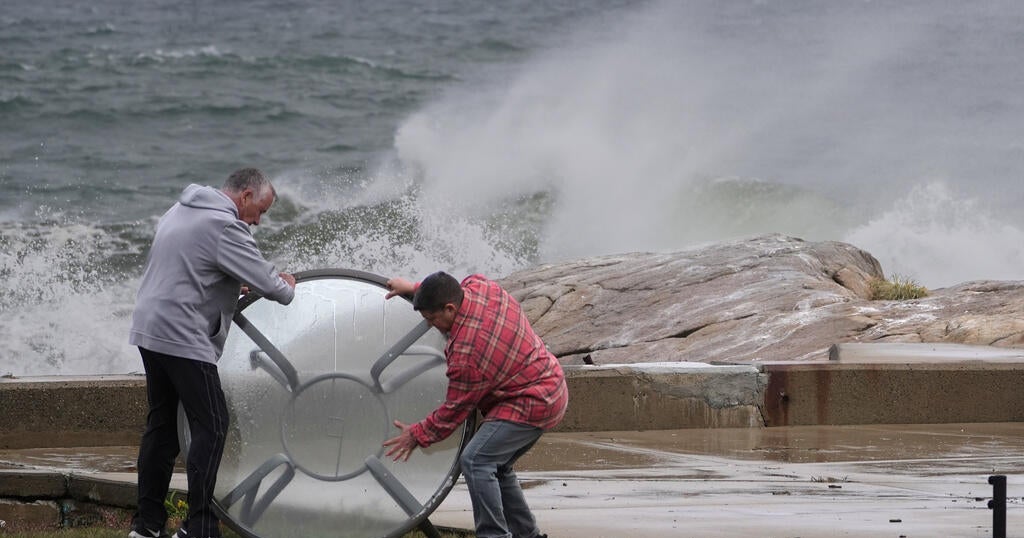
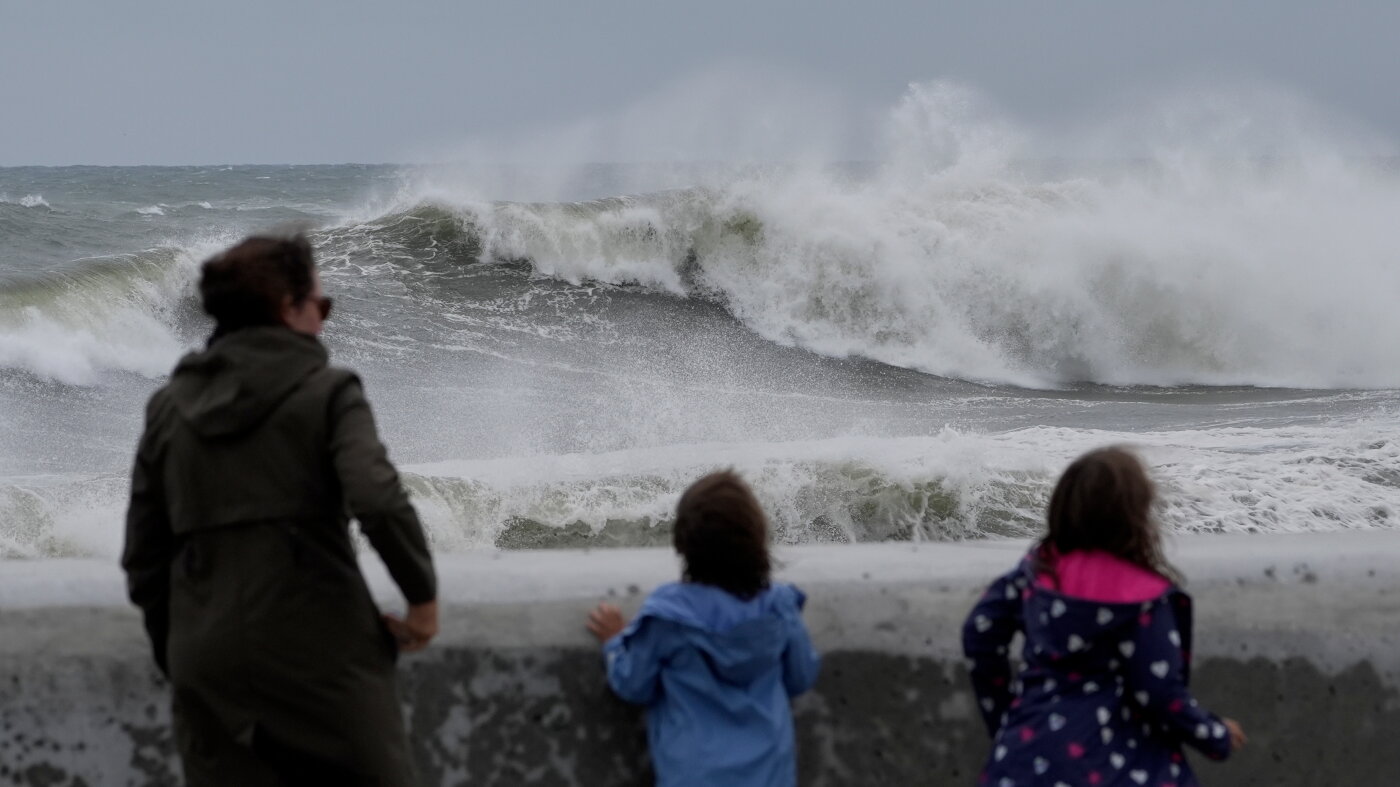
The National Weather Service warned of breaking waves peaking at 10 to 15 feet through Saturday evening.
asserted
Service → warn → evening
The pounding surf is hitting a coastline that looks radically different from when many of its beachfront homes were built.
asserted
many → pound → homes
Michael McDaniel bought his Buxton beach house for about $500,000 in 2011, when roughly 250 feet—nearly the length of a football field—of dune separated its front porch from the Atlantic.
But in the 15 years since, erosion has erased that buffer and left his home uninhabitable.
asserted
erosion → buy → home
The Outer Banks are barrier islands—narrow ribbons of sand that naturally shift as waves and currents move sand up and down the coast.
asserted
waves → shift → coast
In parts of Rodanthe, the shoreline has retreated an average of about 13 feet per year, according to Dare County.
uncertain
shoreline → retreat → County
Around parts of Buxton, chronic erosion historically exceeded 20 feet per year.
asserted
erosion → exceed → year
Those long-term averages can hide much more abrupt losses during bad weather, too.
asserted
averages → hide → weather
During Hurricane Erin in August 2025, for example, 75 residential structures were damaged in the two villages.
asserted
structures → damage → villages
Over the following two months, 16 homes collapsed during a succession of offshore storms.
asserted
homes → follow → storms
And as the shoreline moves inland, it’s colliding development built decades earlier.
asserted
it → move → ?
County records show that most of the homes now threatened were built in the 1980s and 1990s when the ocean was much farther away.
asserted
ocean → show → 1980s
Homeowners are running out of options
Homeowners facing this slow-moving threat have few options.
asserted
Homeowners → run → options
While flood insurance typically covers direct physical damage caused by flooding, it may not pay simply because erosion has put a home in danger.
uncertain
erosion → cover → danger
“The NFIP policy pays for a direct physical loss from flood,” Lisa Sharrard, a North Carolina flood insurance agent and Certified Floodplain Manager, tells Realtor.com®.
asserted
Sharrard → pay → Realtor.com
“The SFIP does not cover damage caused by gradual erosion,” Sharrard adds.
asserted
Sharrard → cover → erosion
That can leave homeowners like McDaniel in between a rock and a hard place: Stuck with a home they may no longer be able to safely use but one that has not yet suffered the kind of damage an insurance policy is designed to cover.
uncertain
policy → leave → damage
“If they have a policy, the policy may pay if the house collapses due to erosion,” Sharrard explains.
uncertain
Sharrard → have → erosion
“In the meantime, they have a house they cannot use and debris to clean up after.
asserted
they → have → house
Most are trying to move if they can.”
asserted
they → try → ?
Even when federal flood coverage does apply, the standard NFIP policy provides no more than $250,000 in building coverage for a single-family home—a sum that falls woefully short of what impacted homeowners need.
asserted
homeowners → apply → what
One Rodanthe couple previously told Realtor.com they spent more than $200,000 to move their house roughly 100 feet inland after erosion brought the ocean dangerously close.
asserted
erosion → tell → ocean
And they had something many threatened homeowners don’t: enough land left behind the house to put it somewhere else.
asserted
they → have → it
Protecting the shoreline costs millions—and doesn’t last forever
So where does that leave the homeowners farther back from the water—and the communities trying to keep them from becoming the next ones at risk?
asserted
that → protect → risk
One option is to try to keep the shoreline from reaching them.
But North Carolina prohibits most permanent seawalls, leaving communities to rely heavily on beach nourishment: the practice of pumping sand onto an eroding beach to try and rebuild a buffer in front of homes and roads.
asserted
Carolina → try → homes
Buxton spent about $18.1 million replenishing 2.9 miles of shoreline in 2022.
asserted
Buxton → spend → 2022
Two years later, a coastal storm stripped away an estimated 175,000 cubic yards of sand.
asserted
storm → strip → sand
Engineers estimated replacing that loss alone would cost another $10.2 million.
asserted
replacing → estimate → million
So this summer, the dredges came back.
asserted
dredges → come → ?
By Sept. 16, crews had placed about 1.5 million cubic yards of new sand along Buxton—just over a week before the current nor’easter began pounding Hatteras Island.
asserted
nor’easter → place → Island
Even under normal conditions, Dare County says nourishment projects generally last about five years before more sand is needed.
asserted
sand → say → conditions
In Rodanthe, officials say even that solution is too expensive.
asserted
solution → say → Rodanthe
…and 3 more, not listed.
 The Aporia