Photo via The Sydney Morning Herald

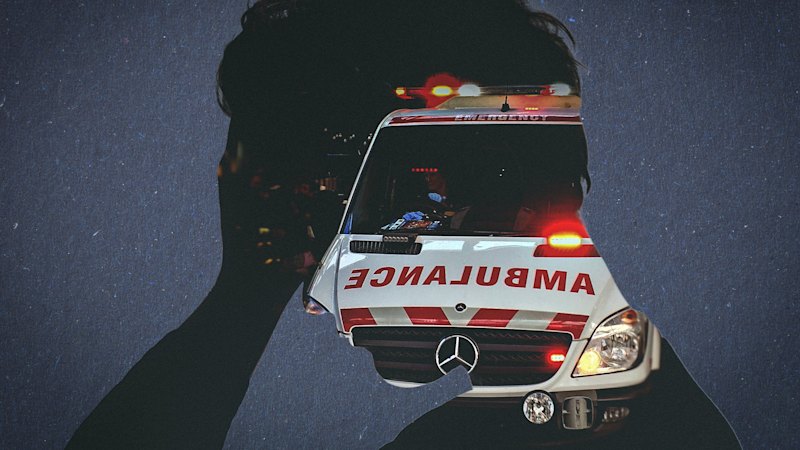
Paramedics to lead mental health emergencies, as police take back seat

Read the original at The Sydney Morning Herald ↗
Cite

Rooney, K., & McArthur, G. (2026, September 27). Paramedics to lead mental health emergencies, as police take back seat. The Sydney Morning Herald. https://www.smh.com.au/national/victoria/paramedics-to-lead-mental-health-emergencies-as-police-take-back-seat-20260928-p610fr.html?ref=rss&utm_medium=rss&utm_source=rss_feed

Dated when The Aporia collected the article, usually within hours of publication. Check the original for its exact date and byline.

The Sydney Morning Herald · collected 2026-09-27 · by Kieran Rooney, Grant McArthur

Quick Summary

Victoria Police will no longer be the primary responders during mental health emergencies under a new agreement with Ambulance Victoria and the Department of Health. This shift aims to address approximately 60,000 annual callouts by treating them as health issues rather than law enforcement matters. However, concerns persist over whether sufficient resources are allocated for paramedics and health specialists to effectively manage these crises. Critics like Danny Hill from the Victorian Ambulance Union worry about inadequate staffing and support for paramedics taking on this expanded role.
Written by AI on 2026-09-28, from this article's own text only (the story summary below draws on all the coverage).

AI analysis

Story summary

In Victoria, paramedics and mental health specialists will now lead responses to 60,000 annual mental health emergency callouts, instead of police. The new protocol, signed by Victoria Police, Ambulance Victoria, and the Department of Health, aims to better protect vulnerable individuals who are in crisis. Mental Health Minister Ingrid Stitt announced this change following concerns that police-led responses have resulted in poor outcomes and dangerous escalations in behavior. However, there are still questions about whether adequate funding, staff, and resources will be provided for mental health services to manage the high demand effectively. The Victorian Royal Commission into Mental Health had recommended such a shift, but Phillipa Thomas, CEO of Mental Health Victoria, emphasized that more support is needed for mental health services to address continued challenges with limited resources.

Written for “Mental Health Crisis Response Reform” on 2026-10-31, grounded in this article and the 0 other(s) covering the same event.

Story

📰 Mental Health Crisis Response Reform
Health · 1 article(s) covering the same event.

Compared with similar articles

This article reads leans left and hedges 3% of its claims. Each row says how that neighbour differs.
ABC News (AU)
Hedges 0 of 3 claims Outlet record 68/100
“While both articles discuss a new protocol for mental health emergency responses, they do not describe the same specific incident. Article A reports on the announcement of the new agreement between police and paramedics, while Article B focuses on the reaction from the Victorian Ambulance Union about not being consulted.”
How this article was measured signals, leaning charts, publisher record, byline, topics and claims

Signals How these are calculated →

Claims extracted
37
sentences that state something as happening or true
Uncertain
3%
1 of 37 hedged ("reportedly", "may", "according to")
Leaning
Leans left
of the writing, not the subject · beta estimate
Publisher signals
61/100
The Sydney Morning Herald's corrections and hedging, across everything collected from it. Not a measure of accuracy.
Outlets on this story
1
Health
Same framing elsewhere
1
articles that frame the event the way this one does
Analyzed 2026-09-28 · how these are computed

How this is being covered How these are calculated →

Article leaning vs. publisher reliability
Source leaning vs. consistency

Publisher

The Sydney Morning Herald · 5626 article(s) · 15 correction(s) detected
Running correction rate · 15 correction(s)

Who wrote this

Kieran Rooney
15 article(s) here · 1 carrying a prediction
🔮 The Coalition’s explanation of what a “pause and review” of the Suburban Rail Loop would actually entail is now as murky as the subterranean mud that tunnel boring machines are digging through.
🔮 That’s open until November 9 for people to nominate to be candidates and then our preferences will be done.”
🔮 Three Liberal sources, who spoke on the condition of anonymity to discuss confidential deliberations, said the state executive had realised the party could be dragged into the court case.
🔮 The integrity of VEU, which the government boasts has helped 2.4 million households and 180,000 businesses, will become increasingly important next year when the government will switch all solar rebates it provides on to the program.
🔮 Last month, lawyers for the union sent letters to members who were yet to pay the $644.82 Court Case Funding (CCF) levy, warning that they had been given instruction to begin legal proceedings if outstanding payments were not made by 12pm on October 9. “If proceedings are commenced, in addition to being required to pay the CCF levy, you may also be ordered to pay interest and costs,” says a copy of the letter, seen by The Age.
🔮 When Premier Ben Carroll was on Monday asked if he would accept the support of Greens MPs in parliament if it meant staying in power after November’s state election, he said he’d throw the keys back.
🔮 Victorian Premier Ben Carroll told ABC Radio that Nicholson’s comments were “appalling”, even as he opens up a royal commission into corruption that could call Andrews and Allan as witnesses.
🔮 A trove of leaked documents reveal how the state’s mental health watchdog was put on a path to ruin by the state government, with its powers, budget, staff and independence slashed to such an extent it could barely perform its safeguarding and oversight roles.
🔮 Internal records from that meeting, seen by The Age, reveal the commissioners and executives discussed their diminishing capabilities and how they would reprioritise the issues they would continue to scrutinise, and those that would instead be placed on a watch list or ignored altogether.
🔮 Police will take a back seat during mental health emergency callouts and allow paramedics and health specialists to lead responses under a new agreement intended to better safeguard thousands of highly vulnerable people.
Also by Kieran Rooney
Nothing else under this byline is closely related to this article, so these are simply their most recent.
All 15 articles by Kieran Rooney →
Grant McArthur
5 article(s) here · 1 carrying a prediction
🔮 Melissa Arch was the long-serving chief of staff for former Health Minister Mary-Anne Thomas, and worked by her side to examine the serious cultural and management issues that cohealth faced and attempted to overcome last year. Thomas stepped down from her ministerial position in April after announcing she would not recontest her seat at the November 28 election.
🔮 A trove of leaked documents reveal how the state’s mental health watchdog was put on a path to ruin by the state government, with its powers, budget, staff and independence slashed to such an extent it could barely perform its safeguarding and oversight roles.
🔮 Internal records from that meeting, seen by The Age, reveal the commissioners and executives discussed their diminishing capabilities and how they would reprioritise the issues they would continue to scrutinise, and those that would instead be placed on a watch list or ignored altogether.
🔮 Street homelessness could be drastically reduced across Victoria over the next decade under an ambitious plan to find rough sleepers and connect them with services rather than waiting for people to seek help.
🔮 Police will take a back seat during mental health emergency callouts and allow paramedics and health specialists to lead responses under a new agreement intended to better safeguard thousands of highly vulnerable people.
Also by Grant McArthur
Nothing else under this byline is closely related to this article, so these are simply their most recent.

Topics

Ambulance Victoria Mental Health Victoria the Department of Health the Victorian Royal Commission into Mental Health

Subjects

Victoria GPE · 3× Ambulance Victoria ORG · 1× Danny Hill PERSON · 1× Hill PERSON · 1× Ingrid Stitt PERSON · 1× Mental Health ORG · 1× Mental Health Victoria ORG · 1× Victorian Ambulance Union ORG · 1× the Department of Health ORG · 1× the Victorian Royal Commission into Mental Health ORG · 1×

Narrative

Mental Health Victoria chief executive Phillipa Thomas welcomed the changes, but similarly said mental health services still need significantly more funding, staff and space to support the sector. “For mental health services, the challenge to meet continued high demand and acuity within limited resources means that responding to unplanned situations like a person needing to be returned to care can be almost impossible.
framing: assertive · carried by 1 article(s) · first seen 2026-09-28
🔮 Police will take a back seat during mental health emergency callouts and allow paramedics and health specialists to lead responses under a new agreement intended to better safeguard thousands of highly vulnerable people.
2026-09-28 · The Sydney Morning Herald
Paramedics to lead mental health emergencies, as police take back seat · assertive framing

Claims (37 extracted, 1 hedged)

Police will take a back seat during mental health emergency callouts and allow paramedics and health specialists to lead responses under a new agreement intended to better safeguard thousands of highly vulnerable people. asserted
paramedics → take → people
The new protocol signed by Victoria Police, Ambulance Victoria and the Department of Health will mean about 60,000 mental health emergency callouts a year will now be treated with a “health-led” response, rather than being considered primarily as law-and-order matters. asserted
callouts → sign → matters
The move, which Mental Health Minister Ingrid Stitt will today announce, is an attempt to clarify the role of emergency responders amid mounting concerns that police-led responses have resulted in poor outcomes for people in crisis, dangerous escalations in behaviour, and grave concerns outlined by the Victorian Royal Commission into Mental Health. asserted
responses → announce → Health
Though the change will partly address a key recommendation of the royal commission, questions remain about whether additional expert-trained staff and resources will be provided as part of the new protocol. asserted
staff → address → protocol
Victorian Ambulance Union secretary Danny Hill said the union and the workforce had not been consulted and would have concerns, particularly about specialist resourcing to handle acute calls. asserted
union → say → calls
“We have always supported a health-led response to mental health patients. asserted
We → support → patients
That’s CAT [crisis assessment and treatment] teams and mental health outreach. asserted
That → ’ → ?
We don’t have enough resources for the current workload, let alone taking responsibility for all mental health cases,” Hill said. asserted
Hill → have → cases
Mental Health Victoria chief executive Phillipa Thomas welcomed the changes, but similarly said mental health services still need significantly more funding, staff and space to support the sector. “For mental health services, the challenge to meet continued high demand and acuity within limited resources means that responding to unplanned situations like a person needing to be returned to care can be almost impossible. asserted
person → welcome → care
There’s simply no available resource or time,” she said. asserted
she → ’ → ?
The lack of clarity around where responsibility lies “has had an impact on the timeliness and quality of people’s care”. asserted
responsibility → lie → care
Thomas said this was why she had called for an urgent reset of the agenda for mental health reforms, with the priority to ensure every local health service has the resources and infrastructure to support a health-led response to crises. asserted
service → say → crises
“Health services have reported delays in people receiving urgent treatment, distress for staff, families and carers where there have been concerns about a person being vulnerable to harm, and it has created a lot of unhelpful tension between agencies already working under extreme pressure. asserted
it → report → pressure
The final report of Victoria’s mental health royal commission highlighted concerns from patients, carers and service providers about the growing involvement of police in responding to mental health cases, and called for an overhaul of Triple Zero responses. asserted
report → highlight → responses
Last year, Victoria Police responded to 59,014 mental health-related callouts – equivalent to one every 10 minutes. asserted
Police → respond → one
A police spokesperson said under the changes, officers would continue to be responsible for public safety and responding to immediate risks, but would attend mental health callouts to support paramedics when needed rather than leading the initial response. asserted
officers → say → response
Under the new arrangements, police and protective services officers retain the power to take a person into care during a mental health crisis to prevent imminent and serious harm to them or others. asserted
police → retain → them
“This reinforces the preference for a health-led response wherever possible, with police involvement only to be requested as a last resort,” the police spokesperson said. asserted
spokesperson → reinforce → resort
“The protocol outlines how mental health clinicians, police and paramedics can best work together for the benefit of patients using the least restrictive means necessary.” asserted
clinicians → outline → means
Health agencies will also lead the response in instances where patients have absconded from mental health units, or in cases where they are subject to compulsory treatment orders, with police providing support only when needed. asserted
police → lead → support
The agreement covers interactions between police, PSOs, Ambulance Victoria paramedics, mental health clinicians and health professionals in responding to crisis callouts and emergency responses, and may include support from a patient’s family members or carers. uncertain
agreement → cover → members
People in mental health crisis will also be transferred to hospitals via mental health services, non-emergency patient transport or ambulances, rather than the back of a police car wherever possible under the new arrangements. asserted
People → transfer → arrangements
A spokesperson for Ambulance Victoria said the clearer guidance spelt out in the new protocol was welcome. asserted
guidance → say → protocol
“The agreement puts patient care and welfare first and provides clarity to our paramedics and first responders attending mental health calls, to ensure patients are supported in the least restrictive way that is safe and reasonably practicable,” the spokesperson said. asserted
spokesperson → put → way
“Ambulance Victoria is developing further resources to support our paramedics and first responders, which will complement existing clinical practice guidelines and other procedures.” asserted
which → develop → guidelines
However welcome, the new response protocols still fall short of the royal commission’s full recommendation for paramedics to become first responders to Triple Zero calls for mental health crises. asserted
paramedics → fall → crises
That policy was recommended in 2021 and had an original start date of September 2023, which was pushed back to 2027 last year – a four-year delay on the original timeline. asserted
which → recommend → timeline
Since the royal commission, the government has provided $7.5 million over two years to design and develop the program in the 2021-22 budget, and an extra $11.5 million was allocated in 2023-24 to plan and design services. asserted
million → provide → services
While most groups agreed that a health-led approach was needed, Ambulance Victoria had previously pushed back on the timeline as it sought to recover from the higher workloads of the pandemic. asserted
it → agree → pandemic
“The priority needs to be our members’ safety,” Hill said of Victoria’s ambulance workers. asserted
Hill → need → workers
“They are too often exposed to occupational violence as it is. asserted
it → expose → violence
Mental health cases can be extraordinarily dangerous scenes to approach and should always involve police.” asserted
cases → approach → police
Minister Stitt said that the changes would ensure paramedics, mental health workers and police would step in to deliver a health-led response centred on individual patients. asserted
paramedics → say → patients
“When someone is experiencing a mental health crisis, they deserve a response that puts their health and wellbeing first while keeping them and the community safe,” the minister said. asserted
minister → experience → them
“Wherever and whenever possible, police and PSOs will be required to support a health-led response. asserted
police → require → response
“This means working closely with health services and Ambulance Victoria to consider relevant clinical advice about a person’s mental health and level of risk.” asserted
This → mean → risk
Police Minister Paul Edbrooke said transitioning to a health-led response would also free up police and PSOs so they “can be on the beat, fighting crime”. asserted
they → say → crime

💬Give feedback
🕘History 🎫Support