The Aporia
Singh, A. (2026, September 28). Hotter seas, vanishing kelp, booming octopus: How Europe's marine life is changing. Times of India. https://timesofindia.indiatimes.com/world/europe/hotter-seas-vanishing-kelp-booming-octopus-how-europes-marine-life-is-changing/articleshow/134530318.cms
Singh, Aryan. “Hotter seas, vanishing kelp, booming octopus: How Europe's marine life is changing.” Times of India, 28 Sept. 2026, https://timesofindia.indiatimes.com/world/europe/hotter-seas-vanishing-kelp-booming-octopus-how-europes-marine-life-is-changing/articleshow/134530318.cms.
Singh, Aryan. “Hotter seas, vanishing kelp, booming octopus: How Europe's marine life is changing.” Times of India, September 28, 2026. https://timesofindia.indiatimes.com/world/europe/hotter-seas-vanishing-kelp-booming-octopus-how-europes-marine-life-is-changing/articleshow/134530318.cms.
Dated when The Aporia collected the article, usually within hours of publication. Check the original for its exact date and byline.
European waters recorded their hottest summer on record in 2023, with an average temperature of 21.6°C between June and August, surpassing a 45-year historical dataset that dates back to 1982. The warming was especially notable in the Bay of Biscay, where temperatures reached 21.4°C, marking a significant increase of more than 2.4°C above the average from 1991-2020. This prolonged warmth caused 186 marine heatwave days by August's end.
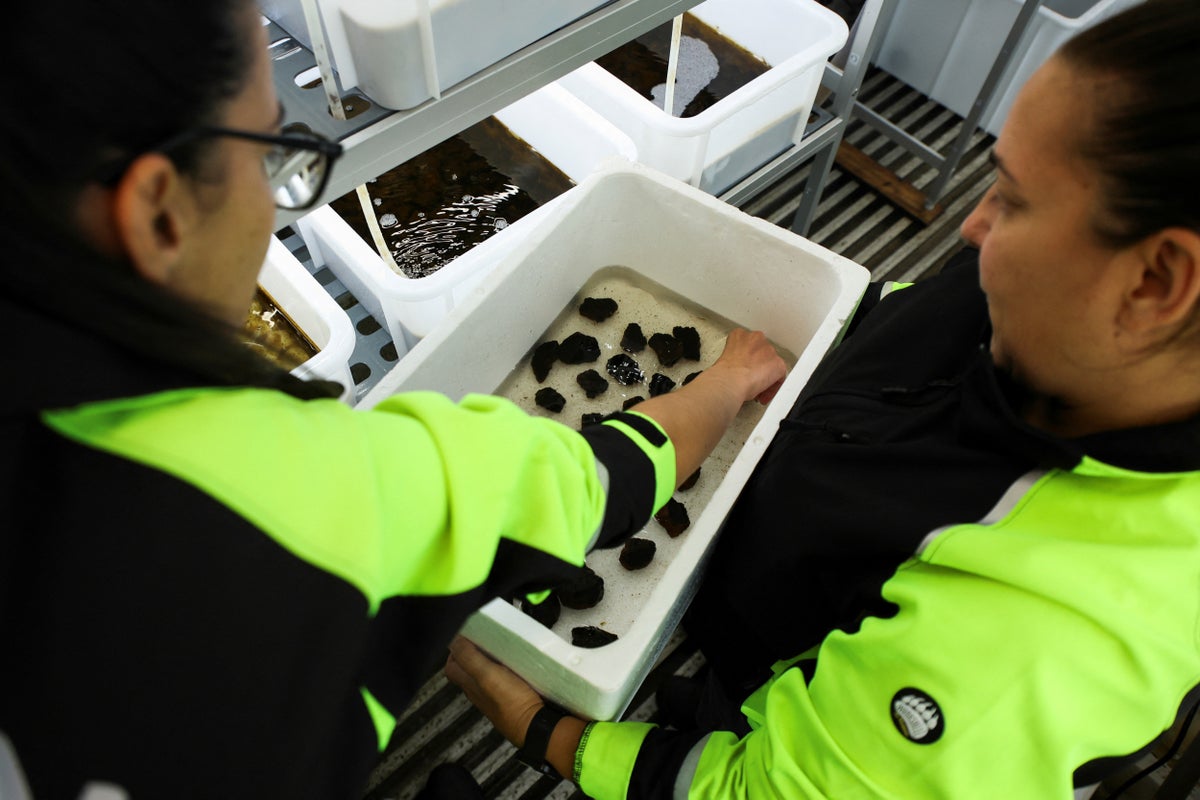
In Asturias, northern Spain, large brown kelp forests have declined drastically, with about 95 percent of sampled stands disappearing since 2010, according to marine ecologist Jose Manuel Rico Ordas. Kelp provides crucial habitat and food for numerous marine species, making its decline particularly concerning for the ecosystem's health.