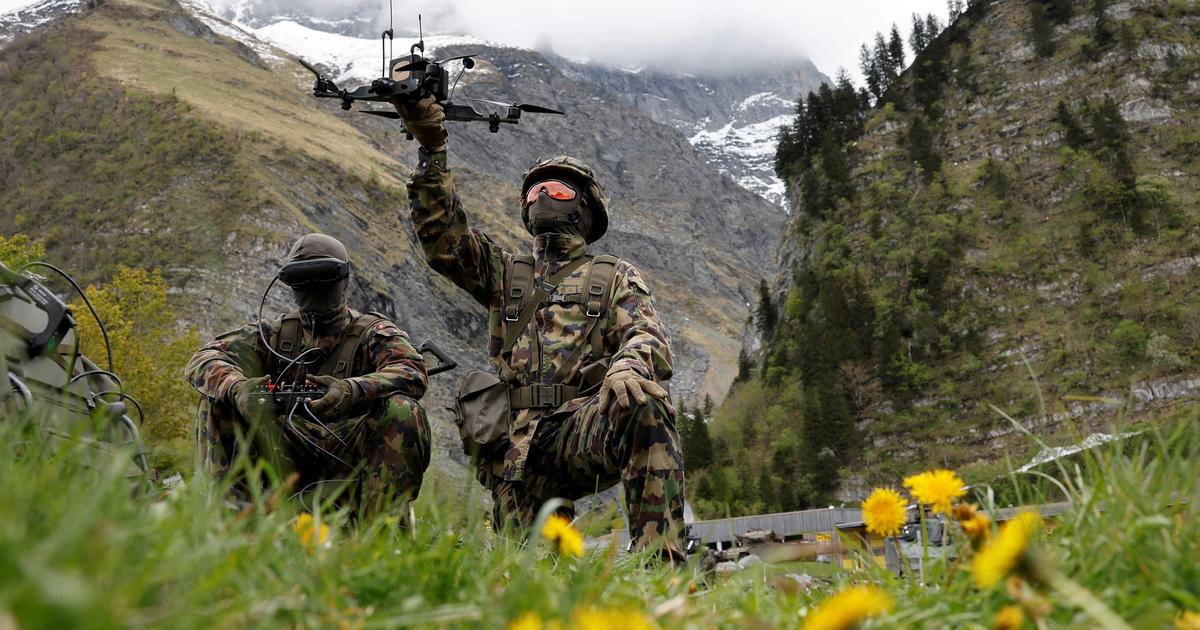
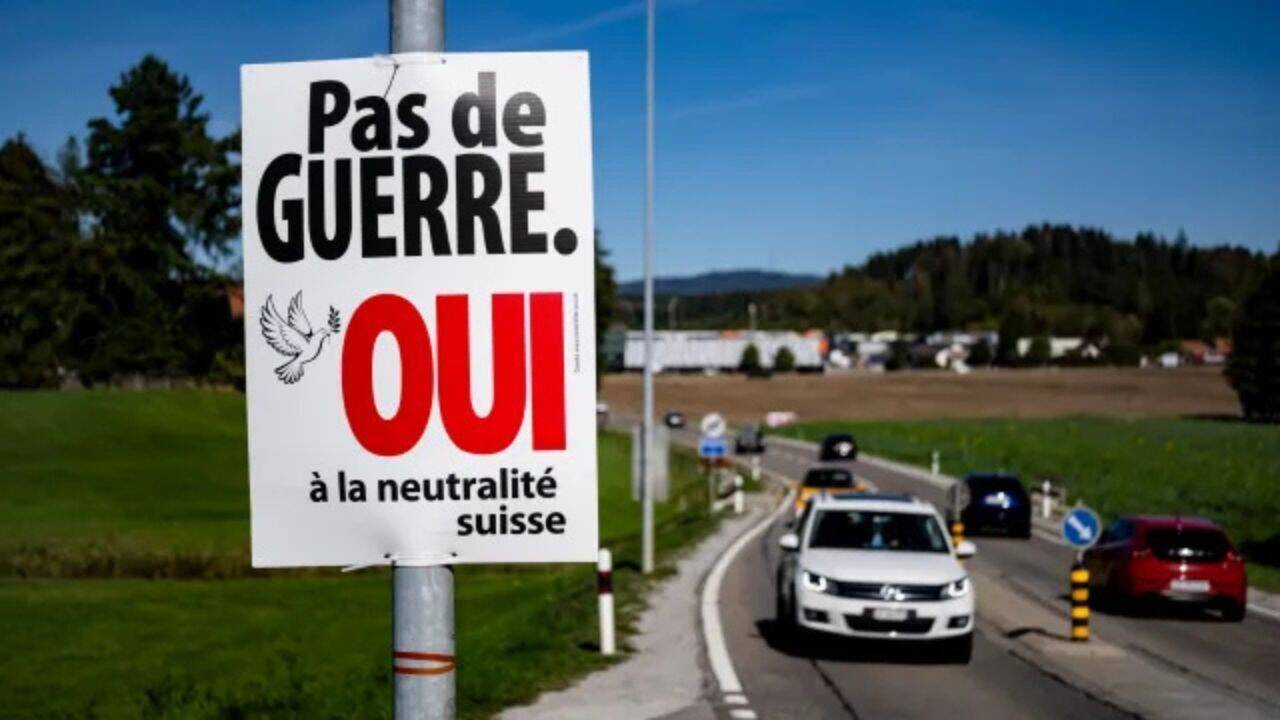
Photo via The Hindu

What is Switzerland’s ‘neutrality initiative’? | Explained

Read the original at The Hindu ↗
Cite

Venkitesh, V. P. (2026, September 28). What is Switzerland’s ‘neutrality initiative’? | Explained. The Hindu. https://www.thehindu.com/news/international/what-is-switzerlands-neutrality-initiative-explained/article71518396.ece

Dated when The Aporia collected the article, usually within hours of publication. Check the original for its exact date and byline.

The Hindu · collected 2026-09-28 · by Vighnesh P Venkitesh

Quick Summary

Switzerland held a referendum on September 27, 2026, where over 70% of voters rejected an initiative proposed by Pro Schweiz and the Swiss People’s Party aiming to tighten the country's neutrality policy. This initiative sought constitutional changes following Switzerland's participation in EU sanctions against Russia due to its invasion of Ukraine. Historically, Switzerland has maintained a flexible approach to neutrality since adopting it constitutionally in 1848, balancing defense readiness with diplomatic flexibility and international engagement.
Written by AI on 2026-09-28, from this article's own text only (the story summary below draws on all the coverage).

AI analysis

Story summary

On September 27, Swiss voters rejected a right-wing party's proposal to tighten the country’s neutrality laws, with over 70% voting against stricter rules. The initiative, championed by the Swiss People’s Party (SVP), aimed to prevent Switzerland from joining or cooperating with military alliances like NATO and imposing economic sanctions unless mandated by the United Nations. This move was seen as a response to perceived shifts in Swiss policy towards closer alignment with the EU and NATO, particularly due to the country's imposition of sanctions on Russia after its invasion of Ukraine. Despite support from Moscow, the proposal failed across all 26 cantons, reinforcing existing policies that allow for flexibility in applying neutrality principles amidst geopolitical changes.

Written for “Swiss Neutrality Vote Rejecting Tight…” on 2026-10-31, grounded in this article and the 10 other(s) covering the same event.

Story

📰 Swiss Neutrality Vote Rejecting Tight…
Politics · 11 article(s) covering the same event. Compare every outlet's account →

Compared with similar articles

This article reads leans left and hedges 6% of its claims. Each row says how that neighbour differs.
Daily Mail
⚖️ Leans right further right than this Hedges 1 of 16 claims Outlet record 68/100
Toronto Star
⚖️ Leans right further right than this Hedges 0 of 3 claims Outlet record 64/100
CBC News
⚖️ Leans right further right than this Hedges 1 of 19 claims Outlet record 60/100
BBC News
Hedges 0 of 17 claims Outlet record 69/100
The Guardian
Hedges 1 of 16 claims Outlet record 66/100
“Article A reports on the specific results and implications of the vote rejecting stricter neutrality rules, while Article B provides an overview and background information about the 'neutrality initiative' without detailing the specific outcome.”
South China Morning Post
⚖️ Leans left Hedges 1 of 3 claims Outlet record 64/100
“Article A reports on the outcome of the Swiss referendum, while Article B provides background and explanation of the 'neutrality initiative' without detailing the voting results.”
The Independent
⚖️ Leans left Hedges 0 of 16 claims Outlet record 59/100
“Article A reports on the outcome of the referendum, while Article B explains what the 'neutrality initiative' is and provides context for it.”
The Straits Times
Hedges 0 of 13 claims Outlet record 66/100
“Article A describes the actual voting day and immediate context, while Article B discusses the background and outcome of the vote but does not specify it as a different or subsequent report on the same specific moment.”
Semafor
⚖️ Leans strongly right further right than this Hedges 1 of 3 claims Outlet record 60/100
“Article A reports on the specific voting results from September 27, 2026, while Article B provides a broader explanation of Switzerland's neutrality and mentions the referendum but does not focus on reporting the exact outcome.”
Times of India
Hedges 2 of 18 claims Outlet record 59/100
“Article A reports on the results of the Swiss referendum, while Article B provides an explanation and background for the 'neutrality initiative'.”
How this article was measured signals, leaning charts, publisher record, byline, topics and claims

Signals How these are calculated →

Claims extracted
35
sentences that state something as happening or true
Uncertain
6%
2 of 35 hedged ("reportedly", "may", "according to")
Leaning
Leans left
of the writing, not the subject · beta estimate
Publisher signals
60/100
The Hindu's corrections and hedging, across everything collected from it. Not a measure of accuracy.
Outlets on this story
11
Politics
Same framing elsewhere
1
articles that frame the event the way this one does
Analyzed 2026-09-28 · how these are computed

How this is being covered How these are calculated →

Article leaning vs. publisher reliability
Source leaning vs. consistency

Publisher

The Hindu · 907 article(s) · 2 correction(s) detected
Running correction rate · 2 correction(s)

Who wrote this

Vighnesh P Venkitesh
7 article(s) here · 1 carrying a prediction
🔮 The fact that Ms. Meloni’s administration made the record for the longest continuous post-war reign in its first term shows that Italian politicians have always had trouble staying in power. Following the Second World War and the end of the dictatorship of Benito Mussolini, the ‘first republic’ devised the parliament in such a way that it would be difficult for a single party to consolidate power.
🔮 The eviction was later reversed by the investment fund, which had acquired ownership of the building she was living in, but the dominoes could not be stopped.
2026-10-07 · assertive framing · The protests and polls in Spain
🔮 While the country will remain neutral, the referendum has given an insight into the thought process of the modern Swiss who prefer to have flexibility in their neutrality.
🔮 It cited a CNN reporting on “top-secret construction details related to the East Wing bunker”, MS-NOW’s story on an “alleged leak investigation”, and a Politico report on “a document detailing funding for the White House ballroom containing intricate descriptions of how the Secret Service would invest in security improvements”.
🔮 The court acts only if the state concerned “does not, cannot, or is unwilling” to prosecute individuals.
Also by Vighnesh P Venkitesh
The protests and polls in Spain
2026-10-07 · The Hindu
Nothing else under this byline is closely related to this article, so these are simply their most recent.
All 7 articles by Vighnesh P Venkitesh →

Topics

Constitution League Swiss Switzerland post-Napolean

Subjects

Switzerland GPE · 10× Swiss NORP · 3× League ORG · 2× European NORP · 1× Federal Council ORG · 1× Italy GPE · 1× Pro Schweiz ORG · 1× UN Security Council ORG · 1× the League of Nations ORG · 1× the United Nations ORG · 1×

Narrative

During the First World War, Switzerland managed to avoid being drawn into conflict by staying neutral, but following the war, it joined the League of Nations with “differential neutrality”, supporting its economic measures while being exempt from military obligations.
framing: assertive · carried by 1 article(s) · first seen 2026-09-28
🔮 While the country will remain neutral, the referendum has given an insight into the thought process of the modern Swiss who prefer to have flexibility in their neutrality.
2026-09-28 · The Hindu
What is Switzerland’s ‘neutrality initiative’? | Explained · assertive framing

Claims (35 extracted, 2 hedged)

The story so far: In addition to being a tax haven and celebrated for its chocolates, watches, and army knives, Switzerland is synonymous with neutrality, a policy that originated from the post-Napolean turbulence in Europe in the early 1800s. asserted
that → celebrate → 1800s
While the continent and the world went through several upheavals in the following decades. asserted
continent → go → decades
Switzerland held strong to its neutral stand, staying away from armed conflict and geopolitics. asserted
Switzerland → hold → conflict
On Sunday (September 27, 2026), more than 70% of the Swiss voted against a referendum seeking more rigidity in neutrality against the backdrop of growing global faultlines. asserted
% → vote → faultlines
While the country will remain neutral, the referendum has given an insight into the thought process of the modern Swiss who prefer to have flexibility in their neutrality. asserted
who → remain → neutrality
The country’s neutral position has been enshrined in its Constitution since 1848. asserted
position → enshrine → 1848
The country has accepted a neutrality that is “permanent and armed”. asserted
that → accept → neutrality
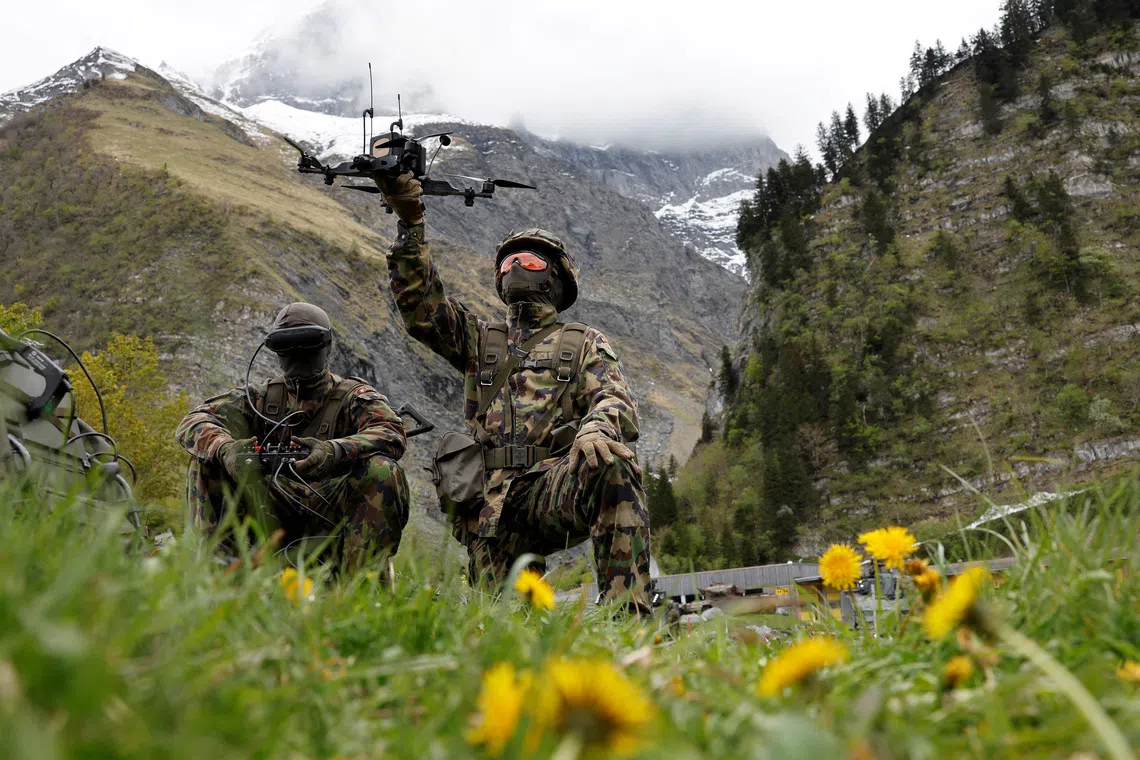
While the permanent nature of the position prevents the country from taking part in any armed conflicts, Switzerland maintains armed forces to defend its territory and to prevent it from being misused for war-related purposes. asserted
Switzerland → prevent → purposes
However, this neutrality is not rigid, and policies have changed over time as the country has set up a buffer space to apply neutrality in its best interests. asserted
country → change → interests
During the First World War, Switzerland managed to avoid being drawn into conflict by staying neutral, but following the war, it joined the League of Nations with “differential neutrality”, supporting its economic measures while being exempt from military obligations. asserted
it → manage → obligations
In 1935, it adopted sanctions by the League against Italy, in a first major shift from neutrality. asserted
it → adopt → neutrality
However, following the Second World War, Switzerland reduced its involvement with the League and refrained from adopting sanctions. asserted
Switzerland → follow → sanctions
The country was also hesitant to join the United Nations at first and kept its distance from the process of European integration in the second half of 20th century. asserted
country → join → century
However, in the last two decades, Switzerland has increasingly made a space for itself in international organisation, becoming a UN Security Council member in 2022, and adopting UN and EU sanctions on other countries. asserted
Switzerland → make → countries
What did the referendum seek to achieve? asserted
referendum → seek → What
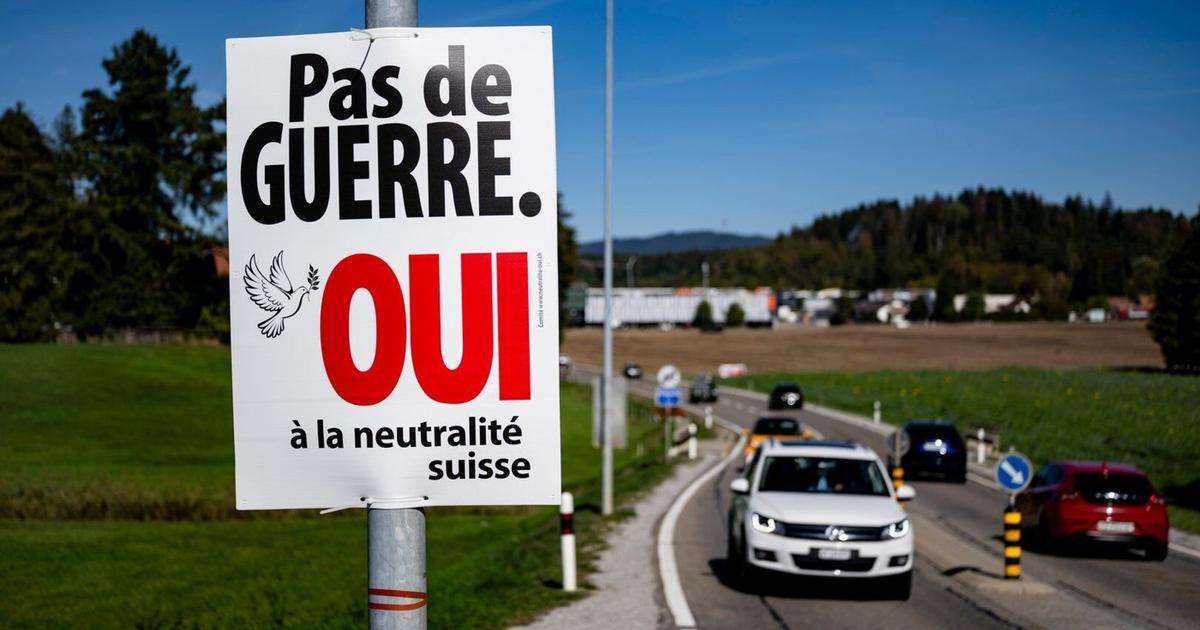
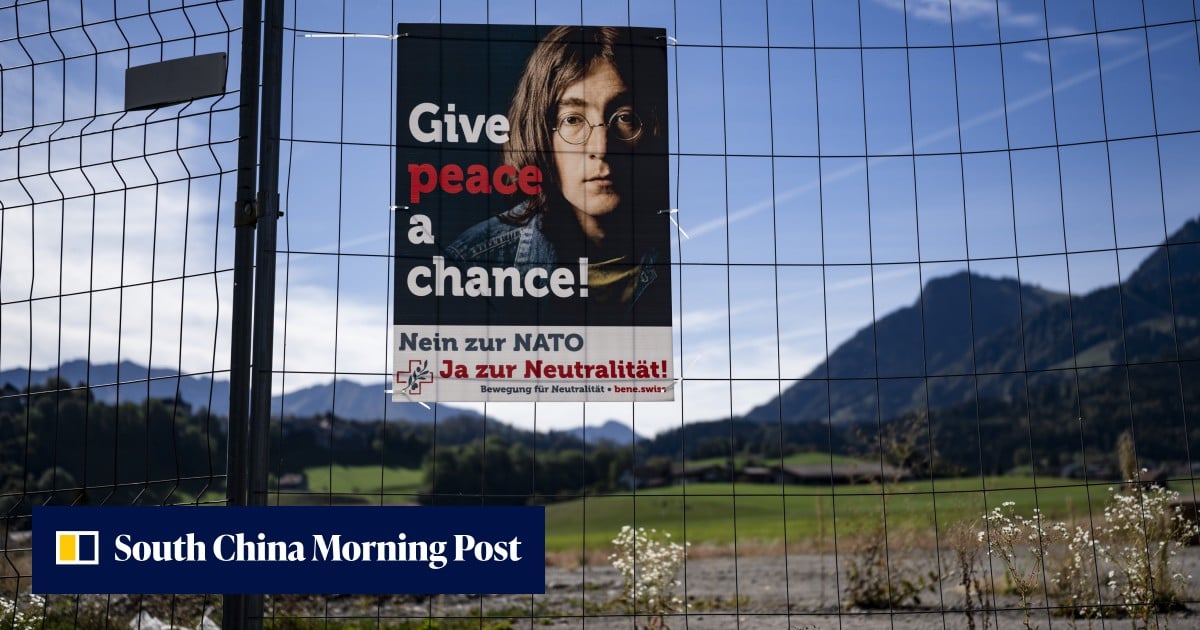
Officially titled ‘Safeguard Swiss neutrality’, the Initiative sought amendments in the country’s Constitution, making neutrality stricter in practice. asserted
neutrality → title → practice
The initiative was introduced by Pro Schweiz, a nationalist organisation, with former Federal Council member Christoph Blocher and his right-wing Swiss People’s Party. asserted
initiative → introduce → Blocher
One of the key triggers for the referendum was Switzerland taking part in sanctions on Russia by the European Union in 2022 in response to the invasion of Ukraine. asserted
Switzerland → take → Ukraine
The major demands of the referendum were already part of the accepted neutrality provisions being practised by the country; it wanted them to be etched in stone with a new article in the Constitution stating that the neutrality is “perpetual and armed”. asserted
neutrality → accept → Constitution
The initiative also wanted the new article to establish that the country will not join any military alliance, take part in armed conflicts between other countries, or impose sanctions against warring party. asserted
country → want → party
It also wanted to make sure that Switzerland is constitutionally obliged to use its neutrality to fulfil its role as mediator. asserted
Switzerland → want → mediator
What was the government’s position regarding the referendum? asserted
position → regard → referendum
The Federal Council, a seven-member executive body which governs the country, had rejected the referendum without making any counter proposal. asserted
which → govern → proposal
It was of the view that the proposals in the initiative reflects the legal obligations of a neutral state, which were already being upheld in practice by Switzerland. asserted
which → reflect → Switzerland
The “permanent neutrality” of the country by default made its position “perpetual” and abstaining from military alliances and armed conflicts was already a normal practice in the country, the council noted. asserted
council → make → country
It said that the demands of the initiative which went beyond the current practice could damage the country’s interests. uncertain
which → say → interests
Stricter neutrality would curtail the current flexibility that the country enjoys in its foreign policy, the council said, stressing that “room for manoeuvre” was important amid a “deteriorating security situation”, in reference to the Russia-Ukraine war. asserted
room → curtail → war
It noted that the initiative would impede cooperation on security policy, excluding the country from knowledge-sharing and making it less secure in the event of an attack. asserted
it → note → attack
U.S. and Iran to talk in Switzerland as Tehran says it closed Strait of Hormuz again What are the possible scenarios had the referendum passed? asserted
referendum → talk → Hormuz
The Federal Council, in the run-up to the vote on the initiative, was of the view that, if passed, the wording of the referendum would mandate the country lift sanctions against belligerent states, including those against Russia. asserted
country → pass → Russia
Critics of the referendum have raised concerns about the impact of this, saying that the move would unfreeze Russian assets in Swiss banks. asserted
move → raise → banks
The council also sees Switzerland, as a small state, benefiting from international order being upheld and considers sanctions as a tool to respond to violations of and threats to this order. asserted
Switzerland → see → order
Under the initiative, Switzerland would no longer be able to join sanctions by international agencies, like the UN, on warring countries, which could affect both its interests and reputation. uncertain
which → join → interests
The referendum, which needed a double majority to be accepted, saw only 47.06% participation and was turned down with 70.15% no votes. asserted
which → need → votes
All the 26 cantons, or member states of the confederation, also rejected the referendum, showing overwhelming support for a “flexible neutrality”. asserted
cantons → reject → neutrality

💬Give feedback
🕘History 🎫Support