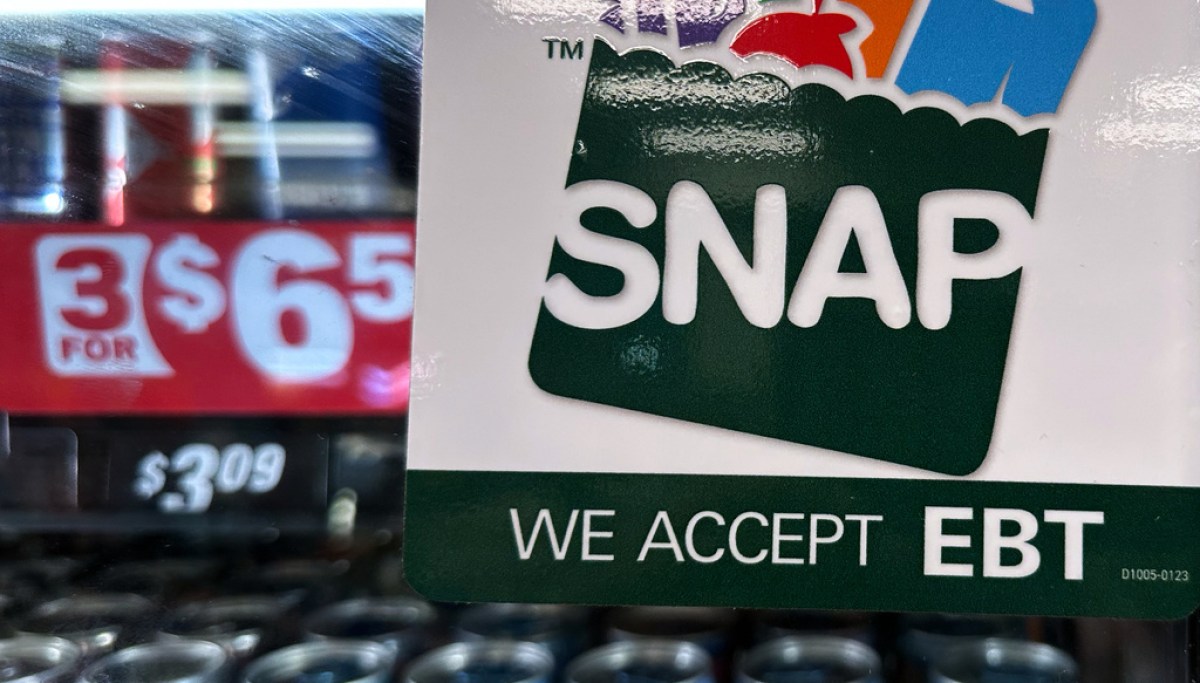
Millions of Americans who receive food assistance could see slightly higher benefits beginning Oct. 1 as new federal cost-of-living adjustments take effect for the Supplemental Nutrition Assistance Program.
uncertain
adjustments → receive → Program
The Department of Agriculture adjusts SNAP benefit levels and eligibility standards annually at the start of the federal fiscal year.
asserted
Department → adjust → year
For fiscal 2027, maximum benefits will increase by about 3% for households in the 48 contiguous states and Washington, D.C., reflecting changes in food costs.
asserted
benefits → increase → costs
Maximum SNAP allotments are tied to the USDA’s Thrifty Food Plan, an estimate of the cost of providing a nutritious diet on a limited budget.
asserted
allotments → tie → budget
Federal law uses the plan’s June cost for a reference family of four to set maximum benefits for the following fiscal year.
asserted
law → use → year
The increases take effect automatically Oct. 1 and run through Sept. 20, 2027.
asserted
increases → take → Sept.
Here is what to know about the changes.
asserted
know → know → changes
How much are SNAP benefits increasing?
asserted
benefits → increase → ?
Beginning Oct. 1, the maximum monthly benefit for a one-person household will rise from $298 to $306, an $8 increase.
asserted
benefit → begin → 306
A family of four could receive up to $1,023 per month, up $29 from the current $994 maximum.
uncertain
family → receive → maximum
The maximum allotment for two people will increase to $562, while three people can receive up to $808.
asserted
people → increase → 808
The maximum rises to $1,217 for five people, $1,463 for six, $1,616 for seven, and $1,841 for eight.
asserted
maximum → rise → eight
Each additional person adds $225.
asserted
person → add → 225
The minimum benefit for qualifying one- and two-person households will also increase by $1, from $24 to $25 per month.
asserted
benefit → qualify → month
The figures represent maximum benefits, meaning recipients should not necessarily expect their monthly payments to increase to those amounts.
asserted
payments → represent → amounts
SNAP generally assumes households can spend 30% of their net income on food, with benefits making up part of the remaining costs.
asserted
benefits → assume → costs
A household’s actual payment depends on factors including income, household size, and allowable deductions.
asserted
payment → depend → income
Who can qualify?
asserted
Who → qualify → ?
The income limits used to determine SNAP eligibility will also increase Oct. 1, allowing households to earn slightly more without necessarily losing access to the program.
asserted
households → use → program
For a one-person household, the standard gross monthly income limit will rise from $1,696 to $1,729.
asserted
limit → rise → 1,729
For a family of four, the limit will increase from $3,483 to $3,575.
asserted
limit → increase → 3,575
The net income limit will also increase to $1,330 for one person and $2,750 for a family of four.
asserted
limit → increase → four
Gross income generally refers to a household’s income before deductions, while net income is what remains after allowable deductions.
asserted
what → refer → deductions
Most households must fall below both limits to qualify, though different rules apply to some households with elderly or disabled members.
asserted
rules → fall → members
Those deductions are also adjusted annually.
asserted
deductions → adjust → ?
The standard deduction for households of one to three people will rise from $209 to $217, while the maximum excess shelter deduction will increase from $744 to $796.
asserted
deduction → rise → 796
What other SNAP changes are happening?
asserted
changes → happen → ?
The changes are part of SNAP’s annual inflation adjustment and are separate from more substantial eligibility restrictions enacted under the Trump administration’s One Big Beautiful Bill Act.
asserted
changes → enact → Act
That law expanded SNAP’s work requirement to more recipients.
asserted
law → expand → recipients
Under the changes, adults through age 64 may be required to work, volunteer, or participate in an approved training program for at least 80 hours per month to continue receiving benefits beyond the program’s time limit.
uncertain
adults → require → limit
Previously, the requirement generally applied through age 54.
asserted
requirement → apply → age
The OBBBA also narrowed the exemption for parents to those with children under 14, rather than children under 18, and eliminated specific exemptions for veterans, homeless individuals, and some former foster youth.
asserted
OBBBA → narrow → veterans
Implementation of those requirements has varied by state, meaning they should not be presented as a new nationwide change beginning Oct. 1.
asserted
they → vary → Oct.
The law changed the federal requirements in 2025, and states have implemented them on different schedules.
asserted
states → change → schedules
Additionally, beginning with fiscal 2027, states will become responsible for 75% of SNAP administrative costs, up from 50%.
asserted
states → begin → %
 The Aporia