Photo via CBS News

Gas prices could soar if the U.S. bans diesel exports, economists say

Read the original at CBS News ↗
Cite

Picchi, A. (2026, September 28). Gas prices could soar if the U.S. bans diesel exports, economists say. CBS News. https://www.cbsnews.com/news/trump-diesel-export-ban-gas-prices/

Dated when The Aporia collected the article, usually within hours of publication. Check the original for its exact date and byline.

CBS News · collected 2026-09-28 · by Aimee Picchi

Quick Summary

Economists warn that while temporarily banning U.S. diesel exports could initially lower domestic diesel prices, prolonging such a ban might increase gasoline prices significantly. Goldman Sachs estimates a 25 cent per gallon reduction in diesel costs but also predicts a potential 30 cent per gallon rise in gas prices for each additional week the ban continues due to reduced overall fuel production. This scenario would strain supplies of both diesel and gasoline, as they are typically refined together, potentially harming businesses reliant on stable fuel pricing.
Written by AI on 2026-09-28, from this article's own text only (the story summary below draws on all the coverage).

AI analysis

Story summary

Summary

As of mid-October 2023, U.S. President Donald Trump is considering a temporary ban on diesel exports to address record-high domestic fuel prices ahead of November's midterm elections. Average national diesel prices have surged past $6.50 per gallon due to the war in Iran and strikes against Russian refineries by Ukrainian forces. The proposal has gained traction among Republican candidates in key states like Iowa, Michigan, and Kansas, who are facing pressure from constituents affected by soaring fuel costs.

However, experts and industry groups warn that such a ban could exacerbate global diesel shortages and lead to even higher prices both domestically and internationally. U.S. Treasury Secretary Scott Bessent acknowledged the administration is evaluating whether a full or partial export ban would be feasible and beneficial. Nevertheless, many congressional Republicans are skeptical of this approach, fearing it might backfire and increase gasoline costs while further alienating them from Big Oil allies.

Meanwhile, some Republican officials advocate for lifting state-level restrictions on diesel production to mitigate price hikes instead. The potential for a policy backlash looms as the midterm elections draw near, with Democrats hoping to capitalize on voter discontent over economic hardships fueled by escalating conflicts abroad. Overall, the debate highlights the complex interplay between political expediency and economic pragmatism in addressing pressing issues like fuel scarcity during wartime conditions.

Written for “Trump Diesel Export Ban Controversy” on 2026-10-30, grounded in this article and the 15 other(s) covering the same event.

Story

📰 Trump Diesel Export Ban Controversy
Politics · 16 article(s) covering the same event. Compare every outlet's account →

Compared with similar articles

This article reads unscored and hedges 41% of its claims. Each row says how that neighbour differs.
New York Post
Hedges 5 of 22 claims Outlet record 66/100
“The articles discuss different aspects of oil and gas prices influenced by policy decisions, but do not describe the same specific incident or outcome.”
Semafor
Hedges 2 of 32 claims Outlet record 60/100
BBC News
Hedges 6 of 31 claims Outlet record 69/100
Semafor
⚖️ Leans left Hedges 0 of 7 claims Outlet record 60/100
“Article A discusses a potential ban on diesel exports, while Article B reports on the White House's decision to tap the Strategic Petroleum Reserve and loan oil to producers. These are distinct actions addressing similar issues but are not the same specific event.”
Evening Standard
Hedges 4 of 28 claims Outlet record 65/100
“Article A discusses President Trump's administration considering a ban on diesel exports, while Article B mentions the Prime Minister considering various measures to help with fuel costs.”
Semafor
Hedges 1 of 4 claims Outlet record 60/100
CBC News
⚖️ Leans left Hedges 8 of 37 claims Outlet record 74/100
The Straits Times
Hedges 1 of 12 claims Outlet record 66/100
Semafor
⚖️ Leans left Hedges 4 of 5 claims Outlet record 60/100
How this article was measured signals, leaning charts, publisher record, byline, topics and claims

Signals How these are calculated →

Claims extracted
22
sentences that state something as happening or true
Uncertain
41%
9 of 22 hedged ("reportedly", "may", "according to")
Leaning
withheld
no quote in the article backed the model's score
Publisher signals
66/100
CBS News's corrections and hedging, across everything collected from it. Not a measure of accuracy.
Outlets on this story
16
Politics
Same framing elsewhere
1
articles that frame the event the way this one does
Analyzed 2026-09-28 · how these are computed

How this is being covered How these are calculated →

Article leaning vs. publisher reliability
Source leaning vs. consistency

Publisher

CBS News · 4207 article(s) · 6 correction(s) detected
Running correction rate · 6 correction(s)

Who wrote this

Aimee Picchi
18 article(s) here · 1 carrying a prediction
🔮 Electricity demand is forecast to by 2029, mainly due to the proliferation of data centers across the U.S., according to energy management company Schneider Electric.
🔮 California voters next month will decide on whether to , a proposal designed to generate billions of dollars to shore up the state's healthcare system.
🔮 The company said it will continue operating as it seeks to sell its business, and added that The Walt Disney Co. has agreed to pay $20 million for a non-exclusive, perpetual license to Character.ai's intellectual property. Character.ai's financial struggles follow scrutiny and , which uses artificial intelligence to create custom bots consumers can chat with.
🔮 The increase may reflect the impact of years of above-normal inflation since the pandemic, although the survey doesn't capture this year's sparked by soaring energy costs.
🔮 But his campaign promises raised hopes that he would lower consumer prices.
🔮 The figures come a day before the Labor Department's monthly jobs report, with economists forecasting that employers across the U.S. added 90,000 jobs in September.
🔮 She had hoped to regain that aid on her 54th birthday, when she would age out of those restrictions, but then learned that a new federal law had extended the program's work requirement to 64.
🔮 A move by the U.S. to temporarily halt diesel exports amid would initially lower costs, but a prolonged ban could drive up domestic gasoline prices, according to Goldman Sachs.
🔮 One Georgia food bank said it will spend an extra $100,000 this year on diesel, money that otherwise would have gone to feed families.
🔮 Prolonged tensions could keep oil prices elevated, stoking inflation and increasing pressure on the Fed to raise its benchmark interest rate, economists said.
Also by Aimee Picchi
Nothing else under this byline is closely related to this article, so these are simply their most recent.
All 18 articles by Aimee Picchi →

Topics

Americans Goldman Sachs Republican U.S. Wood Mackenzie

Subjects

U.S. GPE · 5× Goldman Sachs ORG · 3× Americans NORP · 2× JPMorgan ORG · 2× Trump PERSON · 2× Wood Mackenzie ORG · 2× AAA ORG · 1× Republican NORP · 1× S&P Global Energy ORG · 1× The White House ORG · 1×

Narrative

American Fuel & Petrochemical Manufacturers, a trade group for energy producers, warned Friday that blocking refiners from exporting excess diesel supplies would cause them "to cut fuel production overall, including gasoline, putting upward pressure on prices and increasing America's reliance on imported fuel.
framing: mixed · carried by 1 article(s) · first seen 2026-09-28
🔮 A move by the U.S. to temporarily halt diesel exports amid would initially lower costs, but a prolonged ban could drive up domestic gasoline prices, according to Goldman Sachs.

Claims (22 extracted, 9 hedged)

A move by the U.S. to temporarily halt diesel exports amid would initially lower costs, but a prolonged ban could drive up domestic gasoline prices, according to Goldman Sachs. uncertain
ban → halt → Sachs
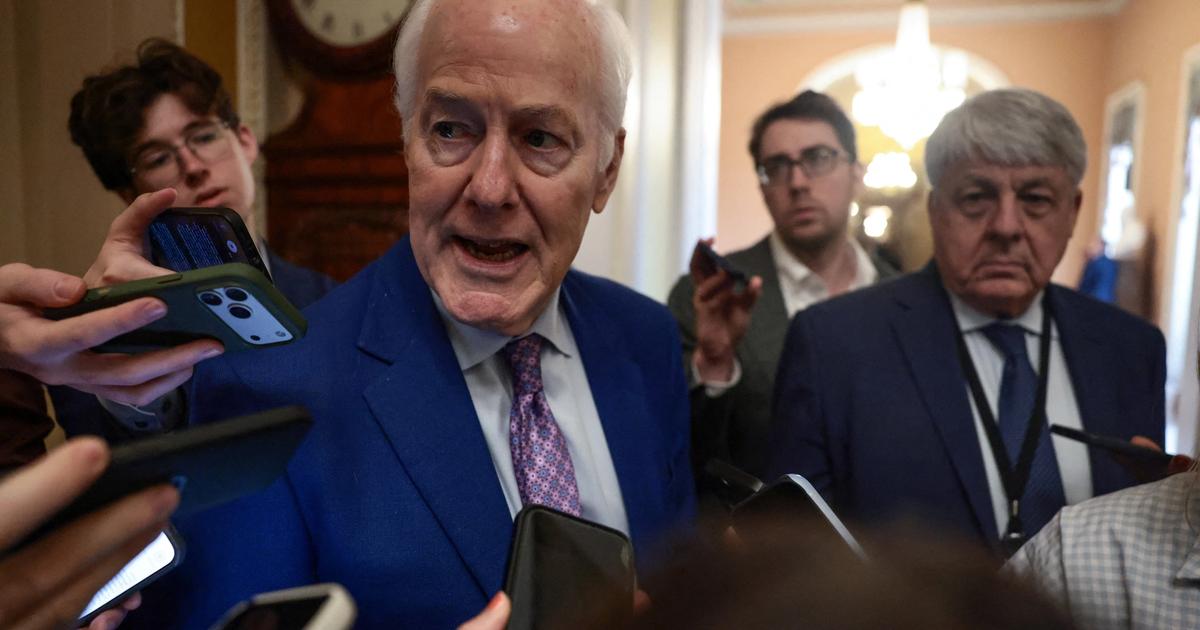
President Trump on Sunday told reporters his administration is "very seriously" considering a ban on diesel exports. asserted
administration → tell → exports
Calls to restrict exports of U.S.-refined diesel have picked up in recent weeks, mostly from Republican lawmakers, as a lever they believe will help lower prices. asserted
they → restrict → prices
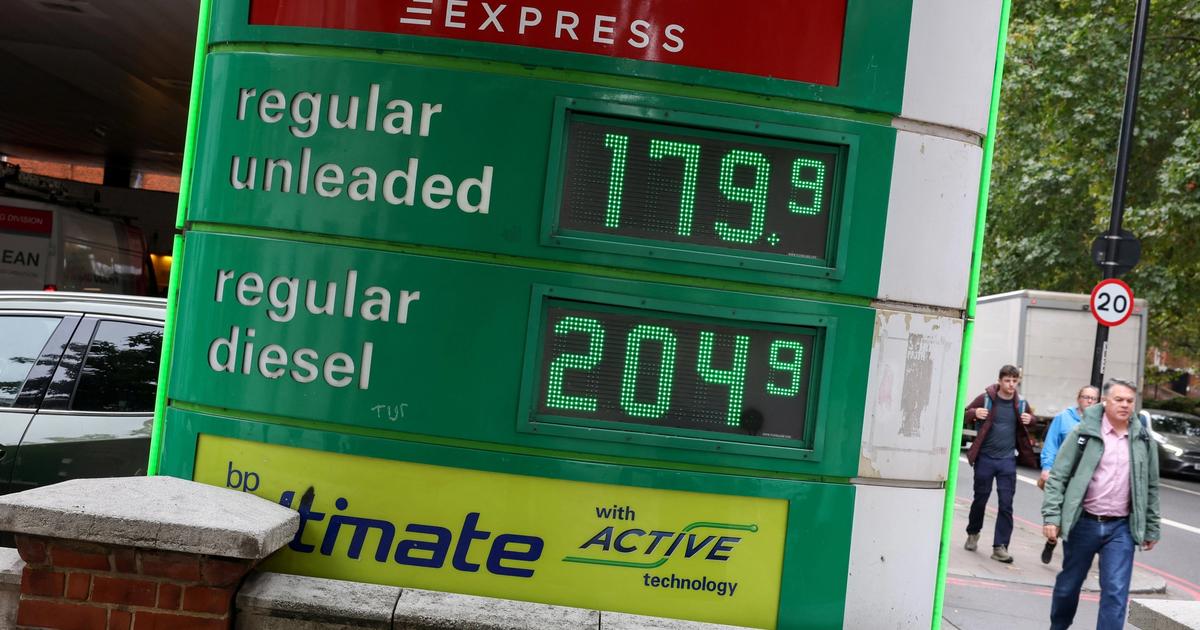
Diesel hit a record $6.53 a gallon on Sept. 22, and has only eased slightly since then, slipping to $6.45 a gallon on Monday, according to AAA data. uncertain
Diesel → hit → data
Supporters of an export ban note that U.S. energy companies refine more diesel than Americans can consume, resulting in net exports of about 1.5 million barrels a day, according to S&P Global Energy. uncertain
Americans → note → Energy
By halting those exports, the thinking goes, domestic diesel prices would drop due to a flood of fresh supply, lowering costs for farmers, commercial trucking companies and thousands of other businesses that rely on the fuel. asserted
that → halt → fuel
How much would a diesel export ban lower prices? asserted
ban → lower → prices
Goldman Sachs estimated that a diesel export ban could cut prices by about 25 cents a gallon while refiners have storage space for their excess diesel production. uncertain
refiners → estimate → production
However, once diesel storage reached capacity, each additional week a ban was in place could cause gas prices to jump by 30 cents per gallon, according to the investment bank. uncertain
prices → reach → bank
"The longer a diesel export ban lasts, the more disruptive it would likely be by putting upward pressure on gasoline prices because diesel, gasoline and jet fuel are largely produced together," Goldman Sachs analysts said in the report. asserted
analysts → last → report
"Therefore, downward pressure on diesel production can mean downward pressure on gasoline production, i.e. upward price pressure on gasoline." asserted
pressure → mean → gasoline
The White House didn't immediately respond to a request for comment. asserted
House → respond → comment
Although diesel prices would likely initially drop if an export ban were to be introduced, U.S. energy companies would respond by cutting their refining output, according to industry experts. uncertain
companies → drop → experts
Gasoline is refined alongside diesel, so a drop in production would also reduce gas supplies, driving up prices for U.S. consumers. asserted
drop → refine → consumers
American Fuel & Petrochemical Manufacturers, a trade group for energy producers, warned Friday that blocking refiners from exporting excess diesel supplies would cause them "to cut fuel production overall, including gasoline, putting upward pressure on prices and increasing America's reliance on imported fuel. asserted
them → warn → fuel
" Shifting the cost burden to gas Wood Mackenzie, an energy consulting company, also predicts that Americans could face sharply higher gas prices if the Trump administration implemented a full diesel export ban. uncertain
administration → shift → ban
"The irony of a U.S. diesel export ban is that it would likely increase costs for American consumers," Alan Gelder, an analyst at Wood Mackenzie, said in a statement. asserted
Gelder → increase → statement
"Cutting crude runs to manage the oversupply would shift the cost burden from diesel to gasoline, meaning a policy designed to bring relief at the diesel pump could end up driving prices higher at the gasoline pump. uncertain
policy → cut → pump
" If an export ban extended longer than 30 days, cracks would appear in the economics of refining diesel and gas, according to JPMorgan analysts. " uncertain
cracks → extend → analysts
Refiners can't indefinitely produce excess supply. asserted
Refiners → produce → supply
And since a refinery can't simply stop making diesel while continuing to produce the same amount of gasoline, crude runs eventually would have to fall," JPMorgan analysts wrote in a Sept. 24 report. asserted
analysts → stop → report
"At this point, some of the initial price relief would begin to reverse — the opposite of what policymakers want." asserted
policymakers → begin → what
💬Give feedback
🕘History 🎫Support