Artificial Intelligence researchers think we may create a “new species” of superintelligent machines, but caution against the US allowing China to gain an upper hand.
uncertain
China → think → hand
Two longtime researchers — one widely considered an AI “optimist” and the other an AI “doomer” — agreed to debate, mediated by The Post, where they discussed not trusting the China, how to avoid disaster and how “self-regulation is a joke.”
“I was wrong,” University of Washington professor and AI entrepreneur Oren Etzioni, told The Post.
asserted
Etzioni → consider → Post
“I still retain some optimism.
asserted
I → retain → optimism
But I now see the things I thought were many, many years away [are] coming soon, at a pace that we may not be able to anticipate.”
uncertain
we → see → that
Tegmark, founder of the Future of Life Institute, is surprised authorities haven’t stepped in, adding: “I never imagined that the people in America with the most power would let companies get so close to things that one could lose control over without intervening.
uncertain
one → surprise → control
“Companies are just openly saying, well, we’re going to build super intelligence.
asserted
we → say → intelligence
His concern is when we reach “recursive self-improvement,” or the point at which AI can start improving itself and reproducing: “The turning point is… when it becomes better than humans at AI research.”
asserted
it → reach → research
However, both agreed the simplest way of keeping AI from going over the edge is by keeping it siloed, with different machines taking on different tasks.
asserted
machines → agree → tasks
“I think what we need to do… is to design systems carefully and smartly so that we box them in,” he said.
asserted
he → think → them
Tegmark agreed: “By default, machines should be given the least amount of access and power that they need to do their job.
asserted
they → agree → job
“You don’t give every janitor in the Pentagon the nuclear codes…
asserted
You → give → codes
A self-driving car… doesn’t actually know anything about bioweapons because it doesn’t need to, and it does not have the nuclear codes, and most importantly does not have superhuman persuasion abilities.”
asserted
it → drive → abilities
The Trump administration has remained steadfast in its commitment against stepping in to curb AI, noting the top companies should stop themselves from creating tech they can’t control.
asserted
they → remain → tech
However, Trump announced on Sept. 19 he would appoint a new AI adviser and create an “AI Force.”
asserted
he → announce → Force
AI companies such as Anthropic and OpenAI have been vocal in calling for more regulation over the last month, which smaller companies in the field say would likely stifle their progress.
asserted
companies → call → progress
Anthropic CEO Dario Amodei also put forward a plan for the top companies to pick who regulates them, which both Tegmark and Etzioni found ridiculous.
asserted
Tegmark → put → them
“Self-regulation is a joke,” Etzioni said.
asserted
Etzioni → say → ?
“We’ve seen this with the social media companies and what they’ve done.
asserted
they → see → what
This is the big tobacco moment for high tech, [and] we don’t want to spend another 20 years to find out that AI companies didn’t exercise the appropriate level of self-discipline.”
asserted
companies → want → discipline
Tegmark and Etzioni — who co-founded a company acquired by Anthropic earlier this year
asserted
- → co → Anthropic
— are both in favor of a regulatory board, similar to the FDA, to ensure AI developers are making technologies that are helpful, rather than harmful, to humanity.
asserted
that → ensure → humanity
“Start treating AI companies like other companies where they just have to meet some basic standards before they can get rich off of them
asserted
they → treat → them
,” Tegmark said.
asserted
Tegmark → say → ?
“That will channel all the upside — the good things about capitalism — to make the companies themselves put a lot of effort into making the product safer.”
asserted
product → channel → effort
Tegmark said, after years of becoming more and more pessimistic about humanity’s future, he’s feeling “much more optimistic” now that concern about AI is going mainstream.
asserted
concern → say → AI
Earlier this month, he convened a Pro-Human Assembly in DC, where everyone from Richard Blumenthal to Bernie Sanders and Steve Bannon convened in agreement that we need to regulate AI.
asserted
we → convene → AI
“I was on the stage, and I got to introduce Bernie Sanders and Steve Bannon back to back, which had not been on my bingo card,” he said.
asserted
he → get → card
But Etzioni jumped in: “You’re right that it’s amazing that these two folks have come together.
asserted
folks → jump → ?
But, at the same time, can you imagine two worse demagogues?…
asserted
you → imagine → demagogues
I am terrified of exactly this thing that Max is talking about: is [AI regulation] becoming a political hobby horse, which politicians will cynically manipulate to their own ends?”
asserted
politicians → terrify → ends
This was their ironic disagreement: even though they agree no regulating AI, a once-pessimistic Tegmark is optimistic about the path we’re headed down, while a once-optimistic Etzioni is more cautious.
asserted
Etzioni → agree → path
Etzioni warned that, if we get too caught up in the populist backlash, we might jump to unhelpful, short-sighted solutions which ultimately backfire.
uncertain
which → warn → solutions
“I am terrified of what the democratic process does, particularly when it sets its mind to regulate something that we don’t understand, particularly when it does so out of fear,” Etzioni said, emphasizing that he believes democracy is the best political system, albeit an imperfect one.
asserted
democracy → set → one
“We need to have good solutions, not popular ones.
asserted
We → need → solutions
I worry more about human stupidity… than about artificial intelligence.”
asserted
I → worry → intelligence
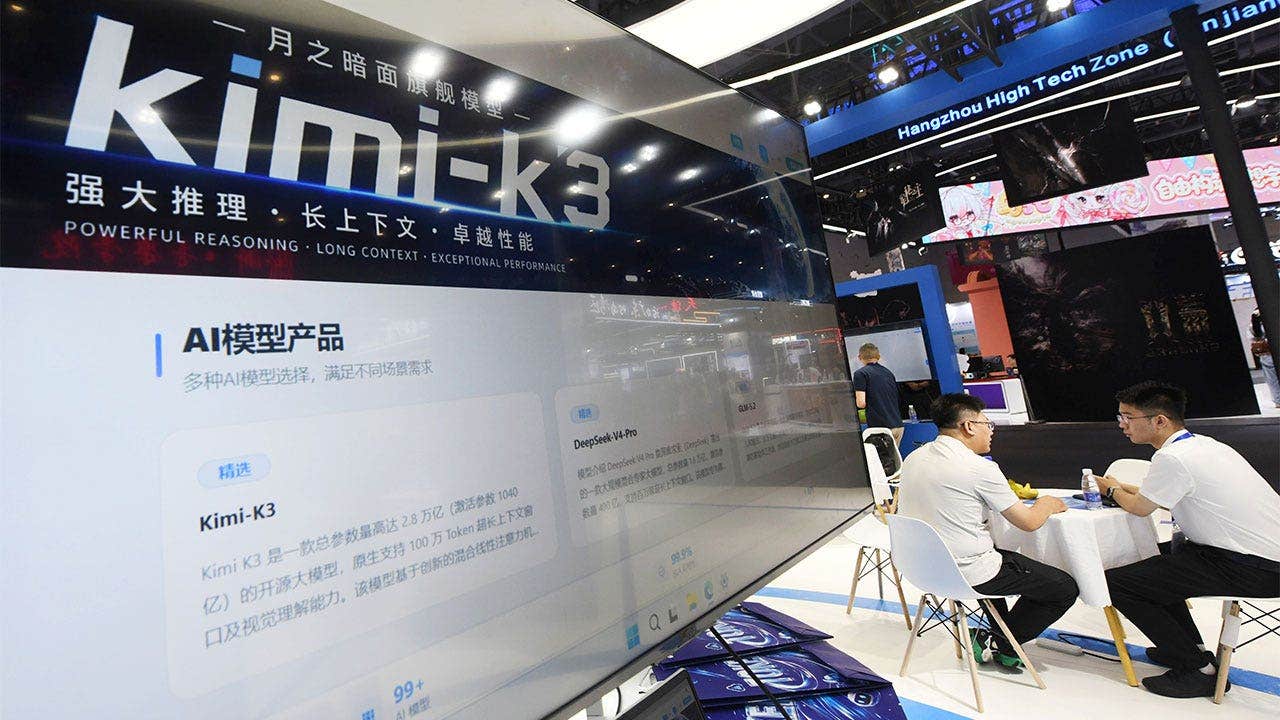
The biggest concern, Etzioni said, is that an American rush to regulate AI could empower China to surpass our capabilities.
uncertain
rush → say → capabilities
“I don’t trust the Chinese at all,” Etzioni said.
asserted
Etzioni → trust → Chinese
“Nothing would make them happier than us hamstringing ourselves while [they take] the front seat…
asserted
they → make → seat
We need to be mindful of the adversarial race with China, not delude ourselves that our interests are aligned.”
asserted
interests → need → ourselves
But Tegmark disagreed, and expressed his belief that China must be reaching the same conclusion that super-intelligent AI is against the interest of all nations, regardless of who develops them.
asserted
who → disagree → them
…and 6 more, not listed.
 The Aporia