The Aporia
Patnaik, P. (2026, September 29). 8 US Marines hurt in previously unreported Iranian strikes; possible brain injuries. Times of India. https://timesofindia.indiatimes.com/world/us/8-us-marines-hurt-in-previously-unreported-iranian-strikes-possible-traumatic-brain-injuries-report/articleshow/134556127.cms
Patnaik, Prisha. “8 US Marines hurt in previously unreported Iranian strikes; possible brain injuries.” Times of India, 29 Sept. 2026, https://timesofindia.indiatimes.com/world/us/8-us-marines-hurt-in-previously-unreported-iranian-strikes-possible-traumatic-brain-injuries-report/articleshow/134556127.cms.
Patnaik, Prisha. “8 US Marines hurt in previously unreported Iranian strikes; possible brain injuries.” Times of India, September 29, 2026. https://timesofindia.indiatimes.com/world/us/8-us-marines-hurt-in-previously-unreported-iranian-strikes-possible-traumatic-brain-injuries-report/articleshow/134556127.cms.
Dated when The Aporia collected the article, usually within hours of publication. Check the original for its exact date and byline.
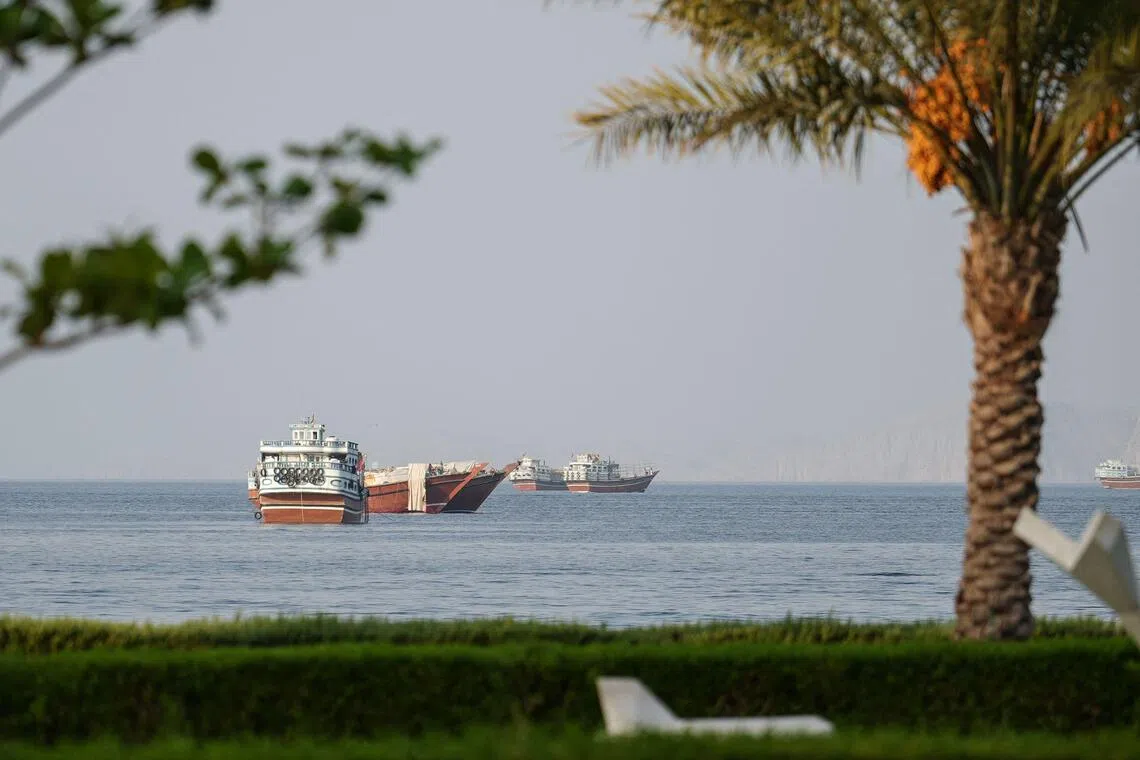
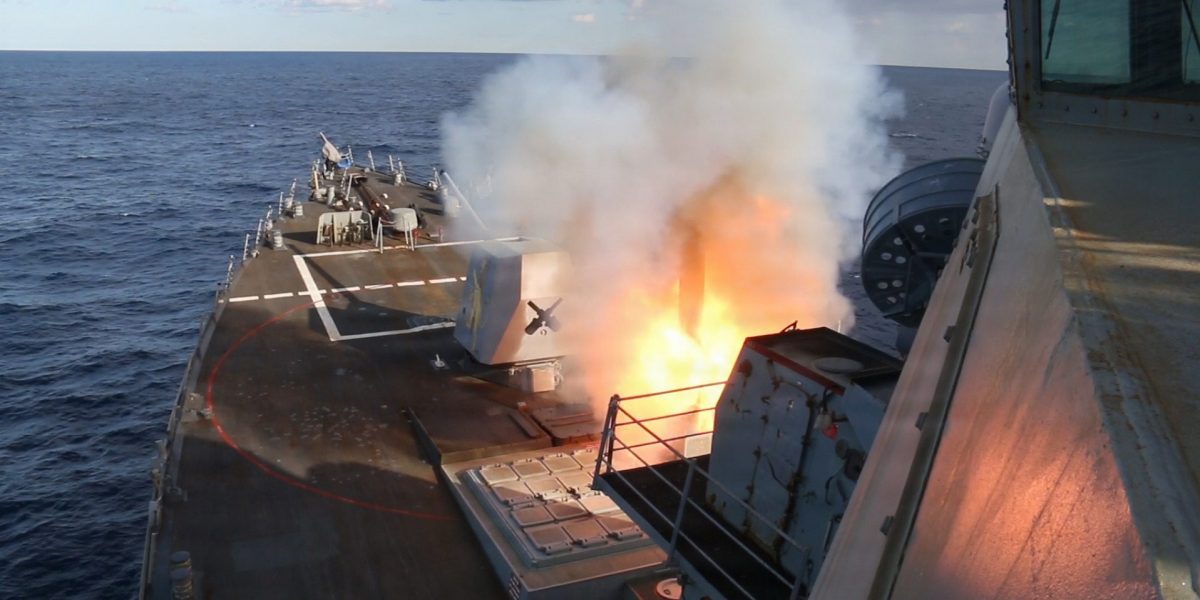
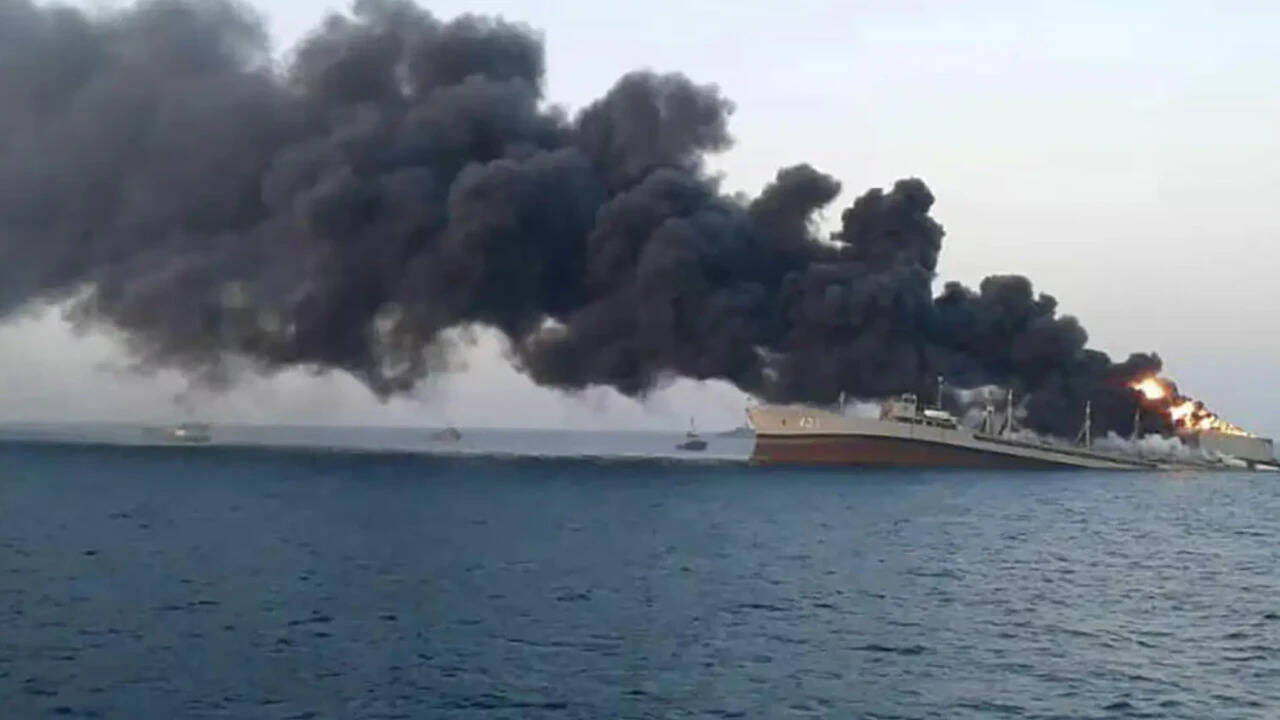
On September 14, an Iranian cruise missile struck a non-US Navy maritime vessel in the Strait of Hormuz, injuring eight US Marines aboard. The attack caused smoke inhalation and potential traumatic brain injuries to these service members, who were part of a battalion landing team; seven were enlisted personnel and one was an officer. None of the injuries were considered severe enough to keep them out of duty for long. However, it took about 10 days before the Pentagon officially acknowledged these casualties in their Defense Casualty Analysis System (DCAS). This delay has led some critics to accuse Secretary of War Pete Hegseth of covering up the incident. The timing and nature of reporting such injuries have become part of a broader debate over transparency and casualty documentation during military conflicts.