On May 1, 2003, nearly two months after launching the invasion of Iraq, the then U.S. President George W. Bush landed on the deck of the aircraft carrier USS Abraham Lincoln, which was off the San Diego coast after returning from combat operations in the Persian Gulf.
uncertain
which → launch → Gulf
Arriving in a Lockheed S-3 Viking and dressed in a flight suit, Mr. Bush posed for photographs with pilots and crew members.
asserted
Bush → arrive → pilots
A few hours later, he announced the end of major combat operations in Iraq.
asserted
he → announce → Iraq
“In this battle, we have fought for the cause of liberty and for the peace of the world.
asserted
we → fight → world
Our nation and our coalition are proud of this accomplishment, yet it is you, the members of the United States military, who achieved it,” Mr. Bush said from the flight deck of the carrier.
asserted
Bush → achieve → carrier
Above him hung the warship’s now-famous banner: “Mission Accomplished”.
asserted
banner → hang → him
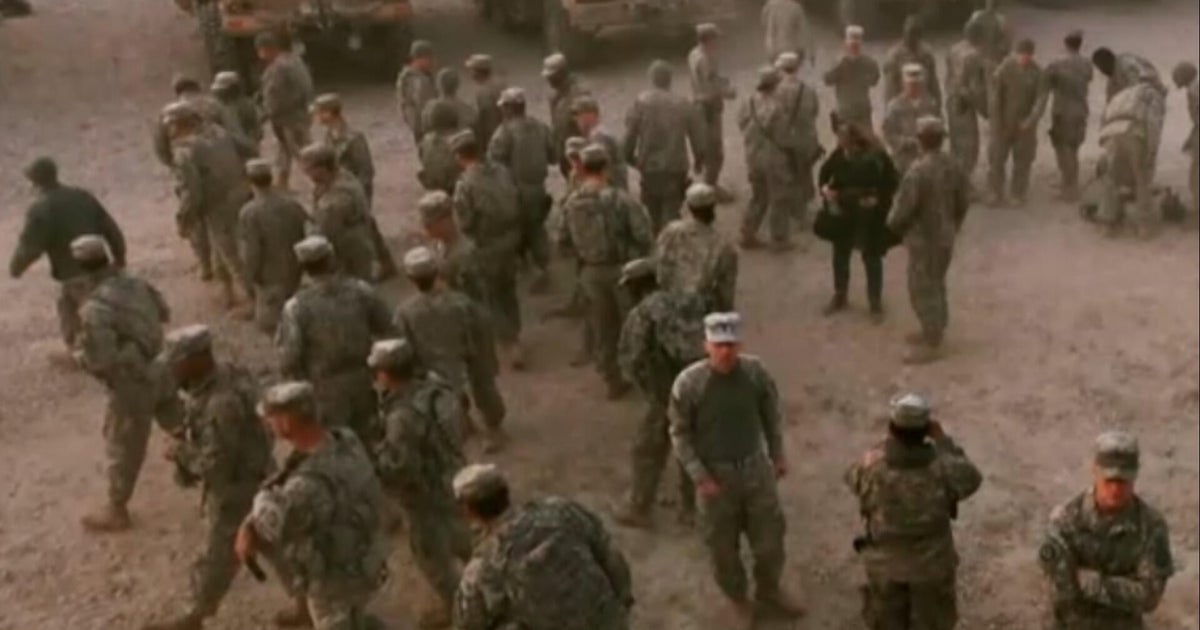
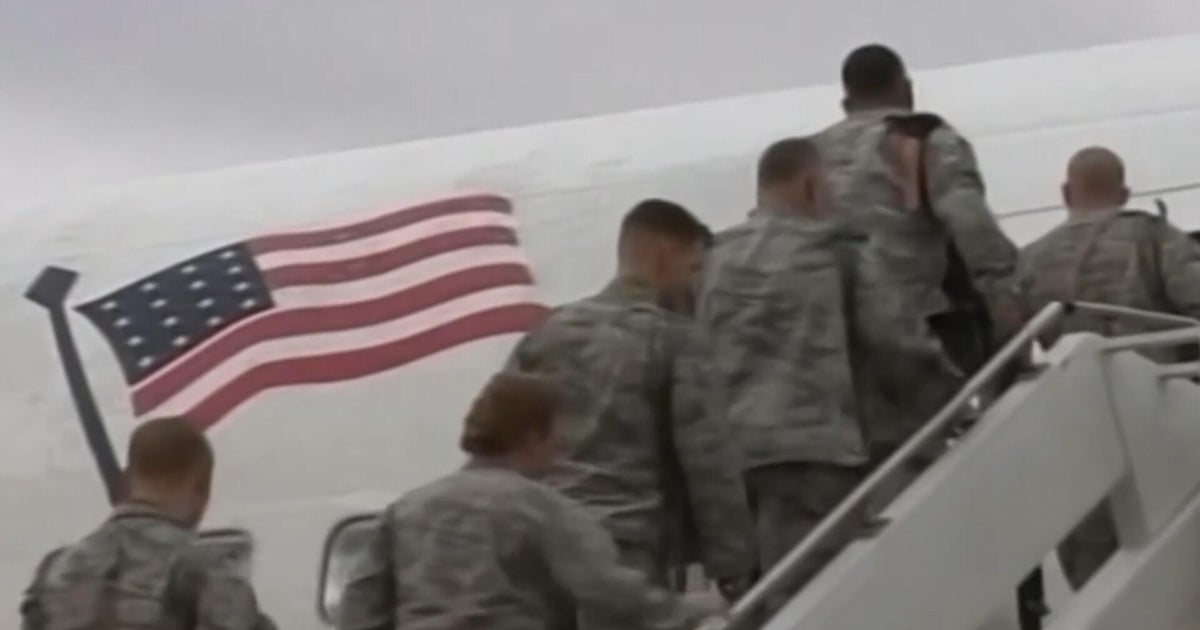
On September 30, more than 23 years after Mr. Bush gave his “mission accomplished” speech, the U.S. forces withdrew from their last military base in Iraq, wrapping up their combat operations and leaving the country in the hands of a divided government and powerful Iran-backed Shia militias.
asserted
forces → give → government
Iran, which is currently at war with the U.S., and the militias have welcomed the U.S. withdrawal as a victory.
asserted
which → welcome → victory
Stuck in Iraq
The U.S. invaded Iraq saying Saddam Hussein’s regime had possessed weapons of mass destruction and harboured al-Qaeda terrorists.
asserted
regime → stick → terrorists
Before launching the attack, Mr. Bush had grouped Iraq, Iran, and North Korea together as the ‘Axis of Evil’, indicating that Iran could be the next target.
uncertain
Iran → launch → Evil
The claim about weapons of mass destruction turned out to be false.
uncertain
claim → turn → destruction
Al-Qaeda gained a foothold in Iraq only after the U.S. invasion toppled the Saddam Hussein regime.
asserted
invasion → gain → regime
Al-Qaeda in Iraq (AQI), one of the most violent branches of the terrorist organisation, later transformed into the Islamic State of Iraq and Syria (ISIS) and spread terror across the region and beyond.
asserted
Al → transform → region
Iraq also fell into a deadly sectarian civil war between Shias and Sunnis.
asserted
Iraq → fall → Shias
Saddam’s Iraq, which had fought an eight-year-long war with Iran, had remained a buffer between the Islamic Republic and Gulf monarchies.
asserted
which → fight → Republic
Once Saddam was gone, Iran, which had built historical ties with Iraq’s Shia parties that had been suppressed by the Baathist regime, extended and deepened its reach.
asserted
that → go → reach
It also supported Shia militias with money, weapons and training to trap U.S. forces, as Tehran feared that the U.S. could turn against Iran next if it managed to stabilise Iraq.
uncertain
it → support → Iraq
Over the past 23 years, the U.S. had spent some $1.7 trillion and lost 4,500 troops in Iraq.
asserted
U.S. → spend → Iraq
Hundreds of thousands of Iraqis were also killed during the war.
asserted
thousands → kill → war
In 2011, the then President Barack Obama had announced an end to U.S. combat operations in Iraq.
asserted
Obama → announce → Iraq
But after the Islamic State captured huge swathes of territory in Iraq, including Mosul, the second largest city, U.S. troops returned to fight IS terrorists.
asserted
troops → capture → terrorists
Since then the U.S. had retained some 2,500 troops, mostly in its bases in Erbil, in Iraqi Kurdistan.
asserted
U.S. → retain → Kurdistan
All these troops are now being withdrawn.
asserted
troops → withdraw → ?
Some marines will remain in the country to protect U.S. diplomatic missions — besides the Embassy in Baghdad, the U.S. has a large consulate in Erbil.
asserted
U.S. → remain → Erbil
U.S. military contractors would continue to help the Iraqi army maintain its F-16 fleet and U.S.-made tanks.
asserted
army → continue → fleet
President Trump says Iraq can now take care of its own security and hence the U.S. troops are no longer needed.
asserted
troops → say → security
U.S. troops came under increasing attack from Iran-backed Shia militias in recent years.
asserted
troops → come → years
Even though the Iraqi government has pushed them to disarm, it has faced severe resistance.
asserted
it → push → resistance
After the U.S. war on Iran began on February 28, the militias, loosely called Popular Mobilisation Units (Hashad al-Shabi), have stepped up their attacks on U.S. forces.
asserted
militias → begin → forces
In the first two months of the war, Iran and the Shia militias launched more than 600 attacks on U.S. military and diplomatic facilities in Iraq.
asserted
Iran → launch → Iraq
The U.S. found it increasingly difficult to keep a large group of troops in a region that’s turning hostile, and Mr. Trump decided to stick to the Biden-era deadline of completing the withdrawal by September 30.
asserted
Trump → find → September
Even though Iran built deep influence in Iraq through Shia political parties and militias after the American invasion, the presence of U.S. troops and an autonomous Kurdistan closely aligned with Washington provided a counterweight, maintaining a balance between the two rival centres of power.
asserted
presence → build → power
With the U.S. troops leaving, that balance could tilt further in Iran’s favour.
uncertain
balance → leave → favour
Iranian attacks have already forced Washington to substantially reduce its military presence across the Persian Gulf region.
asserted
attacks → force → region
When U.S. air strikes killed Abu Mahdi al-Muhandis, the commander of Hashad, along with Qassem Soleimani, in January 2020, many saw it as a major blow to Iraq’s Shia militias.
asserted
many → kill → militias
Six years later, as U.S. troops leave the last of their bases in Iraq, Hashad appears to be more deeply entrenched than ever.
asserted
Hashad → leave → Iraq
 The Aporia