Photo via The Sydney Morning Herald

Nine Australians die of breast cancer every day. So why do we underestimate the disease?

Read the original at The Sydney Morning Herald ↗
Cite

Hendley, S. (2026, October 1). Nine Australians die of breast cancer every day. So why do we underestimate the disease? The Sydney Morning Herald. https://www.smh.com.au/lifestyle/health-and-wellness/nine-australians-die-of-breast-cancer-every-day-so-why-do-we-underestimate-the-disease-20261001-p611g9.html?ref=rss&utm_medium=rss&utm_source=rss_feed

Dated when The Aporia collected the article, usually within hours of publication. Check the original for its exact date and byline.

The Sydney Morning Herald · collected 2026-10-01 · by Shona Hendley

Quick Summary

A survey funded by the National Breast Cancer Foundation (NBCF) reveals that many Australians misunderstand the severity and prevalence of breast cancer. Conducted among 1003 respondents during NBCF’s Breast Cancer Awareness Month campaign, the survey found that over half of participants underestimated daily deaths from breast cancer at nine per day, and a significant majority were unaware of the likelihood of recurrence or spread. Dr. Cleola Anderiesz, CEO of NBCF, emphasizes both the progress made in reducing death rates by more than 40% over three decades and the ongoing challenge breast cancer poses, highlighting the need for improved public understanding.
Written by AI on 2026-10-01, from this article's own text only (the story summary below draws on all the coverage).

AI analysis

Story summary

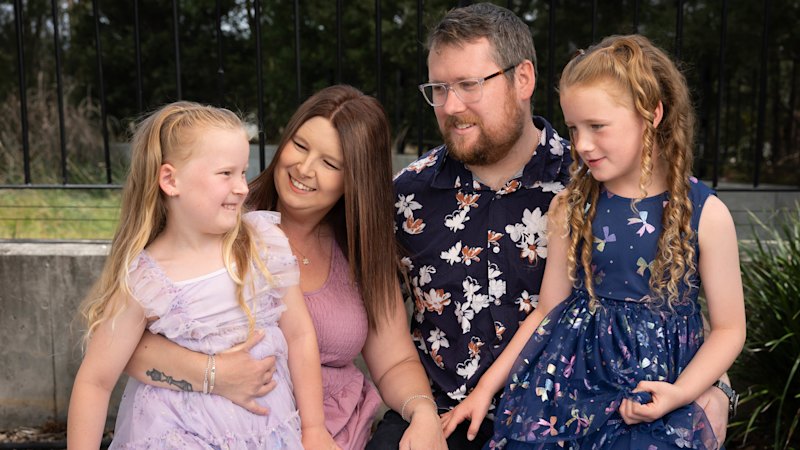
Before her diagnosis with stage 4 metastatic breast cancer at age 33 in 2025, Sydney resident Chontaine Adair had a skewed perception of the disease. A new survey funded by the National Breast Cancer Foundation (NBCF) as part of their "Unfinished Stories" campaign revealed significant public misperceptions about breast cancer. The survey, completed by 1003 respondents, found that 64% underestimated the annual number of diagnoses, 84% underestimated the likelihood of recurrence and spread, and 51% underestimated the daily number of Australian deaths from breast cancer, which is nine per day. Adair’s experience reflects these findings, as she was unaware of breast cancer risks at her age and influenced by media that primarily targeted older women for mammogram screenings.

Written for “Breast Cancer Awareness” on 2026-11-04, grounded in this article and the 0 other(s) covering the same event.

Story

📰 Breast Cancer Awareness
Health · 1 article(s) covering the same event.

Compared with similar articles

This article reads unscored and hedges 11% of its claims. Each row says how that neighbour differs.
The Guardian
Hedges 2 of 28 claims Outlet record 66/100
“Article A focuses on breast cancer awareness and personal stories of a young patient, while Article B discusses rising rates of multiple types of early-onset cancers among younger people in England, the US, and the Netherlands.”
How this article was measured signals, leaning charts, publisher record, byline, topics and claims

Signals How these are calculated →

Claims extracted
28
sentences that state something as happening or true
Uncertain
11%
3 of 28 hedged ("reportedly", "may", "according to")
Leaning
not political
takes no side on a contested political question
Publisher signals
61/100
The Sydney Morning Herald's corrections and hedging, across everything collected from it. Not a measure of accuracy.
Outlets on this story
1
Health
Same framing elsewhere
1
articles that frame the event the way this one does
Analyzed 2026-10-01 · how these are computed

How this is being covered How these are calculated →

Article leaning vs. publisher reliability
Source leaning vs. consistency

Publisher

The Sydney Morning Herald · 6074 article(s) · 15 correction(s) detected
Running correction rate · 15 correction(s)

Who wrote this

Shona Hendley
13 article(s) here · 1 carrying a prediction
🔮 “Even if it’s a bought meal, I’ll bulk it up with extra broccoli and maybe add some olives and roasted capsicums to snack on with a bit of cheese beforehand.
🔮 It may be on the Bundeena waterfront, but this newly built property has been inspired by the Bahamas.
🔮 Behind the timeless façade, you will find an interior with quality finishes and natural light, designed for family living and entertaining.
2026-10-02 · assertive framing · Five of the best homes in inner Melbourne for sale now
🔮 “I just didn’t think it could happen at my age, and I had a mindset that it couldn’t happen to me,” says Adair, who is based in Sydney.
🔮 But you may not want to leave the property.
2026-09-30 · assertive framing · Our five favourite luxury homes by the coast for sale
🔮 With a marble gas fireplace, veranda access, a fitted timber walk-in robe, and a luxurious dual-vanity ensuite featuring a private steam sauna, a double shower, an automatic toilet, and a heated towel rail, this Clifton Hill home has a main bedroom suite you may never want to leave.
🔮 Behind mature gardens, you will find “Stratford”, a 1927 California bungalow that grabs your attention with its preserved facade and leadlight windows.
Also by Shona Hendley
Five of the best homes in Melbourne from a bygone era
2026-10-09 · The Sydney Morning Herald
Nothing else under this byline is closely related to this article, so these are simply their most recent.
All 13 articles by Shona Hendley →

Topics

Adair Australians NBCF Sydney the National Breast Cancer Foundation

Subjects

Adair PERSON · 3× NBCF ORG · 3× Australia GPE · 1× Australians NORP · 1× Chantel Thornton PERSON · 1× Chontaine Adair PERSON · 1× Cleola Anderiesz PERSON · 1× Sydney GPE · 1× Thornton PERSON · 1× the National Breast Cancer Foundation ORG · 1×

Narrative

The survey, completed by 1003 respondents, found that 64 per cent underestimated the number of people diagnosed each year, 84 per cent underestimated the likelihood of recurrence and spread, and 51 per cent underestimated the number of Australians who die from breast cancer each day.
framing: assertive · carried by 1 article(s) · first seen 2026-10-01
🔮 “I just didn’t think it could happen at my age, and I had a mindset that it couldn’t happen to me,” says Adair, who is based in Sydney.
2026-10-01 · The Sydney Morning Herald
Nine Australians die of breast cancer every day. So why do we underestimate the disease? · assertive framing

Claims (28 extracted, 3 hedged)

Before 33-year-old Chontaine Adair was diagnosed with stage 4 metastatic breast cancer in 2025, she had a very different perception of the disease. asserted
she → diagnose → disease
“I just didn’t think it could happen at my age, and I had a mindset that it couldn’t happen to me,” says Adair, who is based in Sydney. uncertain
who → think → Sydney
This misconception, says the mother of two, was partly shaped by age-specific cancer-screening advice. asserted
mother → say → advice
“I didn’t know anyone in their early thirties with breast cancer, and any ads regarding checks like mammograms, for example, show older women and even mention, ‘If you are [a certain] age, get tested’, and this age was always older. asserted
age → know → women
They were not directed to younger women,” Adair explains. asserted
Adair → direct → women
A new survey, funded by the National Breast Cancer Foundation (NBCF) as part of their Breast Cancer Awareness Month campaign, Unfinished Stories, has revealed that, as in Adair’s case, there is a disconnect between public perception and the reality of breast cancer today. asserted
survey → fund → cancer
The survey, completed by 1003 respondents, found that 64 per cent underestimated the number of people diagnosed each year, 84 per cent underestimated the likelihood of recurrence and spread, and 51 per cent underestimated the number of Australians who die from breast cancer each day. asserted
who → complete → cancer
Additionally, it found that nearly two-thirds (64 per cent) now see breast cancer as more manageable than other cancers, and over half (53 per cent) believe treatment advances have fundamentally altered public perceptions of the disease. asserted
advances → find → disease
Dr Cleola Anderiesz, chief executive of the NBCF, believes these findings reflect progress achieved through decades of research, including reducing Australia’s breast cancer death rate by more than 40 per cent over the past three decades, but also highlight a perception gap. asserted
findings → believe → gap
“Research has transformed breast cancer outcomes. asserted
Research → transform → outcomes
Yet breast cancer remains one of our most significant health challenges,” she says. asserted
she → remain → challenges
“The biggest gaps we’re seeing are around the scale and ongoing impact of breast cancer. asserted
we → see → cancer
Many people underestimate how many people are diagnosed each year [approximately 20,000], how likely breast cancer is to return or spread, and how many lives are still lost to the disease every day [approximately nine].” asserted
lives → underestimate → disease
Specialist breast cancer surgeon Dr Chantel Thornton, who was not involved in the research, says that from her experience and among her patient cohort – predominantly premenopausal women – it’s very uncommon for them not to take the diagnosis seriously, but that some do underestimate the disease. “Patients may underestimate the fact that breast cancer can metastasise to other organs, and therefore it is harder to treat them for a cure,” she says. uncertain
she → involve → cure
Additionally, Thornton says some “people don’t understand that all breast cancers are not the same and different subtypes can infer different survival”. asserted
subtypes → say → survival
A lack of understanding, or incorrect perception, can pose a range of risks at the individual level. asserted
lack → pose → level
“When people underestimate the seriousness of breast cancer, they may also underestimate the importance of breast awareness, screening and seeking medical advice about breast changes,” says Anderiesz. uncertain
Anderiesz → underestimate → changes
It can also have a much broader effect, particularly in supporting ongoing research into the disease. asserted
It → have → disease
Breast cancer still remains the second leading cause of cancer death in Australian women, says Professor Belinda Parker, NBCF-funded researcher at the Peter MacCallum Cancer Centre. asserted
Parker → remain → Centre
“Breast cancer is not just one disease; it changes. asserted
it → change → ?
Everyone has their own individual cancer, and so some people have a type of cancer that has a very poor survival rate, and we can’t forget about those women.” asserted
we → have → women
Parker says continued investment in research is critical to build on the progress made and to investigate other areas of breast cancer that haven’t received as much attention. asserted
that → say → attention
“We haven’t really made a big dent in women who get metastatic cancer, so when their cancer has spread to other sites … we also haven’t really made a big difference for treating diseases that have spread to the bone,” she says. asserted
she → make → bone
“What we really need to do is focus on either preventing the deadly types of breast cancer or being able to target them head-on, and that’s where research is critical.” asserted
research → need → them
Now, nearly a year after Adair’s diagnosis, following radiation and ongoing hormone-targeted treatment, her mindset and perception of breast cancer have changed. asserted
mindset → follow → cancer
“I know now that it can happen to anyone at any age, and I now know breast cancer looks different for everyone, and that different types require different treatments. asserted
types → know → treatments
Another key takeaway for Adair is that she now recognises the benefits of cancer research firsthand. asserted
she → recognise → research
“My targeted therapy is the result of research, and hopefully more treatment options will be developed by research in the future to help me give me time to watch my girls grow up, and others live long, healthier lives. asserted
others → target → lives

💬Give feedback · no sign-in needed

No sign-in needed for now. Your note is sent without a name, so it cannot be answered.

🕘History 🎫Support