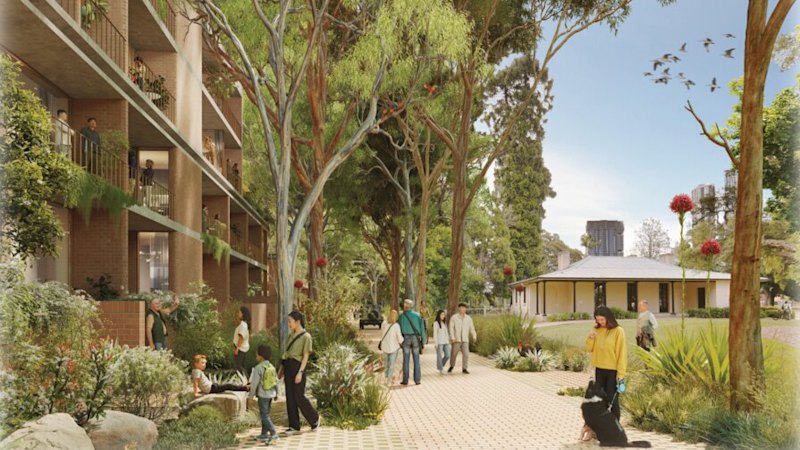
A fiery five-hour council meeting took a personal turn when the Woollahra mayor revealed she looked up the value of a pro-housing advocate’s home during a debate over plans to add 9400 homes to Sydney’s eastern suburbs.
asserted
she → take → suburbs
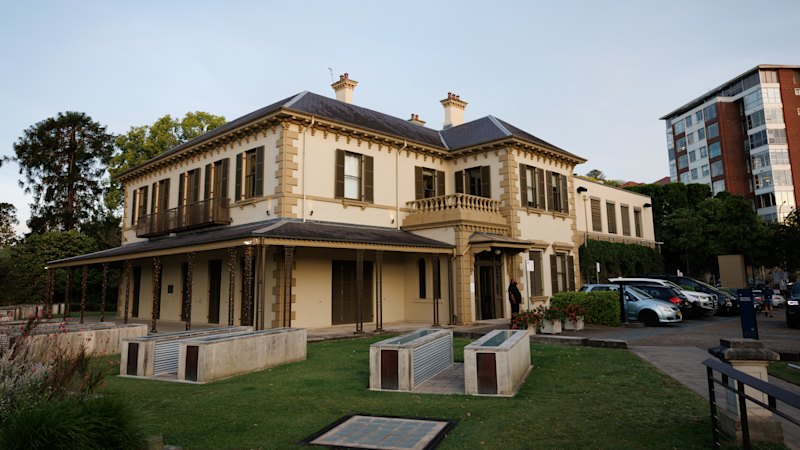
There was only one item on the agenda at Woollahra Council’s extraordinary meeting on Wednesday night – to finalise how the council would respond to the most significant rezoning of the eastern suburbs in decades.
asserted
council → be → decades
Under state government plans unveiled last month, housing density would be concentrated around Woollahra and Edgecliff train stations, building towers up to 32 and 34 storeys.
asserted
density → unveil → storeys
More than 10 pro-housing advocates spoke at the public forum and were met with staunch opposition and questioning from some of the 13 councillors who attended.
asserted
who → speak → councillors
The meeting featured numerous interjections and tetchy back-and-forth exchanges, and multiple points of order were called.
asserted
points → feature → order
At one point, Liberal mayor Sarah Dixson said she was “one word away” from calling an adjournment to turn the temperature down.
asserted
she → say → temperature
About 40 minutes into the five-hour-long meeting, it was a personal question that almost tipped the temperature in the room to boiling point.
asserted
that → tip → point
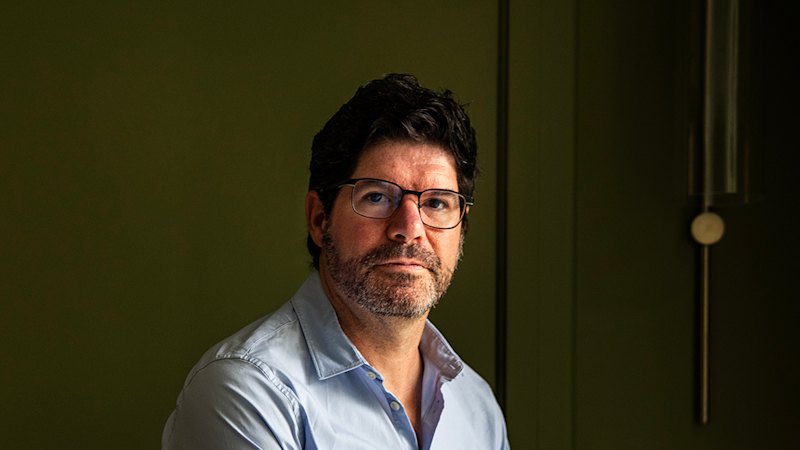
It began when councillor Mary-Lou Jarvis asked Sydney YIMBY’s chair Justin Simon if he could afford to buy a freestanding house with a median price of $5.4 million in Elizabeth Bay, quoting figures from realestate.com.au.
“I could not afford to buy a house in Woollahra [council area] anywhere,” Simon responded.
uncertain
Simon → begin → area
Dixson interjected and revealed she had looked up Simon’s home address before he spoke at the meeting: “Hang on, I mean, I’ve looked at the cost of your house, and you certainly could afford to, you certainly could.
“The cost of his home, according to realestate.com, is more than the average price in Woollahra.”
uncertain
cost → interject → Woollahra
So you’ve taken my address that I signed up for to speak at council, and you’ve then gone and looked up my home on realestate.com?
asserted
you → take → realestate.com
That’s such a bizarre …
asserted
That → ’ → ?
”
“Yes, because realestate.com is such a reliable source of information,” Dixson quipped.
asserted
Dixson → quip → information
Before their terse exchange drew to a close, Simon called on the mayor to share where she lived or how much her house was worth, to which she responded curtly: “I don’t own a house.”
asserted
I → draw → house
Justin has since criticised Dixson for accessing his private address through a form he submitted to the council, and said it was a “gotcha moment” aimed at “launching personal attacks on speakers” if they did not agree with her views on the state government’s housing plan.
asserted
they → criticise → plan
“I’ve spoken at councils dozens of times over the last few years, and I’ve never had anything like this happen before,” he said.
asserted
he → speak → this
“How can people have confidence signing up to speak at Woollahra Council knowing that this is how their information is handled?
asserted
information → have → Council
This kind of privacy violation will have a chilling effect on community participation.”
asserted
kind → have → participation
To register to speak at public forums, members of the public fill out a form and provide their full name, address, phone number and email address.
asserted
members → register → name
Speakers must agree to a condition that states their face, voice and personal information will be recorded and publicly accessible on the council’s website.
asserted
face → agree → website
Asked why she accessed Simon’s address, Dixson said: “It’s publicly available information and was relevant to proving that claims made by the speaker were simply incorrect.
uncertain
claims → ask → speaker
“The vast majority of people who attended the meeting were there for all the right reasons.”
asserted
who → attend → reasons
Dixson did not respond when asked if she had breached the code of conduct or searched for the addresses of any other speakers, and she did not confirm if she accessed Simon’s details independently or through a council staff member.
asserted
she → respond → member
Simon said the mayor’s action strayed far from debate about public policy and was an attempt to turn the conversation personal.
asserted
action → say → conversation
“It potentially is a way to discourage participation from your opponents,” he said.
asserted
he → discourage → opponents
“It reflects the weakness of her position that she feels the need to fall back on that.”
asserted
she → reflect → that
Simon said he would submit a complaint to the Office of Local Government.
asserted
he → say → Government
Under Woollahra Council’s code of conduct policy, which sets the minimum standards of behaviour, integrity and performance expected, councillors must “only access council information needed for council business, and not use that council information for private purposes”.
asserted
councillors → set → purposes
Academic Andy Asquith, who researches governance matters in local councils, said the behaviour benchmarks had vague wording and therefore made it unclear whether the mayor had breached the policy.
“It’s not a level playing field – you expect everyone is playing by the same rules …
uncertain
everyone → research → rules
That sort of information is operational and should be accessed by a very small number of council employees, so the fact that the mayor accessed it is where the issue lies,” Asquith said.
asserted
Asquith → access → it
 The Aporia