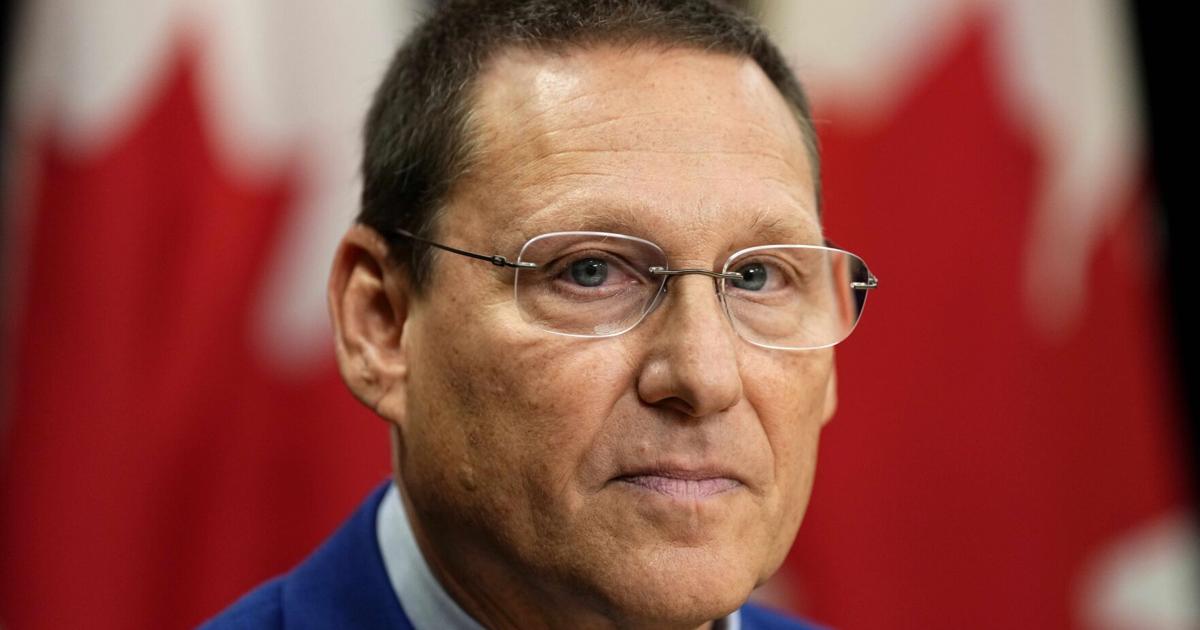
For quite a while, we’ve known that Mark Carney is not the climate warrior he was cracked up to be.
asserted
he → know → while
But only now is he starting to reveal just how far he’ll go in jeopardizing the slim remaining hope of averting climate disaster.
asserted
he → start → disaster
Even as the country recovers from scorching wildfires, our prime minister has just introduced a massive new subsidy for the fossil fuel industry.
asserted
minister → recover → industry
If you haven’t heard about it, that’s because it’s largely invisible.
asserted
it → hear → it
Ostensibly, the new measure has nothing to do with fossil fuels.
asserted
measure → have → fuels
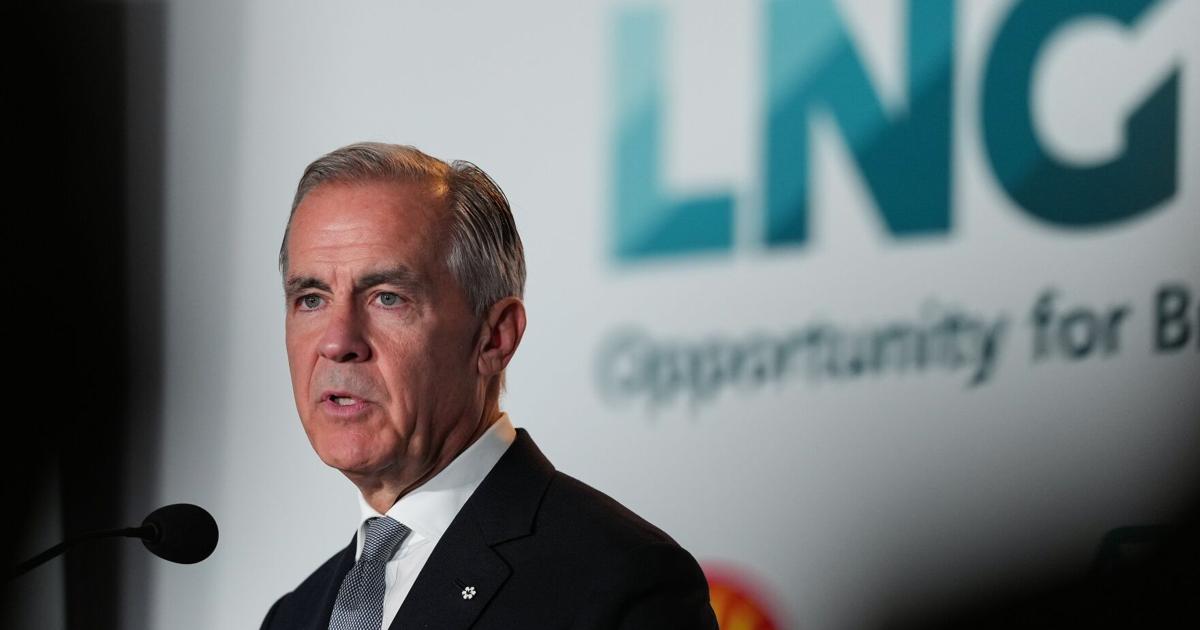
At his investment summit in Toronto last month, Carney announced a new “mega-deduction” corporate tax break.
asserted
Carney → announce → break
He didn’t mention fossil fuels.
asserted
He → mention → fuels
But the exceptionally generous new measure is tailor-made for the fossil fuel industry; indeed, it bears an uncanny resemblance to what was requested by the Big Oil lobby group, the Canadian Association of Petroleum Producers, in its prebudget submission in May 2026.
uncertain
what → make → May
The mega-deduction, expected to cost Ottawa $36 billion in tax revenue over five years, allows companies to immediately write off a range of capital investments.
asserted
companies → expect → investments
While it’s generated excitement throughout the corporate world, the new measure will be particularly beneficial to the fossil fuel industry, which makes huge investments in long-term assets like pipelines and Liquefied Natural Gas (LNG) facilities, notes Marc Lee, a senior economist with the Canadian Centre for Policy Alternatives.
asserted
Lee → generate → Alternatives
The benefits for the fossil fuel industry are clearly deliberate: similar fast-write-off deductions were introduced in 2018 and expanded in later federal budgets, but those measures were specifically targeted towards clean energy and low-carbon projects.
asserted
measures → write → projects
Now pipelines and high-carbon facilities can qualify for the exceptionally generous new writeoffs, which are also permanent, whereas the earlier ones were time-limited.
asserted
ones → qualify → writeoffs
Lee points out that Ottawa is stepping in to reduce the uncertainty the fossil fuel industry faces, as the world tries to wean itself off fossil fuels.
asserted
world → point → fuels
With Ottawa sweetening the deal considerably through the mega-deduction’s tax benefits, oil and gas companies will be more likely to make major investments they might otherwise consider too risky.
uncertain
they → sweeten → investments
The mega-deduction certainly reduces the risk in the just-announced deal for expanding the LNG project in Kitimat, B.C.
“This project can move ahead only because Canadians are footing part of the bill,” insists Alex Walker of the group Environmental Defence, which maintains that LNG facilities have a climate impact “worse than almost any other fossil fuel.
asserted
facilities → reduce → fuel
For years, environmentalists have argued that Ottawa should, at the very least, remove the enormous subsidies it provides the oil and gas industry — subsidies far larger than those for renewable energy.
asserted
it → argue → energy
Ottawa has only complied half-heartedly.
asserted
Ottawa → comply → ?
Rather than focusing on transitioning us to renewable energy, Carney is heavily subsidizing future infrastructure that keeps us using oil and gas — and let the damn trees burn!
The corporate world’s excitement is reflected in a banner front-page story in the Globe and Mail heralding the mega-deduction as opening the door to tax reform — the kind long dreamed of by the corporate elite.
asserted
excitement → focus → elite
Since the mega-deduction will mean the loss of billions of dollars of tax revenue, a key question emerges: how will the country make up all that lost revenue?
asserted
country → mean → revenue
The solution highlighted in the two-page spread in the Globe is to shift more of the tax burden to sales taxes — with a suggested hike that would raise the HST in Ontario to 18 per cent.
uncertain
that → highlight → cent
Make no mistake who would end up paying for this.
asserted
who → make → this
The poor would be spared somewhat (with an enriched GST tax credit), leaving the middle class bearing the main load.
asserted
poor → spar → load
Carney is proving adept at dazzling international audiences, even as he jeopardizes fading hopes for a climate solution and delivers gigantic tax breaks to Canada’s corporate elite, which can’t wait to transfer even more of the country’s tax burden to the middle class.
asserted
which → prove → class
 The Aporia