Photo via NPR

AI data centers: How much are ratepayers on the hook for?

Read the original at NPR ↗
Cite

Neuman, S. (2026, October 1). AI data centers: How much are ratepayers on the hook for? NPR. https://www.npr.org/2026/10/01/nx-s1-5984949/data-centers-ai-ratepayers-congress

Dated when The Aporia collected the article, usually within hours of publication. Check the original for its exact date and byline.

NPR · collected 2026-10-01 · by Scott Neuman

Quick Summary

Congress is grappling with how to address concerns over the impact of AI data center growth on electricity rates for residential customers ahead of midterm elections. Republicans are pushing the Ratepayer Protection Act, which aims to hold large-load customers responsible for increased costs, while Democrats propose more stringent measures like the GRID Savings Act. The exact financial burden on ratepayers varies by state and utility but could amount to hundreds of millions in infrastructure costs, potentially adding $168 to $216 annually per Maryland customer due to data center growth.
Written by AI on 2026-10-01, from this article's own text only (the story summary below draws on all the coverage).

AI analysis

Story summary

Ahead of the midterm elections, Congress is grappling with voter concerns over AI data centers and their potential impact on electricity rates. 70% of Americans are worried that these centers will increase their bills. In this context, Ohio Republican Senator Jon Husted has introduced the Ratepayer Protection Act, which would require state utilities to consider holding "large-load" customers like AI companies responsible for increased costs. The bill passed the House in September with strong bipartisan support but faces opposition from Senate Minority Leader Chuck Schumer, who claims it does not adequately protect ratepayers. Democrats, such as Ohio candidate Sherrod Brown, are using this issue to criticize Husted's past support of data centers in Ohio. Despite the political maneuvering, determining exactly how much residential utility customers will be on the hook for these costs remains challenging due to the complexity involved.

Written for “AI Data Center Costs” on 2026-11-01, grounded in this article and the 0 other(s) covering the same event.

Story

📰 AI Data Center Costs
Politics · 1 article(s) covering the same event.

Compared with similar articles

This article reads leans left and hedges 2% of its claims. Each row says how that neighbour differs.
Fox News
Hedges 2 of 28 claims Outlet record 69/100
“The articles discuss related topics about AI data centers and their impacts but describe different aspects (debate manipulated by Cruz vs economic impact on ratepayers).”
CBS News
⚖️ Leans strongly left further left than this Hedges 21 of 318 claims Outlet record 66/100
“The articles discuss different aspects of AI data centers and their impacts, not the same specific incident or time.”
Washington Examiner
Hedges 3 of 23 claims Outlet record 70/100
“Article A discusses Google's commitment to cover the costs for a new solar and battery facility powering its data center in Arkansas, while Article B addresses broader legislative concerns about AI data centers' impact on electricity rates.”
Toronto Star
⚖️ Leans left Hedges 1 of 2 claims Outlet record 64/100
“The articles discuss different aspects of AI/data centers, one focusing on Capitol Hill's response to voter concerns and the other on Amazon's investment in data center communities.”
CBS News
Hedges 6 of 13 claims Outlet record 66/100
“The articles discuss different topics related to AI data centers but do not describe the same specific incident.”
NBC News
Hedges 3 of 47 claims Outlet record 60/100
“Article A discusses legislative debates on Capitol Hill about AI data centers, while Article B reports on a protest in San Francisco involving conservative activists and a tour bus. These are different events.”
Washington Examiner
⚖️ Leans left Hedges 1 of 23 claims Outlet record 70/100
“While both articles discuss data center legislation and its impact on ratepayers, they focus on different aspects: Article A discusses the partisan divide over a specific bill, while Article B focuses more broadly on the uncertainty surrounding costs for residential utility customers.”
New York Post
Hedges 0 of 14 claims Outlet record 66/100
“While both articles discuss the issue of AI data center costs and their impact on ratepayers, they do not describe the same specific incident or vote.”
How this article was measured signals, leaning charts, publisher record, byline, topics and claims

Signals How these are calculated →

Claims extracted
46
sentences that state something as happening or true
Uncertain
2%
1 of 46 hedged ("reportedly", "may", "according to")
Leaning
Leans left
of the writing, not the subject · beta estimate
Publisher signals
60/100
NPR's corrections and hedging, across everything collected from it. Not a measure of accuracy.
Outlets on this story
1
Politics
Same framing elsewhere
1
articles that frame the event the way this one does
Analyzed 2026-10-01 · how these are computed

How this is being covered How these are calculated →

Article leaning vs. publisher reliability
Source leaning vs. consistency

Publisher

NPR · 992 article(s) · 3 correction(s) detected
Running correction rate · 3 correction(s)

Who wrote this

Scott Neuman
6 article(s) here · 1 carrying a prediction
🔮 In a place where tourism, outdoor recreation and community are deeply intertwined, a gigantic power plant and data center campus in nearby Tucker County would bring large-scale development into the heart of it all.
🔮 The judge also granted a request from Pike's attorneys for "liberal access" to their client, ordering that prison officials will have two hours to respond to requests from lawyers for in-person visits with Pike.
🔮 But answering the question of how much of those costs will be shouldered by residential utility customers is surprisingly difficult to answer.
🔮 In addition, in a show of unity, media outlets who participate in joint, shared coverage of the White House – including NPR – have said they will not take audio and video from White House events until further notice.
🔮 It's more than a not-in-my-backyard issue, he says — it also reflects existential fears that artificial intelligence will take jobs or eliminate humanity entirely.
🔮 John Adams, meanwhile, saw in Gerry a stubborn streak that made him willing to fight over minor matters, writing that he "will risk great things to secure small ones." Alas, Gerry never got a beer named after him.
Also by Scott Neuman
Nothing else under this byline is closely related to this article, so these are simply their most recent.
All 6 articles by Scott Neuman →

Topics

Capitol Hill Congress Democrat Ohio PJM

Subjects

Capitol Hill ORG · 2× Democrat NORP · 2× Husted PERSON · 2× Ohio GPE · 2× PJM ORG · 2× Congress ORG · 1× Jon Husted PERSON · 1× Republican NORP · 1× Republicans NORP · 1× Sherrod Brown PERSON · 1×

Narrative

In the current environment where 70% of Americans are worried that data centers will increase their electricity bills, Waldoch says, "If you're saying, hey, this data center is actually paying a lot less for electricity than you are, even though it matters much less to them ... it's not like that's palatable for a lot of people at this point."
framing: assertive · carried by 1 article(s) · first seen 2026-10-01
🔮 But answering the question of how much of those costs will be shouldered by residential utility customers is surprisingly difficult to answer.
2026-10-01 · NPR
AI data centers: How much are ratepayers on the hook for? · assertive framing

Claims (46 extracted, 1 hedged)

Ahead of the midterm elections, Congress is scrambling to show that it understands voter concerns about AI data centers and their potential impact on electricity rates. asserted
it → scramble → rates
But answering the question of how much of those costs will be shouldered by residential utility customers is surprisingly difficult to answer. asserted
much → answer → customers
That uncertainty is at the heart of a growing fight on Capitol Hill, as lawmakers advance competing proposals aimed at protecting ratepayers in a debate that often belies the complexity of the underlying economics. asserted
that → grow → economics
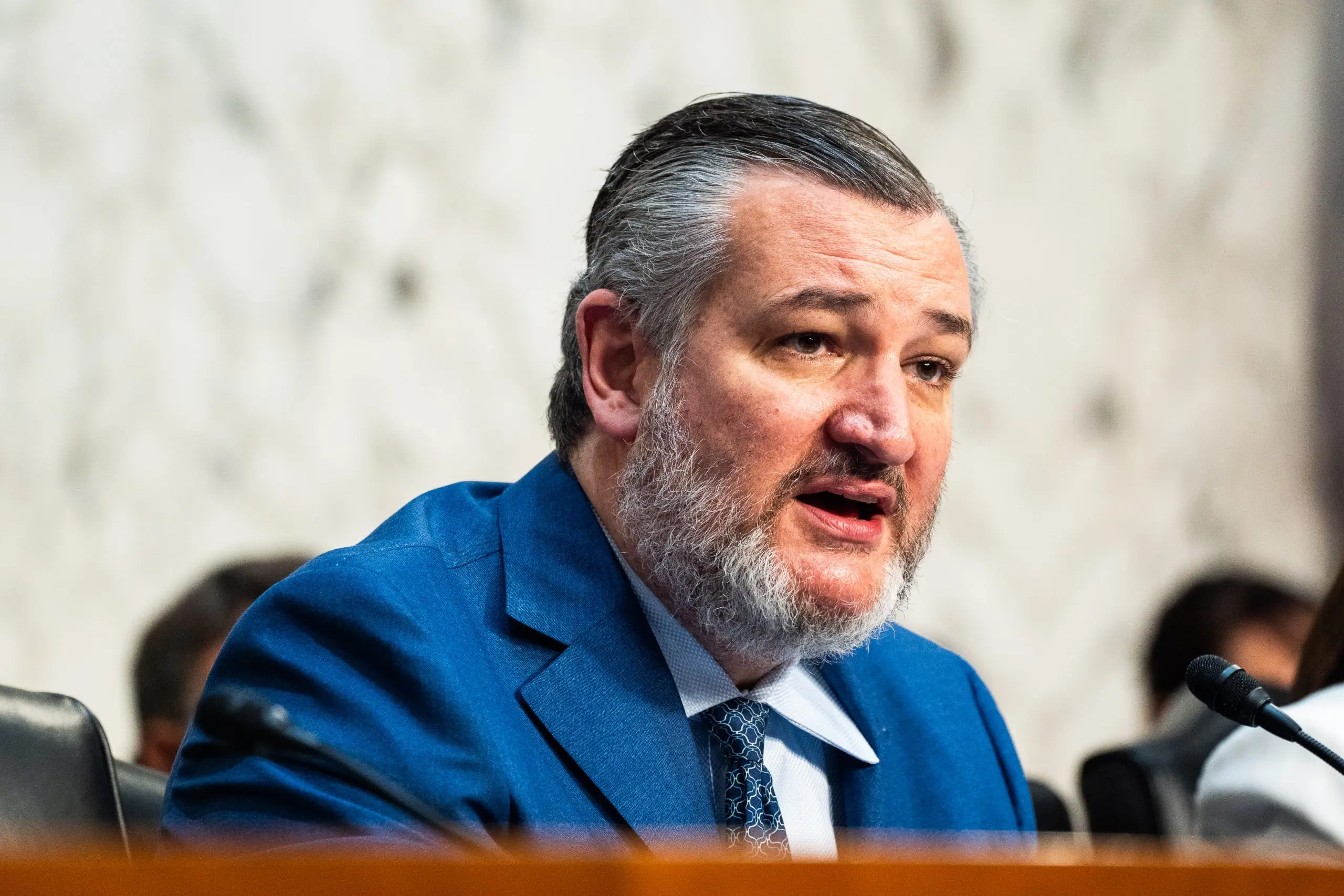
On Capitol Hill this week, Republicans have been trying to push through the Ratepayer Protection Act, sponsored by Ohio Republican Sen. Jon Husted. asserted
Republicans → try → Husted
The bill would have state utilities consider holding "large-load" customers responsible for the increased costs. asserted
customers → have → costs
Husted is in a heated reelection campaign against Democrat Sherrod Brown, who lost his Senate seat in 2024. asserted
who → lose → 2024
Brown has made Husted's past support of data centers in Ohio a major campaign issue. asserted
support → make → Ohio
The bill easily passed the House in September with strong bipartisan support. asserted
bill → pass → support
Minority Leader Sen. Chuck Schumer opposes the measure, saying its protections for ratepayers are voluntary. asserted
protections → oppose → ratepayers
Instead, Schumer is promoting the GRID Savings Act, a similar bill authored by New Mexico Democrat Sen. Martin Heinrich, which he says has more teeth. asserted
he → promote → teeth
Several other data center and AI-related bills are at various stages in the legislative process. asserted
bills → relate → process
The cost of AI is showing up in customers' bills The question of how much of the energy and grid costs are being borne by ratepayers is a complicated one and has no universal answer, experts tell NPR. asserted
experts → show → NPR
They say it varies by utility and state, but that in the end residential electricity customers will pay for a share of the AI buildout. asserted
customers → say → buildout
By one estimate, Maryland customers, for example, pay somewhere around $168 to $216 more per year on their electricity bills primarily due to the data center boom. asserted
customers → pay → boom
"We're talking tens to hundreds of millions of dollars [of infrastructure] that are being built by these local utilities," says Connor Waldoch, co-founder and chief strategy officer at Grid Status, which focuses on making electricity-market data easier to access and understand. asserted
data → talk → Status
"In many cases, it is just ultimately going to end up in customers' bills." asserted
it → go → bills
Tracking the impact of data center growth on residential bills isn't easy, however. asserted
Tracking → track → bills
How much of the increase is passed on to residential customers and when, depends on utilities' power-purchasing contracts, retail rates and regulatory decisions about who pays, according to Lucy Qiu, a professor at the School of Public Policy at the University of Maryland. uncertain
who → pass → Maryland
PJM is a regional transmission organization that coordinates the electricity grid and wholesale power market across 13 states and the District of Columbia. asserted
that → coordinate → Columbia
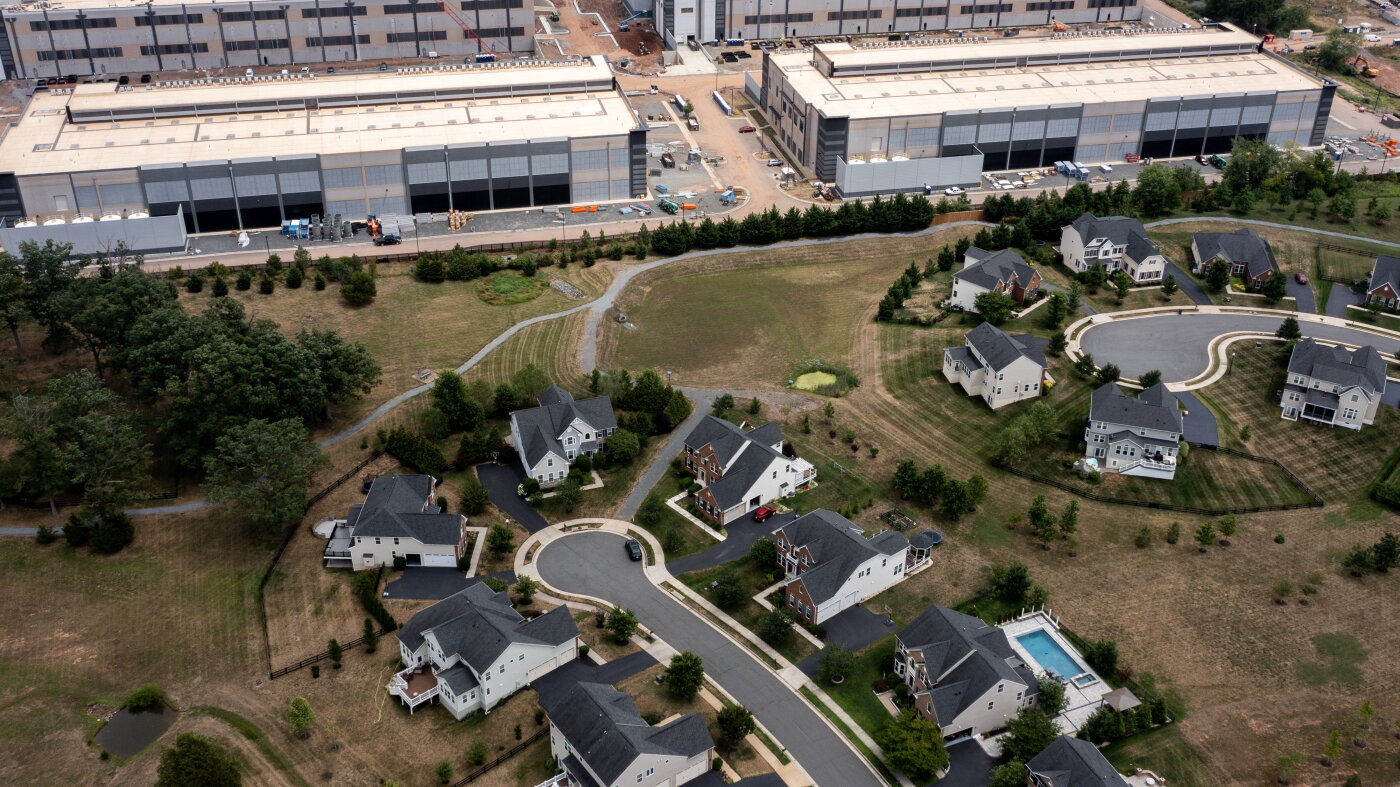
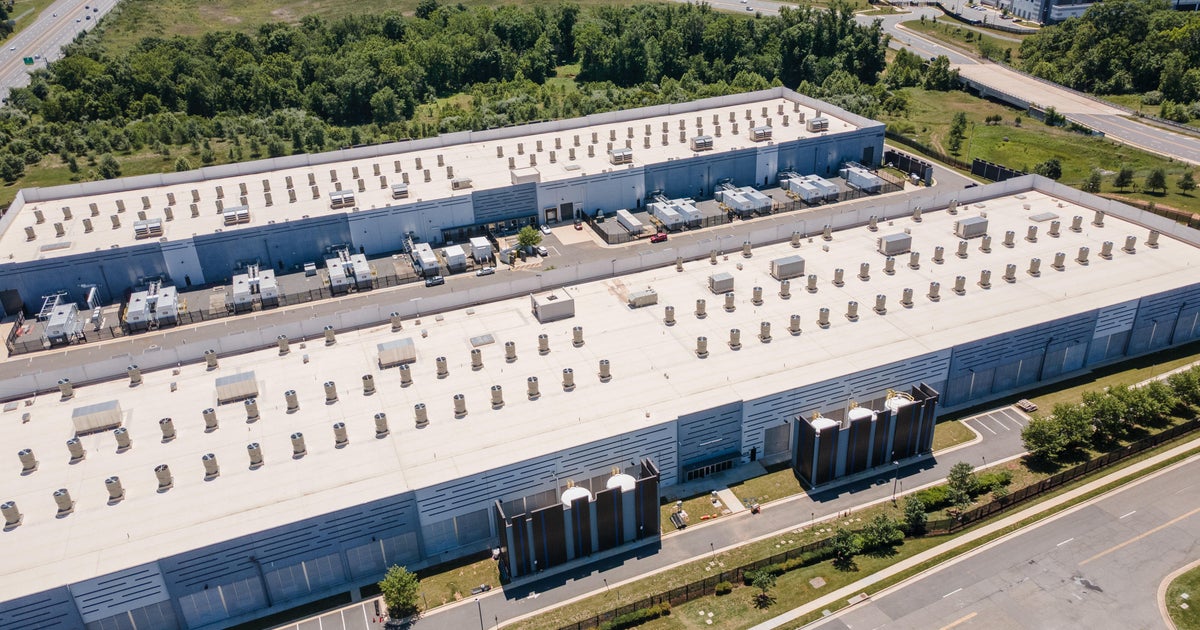
It supplies power to Northern Virginia, home to the largest concentration of data centers in the world. asserted
It → supply → world
PJM's Independent Market Monitor estimates that data centers have cost their 67 million ratepayers about $29 billion over roughly the past two years. asserted
centers → estimate → years
"Everyone pays those costs," says Ari Peskoe, director of the Harvard Electricity Law Initiative. asserted
Peskoe → pay → Initiative
"They're spread across the region to every business and resident that has an electricity meter. asserted
that → spread → meter
How to determine who the grid infrastructure benefits? asserted
infrastructure → determine → who
Data center growth can push up wholesale costs of energy by increasing demand. asserted
growth → push → demand
This determines how much generating capacity utilities and regional grid operators need to secure, Qiu says. asserted
Qiu → determine → capacity
Determining how much of that exclusively serves data centers — and how much also benefits other customers — is part of the difficulty in determining who gets the bill, she says. asserted
she → determine → bill
"It really depends on the scale of the upgrade and also how utilities are doing the accounting of that different share, whether it's being used solely by the data centers or also being shared by other customers," Qiu says. asserted
Qiu → depend → customers
Even so, "a single, clean number" that applies nationwide is just not possible, Harvard's Peskoe says, because "a lot of the data about how much particular data centers are paying is hidden behind non-disclosure agreements. asserted
centers → apply → agreements
Those NDAs have become a major sore spot on the local level, as residents opposed to new data centers call out local officials for the secrecy that has surrounded many deals. asserted
that → become → deals
A study last year by the University of Mary Washington found that NDAs had been signed in 80% of Virginia localities where there were existing, approved or proposed data centers. asserted
NDAs → find → localities
In an email to NPR, Jeremy L. Slayton, a spokesman for Dominion Energy, which serves Loudoun County, Va., home to about 250 data centers, said, "We recover costs for distribution and transmission infrastructure from customers." asserted
We → serve → customers
"These assets are core to the reliable electric service we provide our customers. asserted
we → provide → customers
All costs we recover from customers are reviewed and approved by the Virginia State Corporation Commission," he said, referring to the independent state agency that regulates public utilities. asserted
that → recover → utilities
Added costs of building out in a hurry There is still another factor at play, University of Maryland's Qiu says. asserted
Qiu → add → Maryland
The data center industry is in a hurry and waiting for new power-generation technologies doesn't seem to be in the cards. asserted
waiting → wait → cards
As a result, to meet the demand, utility companies will likely need to opt for less efficient power plants and those costs will be passed onto consumers over time, as well. asserted
costs → meet → time
One other consideration is optics, Waldoch of Grid Status says. asserted
Waldoch → say → Status
Big customers like AI data centers pay less per kilowatt hour for power than residential customers do. asserted
customers → pay → power
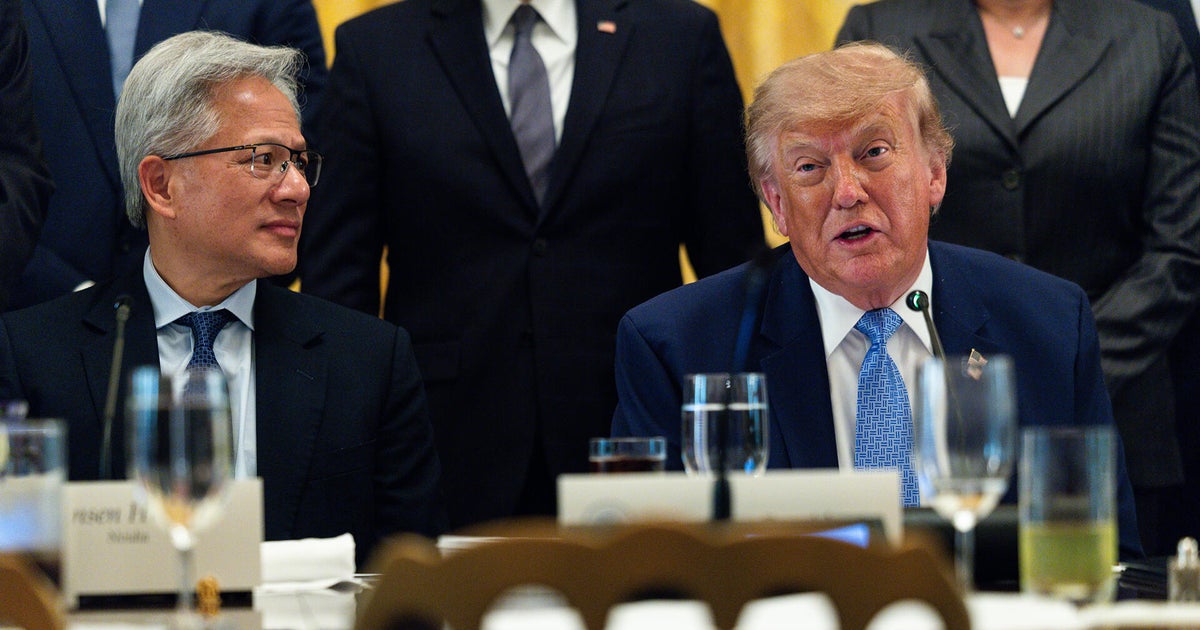
In the current environment where 70% of Americans are worried that data centers will increase their electricity bills, Waldoch says, "If you're saying, hey, this data center is actually paying a lot less for electricity than you are, even though it matters much less to them ... it's not like that's palatable for a lot of people at this point." asserted
that → worry → point
…and 6 more, not listed.

💬Give feedback
🕘History 🎫Support