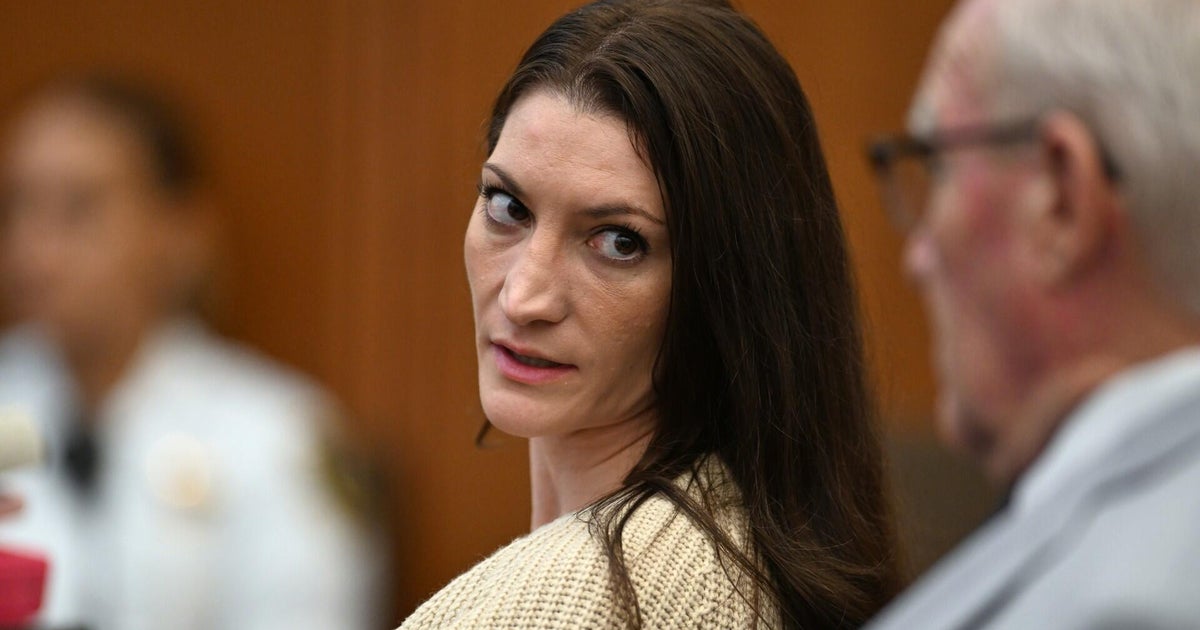
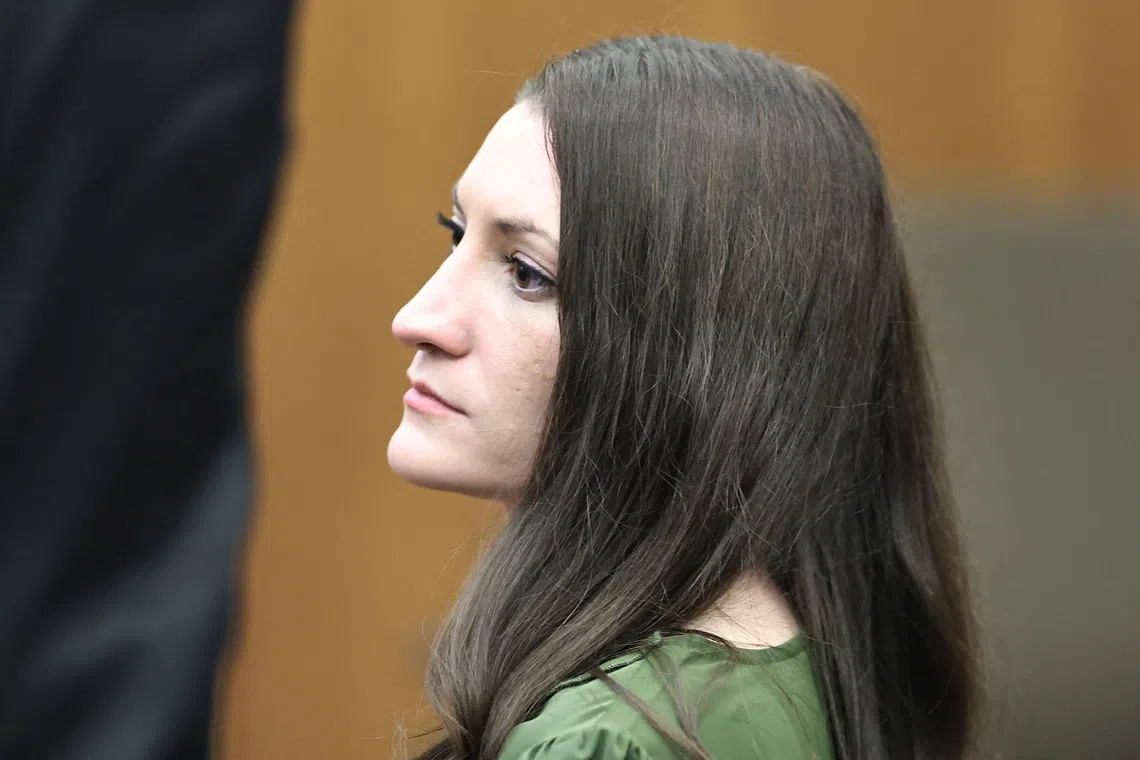
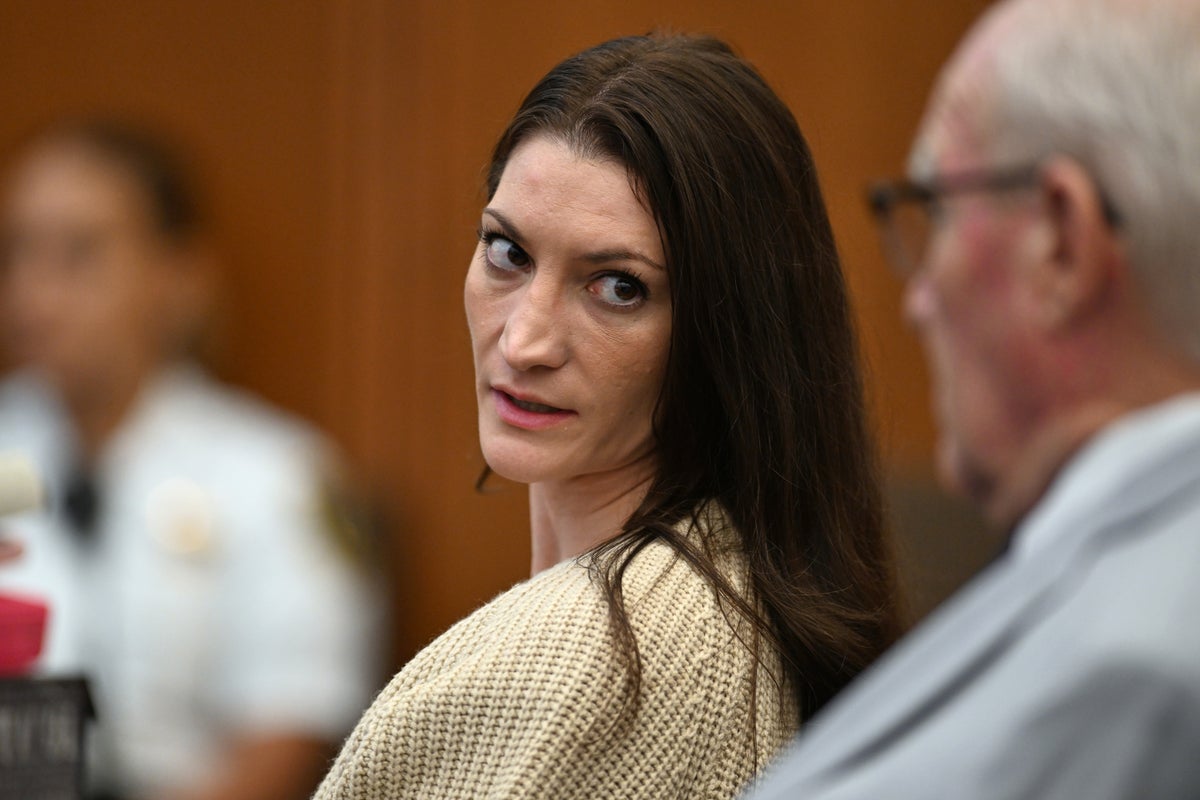
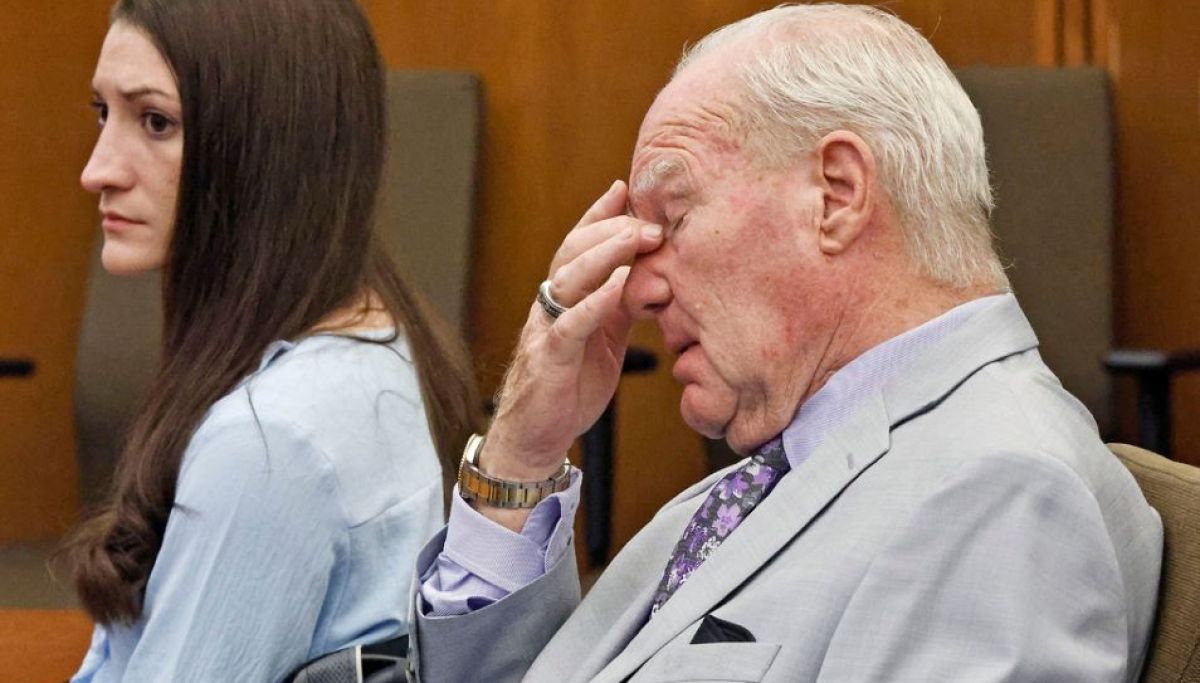
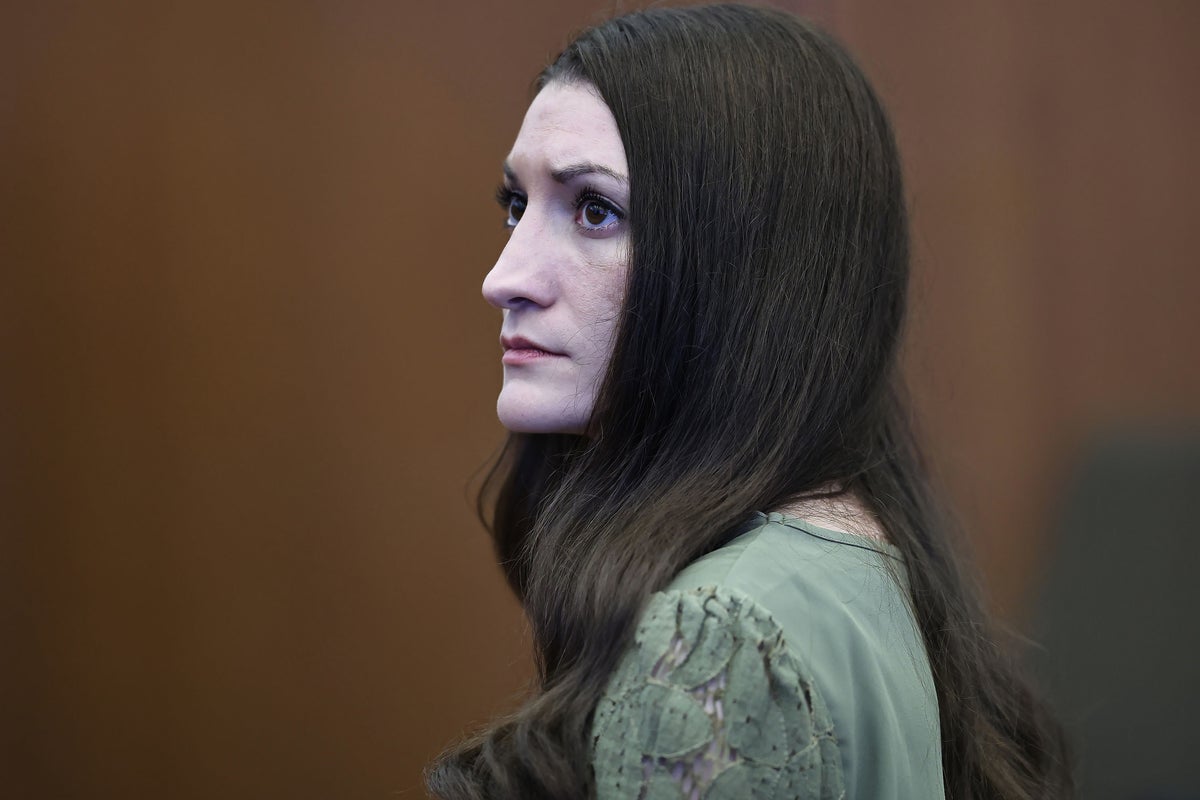
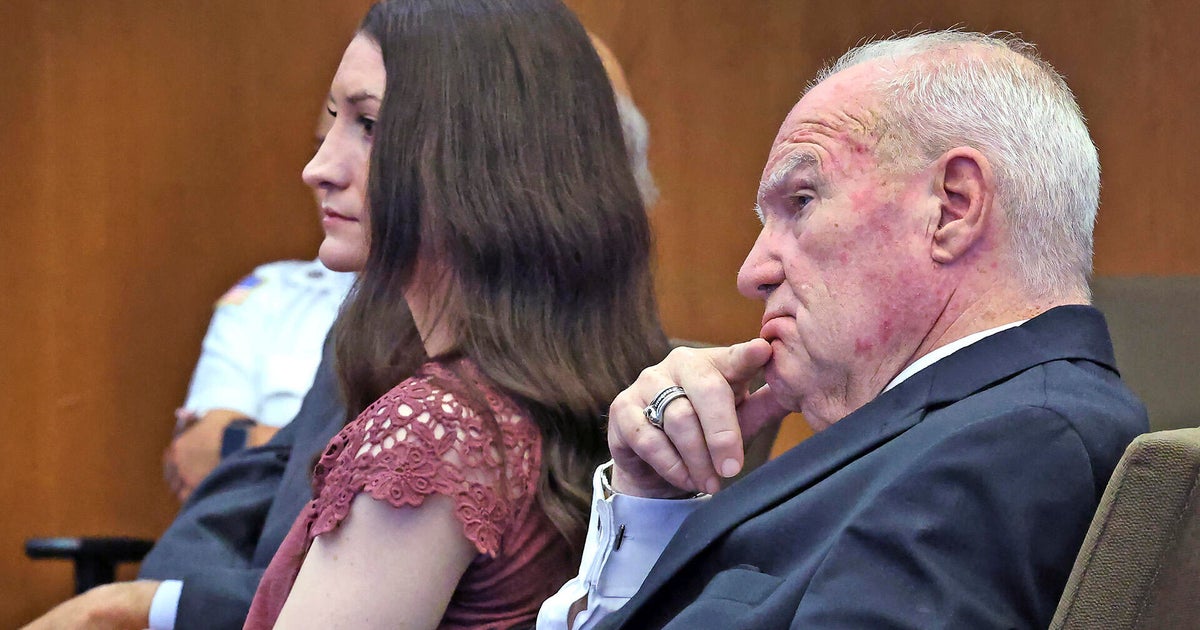
The judge in the Lindsay Clancy murder case has refused to declare her not guilty, turning down a defence motion that argued there was not enough evidence to prove she was responsible for killing her three children.
asserted
she → refuse → children
Warning: This story contains details of a crime that may be distressing for some readers.
uncertain
that → contain → readers
During Ms Clancy's first trial, which ended on September 4 with a deadlocked jury, her defence argued that she was not criminally responsible because of a mental illness, specifically a rare condition called postpartum psychosis.
asserted
she → end → illness
As such, the defence did not dispute the fact that the 36-year-old former labour and delivery nurse carried out the killings at her family's Massachusetts home in 2023.
asserted
nurse → dispute → 2023
However, in a hearing earlier this week, Ms Clancy's attorney Kevin Reddington tried to persuade the judge that prosecutors had not offered any proof that Clancy did it.
asserted
Clancy → try → it
Prosecutors argued there was plenty of evidence, calling Reddington's claim "laughable".
uncertain
Prosecutors → argue → claim
In his ruling, Judge William Sullivan noted that, for the purposes of his decision, he was required to analyse the evidence in the light most favourable to prosecutors — and that it was up to the jury, not the judge, to decide whether to believe expert witnesses for the defence who testified that Ms Clancy was not responsible for her actions because of mental illness.
asserted
Clancy → note → illness
"There was evidence introduced, both physical and circumstantial, that would permit a rational trier of fact to find beyond a reasonable doubt the elements of the charge of murder," Mr Sullivan wrote.
asserted
Sullivan → be → murder
Defence team pivots after mistrial
asserted
team → pivot → mistrial
At the first trial, prosecutors acknowledged that Ms Clancy had mental health problems that included months of treatment and a stay in a psychiatric hospital, but argued that she knew what she was doing when she strangled the children — the youngest just 8 months old — then tried to kill herself.
asserted
she → acknowledge → herself
Mr Sullivan had declared a mistrial with the jury split 11 to one in favour of acquitting Ms Clancy of murder charges.
asserted
jury → declare → charges
In Tuesday's hearing, Mr Reddington suggested the entire case "was based on speculation" and proceeded to list the shortcomings in the prosecution's case.
uncertain
case → suggest → case
There was almost no police investigation, he claimed, and significant questions revolving around Ms Clancy's condition outside the night of the killings and her lack of memory of what happened.
asserted
what → be → memory
At the trial, jurors heard testimony that Ms Clancy said she heard voices instructing her to kill 5-year-old Cora, 3-year-old Dawson and 8-month-old Callan Clancy.
asserted
she → hear → Cora
Her DNA was found on exercise bands used to strangle them.
asserted
DNA → find → them
Before the trial, Mr Reddington himself filed a motion in which he said Ms Clancy was willing to stipulate, in writing, to her involvement in the children's deaths.
asserted
Clancy → file → deaths
"For the first time, the defendant is arguing that there is no evidence she did this," Prosecutor Shanan Buckingham told the judge.
asserted
Buckingham → argue → judge
"I'd suggest to you the entire record is voluminous as to information supporting the fact that she did this."
Ms Clancy remains charged with murder and is expected to stay at a psychiatric hospital until her case is resolved.
asserted
case → suggest → hospital
Prosecutors have yet to decide whether to bring the case to trial for a second time.
asserted
Prosecutors → have → time
They could choose to retry her on first-degree murder charges or seek to try her only on lesser charges, including second-degree murder or manslaughter, or drop the case entirely.
uncertain
They → choose → case
Ms Clancy could have been sentenced to life in prison if convicted of murder.
uncertain
Clancy → sentence → murder
If acquitted, the judge could have ordered her confined to a mental health facility.
uncertain
her → acquit → facility
Her former husband, Patrick Clancy, who discovered the children's bodies, has said in interviews that he forgives her for the killings.
The live-streamed trial generated intense public interest and drew attention to maternal mental health after childbirth.
AP
asserted
trial → discover → childbirth
 The Aporia