The Aporia

Why are these endangered moths swarming Australia's east coast? (2026, October 1). BBC News. https://www.bbc.co.uk/news/videos/c6rr4r704en4o?at_medium=RSS&at_campaign=rss
“Why are these endangered moths swarming Australia's east coast?” BBC News, 1 Oct. 2026, https://www.bbc.co.uk/news/videos/c6rr4r704en4o?at_medium=RSS&at_campaign=rss.
“Why are these endangered moths swarming Australia's east coast?” BBC News, October 1, 2026. https://www.bbc.co.uk/news/videos/c6rr4r704en4o?at_medium=RSS&at_campaign=rss.
Dated when The Aporia collected the article, usually within hours of publication. Check the original for its exact date and byline.
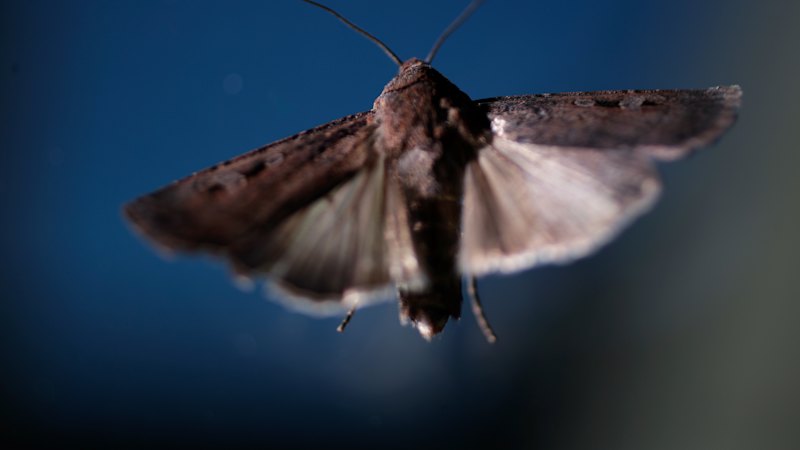
Bogong moths, which had seen their numbers plummet by over 99% between 2017 and 2019 due to severe drought in their lowland breeding areas, are making a surprising comeback this spring in New South Wales (NSW), Australia. Listed as endangered since 2021, the moths are now being spotted in large numbers, delighting naturalists and researchers who track them using citizen science platforms like iNaturalist. Master's student Ayesha Kelly from the University of Western Sydney has reported a significant increase in moth activity at her light traps near Sydney. The insects, each weighing about as much as a Tic Tac, migrate up to 1,000 kilometers for their annual journey to cool caves in the Snowy Mountains to escape summer heat. Researchers speculate that increased rainfall and warmer winter conditions have contributed to this resurgence, with hundreds of sightings logged on iNaturalist recently. The moths' return is seen as a positive sign for conservation efforts despite them not being listed under federal laws.