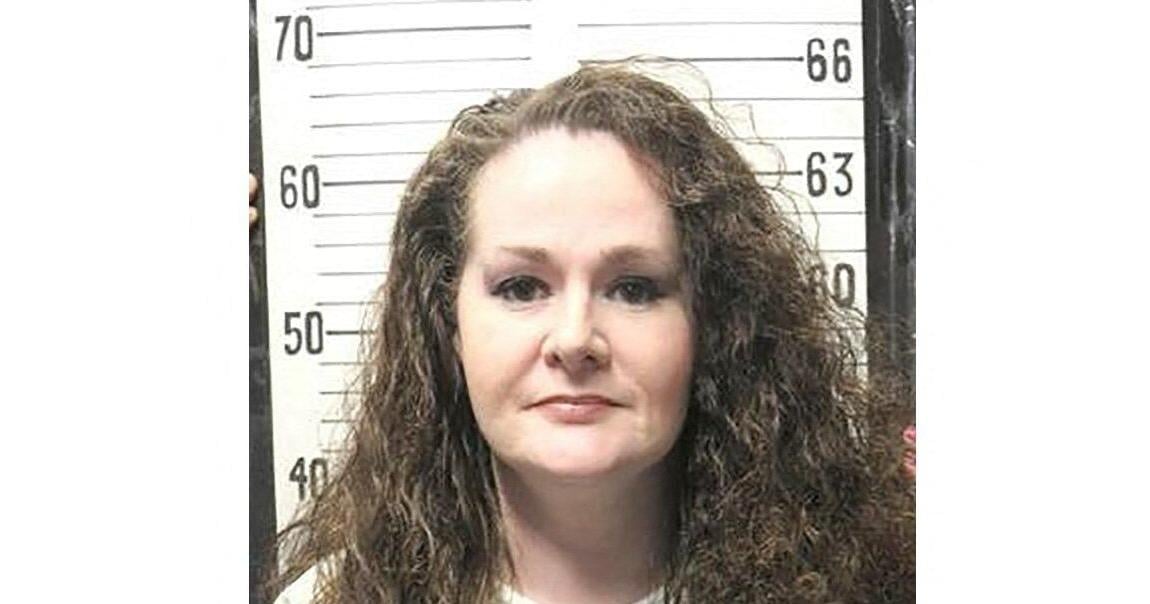
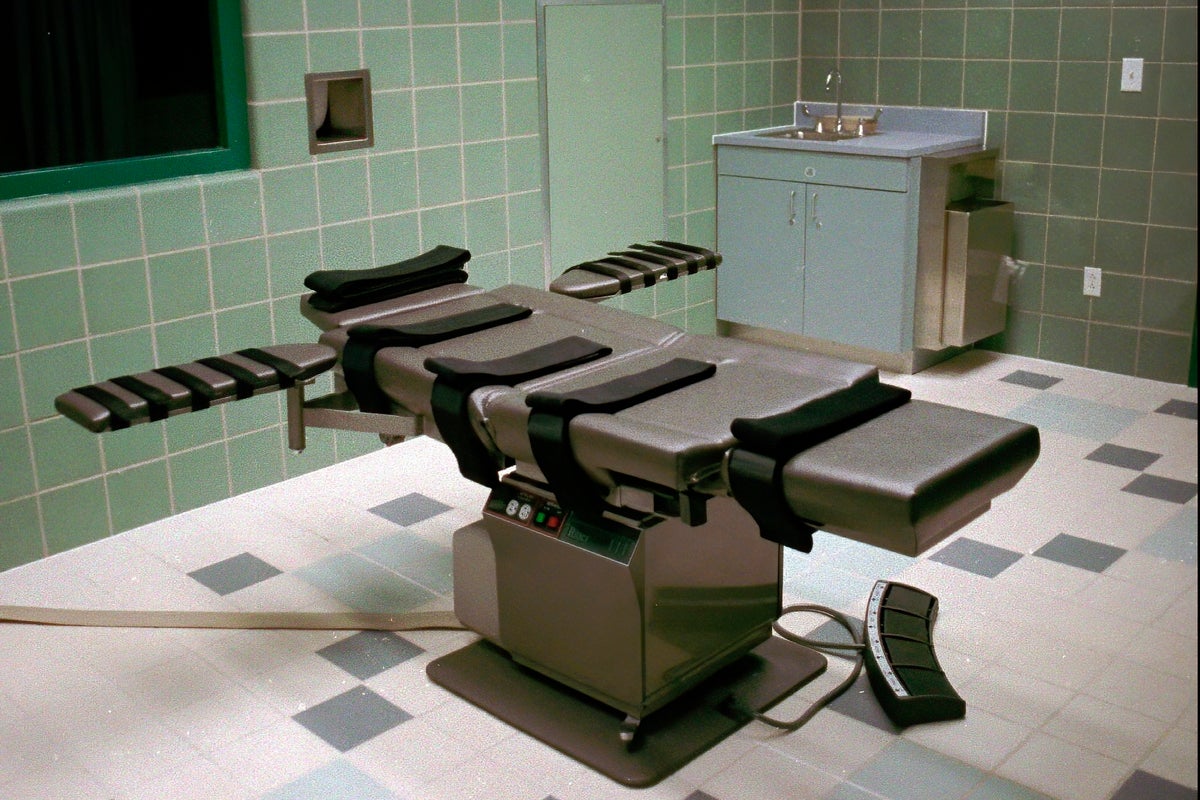
The death penalty is horrendous under almost any circumstances, but the botched execution of Christa Pike in Tennessee this week was particularly repellent.
asserted
execution → botch → Tennessee
As you may have heard, executioners injected Pike not once, but twice, with a drug called pentobarbital.
uncertain
executioners → hear → drug
One dose is supposed to do the trick in executions by lethal injection, but it didn’t work so they tried again.
Even after that, Pike was still alive, though unconscious and snoring.
asserted
Pike → suppose → that
Two attempts to kill someone is all the law allows for in Tennessee so the state’s governor had no choice but to halt the whole process.
Now Pike is in hospital and it’s an open question whether she’ll recover.
asserted
she → kill → hospital
Some experts think the poison injected into her system caused brain damage so it’s possible she’ll live on but in a vegetative state.
asserted
she → think → state
As of Thursday, no one seems to know.
asserted
one → seem → Thursday
My own brush with the death penalty
For me, reading about the travesty in Tennessee took me back to my own brush with the death penalty, or at least with someone facing that sentence.
asserted
reading → read → sentence
Back in November of 1998 I journeyed to Huntsville, Texas, to look into the case of Stanley Faulder, a Canadian facing execution by lethal injection for murdering a woman 23 years earlier.
asserted
I → journey → woman
It was a brutal crime, and though Faulder’s lawyers raised many doubts about the case against him a jury found him guilty and, Texas being Texas, sentenced him to die.
asserted
Texas → raise → him
Evidence he had suffered a serious brain injury as a child that resulted in occasional violent outbursts didn’t sway the Texans, either.
asserted
that → suffer → Texans
I managed to wrangle an interview with Faulder on death row.
asserted
I → manage → row
What struck me most was how gentle, even humble, he seemed by then.
asserted
he → strike → me
It was impossible to square the soft-spoken man I met with the violent crime committed a quarter of a century before.
asserted
I → square → century
After so long, it felt as though Texas was planning to execute a very different person — a broken, 61-year-old man far removed from the impulsive, violent person he had been decades before.
asserted
he → feel → person
Aside from simply taking vengeance — an eye for an eye and all that — what was the point of killing him at that point?
asserted
point → take → point
(He was executed a few months later.)
asserted
He → execute → ?
Her bungled execution was hideous, but the horror story began years before she brutally murdered a classmate, Colleen Slemmer, in 1995.
asserted
she → bungle → 1995
She admits to committing the crime along with two other teens, including a boyfriend who was 17 and thus ineligible for the death penalty.
asserted
who → admit → penalty
Pike herself was 18, so just over the age at which someone can be sentenced to death in Tennessee.
asserted
someone → sentence → Tennessee
By then, according to evidence brought out by her legal team, she had already suffered years of physical and sexual abuse.
uncertain
she → accord → abuse
She’d been raped multiple times, first at age 11, and beaten by her father and other family members.
asserted
She → rap → father
She suffered from fetal alcohol poisoning that damaged her brain.
asserted
that → suffer → brain
She’d been diagnosed as bipolar and suffered from post-traumatic stress disorder as a result of what one of the doctors who examined her called an “almost unbearably abusive background.”
asserted
who → diagnose → her
None of that made a difference at her trial.
asserted
None → make → trial
In 1996 she was sentenced to die — the youngest woman to receive the death penalty in the U.S. in the modern era, and the first woman to be scheduled for execution in Tennessee since 1819.
asserted
she → sentence → 1819
Pike spent the next 31 years on death row and is now 50.
asserted
Pike → spend → row
She never denied committing the murder and accepted that she would never be freed.
asserted
she → deny → murder
“If I could take it all back, I would,” she said at one point.
uncertain
she → take → point
“I’m not even close to being the same person I was over 25 years ago.
asserted
I → ’m → ?
Not punishing the same person
That’s the thing: even if you think murder demands the death penalty, and even if you think hideous abuse and mental illness is no mitigating factor, the fact is you’re not really punishing the same person after 30-plus years.
asserted
you → punish → years
That was true in the case of Stan Faulder; it seems even truer for Christa Pike.
asserted
it → seem → Pike
If there’s anything positive to come out of this, it’s that Tennessee has been forced to look at how it kills those whom it decides deserve the ultimate punishment.
asserted
it → ’ → punishment
The state had another botched execution earlier this year and Gov. Bill Lee has suspended all executions for the time being.
asserted
Lee → have → time
But the biggest problem with Christa Pike’s story isn’t that Tennessee screwed up her execution.
asserted
Tennessee → screw → execution
It’s everything that led up to this week’s horror.
asserted
that → ’ → horror
And there’s no sign that will be fixed any time soon.
asserted
that → ’ → ?
 The Aporia