Photo via National Post

Canadian travellers face alcohol being confiscated at U.S. border after Trump’s import ban

Read the original at National Post ↗
Cite

Hutchings, E. (2026, October 2). Canadian travellers face alcohol being confiscated at U.S. border after Trump’s import ban. National Post. https://nationalpost.com/news/canada/canadian-travellers-face-alcohol-being-confiscated-at-u-s-border-after-trumps-import-ban

Dated when The Aporia collected the article, usually within hours of publication. Check the original for its exact date and byline.

National Post · collected 2026-10-02 · by Ellie Hutchings

Quick Summary

No summary of this article yet; the story summary below covers the event.

AI analysis

Story summary

On Tuesday, the U.S. imposed import bans on certain Canadian goods including alcohol, whey protein, molasses, and motorcycles, in response to Canada's tariffs in an ongoing trade war. The bans took effect at 12:01 a.m. Eastern time and cover nearly C$1 billion worth of imports based on 2025 numbers. While the economic impact is expected to be minimal, it marks another escalation in tensions between the two countries. Affected industries such as alcohol and dairy could suffer significant losses, but Canada's overall economy is unlikely to be severely impacted. Trade talks remain stalled, with both sides accusing each other of adding last-minute changes that broke down negotiations recently. Canadian officials have prioritized protecting workers and businesses from these "unjustified" actions. Prime Minister Mark Carney has described the impact on Canada’s economy as modest. The impasse could also threaten efforts to renew the U.S.-Mexico-Canada Agreement (USMCA), a key North American trade pact.

Written for “US Import Bans On Canadian Goods” on 2026-11-02, grounded in this article and the 12 other(s) covering the same event.

Story

📰 US Import Bans On Canadian Goods
Economy/Business · 13 article(s) covering the same event. Compare every outlet's account →

Compared with similar articles

This article reads leans right and hedges 14% of its claims. Each row says how that neighbour differs.
Toronto Star
⚖️ Leans right Hedges 1 of 40 claims Outlet record 64/100
BBC News
⚖️ Leans right Hedges 2 of 23 claims Outlet record 68/100
CBS News
⚖️ Leans right Hedges 1 of 39 claims Outlet record 66/100
CBC News
Hedges 8 of 40 claims Outlet record 74/100
The Guardian
⚖️ Leans left further left than this Hedges 1 of 28 claims Outlet record 66/100
Global News
Hedges 1 of 9 claims Outlet record 63/100
Global News
Hedges 1 of 21 claims Outlet record 63/100
“The articles describe different aspects of the impact of the trade war between Canada and the U.S., but do not focus on the same specific incident or outcome.”
Global News
⚖️ Leans right Hedges 2 of 21 claims Outlet record 63/100
“Article A describes the announcement and upcoming implementation of U.S. import bans on certain Canadian goods, while Article B reports on the actual impact and reactions after the ban has taken effect.”
How this article was measured signals, leaning charts, publisher record, byline, topics and claims

Signals How these are calculated →

Claims extracted
21
sentences that state something as happening or true
Uncertain
14%
3 of 21 hedged ("reportedly", "may", "according to")
Leaning
Leans right
of the writing, not the subject · beta estimate
Publisher signals
60/100
National Post's corrections and hedging, across everything collected from it. Not a measure of accuracy.
Outlets on this story
13
Economy/Business
Same framing elsewhere
1
articles that frame the event the way this one does
Analyzed 2026-10-02 · how these are computed

How this is being covered How these are calculated →

Article leaning vs. publisher reliability
Source leaning vs. consistency

Publisher

National Post · 1242 article(s) · 2 correction(s) detected
Running correction rate · 2 correction(s)

Who wrote this

Ellie Hutchings
21 article(s) here · 1 carrying a prediction
🔮 Adams, best known for his successful party-rock anthems and love ballads, released the song titled “Lake Ontario” as part of his new album, How’s It Goin,’ which will be released on Nov. 6.
🔮 To make things even more complicated, the Ontario government announced on Oct. 13 that northwestern parts of the province that have usually kept their clocks in sync with neighbouring Manitoba will also be making DST permanent.
🔮 It says that if the borders close to Ontario’s waste, the province will run out of landfill capacity by 2034.
🔮 I had to stop, because if you don’t stop, people will forever say to you, ‘Show me a trick.’”
🔮 A Member of European Parliament (MEP) said that becoming an associate member of the EU would turn Canada “into a living hell” and asked “is Mark Carney stupid enough to fall for it?” during a debate on Thursday.
🔮 The analysis also looked at national real estate data on mortgage rates as well as the mortgage stress test to determine how much a prospective buyer would need to earn to qualify for a mortgage on an average-priced home in their local market.
🔮 On Friday, Carney will attend another rally in Edmonton and visit Red Deer with Alberta Premier Danielle Smith, all as part of his efforts to drum up support for keeping Alberta in Confederation.
🔮 The statement added that the nations will “continue to support efforts to deliver on these elections.”
🔮 The latest Fraser Institute study is the second in a two-part series looking at whether Canada’s economic growth will outpace that of the U.S. in the 21st century.
🔮 Americans once spent US$1 billion on prescription drugs from Canada, but new import rules might mean they no longer spend anything at all.
Also by Ellie Hutchings
Nothing else under this byline is closely related to this article, so these are simply their most recent.
All 21 articles by Ellie Hutchings →

Topics

CBP CSA Canadian Canadians U.S.

Subjects

U.S. GPE · 14× Canadian NORP · 10× CSA ORG · 5× Canada GPE · 5× CBP ORG · 4× Canadians NORP · 2× Mark Carney PERSON · 2× National Post ORG · 2× Trump PERSON · 2× The Canadian Snowbird Association ORG · 1×

Narrative

They said that a 50 per cent tariff would generally apply to alcoholic beverages that are above the one litre limit and covered by Proclamation 11061, which is the directive that excludes certain Canadian alcohol from importation into the U.S. “If the 50 percent tariff does not apply, the amount owed depends on the specific product and circumstances,” they said.
framing: assertive · carried by 1 article(s) · first seen 2026-10-02
🔮 And though the dairy-related import ban is more limited, the CSA warns it could impact whey protein products, certain other whey products, molasses and non-alcoholic beer.

Claims (21 extracted, 3 hedged)

The Canadian Snowbird Association (CSA) has issued a warning to travellers to the U.S., advising against packing alcoholic beverages and some dairy products when travelling south of the border. asserted
Association → issue → border
The guidance comes alongside a new U.S. import ban on some Canadian goods — including alcohol and whey products — that took effect on Tuesday. asserted
that → come → Tuesday
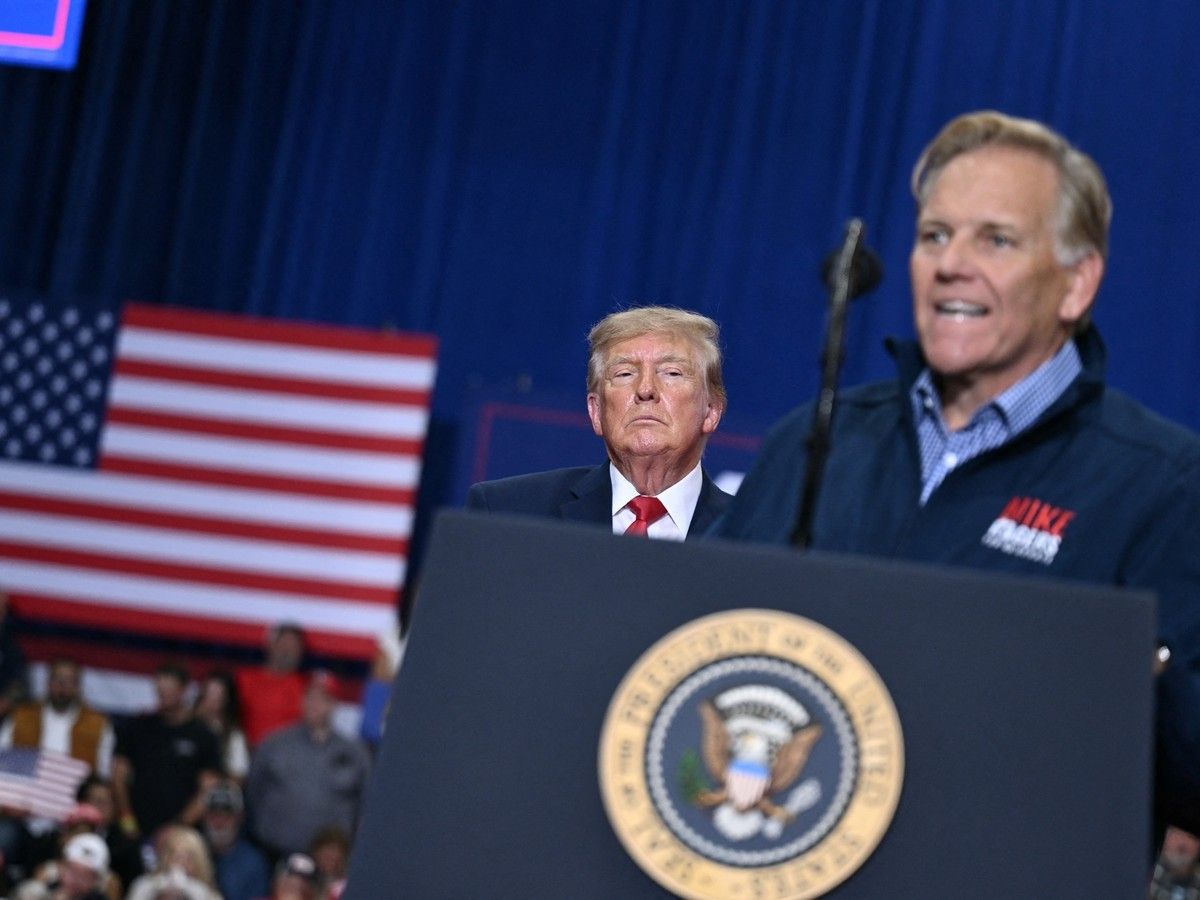
U.S. President Donald Trump announced the ban on Sept. 8, the same day Canadian retaliatory tariffs on nearly $28 billion worth of U.S. imports were imposed. asserted
tariffs → announce → imports
The CSA said: “For Canadian snowbirds, the changes are particularly important when packing wine, beer and other alcoholic beverages for the trip south. asserted
changes → say → trip
The new import ban covers a wide range of Canadian-origin alcoholic beverages, including packaged beer, sparkling wine, many table wines, cider, sake, rum, vodka, gin and certain whiskies and other spirits.” asserted
ban → cover → beer
And though the dairy-related import ban is more limited, the CSA warns it could impact whey protein products, certain other whey products, molasses and non-alcoholic beer. uncertain
it → relate → products
As a result, the organization is advising Canadians travelling to the U.S. to check their vehicles and luggage for Canadian-origin products that are subject to the new import bans. asserted
that → advise → bans
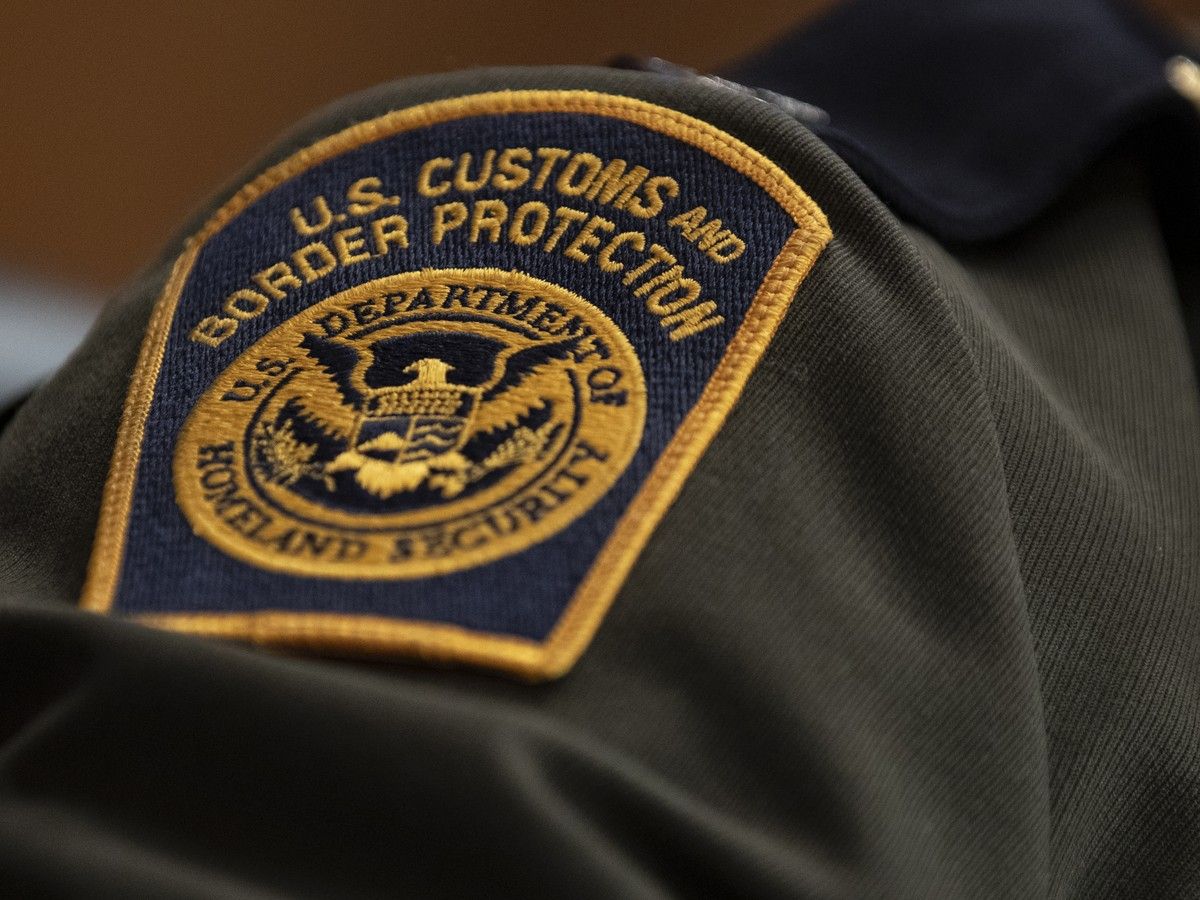
Evan Rachkovsky, director of research and communications at the CSA, told National Post in an email: “At this time, U.S. Customs and Border Protection (CBP) has not provided clear guidance confirming that Canadian travellers carrying Canadian-origin alcoholic beverages or other affected products for personal use are exempt from the new import restrictions.” asserted
travellers → tell → restrictions
He explained that travellers should declare “all alcohol and other applicable products” when entering the U.S., and be prepared for CBP officers to determine whether they are permitted entry. asserted
they → explain → entry
“These items could potentially be refused entry or seized at the border,” he said. uncertain
he → refuse → border
Rachkovsky added that the CSA is advising travellers to avoid bringing these products into the U.S. altogether as a precaution “until clearer guidance is available.” asserted
guidance → add → precaution
Meanwhile, a CBP spokesperson told National Post in an email that U.S. residents age 21 or older “may bring back one litre of alcohol for personal use duty-free when returning from abroad, including from Canada.” uncertain
residents → tell → Canada
They did not clarify whether this guidance applies to Canadians entering the U.S. with Canadian-made alcohol. asserted
guidance → clarify → alcohol
The spokesperson added that travellers must declare any alcohol to CBP and that amounts above the duty-free limit are subject to review. asserted
amounts → add → review
They said that a 50 per cent tariff would generally apply to alcoholic beverages that are above the one litre limit and covered by Proclamation 11061, which is the directive that excludes certain Canadian alcohol from importation into the U.S. “If the 50 percent tariff does not apply, the amount owed depends on the specific product and circumstances,” they said. asserted
they → say → product
The new import ban is the latest development in a continually escalating trade war between Canada and the U.S., which previously saw Trump impose 50 per cent tariffs on $28 billion worth of Canadian goods. asserted
Trump → escalate → goods
The new tariffs came into effect after trade talks between Canada and the U.S. broke down on Aug. 21. asserted
talks → come → Aug.
Prime Minister Mark Carney announced Canada was walking away from negotiations due to last-minute changes to the draft deal from the U.S. side, and subsequently imposed retaliatory tariffs of 15 to 50 per cent on U.S. goods. asserted
Canada → announce → goods
When Trump announced the recent import ban, Prime Minister Mark Carney said he doesn’t believe in escalating the trade conflict following Canada’s retaliatory response. asserted
he → announce → response
“That’s not constructive,” he said during a video address released on Sept. 8. asserted
he → ’ → Sept.
“But our tariffs are necessary to protect our workers, protect our companies, and our communities.” asserted
tariffs → protect → companies

💬Give feedback
🕘History 🎫Support