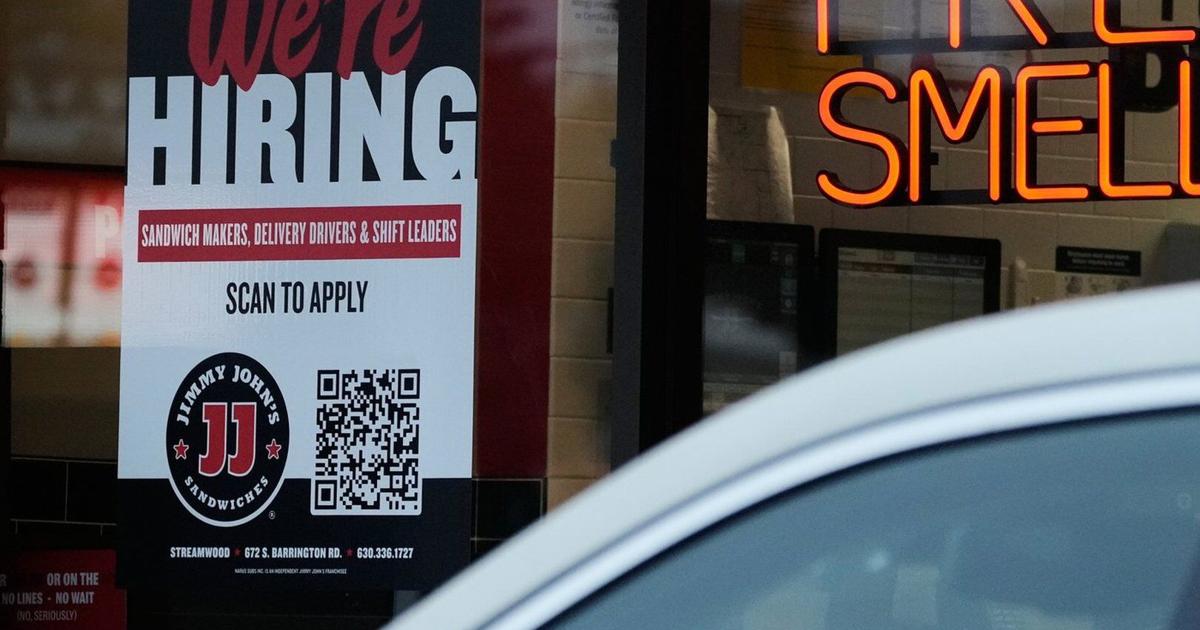
Photo via Toronto Star

From motorcycles to booze, US ban on $1 billion worth of Canadian imports goes into effect

Read the original at Toronto Star ↗
Cite

Wiseman, P. (2026, September 29). From motorcycles to booze, US ban on $1 billion worth of Canadian imports goes into effect. Toronto Star. https://www.thestar.com/news/world/united-states/from-motorcycles-to-booze-us-ban-on-1-billion-worth-of-canadian-imports-goes-into-effect/article_084ed820-3b45-578d-adb7-045be3ca249b.html

Dated when The Aporia collected the article, usually within hours of publication. Check the original for its exact date and byline.

Toronto Star · collected 2026-09-29 · by Paul Wiseman

Quick Summary

The United States has implemented a ban on nearly $1 billion worth of Canadian imports as of Tuesday morning, affecting products like alcoholic beverages, dairy items including whey, and motorcycles. This move escalates tensions between the two countries amid ongoing trade disputes initiated by President Trump’s tariffs earlier this year. Trade expert Jacob Jensen estimates that the banned goods amount to approximately $967 million in annual imports, with 87% of that being alcohol due to Canadian provinces restricting U.S. liquor sales.
Written by AI on 2026-09-29, from this article's own text only (the story summary below draws on all the coverage).

AI analysis

Story summary

On Tuesday, the U.S. imposed import bans on certain Canadian goods including alcohol, whey protein, molasses, and motorcycles, in response to Canada's tariffs in an ongoing trade war. The bans took effect at 12:01 a.m. Eastern time and cover nearly C$1 billion worth of imports based on 2025 numbers. While the economic impact is expected to be minimal, it marks another escalation in tensions between the two countries. Affected industries such as alcohol and dairy could suffer significant losses, but Canada's overall economy is unlikely to be severely impacted. Trade talks remain stalled, with both sides accusing each other of adding last-minute changes that broke down negotiations recently. Canadian officials have prioritized protecting workers and businesses from these "unjustified" actions. Prime Minister Mark Carney has described the impact on Canada’s economy as modest. The impasse could also threaten efforts to renew the U.S.-Mexico-Canada Agreement (USMCA), a key North American trade pact.

Written for “US Import Bans On Canadian Goods” on 2026-10-30, grounded in this article and the 12 other(s) covering the same event.

Story

📰 US Import Bans On Canadian Goods
Economy/Business · 13 article(s) covering the same event. Compare every outlet's account →

Compared with similar articles

This article reads leans right and hedges 2% of its claims. Each row says how that neighbour differs.
CBS News
⚖️ Leans right Hedges 1 of 39 claims Outlet record 66/100
The Guardian
⚖️ Leans left further left than this Hedges 1 of 28 claims Outlet record 66/100
BBC News
⚖️ Leans right Hedges 2 of 23 claims Outlet record 69/100
Global News
⚖️ Leans right Hedges 2 of 14 claims Outlet record 63/100
National Post
⚖️ Leans right Hedges 3 of 21 claims Outlet record 60/100
Fox News
⚖️ Leans strongly left further left than this Hedges 5 of 19 claims Outlet record 70/100
“Article A discusses the implementation of a $1 billion import ban on Canadian goods by the U.S., while Article B focuses on the economic impact of the trade war on Michigan, a specific state.”
CBC News
Hedges 4 of 34 claims Outlet record 74/100
The Globe and Mail
⚖️ Leans left further left than this Hedges 1 of 6 claims Outlet record 52/100
New York Post
Hedges 2 of 16 claims Outlet record 66/100
“The articles discuss different aspects of strained U.S.-Canada relations but describe separate events: one about a potential invasion scenario and preparedness, the other about an actual import ban by the U.S.”
How this article was measured signals, leaning charts, publisher record, byline, topics and claims

Signals How these are calculated →

Claims extracted
40
sentences that state something as happening or true
Uncertain
2%
1 of 40 hedged ("reportedly", "may", "according to")
Leaning
Leans right
of the writing, not the subject · beta estimate
Publisher signals
64/100
Toronto Star's corrections and hedging, across everything collected from it. Not a measure of accuracy.
Outlets on this story
13
Economy/Business
Same framing elsewhere
1
articles that frame the event the way this one does
Analyzed 2026-09-29 · how these are computed

How this is being covered How these are calculated →

Article leaning vs. publisher reliability
Source leaning vs. consistency

Publisher

Toronto Star · 10443 article(s) · 27 correction(s) detected
Running correction rate · 27 correction(s)
2026-10-26
Correction
2026-10-24
Correction
2026-10-07
Correction
2026-09-24
Correction

Who wrote this

Paul Wiseman
8 article(s) here · 1 carrying a prediction
🔮 The changes will take effect Oct. 30.
🔮 The U.S. government has been working for years to deny China and other adversaries investments that could help them boost their military power.
🔮 The 2 overturned earlier economic assumptions For decades, governments responded to economic shocks by following the Depression-era prescriptions of the British economist John Maynard Keynes: intervene in the economy by lowering taxes and hiking government spending, thereby encouraging consumers and businesses to spend and invest and help restart growth.
🔮 When the Labor Department releases hiring and unemployment numbers for September, they’re likely to be solid once again: Forecasters surveyed by the data firm FactSet expect that employers – businesses, government agencies and nonprofits – added 90,000 jobs last month and that unemployment remained low at 4.1%.
🔮 Openings came in below the 7.2 million that forecasters had expected and were the lowest since they hit 6.9 million in March.
🔮 Jacob Jensen, director of trade policy at the center-right American Action Forum think tank, calculates that the ban would cover $967 million worth of Canadian imports, based on 2025 numbers.
🔮 The biggest policy announcement of the visit was modest: an agreement to extend by two months a trade truce that had been set to expire in November.
🔮 WASHINGTON (AP) — Canada might seem an unlikely target for a U.S. trade war.
Also by Paul Wiseman
Nothing else under this byline is closely related to this article, so these are simply their most recent.
All 8 articles by Paul Wiseman →

Topics

America Canada Canadian U.S. the United States

Subjects

Canadian NORP · 10× Canada GPE · 9× Trump PERSON · 9× U.S. GPE · 7× the United States GPE · 4× America GPE · 3× BRP ORG · 2× Carney PERSON · 2× North American NORP · 2× WASHINGTON GPE · 1×

Narrative

The impasse imperils efforts to renew the US-Mexico-Canada Agreement, a North American trade pact Trump pressured America’s neighbors into accepting in his first term and which he once declared “the most modern, up-to-date, and balanced trade agreement in the history of our country.’’
framing: assertive · carried by 1 article(s) · first seen 2026-09-29
🔮 Jacob Jensen, director of trade policy at the center-right American Action Forum think tank, calculates that the ban would cover $967 million worth of Canadian imports, based on 2025 numbers.

Claims (40 extracted, 1 hedged)

WASHINGTON (AP) — U.S.-Canada relations, already tense, are likely to deteriorate further after the United States went ahead early Tuesday with a decision to ban nearly $1 billion worth of Canadian imports, including alcoholic beverages, dairy products and motorcycles. asserted
States → deteriorate → beverages
The ban amounts to barely a ripple in $880 billion worth of a two-way annual trade between the two northern neighbors. asserted
ban → amount → neighbors
But it marks another ratcheting up of President Donald Trump’s second-term trade war with America’s longtime ally and trading partner. asserted
it → mark → ally
The import ban “certainly won’t do anything to help the trade tensions between the United States and Canada,’’ said trade attorney Patrick Childress, a partner at Holland & Knight and a former U.S. trade official. asserted
Childress → do → Holland
The latest sparring began over the summer when Trump reached back to a Great Depression law to impose 50% tariffs on about $20 billion worth of Canadian imports, charging that Canada discriminates against U.S. dairy, auto and alcoholic beverage producers. asserted
Canada → begin → producers
Canada promptly counterpunched with tariffs of 15%, 25% or 50%, matching U.S. imports dollar for dollar. asserted
Canada → counterpunche → dollar
To punish Canada for retaliating against his tariffs, Trump decided to ban a list of Canadian products, effective 12:01 a.m. Eastern time Tuesday. asserted
Trump → punish → products
Childress noted that the products on the banned list were already facing Trump’s tariffs. asserted
products → note → tariffs
”For a lot of these goods, the 50% was already acting as a de facto ban by making importation from Canada into the United States uneconomical,″ he said. asserted
he → act → States
Jacob Jensen, director of trade policy at the center-right American Action Forum think tank, calculates that the ban would cover $967 million worth of Canadian imports, based on 2025 numbers. asserted
ban → calculate → numbers
Of that, 87% would be alcoholic beverages that the U.S. targeted because of some Canadian provinces responding to Trump’s provocations by banning U.S. booze from store shelves. asserted
provinces → target → shelves
Also banned are some dairy products — including the milk byproduct whey. asserted
products → ban → byproduct
The two countries have long clashed over Canada’s attempts to protect its dairy industry from foreign competition by imposing hefty tariffs once dairy imports have exceeded a quota. asserted
imports → clash → quota
The ban also covers motorcycles. asserted
ban → cover → motorcycles
Bombardier Recreational Products (BRP) in Quebec confirmed that its three-wheel Can-Am Spyder and Canyon motorcycles “will be excluded from importation into the U.S.’’ asserted
motorcycles → confirm → U.S.
But BRP said the impact likely won’t be felt until next year because it has completed most production and shipments for the current season. asserted
it → say → season
“This marks yet another escalation in the trade war that may result in further retaliation on the Canadian side,” Jensen said. uncertain
Jensen → mark → side
He expects Canadian exporters and U.S. importers “impacted by these bans will be highly motivated’’ to demand that trade officials on both sides find some way to reach a “resolution of this whole ordeal.’’ asserted
officials → expect → ordeal
The impasse imperils efforts to renew the US-Mexico-Canada Agreement, a North American trade pact Trump pressured America’s neighbors into accepting in his first term and which he once declared “the most modern, up-to-date, and balanced trade agreement in the history of our country.’’ asserted
he → imperil → country
The deal allowed most goods to cross North American borders duty free. asserted
goods → allow → borders
But since returning to the White House last year, Trump has announced a series of tariffs that have clouded the future of trade in the region. asserted
that → return → region
Trump has directed most of his ire at Canada. asserted
Trump → direct → Canada
He is openly seeking to pull Canadian manufacturing south. asserted
He → seek → manufacturing
And he has inflamed public opinion in Canada by repeatedly suggesting that the country become America’s 51st state. asserted
country → inflame → Canada
Canadian Prime Minister Mark Carney came to power last year on a promise to stand up to Trump. asserted
Carney → come → Trump
In addition to retaliating against Trump tariffs — China is the only other country to do so, with very different results — Carney has sought to reduce Canada’s reliance on the United States, which last year accounted for more than 70% of Canadian exports. asserted
which → retaliate → exports
“There is now a price to be paid for access to the United States market,” Carney said earlier this month. asserted
Carney → be → market
The Canadian prime minister wants to double Canada’s non-U.S. trade over the next decade. asserted
minister → want → decade
And he said last week that trade negotiations with India are making “good progress” and that the two countries are aiming to conclude talks by the G20 summit in mid-December. asserted
countries → say → December
Carney also broke with the U.S. earlier this year, striking a deal with China to allow a limited number of Chinese electric vehicles into Canada at a sharply reduced tariff in exchange for China lowering tariffs on Canadian canola. asserted
China → break → canola
“We take note of the coming into force of the Administration’s previously announced trade measures,” said Gabriel Brunet, a spokesman for Canada-U.S. Trade Minister Dominic LeBlanc. asserted
Brunet → take → LeBlanc
“Our first priority remains on protecting and supporting Canadian workers, farmers, families, and businesses from these unjustified actions. asserted
priority → remain → actions
Our core focus is on what we can control: building strength at home, diversifying our partnerships abroad, and building Canada strong for all Canadians.” asserted
Canada → control → Canadians
Trump expressed confidence that the Canadians would cave in. asserted
Canadians → express → confidence
“They’re gonna come in and they’re gonna say, ‘Sir, we are sorry,’” he told reporters Monday. asserted
he → go → reporters
“They’ve treated the United States very, very badly. asserted
They → treat → States
I think a deal will be made but it’s gonna be fair.” asserted
it → think → ?
Trade attorney Childress said the standoff is likely to continue for months, not weeks. asserted
standoff → say → months
The import bans and the tariffs so far “probably won’t cause enough economic upheaval to force either party back to the negotiating table,’’ he said. asserted
he → cause → table
__ AP Writer Rob Gillies in Toronto contributed to this story. asserted
Gillies → contribute → story

💬Give feedback
🕘History 🎫Support