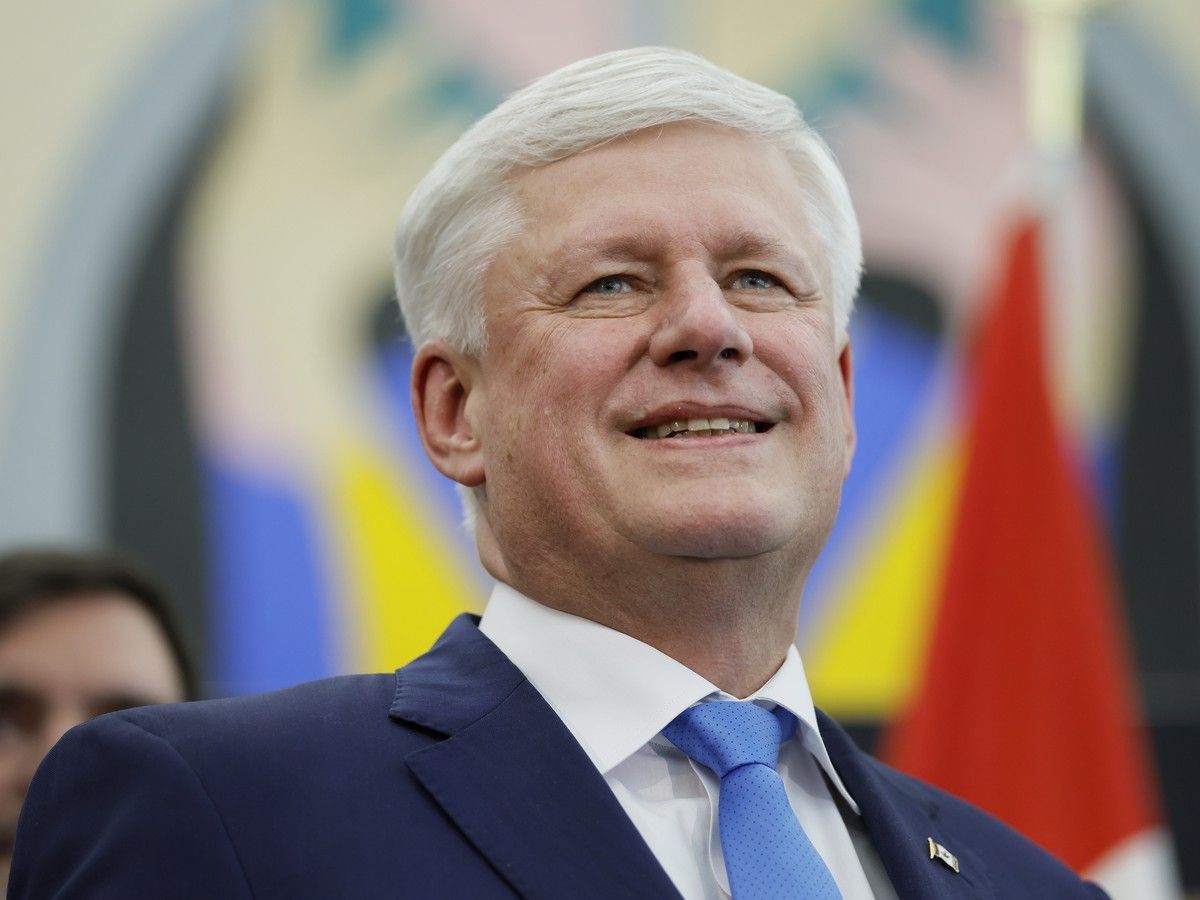
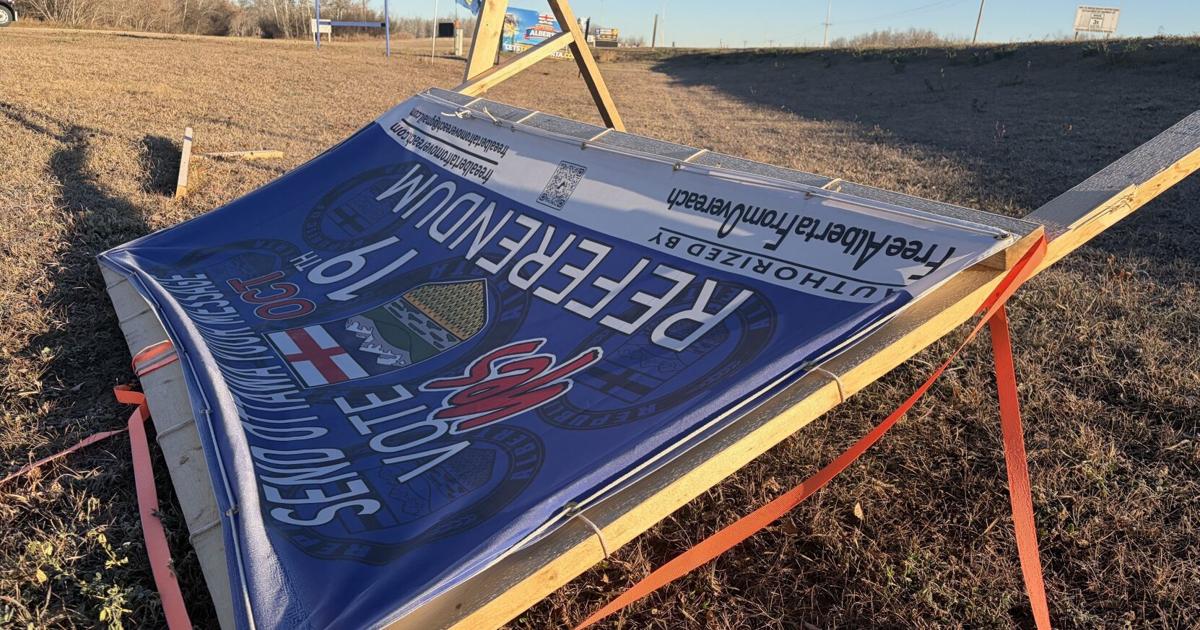
OTTAWA — Stephen Harper is warning Albertans against setting the province on a path toward secession by using their votes in an upcoming referendum in an attempt to send Ottawa a message.
asserted
Harper → warn → message
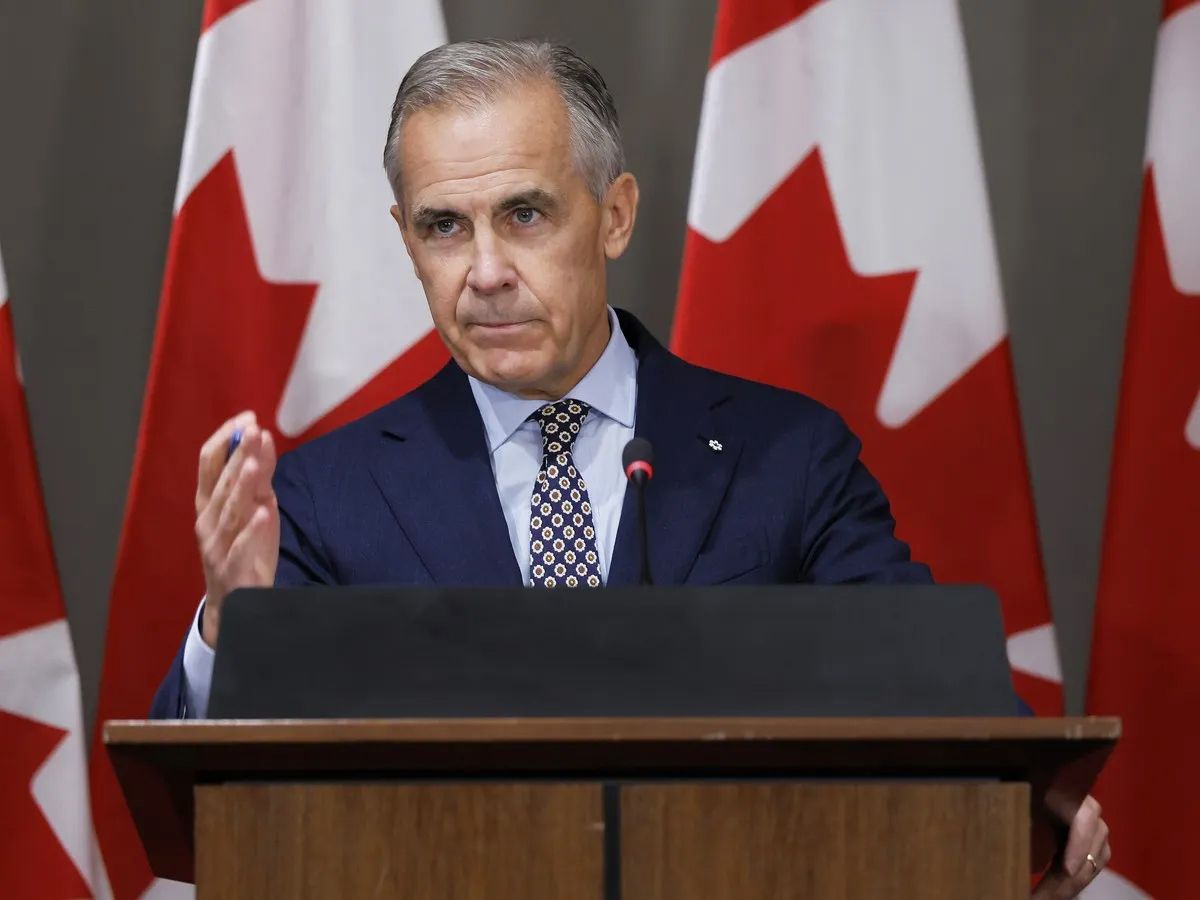
In an essay published Friday in the Calgary Herald, Harper also expressed optimism over how he sees the Liberals under Prime Minister Mark Carney turning a page from the “anti-Alberta” policies of Carney’s predecessor, Justin Trudeau.
asserted
Liberals → publish → predecessor
“As a former prime minister of Canada, staying silent on the upcoming referendum on Alberta secession is not an option.
asserted
staying → stay → secession
But I wish it were,” he wrote.
asserted
he → wish → ?
“I love my country, and I love my province.
asserted
I → love → province
I do not wish to pit one against the other.
asserted
I → wish → other
I believe that is how most Albertans feel.”
It is one of the fullest arguments the former Conservative leader has made in support of the federation and against the push for separation ahead of the referendum on Oct. 19.
asserted
leader → believe → Oct.
But it came as some separatist leaders seek to sway Albertans by painting a vote for “Option 2” on the ballot as not a vote to actually separate, but as a way to express how they feel about their province’s treatment by Ottawa.
asserted
they → come → Ottawa
A towering figure within the Conservative movement, Harper served as prime minister from 2006 to 2015 as a member of Parliament from Calgary.
asserted
Harper → tower → Calgary
He was first elected as a member of the populist Reform Party, which was birthed out of backlash to Ottawa’s actions in Western Canada, before he helped create the modern Conservative party and became its leader.
asserted
he → elect → party
Dane Lloyd, the Conservative MP for the Edmonton-area riding of Parkland, is spearheading the initiative to convince Albertans that the province
Dane Lloyd, the Conservative MP for the Edmonton-area riding of Parkland, is spearheading the initiative to convince Albertans that the province
His call for national unity follows those of former members of his government, including Jason Kenney, a Conservative cabinet minister who later led Alberta as premier.
asserted
who → spearhead → premier
Former Conservative MP Monte Solberg has joined Kenney in backing a third-party advertising group urging Albertans to vote to remain in Canada.
asserted
Solberg → join → Canada
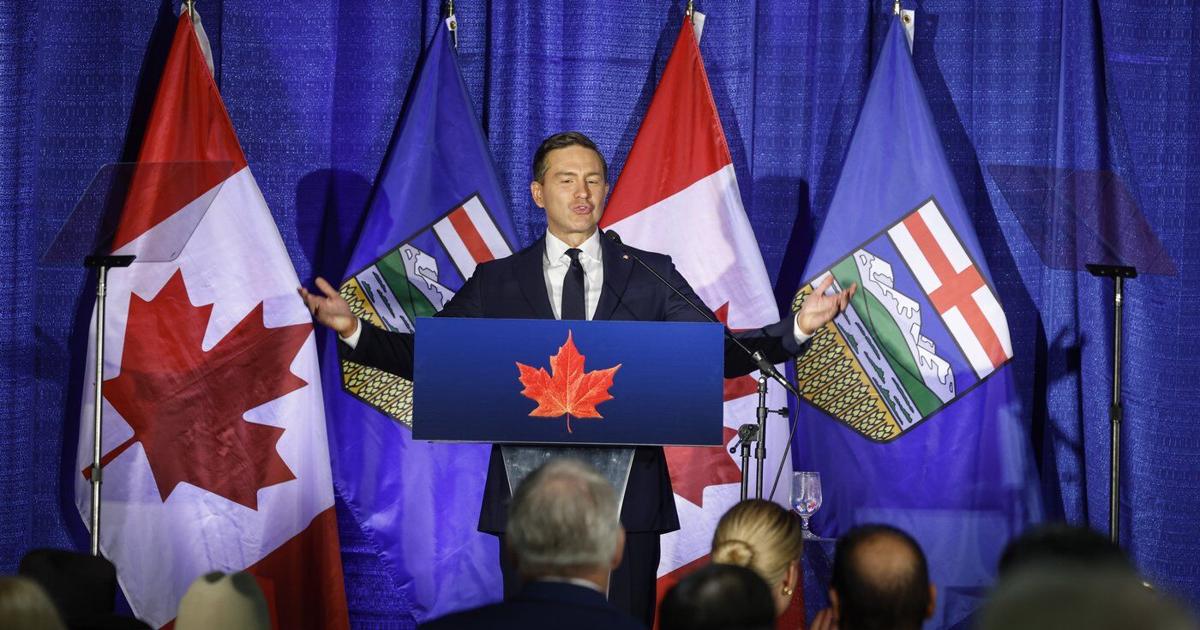
This week, Conservative Leader Pierre Poilievre appeared at a fundraiser in Edmonton to drum up support for another third-party group, led by one of his Alberta MPs, which is focused on getting Conservative voters in the deep blue province out to vote to secure a victory to stay.
asserted
voters → appear → victory
While Albertans, Harper wrote, “are naturally inclined to love Canada and have made disproportionate contributions to every facet of national life,” they have been left to wonder “why Canada periodically seems to not love them.”
asserted
Canada → write → them
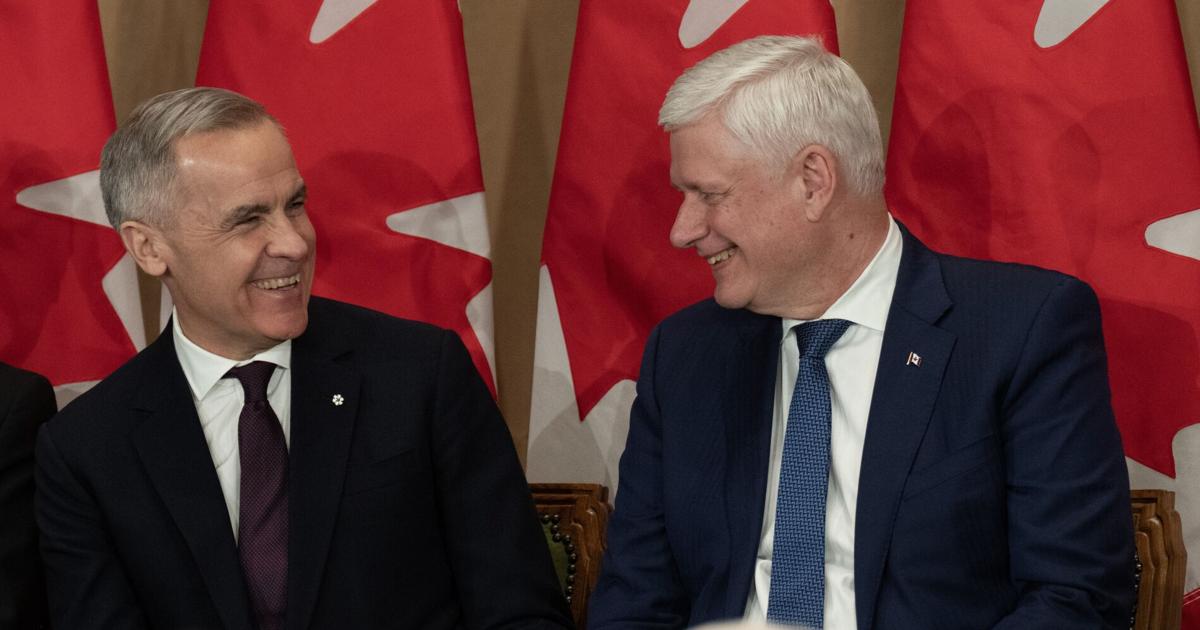
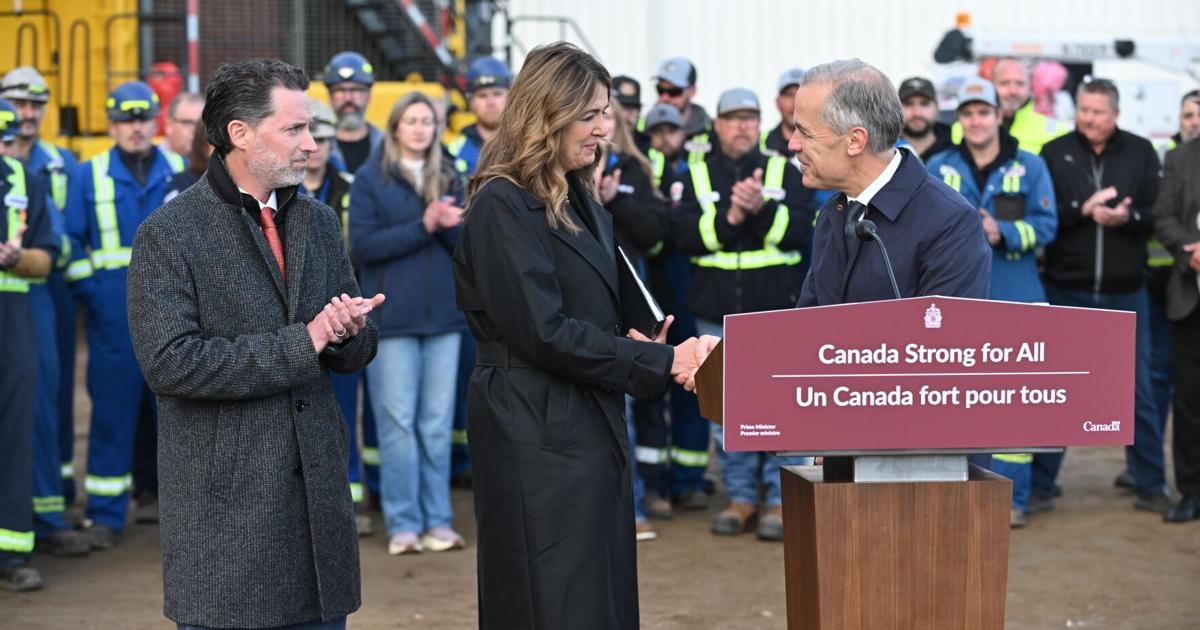
Carney has said he has looked to the former prime minister for advice since coming to power.
asserted
he → say → power
Last month, Harper was one of the headline speakers at a summit for foreign investors Carney held in Toronto, where he declared the gathering was such a good idea that “I wish I had thought of it.”
asserted
I → hold → it
In that speech, Harper also threw his support behind Carney’s decision to suspend trade talks with the United States, and praised his plans for regulatory overhauls to get more major projects off the ground.
asserted
Harper → throw → ground
He offered a similar message to Albertans after placing the blame for the bubbling up of separatist sentiments at the feet of Trudeau and his environmental policies.
asserted
He → offer → Trudeau
“Fortunately, I believe things are already changing.
asserted
things → believe → ?
While I remain a committed Conservative, the reality is that the Liberal party has not always been as an anti-Alberta as the two Trudeaus,” Harper wrote, referring also to Trudeau’s father, former prime minister Pierre Elliott Trudeau.
asserted
Harper → remain → father
“At other times, it has openly enabled the growth of our energy sector.
asserted
it → enable → sector
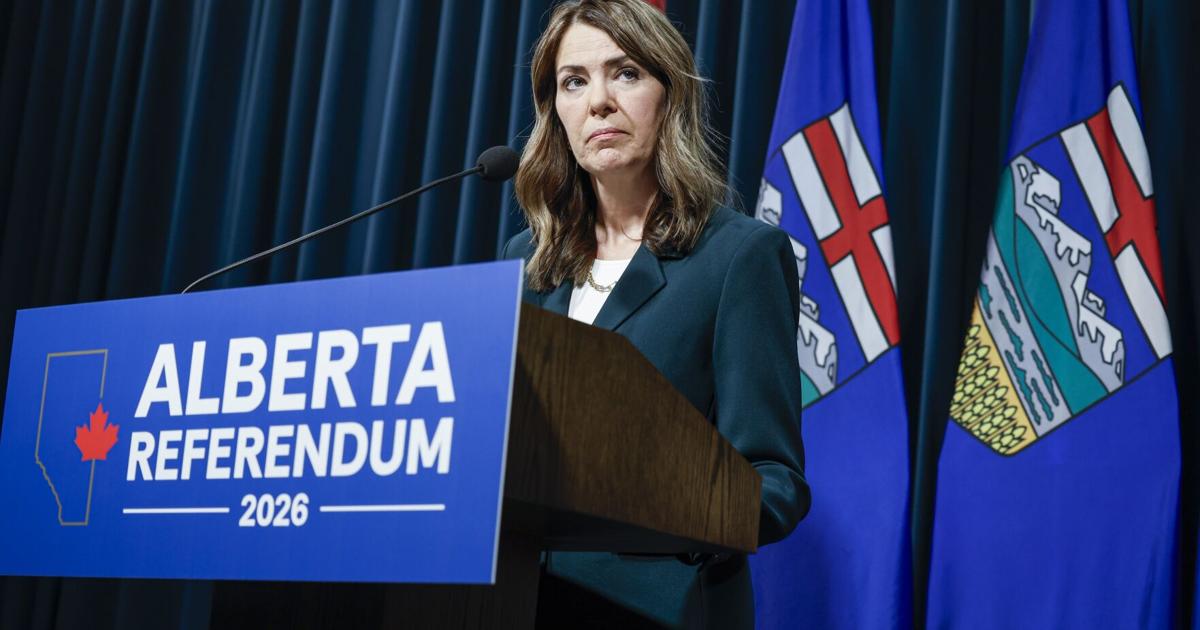
Like (Alberta) Premier Danielle Smith, I see strong evidence that this Liberal government is returning to those roots.”
asserted
government → see → roots
When it comes to the upcoming referendum vote, Harper said he stands against separation, adding that beyond the risk that path carries “there is nothing resembling the credible leadership necessary to establish a new country.”
asserted
path → come → country
“However, the truth is that the referendum is not really about separation,” he wrote.
asserted
he → write → separation
Most voting for it will do so just to ‘send a message,’ in other words, to keep the threat alive in the hope of retaining the benevolent attention that the province has recently been receiving from Ottawa.
asserted
province → vote → Ottawa
I believe that approach is mistaken.”
asserted
approach → believe → ?
Pointing to past battles over Quebec independence, Harper warned of the consequences of similar debates playing out in Alberta for years to come, saying he believes those “downsides” are not “fully understood” in the province.
asserted
downsides → point → province
“Did Quebec gain some favours as a consequence of the separation threat?
asserted
Quebec → gain → threat
Yes, at first,” Harper wrote.
asserted
Harper → write → ?
“But that dissipated badly over time as Quebec’s image was increasingly damaged in the rest of Canada.
asserted
image → dissipate → Canada
It vanished altogether when the separatists were actually in power, leading to major constitutional amendments without Quebec’s consent.”
asserted
separatists → vanish → consent
 The Aporia