The Aporia
Lee, D. D. (2026, October 3). Why a film about a dictator has South Korea at war with itself. South China Morning Post. https://www.scmp.com/week-asia/lifestyle-culture/article/3369548/why-film-about-dictator-has-south-korea-war-itself?utm_source=rss_feed
Lee, David D. “Why a film about a dictator has South Korea at war with itself.” South China Morning Post, 3 Oct. 2026, https://www.scmp.com/week-asia/lifestyle-culture/article/3369548/why-film-about-dictator-has-south-korea-war-itself?utm_source=rss_feed.
Lee, David D. “Why a film about a dictator has South Korea at war with itself.” South China Morning Post, October 3, 2026. https://www.scmp.com/week-asia/lifestyle-culture/article/3369548/why-film-about-dictator-has-south-korea-war-itself?utm_source=rss_feed.
Dated when The Aporia collected the article, usually within hours of publication. Check the original for its exact date and byline.
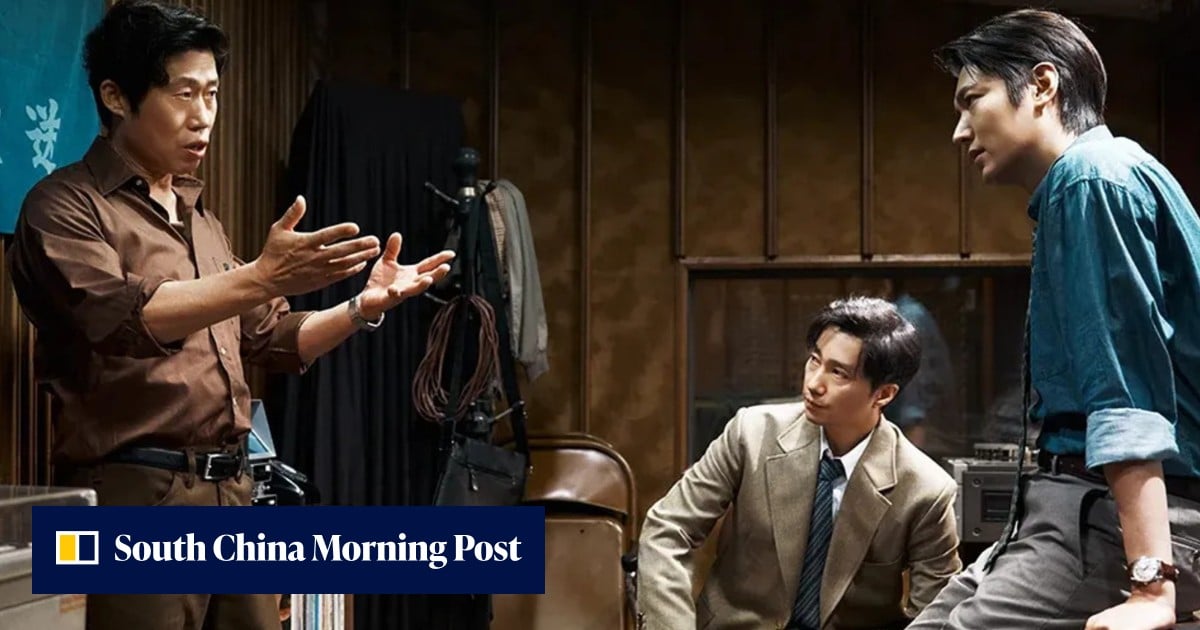
The film "The Assassin(s)" became an instant hit in South Korea during the Chuseok festival, selling over a million tickets within its first four days. However, the movie's portrayal of the 1974 assassination attempt on former president and military leader Park Chung-hee sparked intense controversy. Conservative politicians and Park loyalists argue that the film misrepresents history and disrespects his legacy. Directed by Hur Jin-ho, the movie has faced calls to be banned and a police complaint against its director and producers. Park's rule from 1961 until his assassination in 1979 was marked by rapid industrialization but also severe political repression and limitations on civil liberties, making him one of the most controversial figures in South Korean history.