President Donald Trump wants artificial intelligence to be known as “super intelligence,” but the companies building the technology have yet to follow his lead.
asserted
companies → want → lead
Anthropic, OpenAI, Google, Meta, SpaceXAI, and Nvidia would not disclose to the Washington Examiner whether they plan to rename their companies or products, or otherwise adopt Trump’s preferred terminology after the president signed an executive order this week directing the federal government to replace “artificial intelligence” with “super intelligence.”
asserted
government → disclose → intelligence
The industry’s hesitation may have a simple explanation: “superintelligence” already has a meaning of its own in the technology world, where developers have long used the term to describe hypothetical AI systems that surpass human capabilities.
uncertain
that → have → capabilities
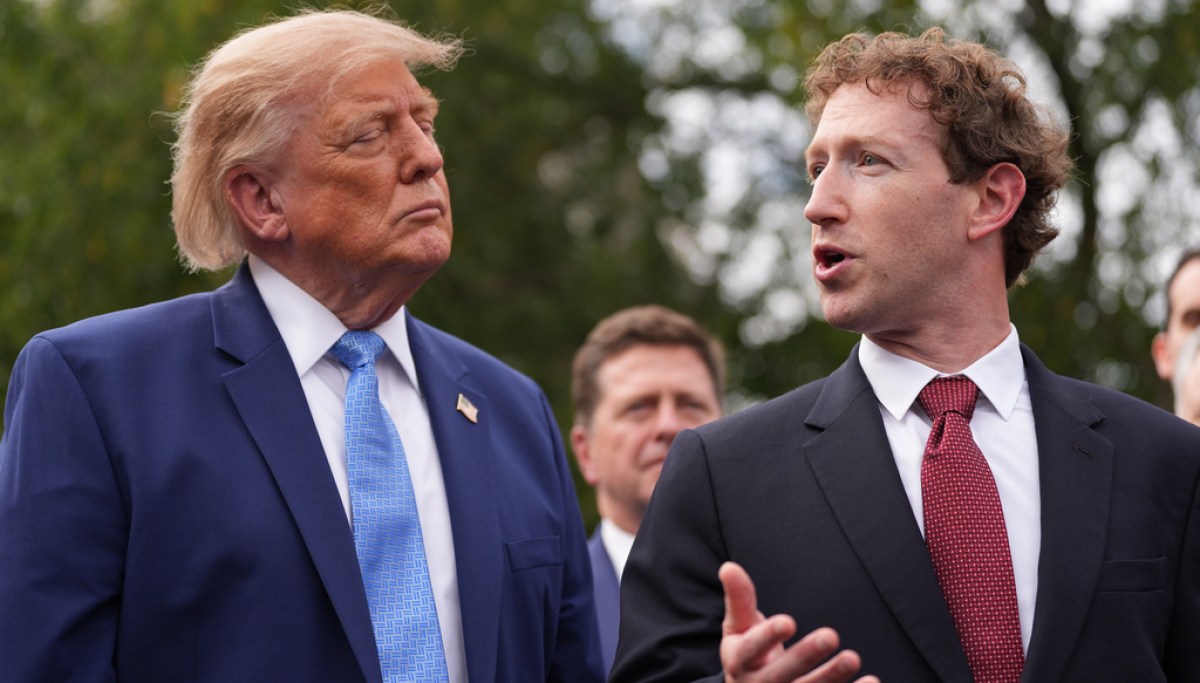
Meta, for example, started using the descriptor “super intelligence” last year when it’s CEO, Mark Zuckerberg, announced he was creating the Meta Superintelligence Labs.
asserted
he → start → Labs
This week, however, Zuckerberg, who has publicly supported Trump’s policy position that AI companies should not be rigorously regulated despite safety concerns, seemed to deploy “super intelligence” interchangeably.
asserted
companies → support → intelligence
“We believe superintelligence will create significant new opportunities for all people and businesses,” Zuckerberg posted on X.
A Meta spokesperson did not respond to the Washington Examiner’s request for clarification as to what Zuckerberg was actually discussing.
asserted
Zuckerberg → believe → what
Another donor and former de facto Department of Government Efficiency administrator, Elon Musk, who is also the co-founder and CEO of SpaceXAI, has readily adopted “super intelligence” in person and online, though not on his company’s website.
asserted
who → adopt → website
“I think it is worth highlighting the positive benefits of AI — pardon me, super intelligence,” Musk quipped on Tuesday at the White House.
asserted
Musk → think → House
“Super Intelligence,” he added on social media sharing a clip from the White House meeting he and other AI CEOs attended.
asserted
he → add → meeting
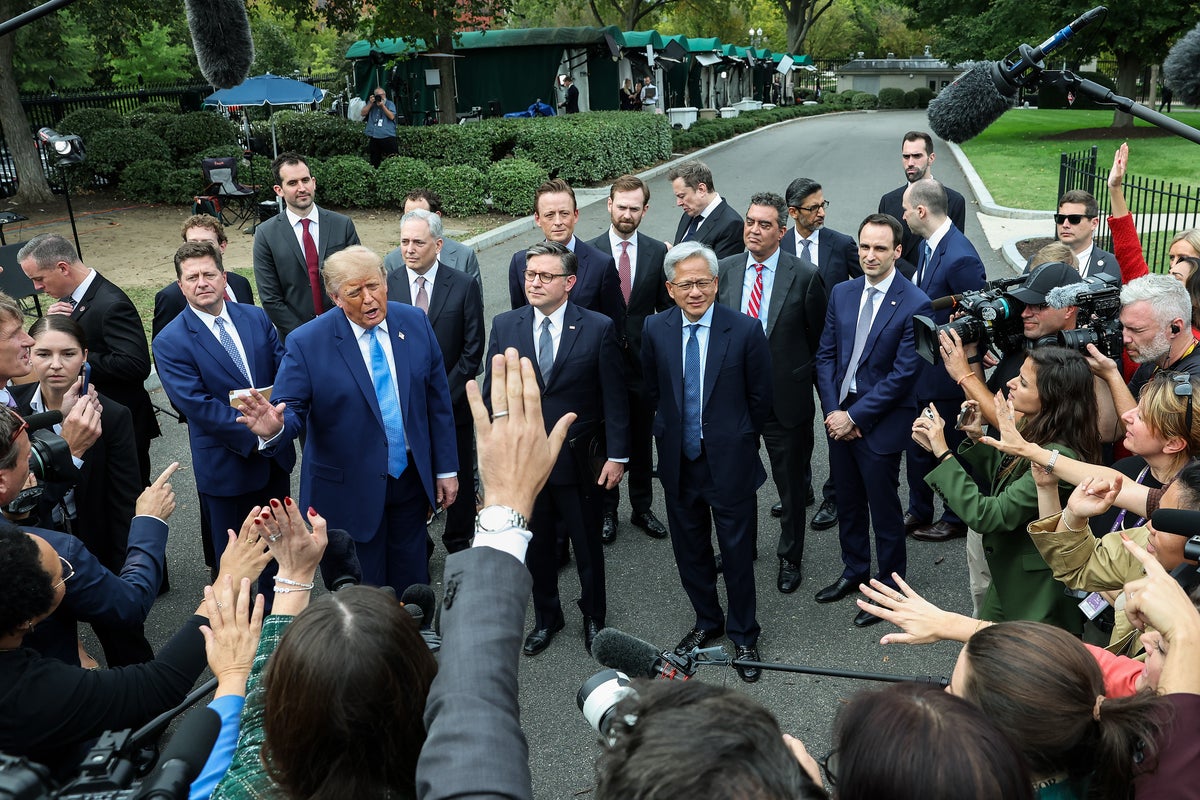
Musk and Zuckerberg joined Trump and other technology executives at the White House this week to sign an “Accord on Superintelligence.”
asserted
Musk → join → Superintelligence
The White House move is unfolding against a far darker debate over where the technology is headed.
asserted
technology → unfold → debate
Just last month, former Anthropic researcher Jacob Coxon warned that AI could “kill us all by the end of the decade.”
uncertain
AI → warn → decade
Huang struck a dramatically more optimistic note after signing Trump’s accord.
asserted
Huang → strike → accord
“Super Intelligence offers an extraordinary opportunity to advance discovery, productivity, security, health, and prosperity,” he posted on X.
“The future of Super Intelligence will be shaped not only by what it can do, but by the confidence it earns,” Huang added.
asserted
Huang → offer → confidence
Regardless of Trump’s executive order, the likes of Altman have continued to say “AI” and not “super intelligence,” with his company including “AI” in its moniker.
asserted
company → continue → moniker
Meanwhile, Pichai worded his post-White House meeting statement so as not to mention AI, though he did reference the accord.
asserted
he → word → accord
Trump first proposed rebranding AI amid calls led by Amodei for a coordinated slowdown in frontier AI model development as part of a public relations campaign for the technology.
asserted
Trump → propose → technology
“Remember this: whoever wins SI, because now we’re calling it again super, we’re using the word super because the other word is a fake word,” the president told reporters on Tuesday outside the West Wing.
asserted
president → win → Wing
“It’s not a good, it’s not an appropriate word.
asserted
it → ’ → ?
Whoever wins SI is going to win.”
asserted
wins → win → SI
 The Aporia