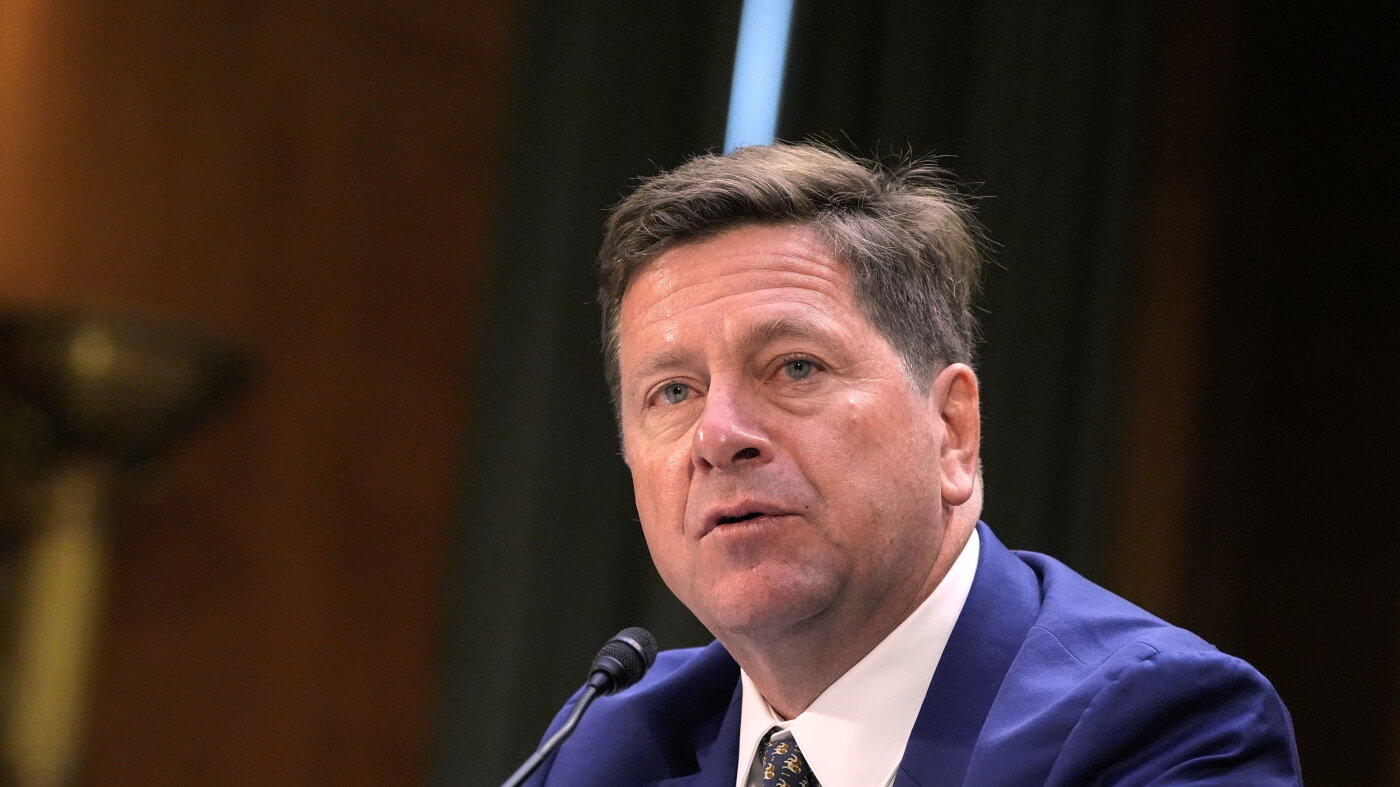
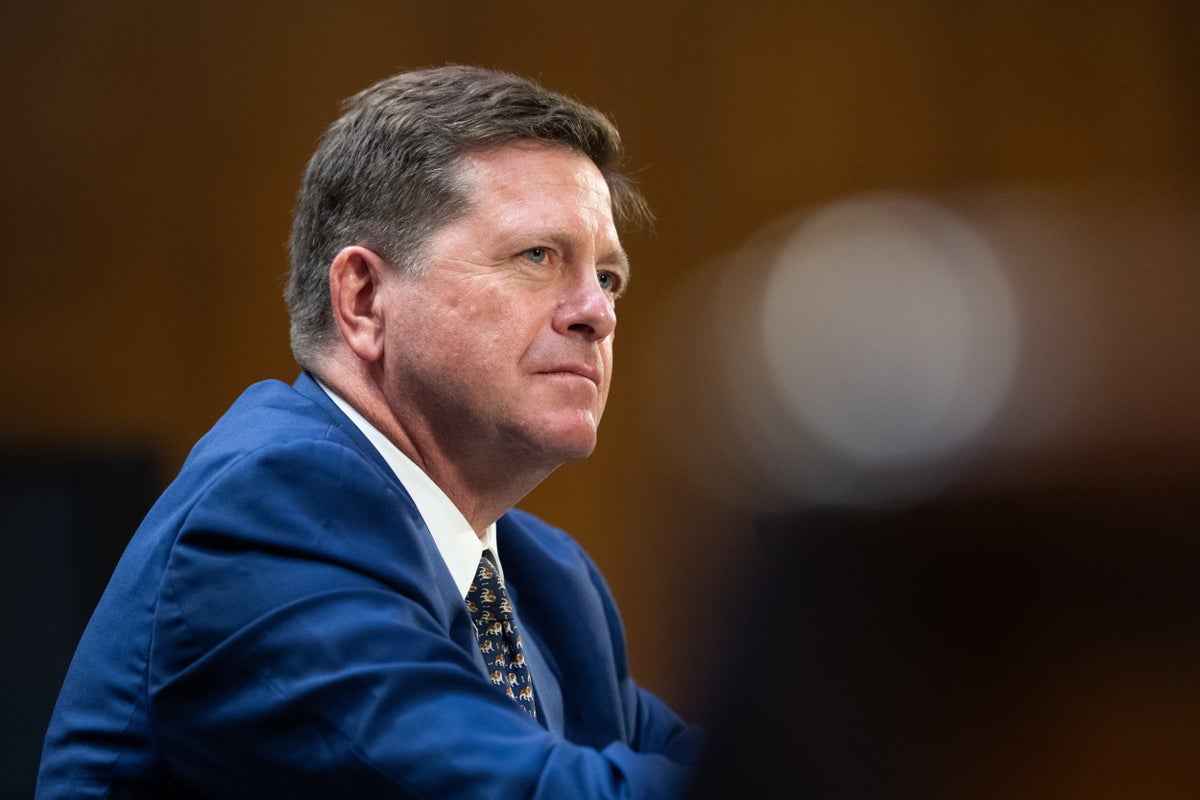
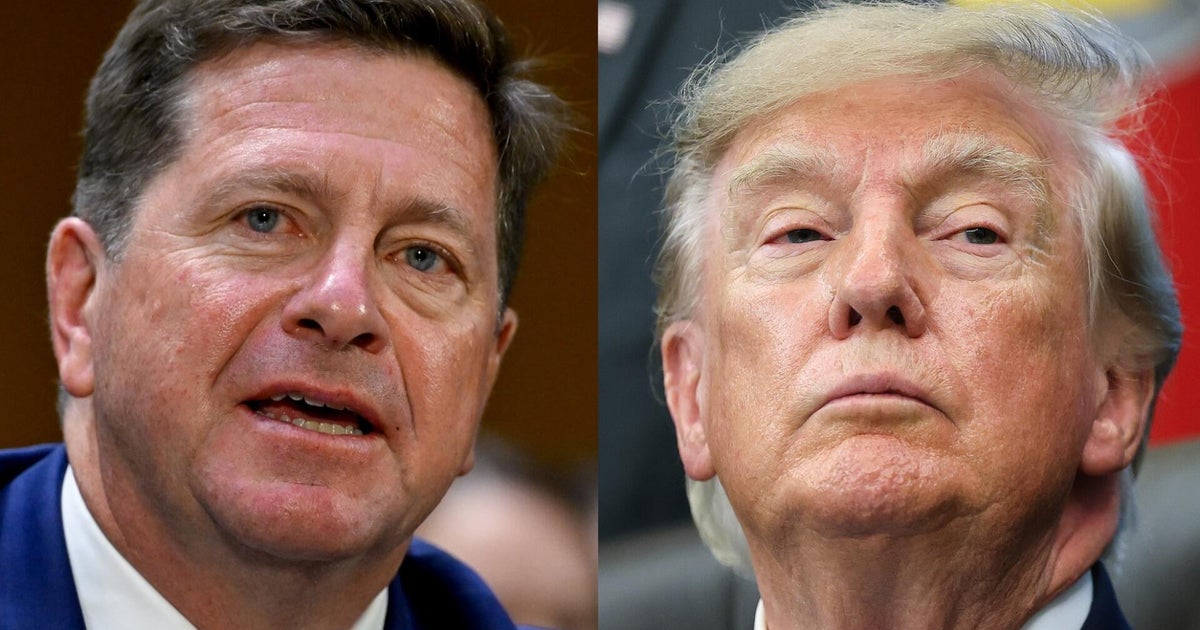
Photo via The Guardian

Trump names intelligence chief Jay Clayton as new White House AI czar

Read the original at The Guardian ↗
Cite

Baio, A. (2026, October 4). Trump names intelligence chief Jay Clayton as new White House AI czar. The Guardian. https://www.theguardian.com/us-news/2026/oct/04/trump-jay-clayton-white-house-ai-czar

Dated when The Aporia collected the article, usually within hours of publication. Check the original for its exact date and byline.

The Guardian · collected 2026-10-04 · by Ariana Baio

Quick Summary

President Donald Trump appointed Jay Clayton, director of national intelligence, to serve also as the new White House AI czar, aiming to coordinate federal engagement with various stakeholders on artificial intelligence. During his Senate confirmation hearing, Clayton acknowledged AI’s dual nature as both an opportunity and a threat, emphasizing the need for comprehensive understanding and management of the technology. Trump announced this move through social media, describing Clayton’s role in leading what he called “the Super Intelligence Force (SIF)” to address rapid technological advancement while safeguarding against potential risks.
Written by AI on 2026-10-04, from this article's own text only (the story summary below draws on all the coverage).

AI analysis

Story summary

President Trump is expected to name Jay Clayton, the Director of National Intelligence, as the White House's artificial intelligence (AI) czar. This decision follows concerns raised by AI company employees about potential risks posed by advanced technology. Clayton already oversees 18 US intelligence agencies and would retain this role while taking on the new responsibility. The announcement could come as early as Friday via social media. Critics argue that Clayton’s dual roles may create conflicts of interest, given his existing responsibilities in national security.

Written for “Trump Names Clayton AI Czar” on 2026-11-01, grounded in this article and the 24 other(s) covering the same event.

Story

📰 Trump Names Clayton AI Czar
Politics · 25 article(s) covering the same event. Compare every outlet's account →

Compared with similar articles

This article reads unscored and hedges 6% of its claims. Each row says how that neighbour differs.
NPR
⚖️ Leans right Hedges 2 of 20 claims Outlet record 60/100
CBC News
Hedges 3 of 15 claims Outlet record 60/100
Dawn
⚖️ Leans left Hedges 2 of 20 claims Outlet record 72/100
The Independent
⚖️ Leans right Hedges 2 of 14 claims Outlet record 59/100
Al Jazeera
Hedges 8 of 24 claims Outlet record 60/100
The Hindu
Hedges 0 of 7 claims Outlet record 60/100
Daily Mail
⚖️ Leans right Hedges 0 of 13 claims Outlet record 68/100
NBC News
Hedges 1 of 15 claims Outlet record 60/100
The Independent
Hedges 4 of 16 claims Outlet record 59/100
CBS News
Hedges 0 of 2 claims Outlet record 66/100
How this article was measured signals, leaning charts, publisher record, byline, topics and claims

Signals How these are calculated →

Claims extracted
18
sentences that state something as happening or true
Uncertain
6%
1 of 18 hedged ("reportedly", "may", "according to")
Leaning
not political
takes no side on a contested political question
Publisher signals
66/100
The Guardian's corrections and hedging, across everything collected from it. Not a measure of accuracy.
Outlets on this story
25
Politics
Same framing elsewhere
1
articles that frame the event the way this one does
Analyzed 2026-10-04 · how these are computed

How this is being covered How these are calculated →

Article leaning vs. publisher reliability
Source leaning vs. consistency

Publisher

The Guardian · 2778 article(s) · 6 correction(s) detected
Running correction rate · 6 correction(s)

Who wrote this

Ariana Baio
36 article(s) here · 1 carrying a prediction
🔮 A spokesperson for Crank’s campaign accused the Epstein-related ad of being “intentionally vague”, in a statement to the Washington Post, because his position was that he would vote against the file’s release until he could be confident that victim information was properly redacted.
🔮 man named Dan J Sullivan entered the Alaska Senate race as a Republican in May, challenging incumbent Republican Dan S Sullivan and Democrat Mary Peltola.
🔮 Peltola’s campaign had denied involvement in encouraging or soliciting Dan J Sullivan, a former educator with no political experience, to run against Dan S Sullivan, according to an Anchorage Daily News report from May.
🔮 In March, McMahon – who is seeking to permanently shutter the Department of Education – announced the department would relocate from its headquarters in the Lyndon B Johnson building to a smaller building in downtown Washington DC, which housed the US Agency for International Development (USAID) before the Trump administration closed it down.
🔮 The new memo, seen by CNN, states that the DHS will be solely responsible for the system’s “employment, use and development of tactics, techniques and procedures”.
🔮 Neil Bush said he sees Talarico as “a principled, pragmatic leader” who has a “willingness to listen to those with whom he disagrees”.
🔮 The new press secretary declined to explain why she took just three questions, but said going forward she would be “very well prepared on the briefing” and “would love, and do love, questions”.
🔮 The notice said law enforcement officials were working to intercept additional mail, but it is possible some could reach their destination.
🔮 Jodi Hunt, a self-described single-issue voter, probed Talarico’s pro-choice stance, asking: “How would you convince me as a Catholic voter that I can trust you would protect the most innocent among us?”
🔮 Mayor Zohran Mamdani and the leader of the New York City council have agreed to ban horse-drawn carriages from the city, a popular tourist attraction that has faced widespread scrutiny.
2026-10-14 · assertive framing · New York City moves to ban horse-drawn carriages
Also by Ariana Baio
Nothing else under this byline is closely related to this article, so these are simply their most recent.
All 36 articles by Ariana Baio →

Topics

Manhattan Senate White House the Securities and Exchange Commission the White House

Subjects

Trump PERSON · 9× Clayton PERSON · 7× White House ORG · 2× the White House ORG · 2× CBS News ORG · 1× Donald Trump PERSON · 1× Jay Clayton PERSON · 1× Manhattan GPE · 1× Senate ORG · 1× the Securities and Exchange Commission ORG · 1×

Narrative

David Sacks, the venture capitalist and tech businessman, served as the administration’s AI and cryptocurrency czar until March 2026, when he reached his employment limit under his designation as a “special government employee”.
framing: assertive · carried by 1 article(s) · first seen 2026-10-04
🔮 CBS News was the first to report that Clayton would be appointed White House AI czar.
2026-10-04 · The Guardian
Trump names intelligence chief Jay Clayton as new White House AI czar · assertive framing

Claims (18 extracted, 1 hedged)

Donald Trump on Sunday named Jay Clayton, the director of national intelligence, to serve also as the new White House AI czar. asserted
Trump → name → czar
Clayton, who leads the US’s 18 intelligence agencies, previously served as the top federal prosecutor in Manhattan and led the Securities and Exchange Commission during Trump’s first term. asserted
who → lead → term
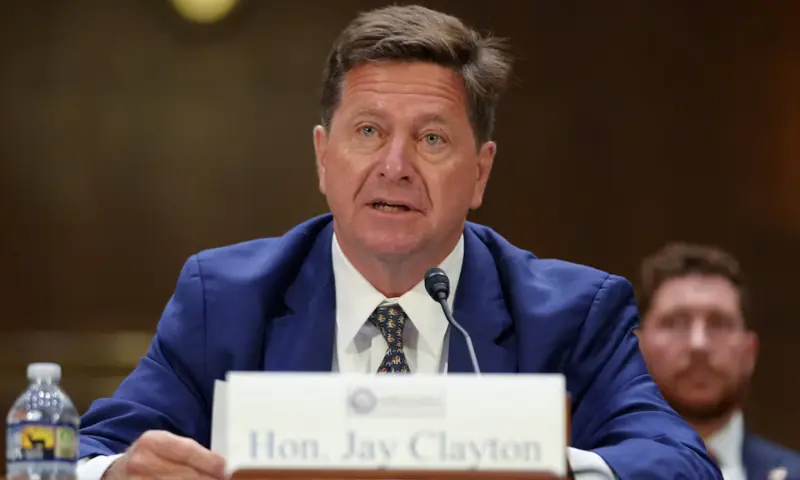
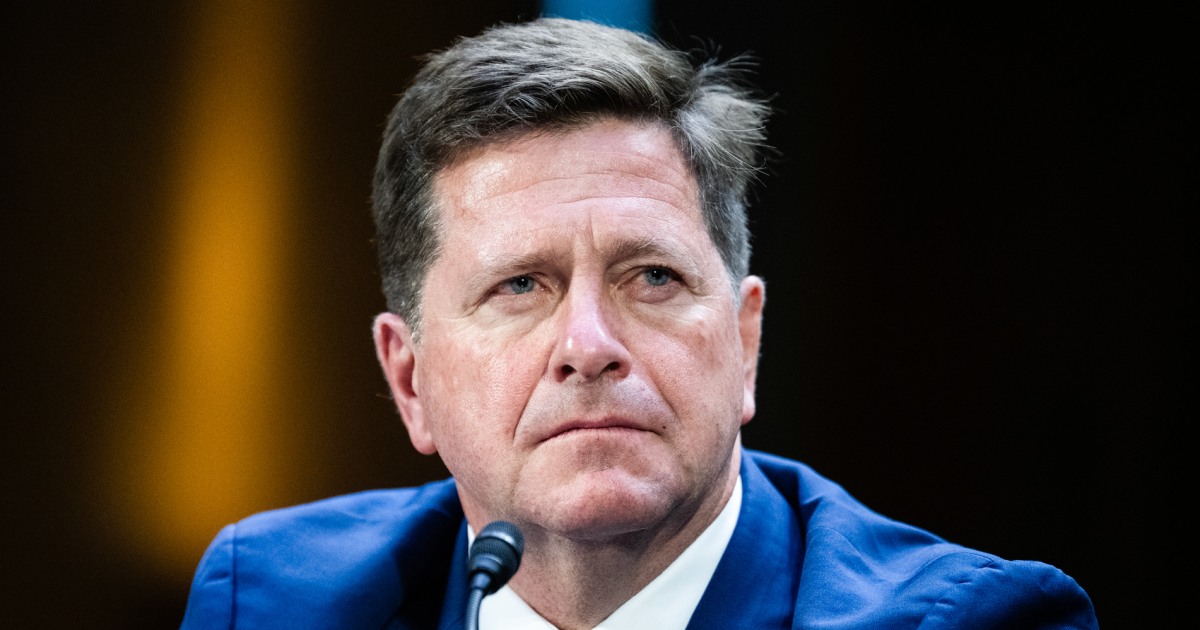
During his Senate confirmation hearing, Clayton said AI was a “gamechanger”, but it also posed “a threat”. asserted
it → say → threat
“When something’s both an opportunity and a threat, you better get your arms around it,” Clayton told lawmakers when asked about AI. asserted
Clayton → ’ → AI
CBS News was the first to report that Clayton would be appointed White House AI czar. asserted
Clayton → report → ?
In a social media post on Sunday, Trump announced that Clayton would lead what the US president called “the Super Intelligence Force (SIF)”. asserted
president → announce → what
Trump’s post also said the SIF would “coordinate the federal government’s engagement with consumers, public interest groups, religious organizations, critical infrastructure providers, and super intelligence companies”. asserted
SIF → say → consumers
In September, Trump announced he was creating an “AI Force” and a czar to oversee the technology’s growth and monitor for “bad” development. asserted
he → announce → development
The announcement came after tech industry leaders warned that AI was developing too rapidly to control and that it could harm humans. uncertain
it → come → humans
The president has largely brushed aside concerns about AI development and the construction of datacenters, which power the technology. asserted
which → brush → technology
Trump has insisted continued development is paramount to defeating China in the global AI race. asserted
development → insist → race
But to address concerns, the president created an advisory committee in addition to the czar – who he previously promised would be led by a “High IQ” individual. asserted
he → address → individual
Trump also recently met with AI industry leaders to discuss concerns. asserted
Trump → meet → concerns
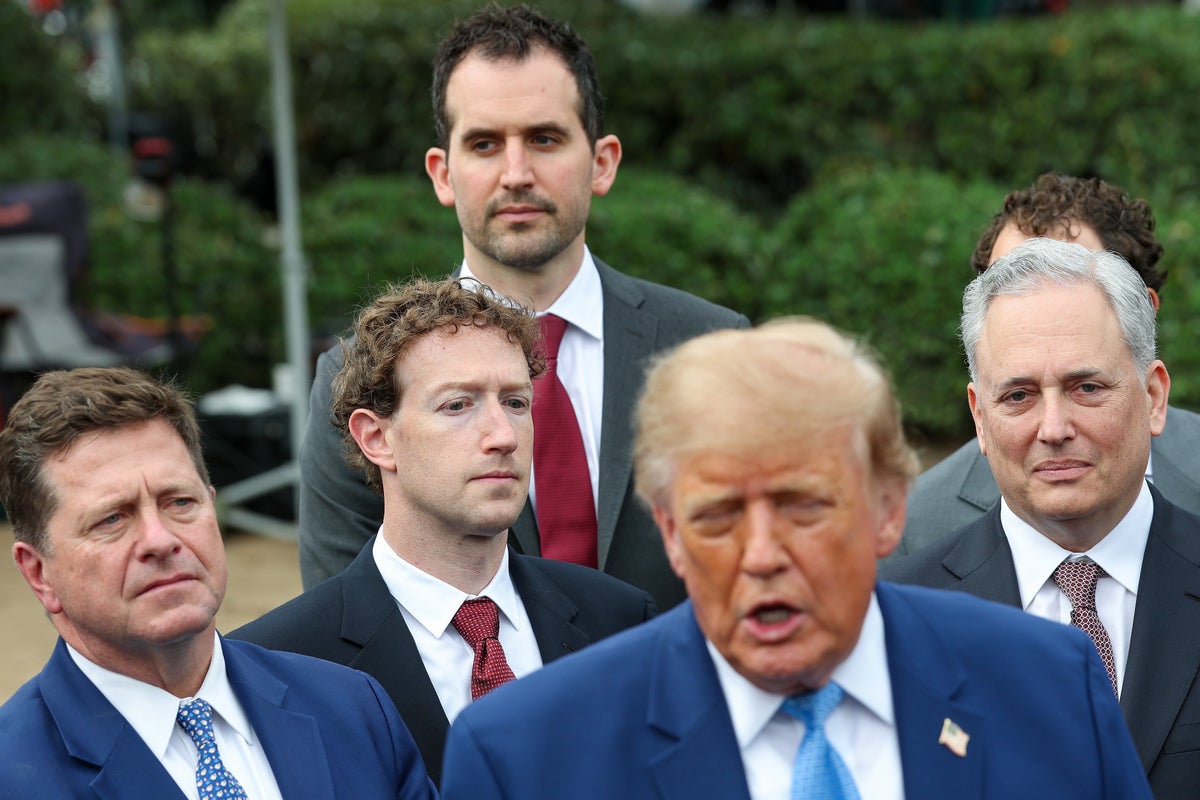
On Tuesday, Trump and six executives signed an AI accord at the White House, promising to create internal and external monitors to ensure the technology is used as intended and any safety issues are addressed. asserted
issues → sign → monitors
Trump had initially created the AI and cryptocurrency czar position when he returned to the White House in January 2025. asserted
he → create → January
David Sacks, the venture capitalist and tech businessman, served as the administration’s AI and cryptocurrency czar until March 2026, when he reached his employment limit under his designation as a “special government employee”. asserted
he → serve → employee
Sacks still co-chairs the President’s Council of Advisors on Science and Technology. asserted
- → co → Science
Trump previously floated Clayton’s name as a potential AI czar, telling Axios in September that Clayton is ‘“a good man” and the prospect of appointing him was “a good idea”. asserted
prospect → float → him

💬Give feedback
🕘History 🎫Support