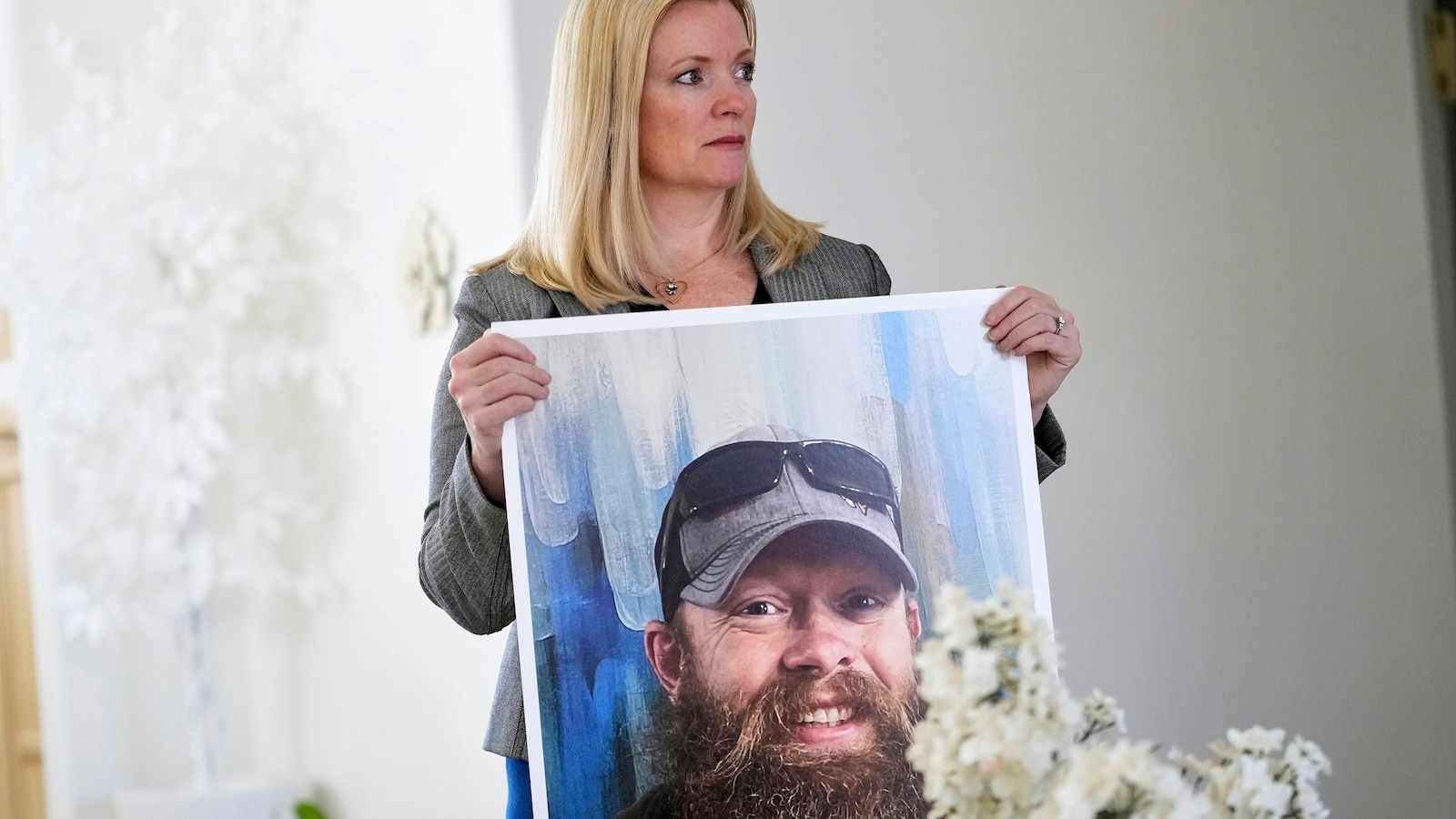
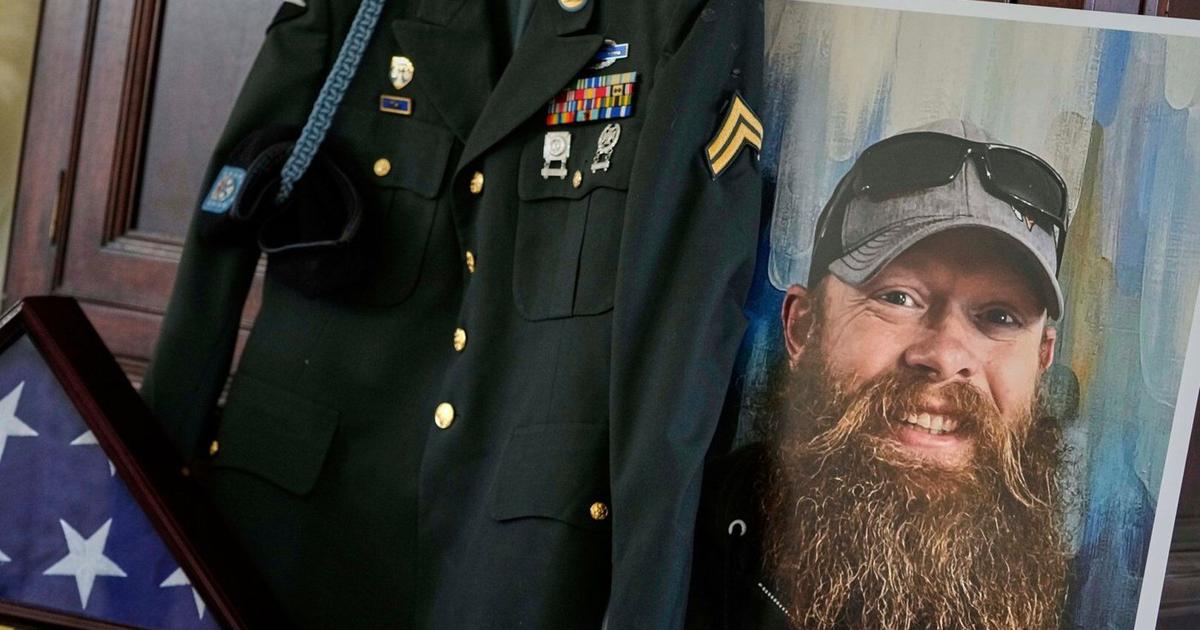
Photo via NBC News

Court throws out killer’s sentence after judge said he ‘loved’ AI video of slain man

Read the original at NBC News ↗
Cite

Yang, A. (2026, October 4). Court throws out killer’s sentence after judge said he ‘loved’ AI video of slain man. NBC News. https://www.nbcnews.com/news/us-news/sentence-vacated-ai-video-dead-victim-rcna601457

Dated when The Aporia collected the article, usually within hours of publication. Check the original for its exact date and byline.

NBC News · collected 2026-10-04 · by Angela Yang

Quick Summary

An Arizona appeals court has overturned Gabriel Paul Horcasitas’s 10 1/2-year sentence for manslaughter in the fatal shooting of Christopher Pelkey. Last year, during sentencing, an AI-generated video featuring a likeness of Pelkey expressing forgiveness was shown; Judge Todd Lang remarked he “loved” it and felt it was genuine. The appeals court ruled this violated Horcasitas’s due process rights because it was unduly prejudicial, as the video did not reflect actual events but rather what Pelkey’s sister believed he would have said.
Written by AI on 2026-10-04, from this article's own text only (the story summary below draws on all the coverage).

AI analysis

Story summary

In Phoenix, Arizona in May 2025, Maricopa County Superior Court Judge Todd Lang sentenced Gabriel Paul Horcasitas to 10 and a half years for the manslaughter conviction related to the fatal shooting of Christopher Pelkey during a road rage incident in November 2021. The sentencing hearing included an AI-generated video created by Pelkey's family, depicting a digital version of Pelkey forgiving his killer. However, on September 30, 2025, the Arizona Court of Appeals overturned Horcasitas' sentence, ruling that allowing the AI video prejudiced the judge and made the sentencing fundamentally unfair due to its unreliable nature.

The court found the video crossed ethical boundaries by presenting thoughts and statements not directly from Pelkey but imagined by his sister, Stacey Wales. This decision highlights a legal precedent regarding the admissibility of artificial intelligence-generated evidence in victim impact statements. Despite this ruling, Horcasitas' conviction remains intact; he will face resentencing due to the improper inclusion of the AI video during the original sentencing proceedings.
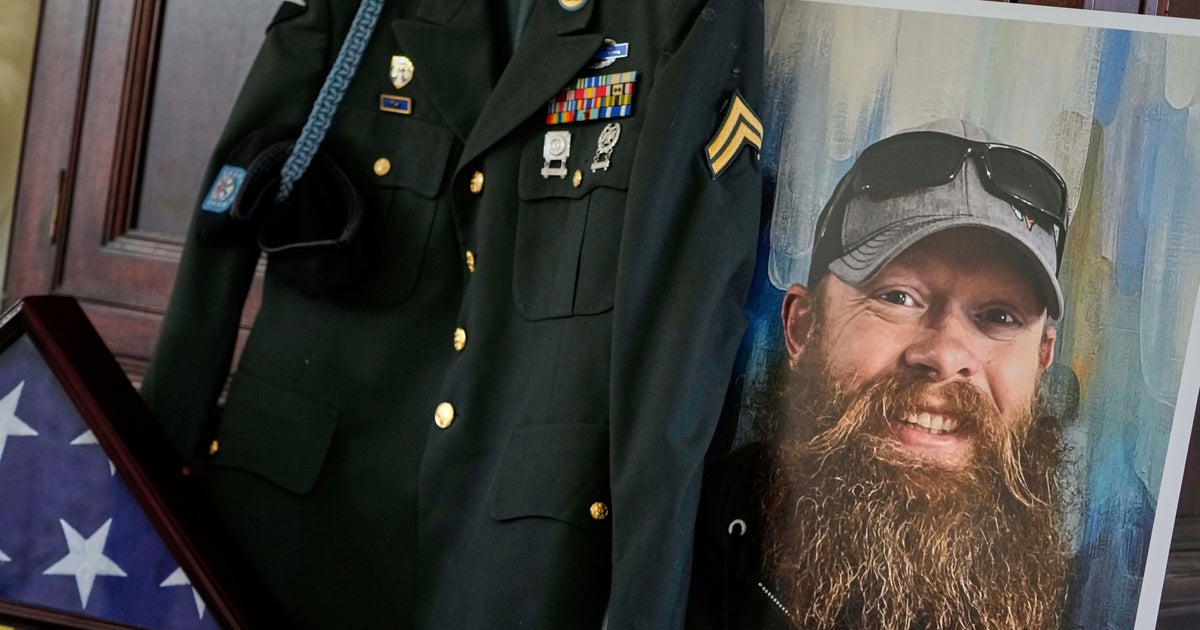
Written for “AI Victim Video Court Case” on 2026-10-30, grounded in this article and the 11 other(s) covering the same event.

Story

📰 AI Victim Video Court Case
Other · 12 article(s) covering the same event. Compare every outlet's account →

Compared with similar articles

This article reads unscored and hedges 14% of its claims. Each row says how that neighbour differs.
CBS News
Hedges 4 of 41 claims Outlet record 66/100
BBC News
Hedges 0 of 15 claims Outlet record 69/100
ABC News (US)
Hedges 3 of 20 claims Outlet record 70/100
The Straits Times
Hedges 0 of 3 claims Outlet record 66/100
Toronto Star
Hedges 3 of 35 claims Outlet record 64/100
Global News
Hedges 4 of 24 claims Outlet record 63/100
404 Media
Hedges 1 of 16 claims Outlet record 95/100
How this article was measured signals, leaning charts, publisher record, byline, topics and claims

Signals How these are calculated →

Claims extracted
22
sentences that state something as happening or true
Uncertain
14%
3 of 22 hedged ("reportedly", "may", "according to")
Leaning
not political
takes no side on a contested political question
Publisher signals
60/100
NBC News's corrections and hedging, across everything collected from it. Not a measure of accuracy.
Outlets on this story
12
Other
Same framing elsewhere
1
articles that frame the event the way this one does
Analyzed 2026-10-04 · how these are computed

How this is being covered How these are calculated →

Article leaning vs. publisher reliability
Source leaning vs. consistency

Publisher

NBC News · 1918 article(s) · 1 correction(s) detected
Running correction rate · 1 correction(s)

Who wrote this

Angela Yang
9 article(s) here · 1 carrying a prediction
🔮 Kelly Clarkson accused a Brooklyn store of treating her as though she couldn’t afford its merchandise.
🔮 Last May, Maricopa County Superior Court Judge Todd Lang gave Gabriel Paul Horcasitas the maximum sentence for the fatal shooting of Christopher Pelkey, 37, on Nov. 13, 2021.
🔮 Because what that girl could’ve really used that night and what she didn’t find was one good man,” Recker added.
🔮 Meta hopes its new AI agent will win people over by being cute.
2026-09-24 · assertive framing · It’s cute. It’s cuddly. And it wants all your data.
🔮 The game’s newest installment will allow players to toggle between the perspectives of Jason and Lucia, who exhibit a Bonnie-and-Clyde dynamic as the player follows their story.
🔮 But for the first time in the franchise’s 28-year history, Rockstar said the newest “GTA” installment will launch without a physical disc.
Also by Angela Yang
Nothing else under this byline is closely related to this article, so these are simply their most recent.
All 9 articles by Angela Yang →

Topics

Arizona Horcasitas Maricopa County Superior Court Phoenix the Arizona Court of Appeals

Subjects

Pelkey PERSON · 9× Horcasitas PERSON · 7× Lang PERSON · 4× Arizona GPE · 1× Christopher Pelkey PERSON · 1× Gabriel Paul Horcasitas PERSON · 1× Maricopa County Superior Court ORG · 1× Phoenix GPE · 1× Todd Lang PERSON · 1× the Arizona Court of Appeals ORG · 1×

Narrative

But the appeals court found the video “crossed that line” from permissible to unduly prejudicial, noting that it “does not reflect actual events.” “Indeed, rather than documenting an event or recording a particular moment,” it stated, “the AI video presents a depiction of the victim and his thoughts created from the imaginings of the victim’s sister.”
framing: assertive · carried by 1 article(s) · first seen 2026-10-04
🔮 Last May, Maricopa County Superior Court Judge Todd Lang gave Gabriel Paul Horcasitas the maximum sentence for the fatal shooting of Christopher Pelkey, 37, on Nov. 13, 2021.

Claims (22 extracted, 3 hedged)

The family of a road rage victim in Arizona used his likeness to create a posthumous AI video played at his killer’s sentencing last year. asserted
family → use → sentencing
Now, an appeals court has vacated the sentence, calling the decision to allow the video a “fundamental error.” asserted
court → vacate → video
Last May, Maricopa County Superior Court Judge Todd Lang gave Gabriel Paul Horcasitas the maximum sentence for the fatal shooting of Christopher Pelkey, 37, on Nov. 13, 2021. uncertain
Lang → give → Nov.
Horcasitas, 54, was convicted of manslaughter and endangerment. asserted
Horcasitas → convict → manslaughter
The 10 1/2-year sentence was handed down after an AI-generated video was played in court in which a replica of Pelkey voiced “forgiveness” for Horcasitas. asserted
replica → hand → Horcasitas
On Wednesday, the Arizona Court of Appeals in Phoenix ordered a resentencing, writing that the video “clearly impacted the sentencing judge, who said he ‘loved’ the video and felt it ‘was genuine.’” asserted
it → order → video
“On this record, the judge’s consideration of the AI video so prejudiced Horcasitas as to render the sentencing procedure fundamentally unfair,” the appellate judges stated. asserted
judges → prejudice → Horcasitas
“Accordingly, we vacate the sentence for manslaughter and remand for resentencing.” asserted
we → vacate → resentencing
NBC News has reached out to lawyers for Horcasitas and for Pelkey’s family for comment. asserted
News → reach → comment
At the 2025 sentencing, the AI version of Pelkey, created by his sister Stacey Wales, appeared to ask the judge for leniency. asserted
version → create → leniency
“To Gabriel Horcasitas, the man who shot me: It is a shame we encountered each other that day in those circumstances,” the artificial version of Pelkey said. asserted
version → shoot → Pelkey
I believe in forgiveness.” asserted
I → believe → forgiveness
Lang appeared to be moved by the presentation. asserted
Lang → appear → presentation
“I loved that AI. asserted
I → love → AI
Thank you for that, and as angry as you are and justifiably angry as the family is, I heard the forgiveness and I know Mr. Horcasitas appreciated it, but so did I,” Lang said at the hearing. asserted
Lang → thank → hearing
He added that he felt the video was “genuine, that his obvious forgiveness of Mr. Horcasitas reflects the character I heard about [Pelkey] today.” asserted
I → add → Pelkey
“But it also says something about the family because you told me how angry you were and you demanded the maximum sentence, and even though that’s what you wanted you allowed [Pelkey] to speak from his heart as you saw it,” Lang said. asserted
Lang → say → it
“I didn’t hear him asking for the maximum sentence.” asserted
him → hear → sentence
The defense had requested the lowest possible sentence, but Lang imposed the maximum, saying that despite Horcasitas’ “remorse” and otherwise “lawful life,” the loss described by Pelkey’s family “could not be more profound.” uncertain
loss → request → family
According to the appeals court, Horcasitas argued he was denied due process because the sentencing court heard and relied on the AI video. uncertain
court → accord → video
The state countered that the video reflected what Pelkey’s sister believed he “would have said” and that it was “consistent” with Pelkey’s written account of his beliefs and values. asserted
it → counter → beliefs
But the appeals court found the video “crossed that line” from permissible to unduly prejudicial, noting that it “does not reflect actual events.” “Indeed, rather than documenting an event or recording a particular moment,” it stated, “the AI video presents a depiction of the victim and his thoughts created from the imaginings of the victim’s sister.” asserted
video → find → sister
💬Give feedback
🕘History 🎫Support