Ever since the far-right, anti-immigrant Alternative for Germany (AfD) party won a regional election last month, not a day goes by without Ola Akhras and her husband discussing whether they should go back to Syria.
asserted
they → win → Syria
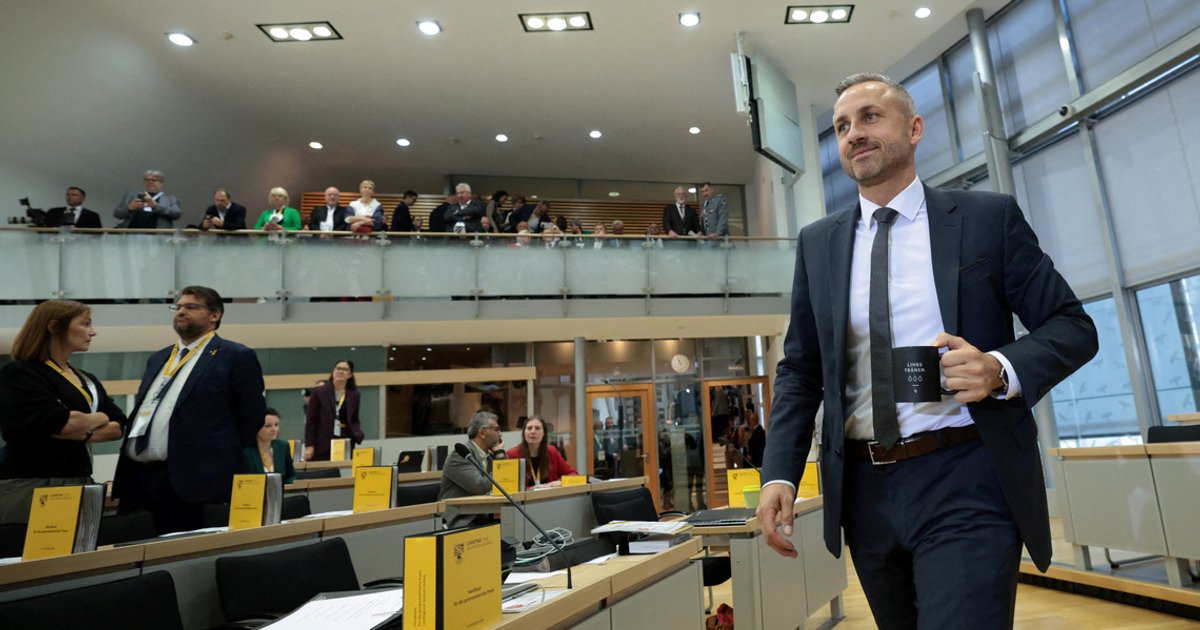
The couple live with their two young daughters in Magdeburg, where Saxony-Anhalt's newly elected State legislature was set to meet on Tuesday (October 6, 2026), for the first time since the AfD surged to its best result yet, putting it in a strong position to form Germany's first far-right regional government since the Second World War.
asserted
AfD → live → War
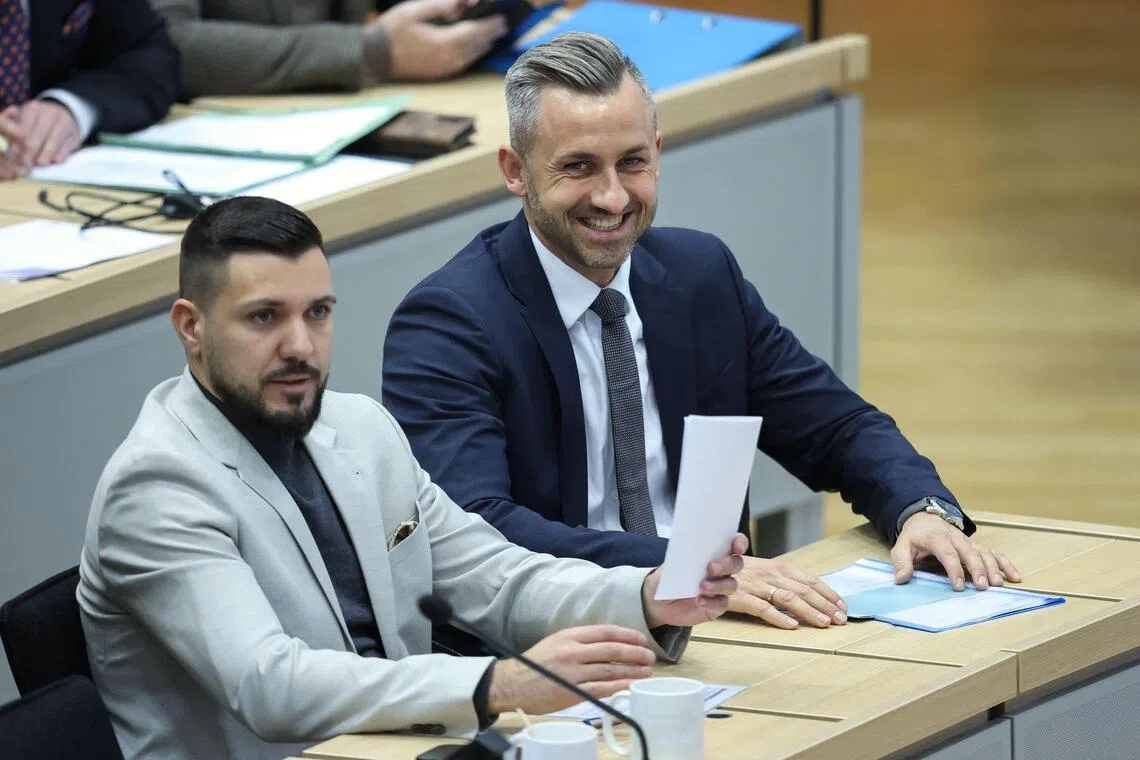
During its first sitting, the 83-seat legislature will elect its Speaker, a post that traditionally goes to the largest party, and the AfD hopes for an initial symbolic victory.
asserted
AfD → elect → victory
The State's next Governor is unlikely to be chosen before December 2026.
asserted
Governor → choose → December
"It's bad — we've built our lives here, we really loved being here, but now we don't feel welcome anymore," said Ms. Akhras, who fled Homs for Germany in 2018.
asserted
who → build → 2018
She speaks fluent German and works as a doctor at the local hospital, where she is completing her specialist training in internal medicine.
asserted
she → speak → medicine
Ms. Akhras, who wears a hijab, said she felt appreciated at work, but had lately encountered hostility while shopping and no longer felt safe leaving home in the evening.
asserted
she → wear → evening
"Our children will never be recognised as Germans here," she said.
asserted
she → recognise → Germans
The mood toward migrants has soured since 1 million arrived in 2015
The mood in society is very different from a decade ago, when Germans welcomed more than a million migrants from war-torn countries such as Syria, Iraq and Afghanistan, under Chancellor Angela Merkel.
asserted
Germans → sour → Merkel
Many built new lives, learned the language and found work.
asserted
Many → build → work
However, as Germany's economic problems — slow growth, high inflation, rising energy prices — have worsened, public sentiment towards the newcomers has deteriorated.
asserted
sentiment → rise → newcomers
The AfD and other critics of immigration have blamed migrants for the country's problems.
asserted
AfD → blame → problems
The 13-year-old party has gained support particularly rapidly in Germany's formerly Communist and economically weaker eastern States, including Saxony-Anhalt, though it also continues to gain at the national level; it is the strongest Opposition party in parliament and leads recent polls.
asserted
it → gain → polls
The AfD's victory in Saxony-Anhalt last month underlined the party's skill in capitalising on discontent with issues well beyond its core theme of curbing immigration, as Chancellor Friedrich Merz's unpopular national government struggles to turn around Germany's stubbornly sluggish economy.
asserted
government → underline → economy
The party's strong showing has unsettled migrants and those Germans who thought the nation was immune to nationalism after the horrors of the Nazi past.
asserted
nation → unsettle → past
Many migrants fear AfD's campaign will lead to more deportations
It remains uncertain whether the AfD will form the next government in Saxony-Anhalt — it fell three seats short of a majority in the September 6, 2026, election.
asserted
it → fear → election
But many immigrants and refugees fear that if the far-right party succeeds in heading the State government, it could try to implement its campaign promises, which include more and faster deportations, as well as restrictions on the admission of asylum seekers.
uncertain
which → fear → seekers
There are no figures yet showing whether racist incidents have increased since the election, but "counselling centres are extremely busy, the phones are ringing off the hook, counselling appointments are fully booked, and people are in great need of counselling and support," said Undra Dressler, Executive Director of the Saxony-Anhalt State Network of Migrant Organisations.
"We know of people who have left, people who are considering it, and people who have made a conscious decision against it and say: 'I'm staying.
asserted
I → be → it
I won't accept these conditions.
asserted
I → accept → conditions
Now more than ever, I'm going to get involved,'" Ms. Dressler said.
asserted
Dressler → go → ?
One of those determined to stay is Mohamad Aldabagh, a pharmacist from Homs who fled to Germany in 2015, at the height of Syria's civil war, when hundreds of thousands crossed the Mediterranean on flimsy rubber boats in hopes of finding a safer future in Europe.
asserted
thousands → determine → Europe
"It's been a very good experience living in Germany over the past 10 years," said Mr. Aldabagh, 34, a father of two young children who works at a pharmacy in Magdeburg.
asserted
who → live → Magdeburg
"I've rebuilt my life here, and I won't let anyone take that away from me."
asserted
anyone → rebuild → me
While he said he had also experienced racism, he believes that skilled workers like himself, or the many foreign doctors working in Germany, are needed, and that society cannot afford to treat them badly.
asserted
society → say → them
AfD wants no ‘culturally foreign’ workers despite skilled labour shortage
While the AfD's programme for Saxony-Anhalt does not reject labour migration altogether, it takes a highly selective approach to recruiting foreign workers.
asserted
it → want → workers
The party explicitly proposes refraining from recruiting workers it describes as "culturally foreign," and ending a State programme designed to support the integration of foreign skilled workers, said Rahim Hajji, a professor of social and health services at Magdeburg-Stendal University of Applied Sciences.
asserted
Hajji → propose → Sciences
"This raises a fundamental question," Mr. Hajji said.
asserted
Hajji → raise → question
"How is a state with an ageing population and growing labour shortages supposed to meet its demand for skilled workers if it substantially restricts the pool of international workers it is willing to recruit?"
asserted
it → age → workers
As of August 2026, more than one in four doctors, or 27.1%, in Saxony-Anhalt's hospitals did not hold German citizenship, according to a survey by the Mediendienst Integration group, which researches migration in Germany.
uncertain
which → hold → Germany
"We want to contribute to the well-being of society here," Mr. Aldabagh said.
asserted
Aldabagh → want → society
"We are needed.
asserted
We → need → ?
He paused, and added: "But if we don't get respect anymore, then we'll move to another state where AfD isn't as strong."
asserted
AfD → pause → state
 The Aporia