Photo via BBC News

What is pneumonic plague and how does it spread?

Read the original at BBC News ↗
Cite

Hughes, D. (2026, October 6). What is pneumonic plague and how does it spread? BBC News. https://www.bbc.co.uk/news/articles/cxdd8035jzn3o?at_medium=RSS&at_campaign=rss

Dated when The Aporia collected the article, usually within hours of publication. Check the original for its exact date and byline.

BBC News · collected 2026-10-06 · by Dominic Hughes

Quick Summary

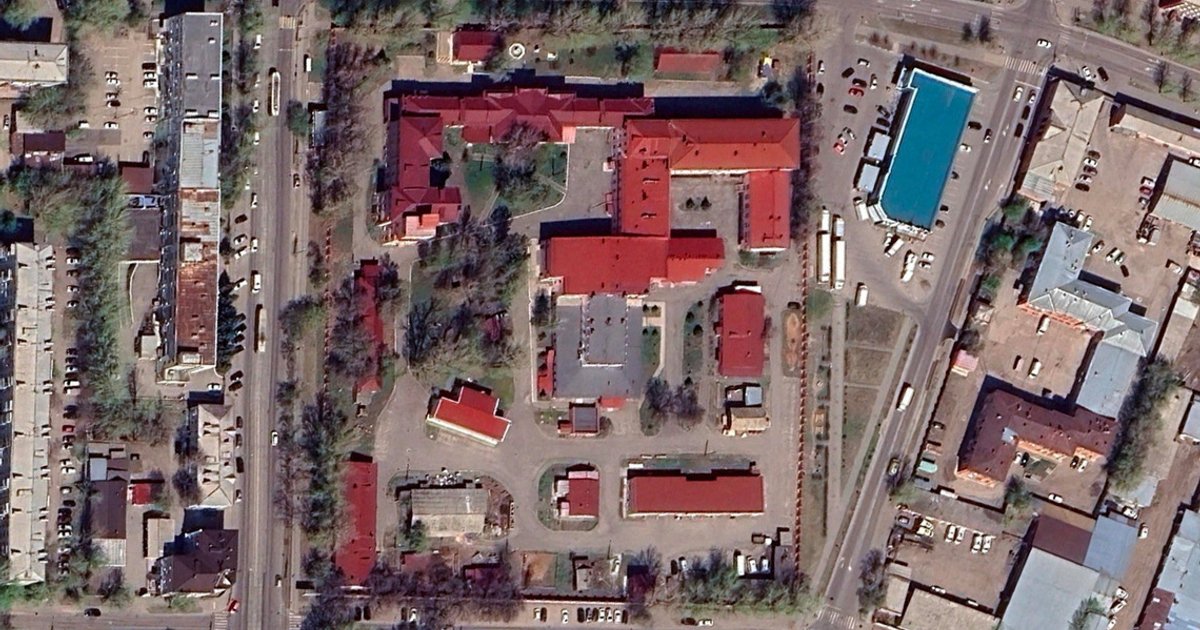
The World Health Organization has requested additional information from Russia regarding the death of a worker at a Siberian plague research laboratory. Russian officials are investigating but maintain that those who came into contact with the deceased tested negative for pneumonic plague. Pneumonic plague is a severe lung infection, often occurring after initial bubonic or septicaemic infections; it spreads through airborne droplets from coughing and close contact. Annual global cases of all plague types range between 1,000 to 3,000, mostly bubonic and concentrated in central Africa but also present in Russia, India, China, and the United States.
Written by AI on 2026-10-06, from this article's own text only (the story summary below draws on all the coverage).

AI analysis

Story summary

A 28-year-old laboratory assistant named Darya Shipilova died in early October after reportedly breaking a test tube containing potentially dangerous pathogens at the Irkutsk Anti-Plague Research Institute in Shelekhov, Russia. Despite extensive speculation that she may have contracted pneumonic plague, Russian authorities continue to maintain that her death was due to pneumonia of unknown origin and have not identified the specific pathogen involved. At least 197 people who had close contact with Shipilova were placed under quarantine or surveillance, while international health organizations like the CDC remain vigilant but assert that the risk to other countries is minimal. The incident has sparked concerns about Russia's transparency regarding biological research and safety protocols at such facilities.

Written for “Plague Outbreak In Siberia” on 2026-11-02, grounded in this article and the 113 other(s) covering the same event.

Story

📰 Plague Outbreak In Siberia
Health · 114 article(s) covering the same event. Compare every outlet's account →

Compared with similar articles

This article reads unscored and hedges 6% of its claims. Each row says how that neighbour differs.
The Straits Times
Hedges 1 of 10 claims Outlet record 66/100
NBC News
Hedges 4 of 21 claims Outlet record 60/100
“Article A reports on a specific incident involving a lab worker's death and people under medical observation, while Article B is an informational piece about pneumonic plague in general.”
The Straits Times
Hedges 2 of 21 claims Outlet record 66/100
CBS News
Hedges 1 of 3 claims Outlet record 66/100
TIME
Hedges 6 of 62 claims Outlet record 59/100
Al Jazeera
Hedges 1 of 23 claims Outlet record 60/100
“Article A discusses initial reports and investigation into a single case of pneumonic plague, while Article B specifically addresses dismissals of media reports suggesting a second case.”
The Hindu
Hedges 4 of 27 claims Outlet record 77/100
Toronto Star
Hedges 1 of 3 claims Outlet record 64/100
Al Jazeera
Hedges 0 of 19 claims Outlet record 60/100
NBC News
Hedges 6 of 51 claims Outlet record 60/100
“Article A describes the death of a woman in Russia and speculates about pneumonic plague, while Article B focuses on explaining what pneumonic plague is and does not specifically report on the same incident described in Article A.”
How this article was measured signals, leaning charts, publisher record, byline, topics and claims

Signals How these are calculated →

Claims extracted
35
sentences that state something as happening or true
Uncertain
6%
2 of 35 hedged ("reportedly", "may", "according to")
Leaning
not political
takes no side on a contested political question
Publisher signals
68/100
BBC News's corrections and hedging, across everything collected from it. Not a measure of accuracy.
Outlets on this story
114
Health
Same framing elsewhere
1
articles that frame the event the way this one does
Analyzed 2026-10-06 · how these are computed

How this is being covered How these are calculated →

Article leaning vs. publisher reliability
Source leaning vs. consistency

Publisher

BBC News · 4845 article(s) · 6 correction(s) detected
Running correction rate · 6 correction(s)

Who wrote this

Dominic Hughes
2 article(s) here · 1 carrying a prediction
🔮 Some textbooks will say it has 100% mortality if left untreated, and it's difficult to have accurate figures in the modern age. "
2026-10-06 · assertive framing · What is pneumonic plague and how does it spread?
🔮 - Published Many will have experienced it – that feeling at 3pm when all you want to do is go to bed and sleep like a log.
2026-08-06 · assertive framing · Sunshine to meal times: How to beat jet lag
Also by Dominic Hughes
Nothing else under this byline is closely related to this article, so these are simply their most recent.

Topics

India Russia Russian Siberian The World Health Organization

Subjects

Russia GPE · 2× The World Health Organization ORG · 2× China GPE · 1× India GPE · 1× Piero Olliaro PERSON · 1× Russian NORP · 1× Siberian NORP · 1× Zania Stamataki PERSON · 1× the United States GPE · 1× the University of Oxford ORG · 1×

Narrative

The authorities in Russia have issued a statement saying that tests had shown "no microorganisms associated with the patient's professional activities" – and so at this stage it is still not quite clear what has happened. US President Donald Trump said Washington was looking "very strongly" at the case, while Secretary of State Marco Rubio said there was no cause for alarm.
framing: assertive · carried by 1 article(s) · first seen 2026-10-06
🔮 Some textbooks will say it has 100% mortality if left untreated, and it's difficult to have accurate figures in the modern age. "
2026-10-06 · BBC News
What is pneumonic plague and how does it spread? · assertive framing

Claims (35 extracted, 2 hedged)

- Published The World Health Organization has asked Russia for more information on the death of a worker at a Siberian plague research laboratory. asserted
Organization → publish → laboratory
It is still not clear exactly what led to the worker falling ill, but media reports have led to a flurry of speculation. asserted
reports → lead → speculation
Russian officials are still investigating the cause of the death, but they say those who came into contact with the researcher all tested negative for pneumonic plague. asserted
who → investigate → plague
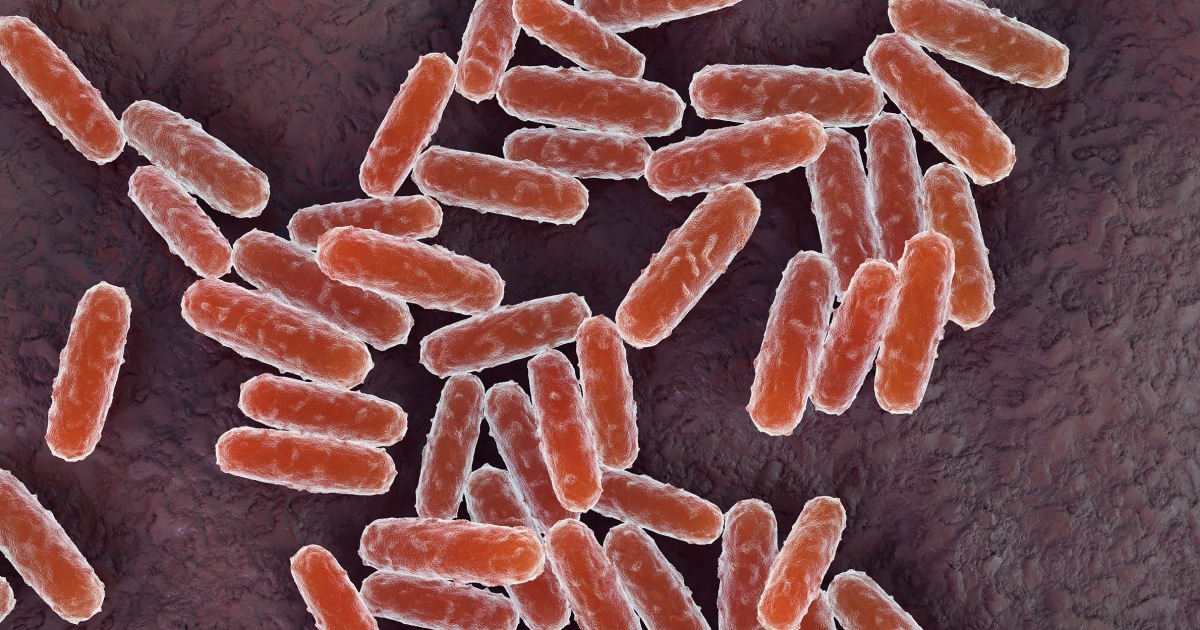
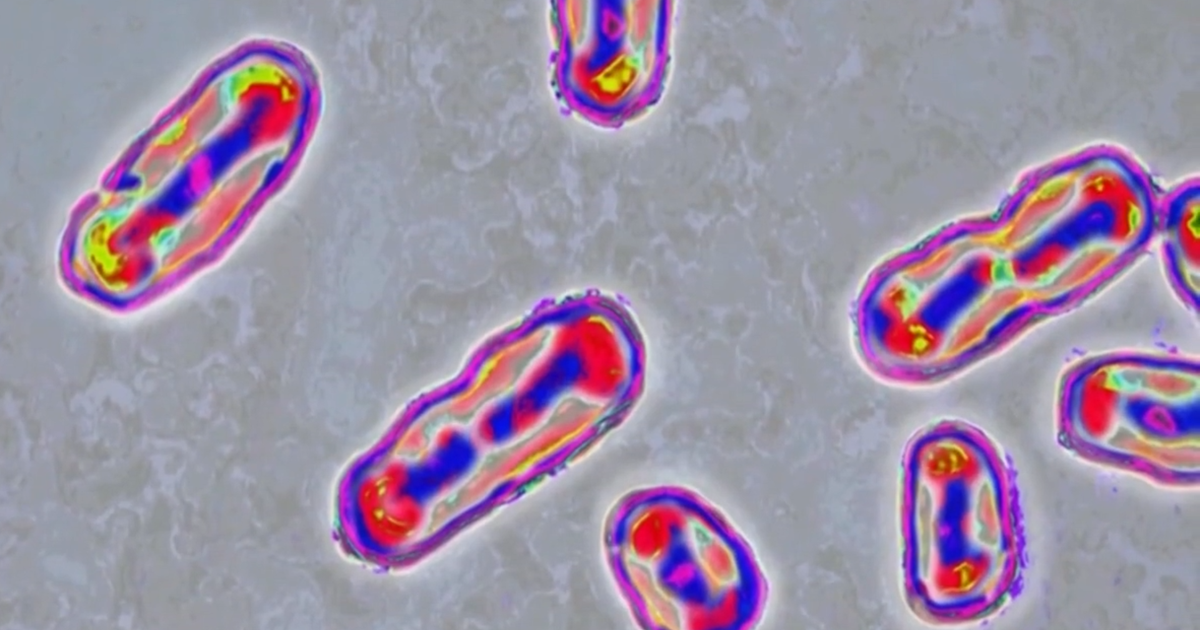
Pneumonic plague is a really serious lung infection, often described as the most virulent form of plague. asserted
plague → describe → plague
There are two other types of plague: bubonic, which affects the lymph nodes; and septicaemic, which affects the blood. asserted
which → be → blood
Pneumonic plague can occur after an initial infection of one of these other types. asserted
plague → occur → types
Symptoms include shortness of breath, chest pain, and often coughing up blood. asserted
Symptoms → include → blood
It's regarded as being more serious but less common than bubonic plague. asserted
It → regard → plague
The global number of infections of all three types of plague varies each year, but it is probably somewhere between 1,000 to 3,000 cases. asserted
it → vary → plague
Most of these are bubonic plague, and many of them occur in central Africa, but cases also develop in other places, including Russia, India, China, and the United States. asserted
cases → occur → Russia
Prof Piero Olliaro is Professor of Poverty-Related Infectious Diseases at the University of Oxford. asserted
Olliaro → relate → Oxford
He said: "Plague itself has not disappeared: the bacterium that causes it, Yersinia pestis, persists in animal reservoirs across many parts of the world. asserted
that → say → world
Around 200 rodent species can harbour the bacterium, with reservoirs found across the Americas, Eurasia and Africa. asserted
reservoirs → harbour → Americas
"Sporadic human cases therefore continue to occur, but established surveillance, infection-control measures and effective antibiotic treatment are important tools for limiting their impact. asserted
surveillance → continue → impact
" How does it spread? asserted
it → spread → ?
Plague is an infectious disease caused by bacteria usually found in small mammals and their fleas. asserted
Plague → cause → mammals
You can catch it by getting bitten by an infected flea or handling an infected animal. asserted
You → catch → animal
But human-to-human transmission of pneumonic plague is also possible through coughing infected droplets into the air, which are then breathed in by another person, although this normally requires quite close contact. asserted
this → cough → contact
You can also develop it if you have had septicaemic plague and the infection then spreads into the lungs. asserted
infection → develop → lungs
It's thought that pneumonic plague was the main type of plague behind what is known as the Black Death, the massive outbreak that killed millions of people across Europe in the 14th Century. asserted
that → think → Century
Dr Zania Stamataki, Associate Professor of Viral Immunology at the University of Birmingham, says it is important that researchers are able to study diseases like plague. " asserted
researchers → say → plague
I understand why people find the idea of plague in a laboratory alarming, so it is worth saying why that work exists," she said. asserted
she → understand → laboratory
It remains endemic in rodent populations across Africa, Asia and the Americas, and human cases occur every year, including outbreaks of the pneumonic form. "Diagnostics, vaccine development and surveillance for antibiotic resistance all require laboratories that hold and study the live organism. asserted
that → remain → organism
"This work is vital to prepare against outbreaks." asserted
work → prepare → outbreaks
Can it be treated? asserted
it → treat → ?
According to the World Health Organization, pneumonic plague has a very short incubation period - sometimes just 24 hours. uncertain
plague → accord → period
If it isn't diagnosed and then treated quickly, experts warn it is nearly always fatal. asserted
it → diagnose → ?
But the good news is that plague responds well to antibiotics if the treatment starts early. asserted
treatment → respond → antibiotics
Dr Malick Gibani, Clinical Associate Professor in Bacterial Vaccinology at Imperial College London, says the infection is widely recognised as a serious threat to public health. asserted
infection → say → health
Some textbooks will say it has 100% mortality if left untreated, and it's difficult to have accurate figures in the modern age. " asserted
it → say → age
It is treatable with antibiotics, particularly if started early. asserted
It → start → antibiotics
That's why anyone with high-risk potential exposure might be offered post-exposure prophylaxis with antibiotics and/or quarantine." uncertain
anyone → offer → antibiotics
In the Russian case, it is still not yet clear whether the person who died was infected by pneumonic plague. asserted
who → die → plague
The authorities in Russia have issued a statement saying that tests had shown "no microorganisms associated with the patient's professional activities" – and so at this stage it is still not quite clear what has happened. US President Donald Trump said Washington was looking "very strongly" at the case, while Secretary of State Marco Rubio said there was no cause for alarm. asserted
Rubio → issue → alarm
The UK's Health and Safety Authority said it was seeking more information, but that the risk to Britain's population was "very low". asserted
risk → say → population

💬Give feedback
🕘History 🎫Support