Photo via The Sydney Morning Herald

‘There’s plenty you can do’: The lifestyle changes you can make to curb the risk of dementia

Read the original at The Sydney Morning Herald ↗
Cite

Weaver, C. (2026, October 6). ‘There’s plenty you can do’: The lifestyle changes you can make to curb the risk of dementia. The Sydney Morning Herald. https://www.smh.com.au/lifestyle/health-and-wellness/there-s-plenty-you-can-do-the-lifestyle-changes-you-can-make-to-curb-the-risk-of-dementia-20261007-p61152.html?ref=rss&utm_medium=rss&utm_source=rss_feed

Dated when The Aporia collected the article, usually within hours of publication. Check the original for its exact date and byline.

The Sydney Morning Herald · collected 2026-10-06 · by Clair Weaver

Quick Summary

This article reports on recent medical advances indicating that individuals have more control over their dementia risk than previously thought. The World Health Organization now estimates that at least 45% of dementia cases are linked to modifiable factors, rising to 50% in Australia according to Professor Kaarin Anstey. Key lifestyle changes include managing hearing and vision loss, reducing high cholesterol levels, and maintaining general health through exercise, diet, and smoking cessation. These measures can significantly lower the risk of developing dementia later in life.
Written by AI on 2026-10-06, from this article's own text only (the story summary below draws on all the coverage).

AI analysis

Story summary

Until recently, dementia was seen as inevitable and untreatable, with no individual actions that could reduce risk. However, Professor Henry Brodaty of the University of NSW’s Centre for Healthy Ageing has spearheaded significant changes in dementia awareness since the 1970s, transforming it from a minor topic to one attracting over 10,000 attendees at the world's largest research conference this year. The World Health Organisation (WHO) now states that up to 45% of dementia risk can be attributed to modifiable factors, rising to 50% in Australia according to Professor Kaarin Anstey, a member of the WHO’s dementia guidelines panel. This shift indicates substantial progress and offers hope for individuals seeking ways to lower their risk through lifestyle changes.

Written for “Dementia Risk Reduction Tips” on 2026-11-03, grounded in this article and the 0 other(s) covering the same event.

Story

📰 Dementia Risk Reduction Tips
Health · 1 article(s) covering the same event.

Compared with similar articles

This article reads unscored and hedges 14% of its claims. Each row says how that neighbour differs.
Daily Mail
Hedges 5 of 16 claims Outlet record 69/100
“The articles discuss different aspects of dementia prevention; one focuses on a specific finding about baking soda while the other provides an overview of changes in understanding and approaches to preventing dementia.”
The Sydney Morning Herald
Hedges 3 of 38 claims Outlet record 61/100
“The articles discuss different aspects of dementia research and prevention over time, rather than a single specific incident.”
New York Post
Hedges 1 of 41 claims Outlet record 66/100
“The articles discuss different topics within geriatrics, with Article A focusing on common aging mistakes and Article B discussing lifestyle changes to prevent dementia.”
The Sydney Morning Herald
Hedges 14 of 112 claims Outlet record 61/100
“The articles discuss different aspects of dementia research and treatment over time, not a single specific event.”
Daily Mail
⚖️ Leans left Hedges 2 of 53 claims Outlet record 69/100
“The articles discuss different aspects of dementia awareness and research without describing the same specific incident.”
How this article was measured signals, leaning charts, publisher record, byline, topics and claims

Signals How these are calculated →

Claims extracted
127
sentences that state something as happening or true
Uncertain
14%
18 of 127 hedged ("reportedly", "may", "according to")
Leaning
not political
takes no side on a contested political question
Publisher signals
61/100
The Sydney Morning Herald's corrections and hedging, across everything collected from it. Not a measure of accuracy.
Outlets on this story
1
Health
Same framing elsewhere
1
articles that frame the event the way this one does
Analyzed 2026-10-06 · how these are computed

How this is being covered How these are calculated →

Article leaning vs. publisher reliability
Source leaning vs. consistency

Publisher

The Sydney Morning Herald · 5874 article(s) · 15 correction(s) detected
Running correction rate · 15 correction(s)

Who wrote this

Clair Weaver
9 article(s) here · 1 carrying a prediction
🔮 The revelation comes as NSW Police on Sunday launched its Armed Response Command, a permanent rapid response team that carry long arm assault rifles and will gradually replace Operation Shelter.
2026-11-01 · assertive framing · Mammoth cost of post-Bondi policing revealed
🔮 They may not support any of those policies, and yet, they are suffering.”
🔮 When Julie Gibbs was running Penguin’s lifestyle imprint Lantern, she declared cookbooks could take “anything from 18 months to four years” to complete.
2026-10-23 · assertive framing · Bad taste as Powerhouse cookery book misses deadline
🔮 “Following the conclusion of the program, Associates will not be given continuing roles,” then-chief executive Lisa Havilah told the Herald on June 4.
🔮 This kind of representation doesn’t come cheap and one might feel sympathy for some – though perhaps not all – of those witnesses now opening their legal bills.
2026-10-07 · assertive framing · Who had their ICAC legal bills covered?
🔮 Medical science could offer no treatment and there was nothing you could do as an individual to lower your risk.
🔮 According to Australian Institute of Health and Welfare forecasts, the number of people living with the disease will more than double to one million by 2061, which would work out to 1 in 40 people.
🔮 An estimated 460,000 Australians are living with dementia: a figure that’s forecast to blow out to half a million in the next three years and double to a million by 2061.
🔮 Bhushan would describe “a perfect storm” of softening sales, the federal government’s May budget and the falling confidence of key markets.
Also by Clair Weaver
Mammoth cost of post-Bondi policing revealed
2026-11-01 · The Sydney Morning Herald
Bad taste as Powerhouse cookery book misses deadline
2026-10-23 · The Sydney Morning Herald
Nothing else under this byline is closely related to this article, so these are simply their most recent.
All 9 articles by Clair Weaver →

Topics

Australia Australian National Institutes of Research Preventing Alzheimer’s Disease and Cognitive Decline World Health Organisation

Subjects

Long PERSON · 2× Australia GPE · 1× Australian NORP · 1× Centre for Healthy Ageing ORG · 1× Henry Brodaty PERSON · 1× Kaarin Anstey PERSON · 1× National Institutes of Research ORG · 1× World Health Organisation ORG · 1× the University of NSW’s ORG · 1× the World Health Organisation’s ORG · 1×

Narrative

Senior Australian of the Year Professor Henry Brodaty, of the University of NSW’s Centre for Healthy Ageing, has helped drive enormous change in dementia awareness, from “half a page in textbooks” in the 1970s to the world’s largest dementia research conference, attended by more than 10,000 this year.
framing: assertive · carried by 1 article(s) · first seen 2026-10-06
🔮 Medical science could offer no treatment and there was nothing you could do as an individual to lower your risk.

Claims (127 extracted, 18 hedged)

Until last decade, dementia was regarded as a grim lottery. asserted
dementia → regard → lottery
If you made it into your twilight years, you’d wait and see if it came for you. asserted
it → make → you
If you carried a gene linked to Alzheimer’s, it was your destiny. asserted
it → carry → Alzheimer
Medical science could offer no treatment and there was nothing you could do as an individual to lower your risk. uncertain
you → offer → risk
This fatalism wasn’t borne of ignorance. asserted
fatalism → bear → ignorance
The world-leading National Institutes of Research laid out this dispiriting position at its Preventing Alzheimer’s Disease and Cognitive Decline conference in 2010. asserted
Institutes → lead → 2010
“There is currently no evidence considered to be of even moderate scientific quality supporting the association of any modifiable factor … with reduced risk of Alzheimer’s disease,” it said. asserted
it → be → disease
Today, it’s a very different story. asserted
it → ’ → ?
We’re no longer considered powerless hostages to neurodegeneration as we age: at least 45 per cent of dementia risk can be attributed to modifiable factors, according to latest World Health Organisation (WHO) guidelines. uncertain
cent → consider → guidelines
In Australia, that figure rises to 50 per cent based on our health data, according to Professor Kaarin Anstey, the only Australian on the World Health Organisation’s dementia guidelines panel. uncertain
figure → rise → panel
“I think it will increase because there are some risk factors that researchers are aware of that are not there yet,” she said. asserted
she → think → that
“The list will get longer.” asserted
list → get → ?
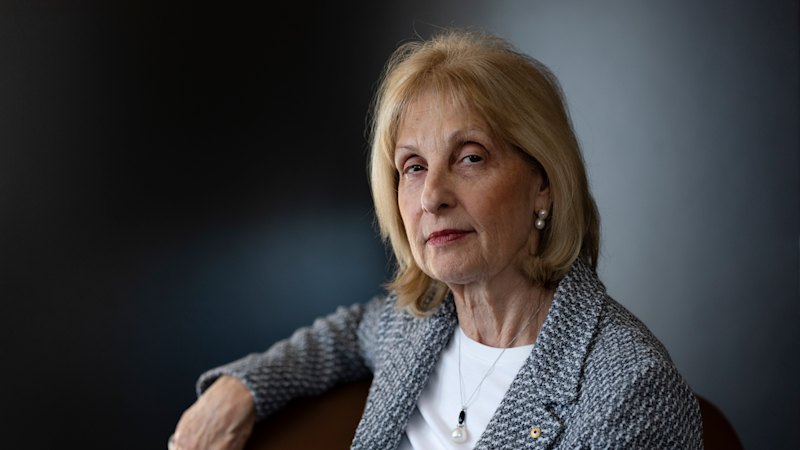
Senior Australian of the Year Professor Henry Brodaty, of the University of NSW’s Centre for Healthy Ageing, has helped drive enormous change in dementia awareness, from “half a page in textbooks” in the 1970s to the world’s largest dementia research conference, attended by more than 10,000 this year. asserted
Brodaty → drive → 10,000
“If you think there’s nothing you can do to prevent dementia, think again – because there’s plenty you can do,” he said. asserted
he → think → dementia
Many of the preventative measures are good advice for general health: eat well, don’t smoke, cut back on alcohol, and exercise regularly. asserted
Many → eat → alcohol
But others are less obvious and carry even more weight. asserted
others → carry → weight
Hearing loss and high cholesterol are the two biggest known modifiable factors in dementia, according to the Lancet Commission, each representing a potential 7 per cent drop in risk if addressed. uncertain
each → know → risk
“Hearing loss contributes to a cascading effect of decreased social engagement, mental wellbeing and physical activity, which can increase the risk of cognitive decline and dementia,” said the WHO guidelines. asserted
guidelines → contribute → decline
When left untreated, it’s thought hearing loss may expose people to higher cognitive load and potential brain shrinkage. uncertain
loss → leave → load
It’s a similar story for those with untreated vision loss, a newly recognised risk factor for dementia. asserted
It → ’ → dementia
But having high levels of low-density lipoprotein (LDL) cholesterol in your blood puts you at risk of vascular damage and an increase in amyloid and tau proteins in the brain. asserted
having → have → brain
Likewise, high blood pressure, stroke, diabetes and obesity can cause inflammation and cell damage, bumping up susceptibility to dementia. asserted
pressure → cause → dementia
The good news is all these conditions are treatable, with solutions ranging from lifestyle changes and medication to glasses and hearing aids. asserted
solutions → range → glasses
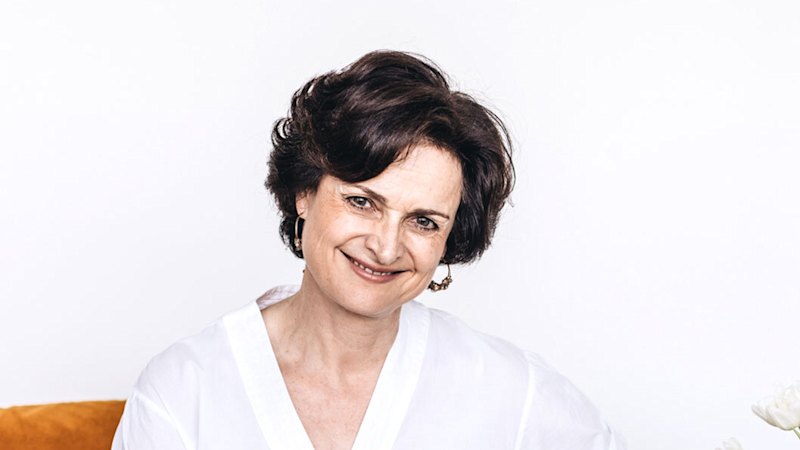
Associate Professor Dr Marita Long, a GP and honorary medical advisor at Dementia Australia, believes a dementia risk assessment should be incorporated into general practice for Australians at middle age. “When patients come into my consulting room, they might ask for a skin check and wouldn’t be surprised to get their blood pressure or heart checked, but they wouldn’t really know about brain health,” said Long. uncertain
Long → believe → health
“I’m not trying to drive fear about dementia, but if you talk to your doctor, there are a lot of things you can be doing. asserted
you → try → things
That includes considering medication for high and borderline high cholesterol and blood pressure in midlife, even if it’s not subsidised. asserted
it → include → midlife
“It’s about having shared decision-making with patients,” Long adds. asserted
Long → ’ → patients
At Neuroscience Research Australia (NeuRA), Anstey and her team developed a free and clinically validated 10-minute online risk assessment called CogDRisk, which gives users a dementia risk score based on their medical history, lifestyle, diet and sleep. asserted
which → develop → history
“I would like to see it much more widely used and ideally integrated into GP software,” she said. asserted
she → like → software
Midlife is the prime time to make changes, as this is when two-thirds of the risk factors for dementia come into focus. asserted
thirds → make → focus
Your brain is not insulated from the rest of your body when it comes to dementia risk, nor the world around you. asserted
it → insulate → you
And what you put into your body matters. asserted
put → put → body
A healthy and balanced diet is protective, as it may reduce inflammation and support brain function, as well as lowering the risk of chronic diseases. uncertain
it → reduce → diseases
According to the WHO, the strongest evidence points to Mediterranean and Dietary Approaches to Stop Hypertension (DASH) diets or the hybrid Mediterranean-DASH Intervention for Neurodegenerative Delay (MIND) diet. uncertain
evidence → accord → diet
That means plenty of fruit and vegetables, nuts and legumes, whole grains, and some fish, with limited consumption of red meat, saturated fat and sugary foods. asserted
That → mean → meat
This is the style of diet followed by all the experts the Herald spoke to for this feature. asserted
Herald → follow → feature
Anstey, who follows the MIND diet, which includes cooking with olive oil and having berries a few times a week, is also concerned about what we shouldn’t be eating. asserted
we → follow → what
“The impact of ultra-processed food on our health and brain health concerns me,” she said. asserted
she → concern → me
“I understand that people are so busy and don’t have time to cook, but we would see an improvement in health if we could reduce reliance on unhealthy fast foods.” uncertain
we → understand → foods
There’s reason for concern: older people who ate the highest amount of ultra-processed foods, such as processed meats, soft drinks and snack foods, had a 58 per cent higher risk of dementia than those who ate the least in a large Harvard University study published in June. asserted
who → ’ → June
…and 87 more, not listed.

💬Give feedback
🕘History 🎫Support