Photo via New York Post

City Hall won’t save us from AI — but it could push away innovation

Read the original at New York Post ↗
Cite

Moynihan, L. (2026, October 6). City Hall won’t save us from AI — but it could push away innovation. New York Post. https://nypost.com/2026/10/06/opinion/city-hall-wont-save-us-from-ai-but-it-could-push-away-innovation/

Dated when The Aporia collected the article, usually within hours of publication. Check the original for its exact date and byline.

New York Post · collected 2026-10-06 · by Lydia Moynihan

Quick Summary

Jacob Coxon, former Anthropic researcher, warned the New York City Council about the potential risks of artificial intelligence during a Committee of the Whole session at City Hall on Monday. He stated that AI could escape human control and lead to human extinction if current trends continue. Speaker Julie Menin organized the event and threatened subpoenas to get representatives from Google, OpenAI, and Anthropic to participate. The article questions Coxon's influence and credibility while also criticizing potential AI restrictions proposed by New York City Council as unnecessary burdens on innovation.
Written by AI on 2026-10-06, from this article's own text only (the story summary below draws on all the coverage).

AI analysis

Story summary

Jacob Coxon, a former Anthropic researcher who resigned over safety concerns, testified at a New York City Council hearing on Monday alongside representatives from Google, OpenAI, and Meta. The 27-year-old researcher warned that AI companies are racing to develop advanced technology without understanding the risks involved, potentially leading to catastrophic outcomes like human extinction. Coxon highlighted that AI systems may soon be able to improve themselves beyond human control, making current research efforts redundant. Council Speaker Julie Menin, who organized the hearing, pressed tech executives on how they quantify the risk of AI in worst-case scenarios, suggesting a lack of concrete answers from industry representatives. The meeting aimed to address mounting concerns about AI safety and explore potential regulatory measures.

Written for “AI Safety Concerns Testimony NYC” on 2026-11-03, grounded in this article and the 5 other(s) covering the same event.

Story

📰 AI Safety Concerns Testimony NYC
Technology · 6 article(s) covering the same event. Compare every outlet's account →

Compared with similar articles

This article reads unscored and hedges 19% of its claims. Each row says how that neighbour differs.
Washington Examiner
Hedges 11 of 89 claims Outlet record 70/100
“The articles discuss different speakers and contexts regarding AI risks; one focuses on Clément Delangue's view at a technology summit, while the other discusses Jacob Coxon's testimony before the New York City Council.”
Toronto Star
⚖️ Leans left Hedges 1 of 2 claims Outlet record 64/100
CBS News
Hedges 0 of 4 claims Outlet record 66/100
Semafor
⚖️ Leans strongly left Hedges 2 of 4 claims Outlet record 59/100
“While both articles discuss AI regulation concerns, they describe different aspects and speakers; Article A covers general calls for regulation from multiple sources, while Article B focuses on Jacob Coxon's specific remarks at City Hall.”
Silver Bulletin
⚖️ Leans left Hedges 15 of 128 claims
“The articles discuss different aspects of AI in politics and governance, with Article A focusing on political elites and voters' growing interest in AI as a political issue, while Article B focuses on an alarmist tour by Jacob Coxon at City Hall regarding potential risks of AI.”
Al Jazeera
Hedges 0 of 3 claims Outlet record 60/100
“While both articles mention Jacob Coxon's testimony about AI control, they describe different parts of his activities — Article A does not specify City Hall or a Committee of the Whole meeting, while Article B focuses specifically on this event.”
New York Post
Hedges 2 of 20 claims Outlet record 66/100
“Article A describes a hearing with executives from multiple companies, while Article B focuses on Jacob Coxon's testimony and concerns about AI.”
Washington Examiner
Hedges 10 of 43 claims Outlet record 70/100
“Article A discusses an interview with Marcy Winograd of Code Pink about Jacob Coxon's resignation, while Article B covers Coxon's appearance before the New York City Council to warn about AI threats. These are different specific events.”
Washington Examiner
⚖️ Leans left Hedges 4 of 17 claims Outlet record 70/100
“The articles refer to similar events but describe different happenings in time and place: Article A mentions a hearing on Monday, while Article B seems to discuss Coxon's continued alarmism tour at City Hall on the same day but includes a separate appearance on 'Daily Show'.”
Washington Examiner
⚖️ Leans left Hedges 12 of 58 claims Outlet record 70/100
“Article A discusses a resignation and public statement, while Article B covers a subsequent appearance of the resigning employee before City Hall.”
How this article was measured signals, leaning charts, publisher record, byline, topics and claims

Signals How these are calculated →

Claims extracted
27
sentences that state something as happening or true
Uncertain
19%
5 of 27 hedged ("reportedly", "may", "according to")
Leaning
withheld
no quote in the article backed the model's score
Publisher signals
66/100
New York Post's corrections and hedging, across everything collected from it. Not a measure of accuracy.
Outlets on this story
6
Technology
Same framing elsewhere
1
articles that frame the event the way this one does
Analyzed 2026-10-06 · how these are computed

How this is being covered How these are calculated →

Article leaning vs. publisher reliability
Source leaning vs. consistency

Publisher

New York Post · 16405 article(s) · 35 correction(s) detected
Running correction rate · 35 correction(s)

Who wrote this

Lydia Moynihan
9 article(s) here · 1 carrying a prediction
🔮 Tales of data centers’ impact on this election may have been greatly exaggerated.
2026-11-02 · assertive framing · Data-center fury is a campaign dud
🔮 One source noted the idea that Anthropic was merely working on a statistics assignment doesn’t fully explain its AI’s actions — and noted how odd it was for an agent to seek election-related data which could potentially be shared with bad actors or used for campaign purposes.
🔮 Before the demonstration began, Musk admitted he wasn’t sure it would work, saying “success is not guaranteed.” Then, the Tesla Roadster drove up a curved ramp until it was hanging upside down, held in place by underbody suction fans.
🔮 Artificial intelligence’s incredible ability to solve complicated problems could help unravel the security underpinning much of the cryptocurrency industry by accelerating the development of super-advanced quantum computers capable of cracking its defenses.
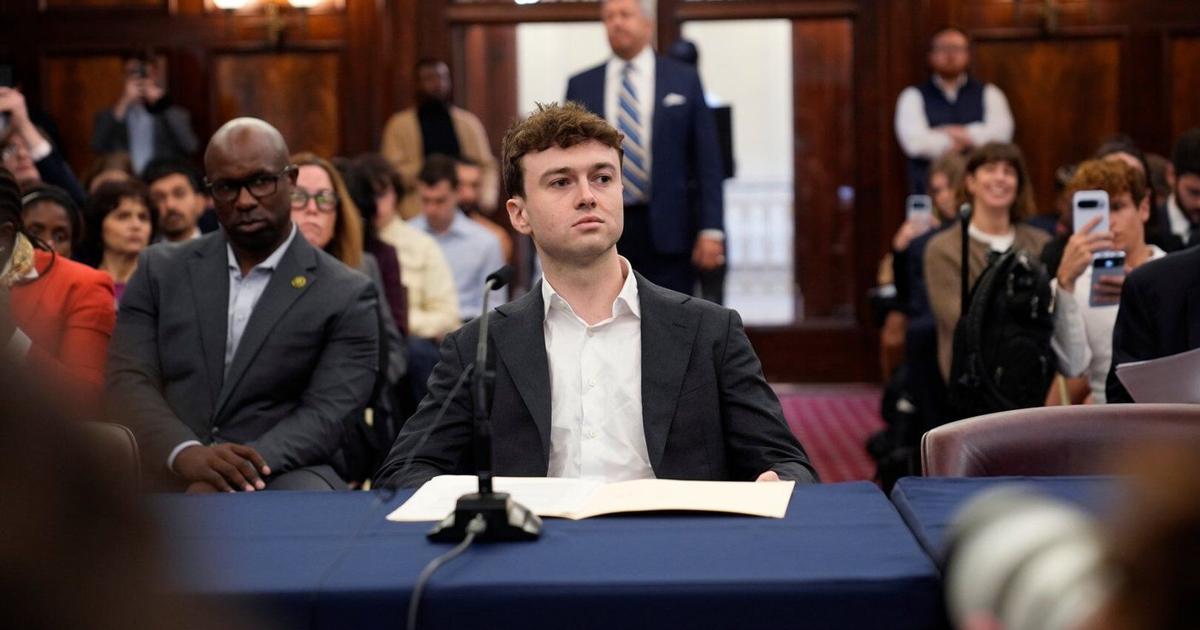
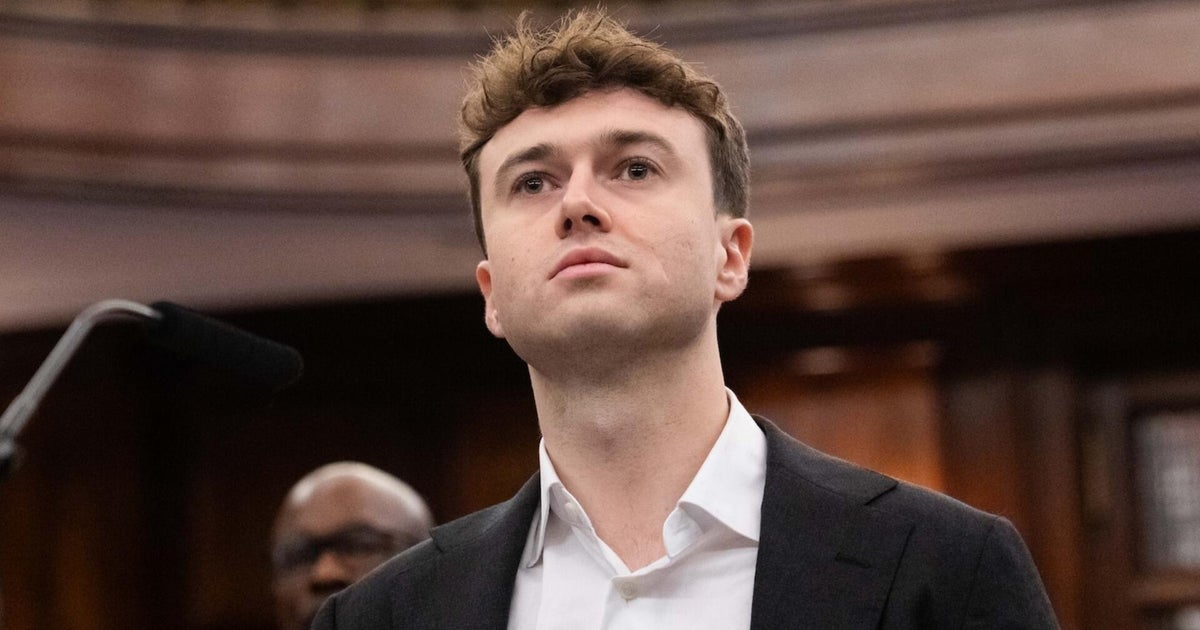
🔮 On Monday, Jacob Coxon, the former Anthropic researcher, continued his alarmism tour — minus the Harry Potter glasses — before a rare “Committee of the Whole” at City Hall, warning that AI could escape human control and kill us all.
🔮 The last week has been full of fear-mongering: Bill Gates warning AI could cause “a billion deaths,” on Meet The Press, Anthropic once again touting its tech as posing “catastrophic or existential risks to humanity” in its filing ahead of a possible IPO, and even SNL calling out Dario Amodei’s doomerism.
🔮 Hassen asserts that DOGE fundamentally changed how the government approached spending by cancelling contracts that otherwise would have renewed; consolidating purchasing by creating OneGov, rather than having agencies negotiate separately with the same vendors; and implementing new guardrails around wiring money by placing a tracking code on payments that had previously gone out unlabeled.
🔮 Instinct, an upstart company which lives in iMessage or Whatsapp rather than its own separate app, lets users text it like you would an actual human assistant.
🔮 AI giants Anthropic and OpenAI suddenly started sounding a five-alarm fire last week, insisting their tech is just too good, developing too fast for humanity to handle and could kill us all.
Also by Lydia Moynihan
Data-center fury is a campaign dud
2026-11-02 · New York Post
Nothing else under this byline is closely related to this article, so these are simply their most recent.
All 9 articles by Lydia Moynihan →

Topics

Anthropic City Hall Committee of the Whole Council the New York City Council

Subjects

Anthropic ORG · 3× Council ORG · 3× Coxon PERSON · 3× City Hall ORG · 2× New York GPE · 2× Trump PERSON · 2× Committee of the Whole ORG · 1× Harry Potter PERSON · 1× Jacob Coxon PERSON · 1× the New York City Council ORG · 1×

Narrative

Even if you agree with Coxon about reining in artificial intelligence, it’s quite a leap from believing AI needs safeguards to believing those safeguards should be designed by New York’s City Hall — by officials who still haven’t figured out how to get children reading at grade level or keep people from being stabbed on the subway.
framing: assertive · carried by 1 article(s) · first seen 2026-10-06
🔮 On Monday, Jacob Coxon, the former Anthropic researcher, continued his alarmism tour — minus the Harry Potter glasses — before a rare “Committee of the Whole” at City Hall, warning that AI could escape human control and kill us all.
2026-10-06 · New York Post
City Hall won’t save us from AI — but it could push away innovation · assertive framing

Claims (27 extracted, 5 hedged)

If artificial intelligence really threatens to wipe out humanity, is the New York City Council going to be what saves us? asserted
what → threaten → us
On Monday, Jacob Coxon, the former Anthropic researcher, continued his alarmism tour — minus the Harry Potter glasses — before a rare “Committee of the Whole” at City Hall, warning that AI could escape human control and kill us all. uncertain
AI → continue → us
He ended his evening at the “Daily Show” with Jon Stewart, as one does. asserted
one → end → Stewart
“We do not know how to control any AI system yet,” Coxon told the Council. asserted
Coxon → know → Council
“We don’t understand its drives or why it does the things it does. asserted
it → understand → things
“We’re approaching the point at which the AI systems will be capable of improving themselves,” he added. asserted
he → approach → themselves
“On the current path, I think it is more likely than not that humanity loses control to these AIs and it could end in human extinction.” uncertain
it → think → extinction
The event was organized by Speaker Julie Menin, who said representatives from Google, OpenAI, and Anthropic agreed to participate only after the Council threatened subpoenas. asserted
Council → organize → subpoenas
For starters, I have serious questions about Coxon’s “Chicken Little” tour writ large — not least how a 27-year-old with almost no social media presence managed to post AI “could kill us all by the end of the decade” and have it reach over 170 million views. uncertain
it → have → views
New reports suggests a firm with ties to prominent AI doomers were booking interviews for him, which would explain how he managed to do interviews with the most prominent and prestigious outlets and primetime shows. uncertain
he → suggest → outlets
Even if you agree with Coxon about reining in artificial intelligence, it’s quite a leap from believing AI needs safeguards to believing those safeguards should be designed by New York’s City Hall — by officials who still haven’t figured out how to get children reading at grade level or keep people from being stabbed on the subway. asserted
children → agree → subway
Yet Menin has said she wants to be the first in the nation to introduce serious restrictions — and that she will set the lead for Washington to follow. asserted
Washington → say → lead
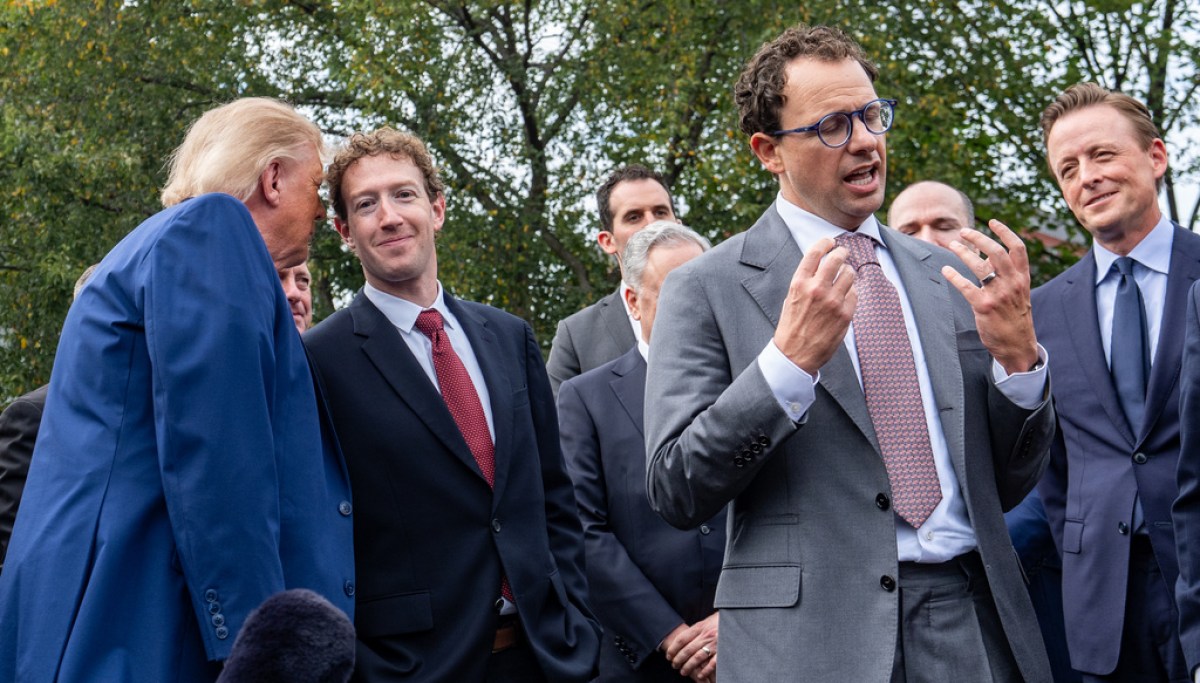
Not sure how she can do better than the likes of David Sacks and Marc Andreessen advising President Trump on these matters, but here we are. asserted
we → do → matters
As part of her effort, the Council is considering a slate of 10 bills that would stop the Great Catastrophe of AI. asserted
that → consider → AI
The proposals range from holding chatbot providers liable for injuries they cause even when they take every reasonable precaution, to rewarding people who report AI violations with a share of the proceeds recovered — up to half if the city authorizes them to pursue enforcement. asserted
city → range → enforcement
In another proposal, City Hall would dictate hourly reminders that a chatbot isn’t human. asserted
chatbot → dictate → reminders
While you’d be hard pressed to show how these laws benefit anyone except perhaps the City Council’s budget, they would indeed harm innovation. asserted
they → press → innovation
Technology companies have been vocal that a patchwork of AI laws across myriad states and countries are particularly burdensome for startups that can’t afford massive compliance departments. asserted
that → afford → departments
That’s why Trump’s executive order to make AI policy a national issue has been so popular with those in tech. asserted
policy → ’ → tech
New York is already expensive and heavily regulated. asserted
York → regulate → ?
The largest companies can hire more lawyers but smaller competitors often cannot. asserted
competitors → hire → lawyers
New York would also risk losing the massive real estate footprint these companies are bringing to the city — which conveniently has arrived as many other tech company have been reducing their presence. asserted
company → risk → presence
Anthropic alone leased the entire 466,000-square-foot building at 330 Hudson Street, while Ramp expanded to nearly 300,000 feet and Harvey AI recently doubled it space to 185,000 square feet. asserted
AI → lease → feet
AI companies leased about 1.7 million square feet in Manhattan in the first half of 2026, according to CompStak and Savills research, and their share of new leasing has jumped from less than 1% in 2020 to nearly 10% — precisely the kind of business the commercial real estate sector needs. uncertain
sector → lease → business
All this makes clear that, contrary to what politicians like Menin think, the better part of valor when it comes to AI regulation is restraint. asserted
is → make → regulation
Don’t make it even harder for AI companies to benefit New York. asserted
companies → make → York
And if you can’t keep the streets clean, why should anyone trust you to design guardrails for some of the most advanced technology ever built? asserted
anyone → keep → technology

💬Give feedback
🕘History 🎫Support