The Aporia
Manenkov, K., & Dazio, S. (2026, October 7). Nobel Prize in chemistry set to be awarded in Stockholm. Toronto Star. https://www.thestar.com/news/world/europe/nobel-prize-in-chemistry-set-to-be-awarded-in-stockholm/article_b2a2bfd3-efa8-5eb7-9c90-cd315c2b0e30.html
Manenkov, Kostya, and Stefanie Dazio. “Nobel Prize in chemistry set to be awarded in Stockholm.” Toronto Star, 7 Oct. 2026, https://www.thestar.com/news/world/europe/nobel-prize-in-chemistry-set-to-be-awarded-in-stockholm/article_b2a2bfd3-efa8-5eb7-9c90-cd315c2b0e30.html.
Manenkov, Kostya, and Stefanie Dazio. “Nobel Prize in chemistry set to be awarded in Stockholm.” Toronto Star, October 7, 2026. https://www.thestar.com/news/world/europe/nobel-prize-in-chemistry-set-to-be-awarded-in-stockholm/article_b2a2bfd3-efa8-5eb7-9c90-cd315c2b0e30.html.
Dated when The Aporia collected the article, usually within hours of publication. Check the original for its exact date and byline.
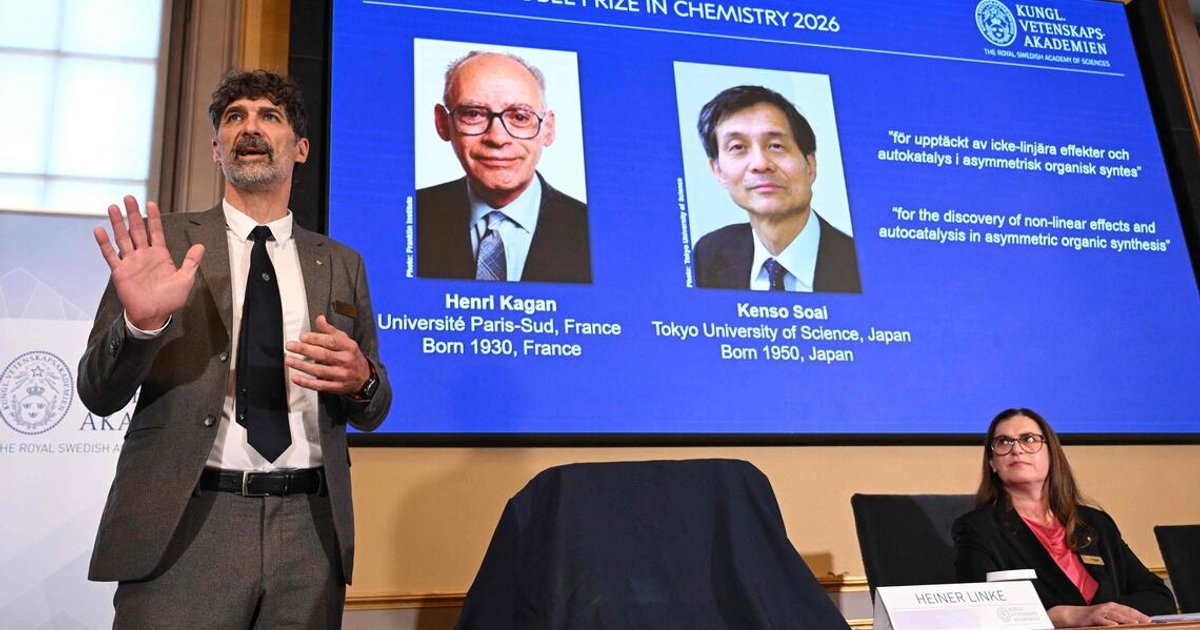
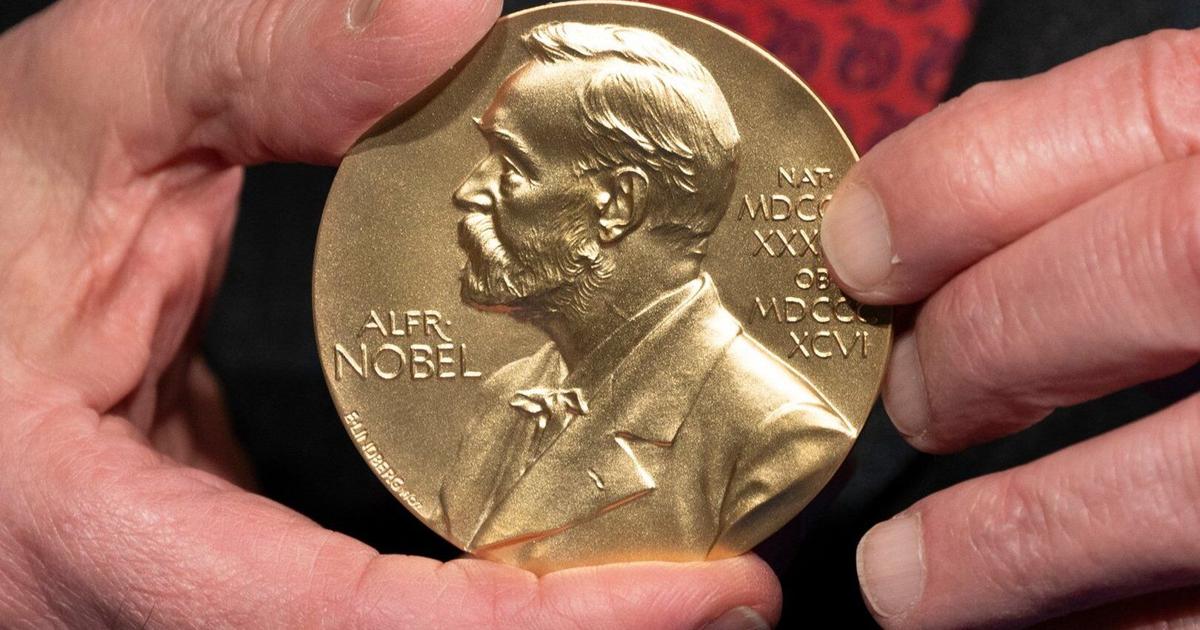
Henri B. Kagan from France's Université Paris-Sud and Kenso Soai from Japan's Tokyo University of Science were awarded the 2026 Nobel Prize in Chemistry "for the discovery of non-linear effects and autocatalysis in asymmetric organic synthesis." This prize recognizes their transformative work on chiral molecules, which are like mirror images and crucial for drug development. Kagan discovered a new method to manipulate chemical reactions to produce more of one molecular form than previously thought possible. Soai designed the first reaction where only one mirror image is formed. The Royal Swedish Academy of Sciences awarded them in Stockholm on October 7, continuing the tradition established by Alfred Nobel's will since 1901. This year’s prize follows awards for medicine and physics and precedes those for literature, peace, and economics later in the week.