The Aporia
The Straits Times. (2026, October 7). WHO endorses lifestyle changes over GLP-1 drugs in child obesity fight. The Straits Times. https://www.straitstimes.com/world/who-endorses-lifestyle-changes-over-glp-1-drugs-in-child-obesity-fight
The Straits Times. “WHO endorses lifestyle changes over GLP-1 drugs in child obesity fight.” The Straits Times, 7 Oct. 2026, https://www.straitstimes.com/world/who-endorses-lifestyle-changes-over-glp-1-drugs-in-child-obesity-fight.
The Straits Times. “WHO endorses lifestyle changes over GLP-1 drugs in child obesity fight.” The Straits Times, October 7, 2026. https://www.straitstimes.com/world/who-endorses-lifestyle-changes-over-glp-1-drugs-in-child-obesity-fight.
Dated when The Aporia collected the article, usually within hours of publication. Check the original for its exact date and byline.
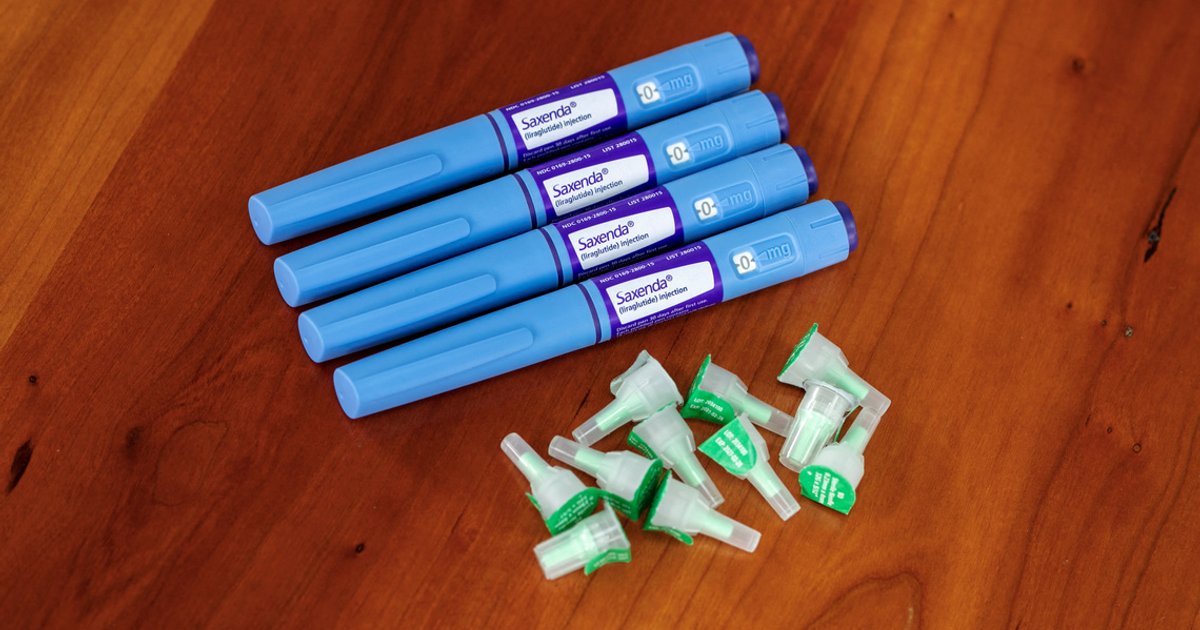
On October 7, WHO released its first global guidelines addressing rising childhood obesity rates. According to UNICEF, obesity now surpasses being underweight as the most common form of malnutrition among school-aged children and adolescents worldwide. The WHO recommends comprehensive support focusing on healthy eating, physical activity, and sustainable behavior change rather than relying solely on medical interventions like weight-loss drugs such as Saxenda or bariatric surgery.
For adolescents aged 10 to 19, the guidelines suggest considering GLP-1 drugs only after supervised lifestyle interventions have failed. For those with severe obesity who are physically and mentally mature, bariatric surgery can be considered if six months of ineffective treatment has been documented. However, for children under 10 years old, diet, physical activity, and behavioral support are endorsed instead due to safety concerns regarding medications and surgical options.
Luz María De Regil, director of the Department of Nutrition and Food Safety at WHO, emphasized that current evidence is insufficient on GLP-1 drugs but noted ongoing research could lead to revised recommendations.