The Aporia

Xu, X. (2026, October 8). As China and the EU begin crunch trade talks, optimism is in short supply. South China Morning Post. https://www.scmp.com/economy/china-economy/article/3370119/china-and-eu-begin-crunch-trade-talks-optimism-short-supply?utm_source=rss_feed
Xu, Xiaofei. “As China and the EU begin crunch trade talks, optimism is in short supply.” South China Morning Post, 8 Oct. 2026, https://www.scmp.com/economy/china-economy/article/3370119/china-and-eu-begin-crunch-trade-talks-optimism-short-supply?utm_source=rss_feed.
Xu, Xiaofei. “As China and the EU begin crunch trade talks, optimism is in short supply.” South China Morning Post, October 8, 2026. https://www.scmp.com/economy/china-economy/article/3370119/china-and-eu-begin-crunch-trade-talks-optimism-short-supply?utm_source=rss_feed.
Dated when The Aporia collected the article, usually within hours of publication. Check the original for its exact date and byline.
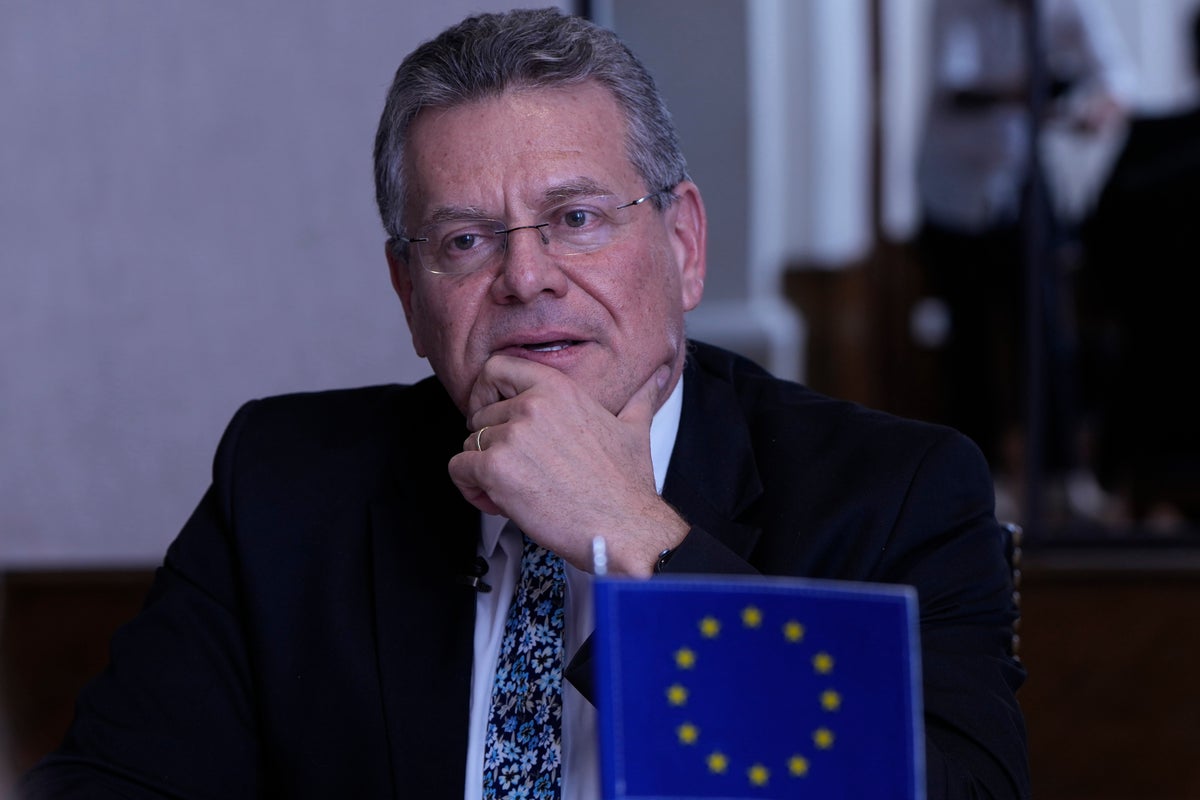
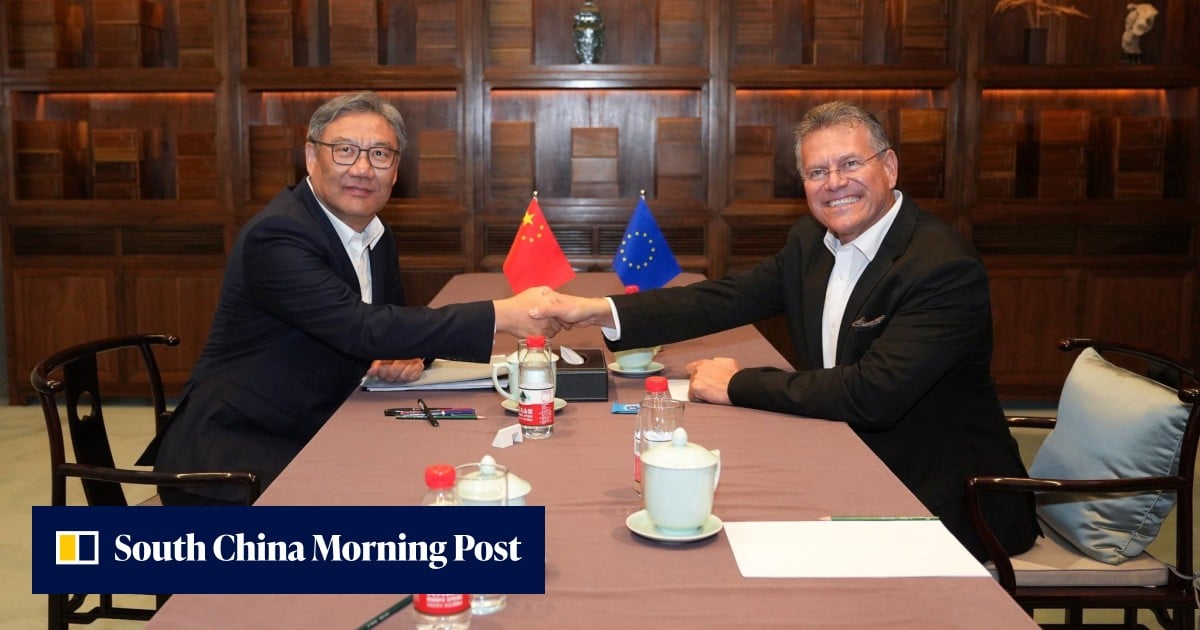
As of October 10, 2026, EU trade negotiators led by Maroš Šefčovič reached an agreement in Beijing to reduce Chinese exports of hybrid and plug-in hybrid cars to Europe by more than half over four years. The deal came after two days of intense talks aimed at addressing the €1 billion-a-day trade deficit between the EU and China, a significant source of economic anxiety for European nations.
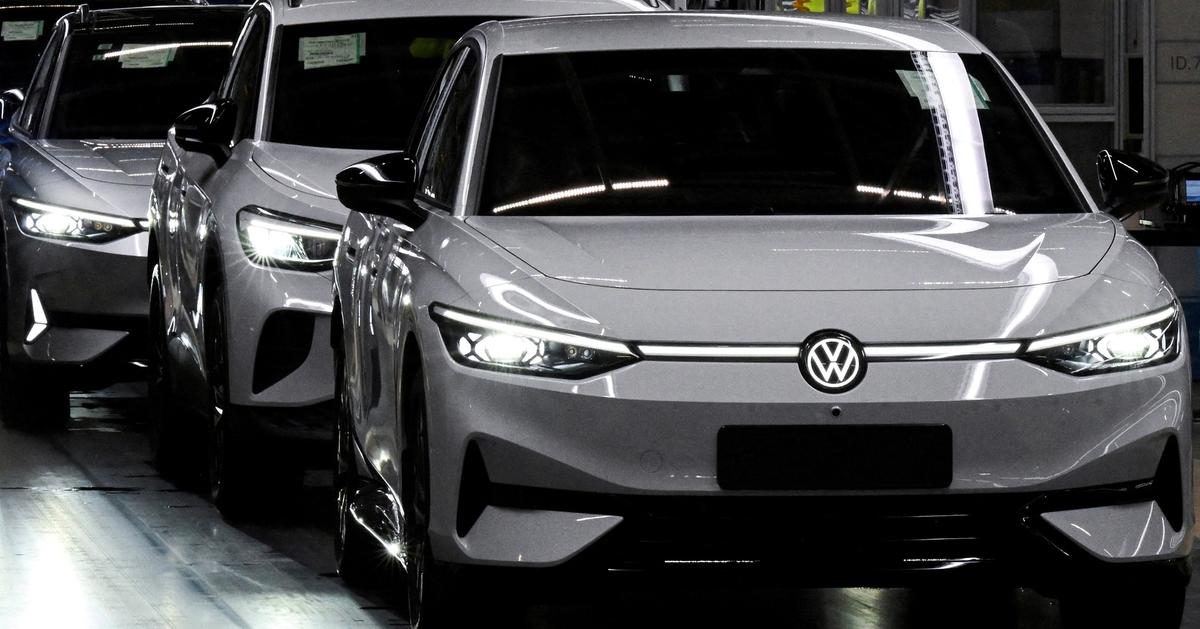
The negotiations were prompted by concerns that cheap Chinese imports are de-industrializing European economies, particularly in sectors like automotive manufacturing where companies such as Volkswagen have announced job cuts. The agreement limits Chinese hybrid car shipments to 350,000 units per year, increasing annually at 6%, well below the projected 800,000 vehicles expected by 2026 without intervention.
While seen as a crucial step in rebalancing trade relations, the deal addresses only part of the broader issues facing the EU and China, leaving much of the $1 billion-a-day deficit unresolved. European officials view this as a "paradigm shift" marking a new approach to negotiations, but acknowledge that it is merely the first step towards more comprehensive reforms needed to address structural trade imbalances.