Photo via Times of India

Iran broke? $25bn oil loss, $350m crypto frozen as militias send money back to IRGC

Read the original at Times of India ↗
Cite

Jha, A. (2026, October 17). Iran broke? $25bn oil loss, $350m crypto frozen as militias send money back to IRGC. Times of India. https://timesofindia.indiatimes.com/world/middle-east/iran-broke-25-billion-oil-loss-350-million-crypto-frozen-as-militias-send-money-back-to-irgc-says-us/articleshow/135006374.cms

Dated from the outlet's own feed. Check the original for its byline.

Times of India · collected 2026-10-17 · by Aastha Jha

Quick Summary

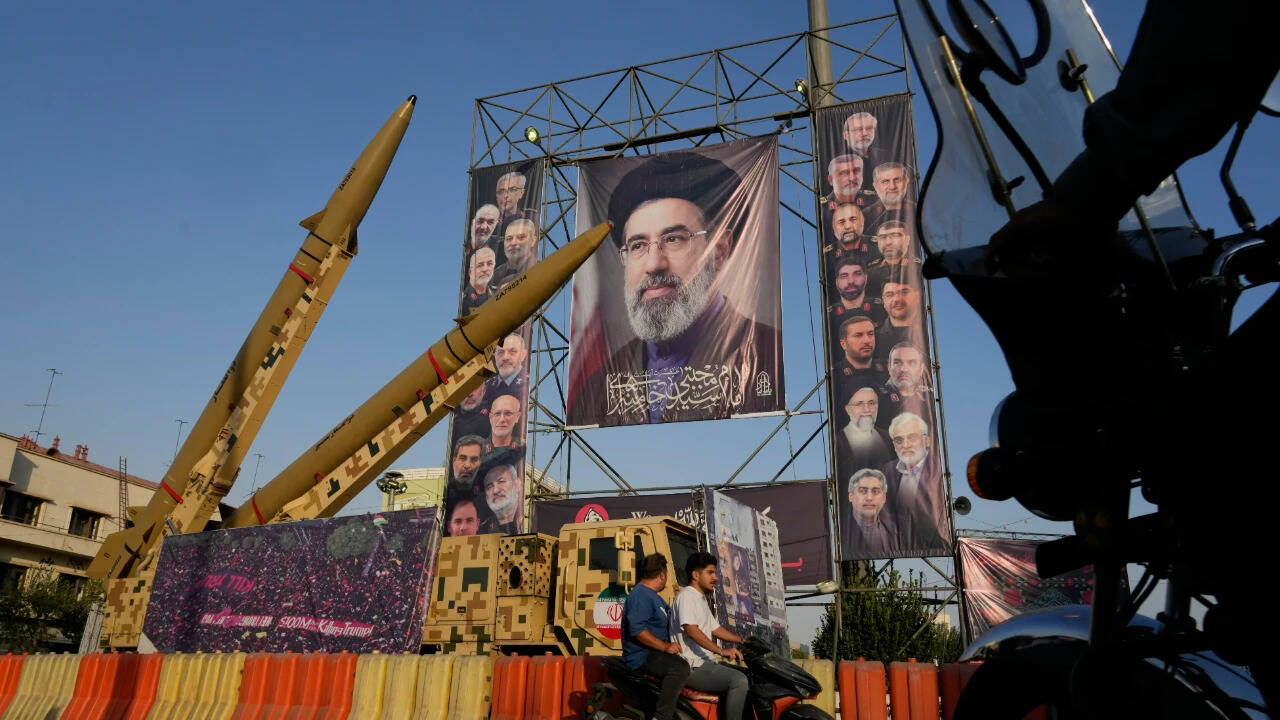
US Central Command chief Adm Brad Cooper reported that Iran has lost $25 billion in oil revenue and had $350 million in cryptocurrency frozen due to ongoing sanctions and a naval blockade imposed by the United States. He noted that Iranian-backed groups are redirecting funds back to Iran's Islamic Revolutionary Guard Corps (IRGC) amid financial strain, while Iran is withholding salaries from public sector workers including those within the IRGC. Cooper linked recent attacks on ships in the Strait of Hormuz to Iran’s desperation under economic pressure and sanctions.
Written by AI on 2026-10-17, from this article's own text only (the story summary below draws on all the coverage).

AI analysis

Story summary

As of October 17, 2026, Iran faces severe financial strain due to a nine-month war and a U.S. naval blockade, resulting in losses of $25 billion from oil revenue and $350 million worth of cryptocurrency being frozen. According to US Central Command (CENTCOM) chief Adm Brad Cooper, Iran-aligned militia groups across the region are redirecting funds back to the Islamic Revolutionary Guard Corps (IRGC) instead of paying their soldiers. This financial pressure has also led to delays in salary payments for public sector workers and IRGC members within Iran. The ongoing sanctions and blockade aim to compel Tehran to make concessions on its nuclear program, but Iran remains unresponsive to U.S. counterproposals.

Written for “Iran Economic Sanctions Impact” on 2026-11-04, grounded in this article and the 0 other(s) covering the same event.

Story

📰 Iran Economic Sanctions Impact
Economy/Business · 1 article(s) covering the same event.

Compared with similar articles

This article reads leans right and hedges 12% of its claims. Each row says how that neighbour differs.
Semafor
Hedges 1 of 17 claims Outlet record 59/100
“Article A discusses Qatar's sovereign wealth fund operations during a war, while Article B focuses on Iran's financial losses and sanctions due to the same conflict.”
Dawn
⚖️ Leans left further left than this Hedges 3 of 22 claims Outlet record 72/100
“While both articles discuss economic impacts related to the US-Iran conflict, they describe different aspects of the ongoing situation.”
How this article was measured signals, leaning charts, publisher record, byline, topics and claims

Signals How these are calculated →

Claims extracted
17
sentences that state something as happening or true
Uncertain
12%
2 of 17 hedged ("reportedly", "may", "according to")
Leaning
Leans right
of the writing, not the subject · beta estimate
Publisher signals
59/100
Times of India's corrections and hedging, across everything collected from it. Not a measure of accuracy.
Outlets on this story
1
Economy/Business
Same framing elsewhere
1
articles that frame the event the way this one does
Analyzed 2026-10-17 · how these are computed

How this is being covered How these are calculated →

Article leaning vs. publisher reliability
Source leaning vs. consistency

Publisher

Times of India · 4052 article(s) · 4 correction(s) detected
Running correction rate · 4 correction(s)

Who wrote this

Aastha Jha
21 article(s) here · 1 carrying a prediction
🔮 Interior minister Mazen Al-Faraya attributed the attack to extremist ideology, warning that similar incidents could recur if such thinking was not addressed.
🔮 On Sunday, he ruled out an immediate US strike on Iran, telling reporters there would be no attack that day.
🔮 He has criticised settler violence against Palestinians and opposed some of the Netanyahu government's settlement plans, including construction in the E1 area, which critics say would further divide the West Bank.
🔮 The officials gave few details about how or where Iran might carry out such attacks.
🔮 The incident follows another fatal crash involving the same aircraft type in May, when two pilots were killed after an SF-260 went down in a mountainous area in the northern Philippines.
🔮 The visit would mark his first trip to China in more than a year.
🔮 The latest release is part of a series of documents made public by the Pentagon since May, following US President Donald Trump's pledge to disclose previously classified information about UFO sightings and the government's knowledge of potential extraterrestrial life.
🔮 Cox’s Bazar deputy commissioner A Mannan said six bodies had been recovered so far and DNA samples would be collected before the bodies were handed over to their families.
🔮 US officials are concerned that continued attacks could discourage shipping companies from using the strait, reducing oil supplies and pushing up global prices.
🔮 A White House official said Trump had made clear that the US would not attack Iran before the American midterm elections.
Also by Aastha Jha
Nothing else under this byline is closely related to this article, so these are simply their most recent.
All 21 articles by Aastha Jha →

Topics

CENTCOM IRGC Iran Iranian Tehran

Subjects

Iran GPE · 8× Iranian NORP · 5× Cooper PERSON · 4× IRGC ORG · 4× Tehran GPE · 4× CENTCOM ORG · 2× the White House ORG · 2× Brad Cooper PERSON · 1× Hezbollah ORG · 1× US Central Command ORG · 1×

Narrative

"The financial strain on Iran's military has become so significant that there are reports about Iran-aligned militia groups across the region withholding payments for their soldiers in order to funnel money back to the IRGC, which also isn't paying its troops," Cooper said.
framing: assertive · carried by 1 article(s) · first seen 2026-10-17
🔮 US officials are concerned that continued attacks could discourage shipping companies from using the strait, reducing oil supplies and pushing up global prices.

Claims (17 extracted, 2 hedged)

Iran is facing mounting financial pressure after nine months of war, with a US naval blockade costing it $25 billion in lost oil revenue and $350 million in cryptocurrency frozen, according to US Central Command (CENTCOM) chief Adm Brad Cooper. uncertain
blockade → face → Cooper
In a video message released on Friday, Cooper said Iran-backed groups across the region, including Hezbollah, Hamas and Shia militias in Iraq, were sending money back to Iran's Islamic Revolutionary Guard Corps (IRGC), which has funded them for years. asserted
which → release → years
"The financial strain on Iran's military has become so significant that there are reports about Iran-aligned militia groups across the region withholding payments for their soldiers in order to funnel money back to the IRGC, which also isn't paying its troops," Cooper said. asserted
Cooper → become → troops
He added that the Iranian government was withholding salaries, pensions and benefits from public sector workers, including internal security personnel and members of the IRGC. asserted
government → add → IRGC
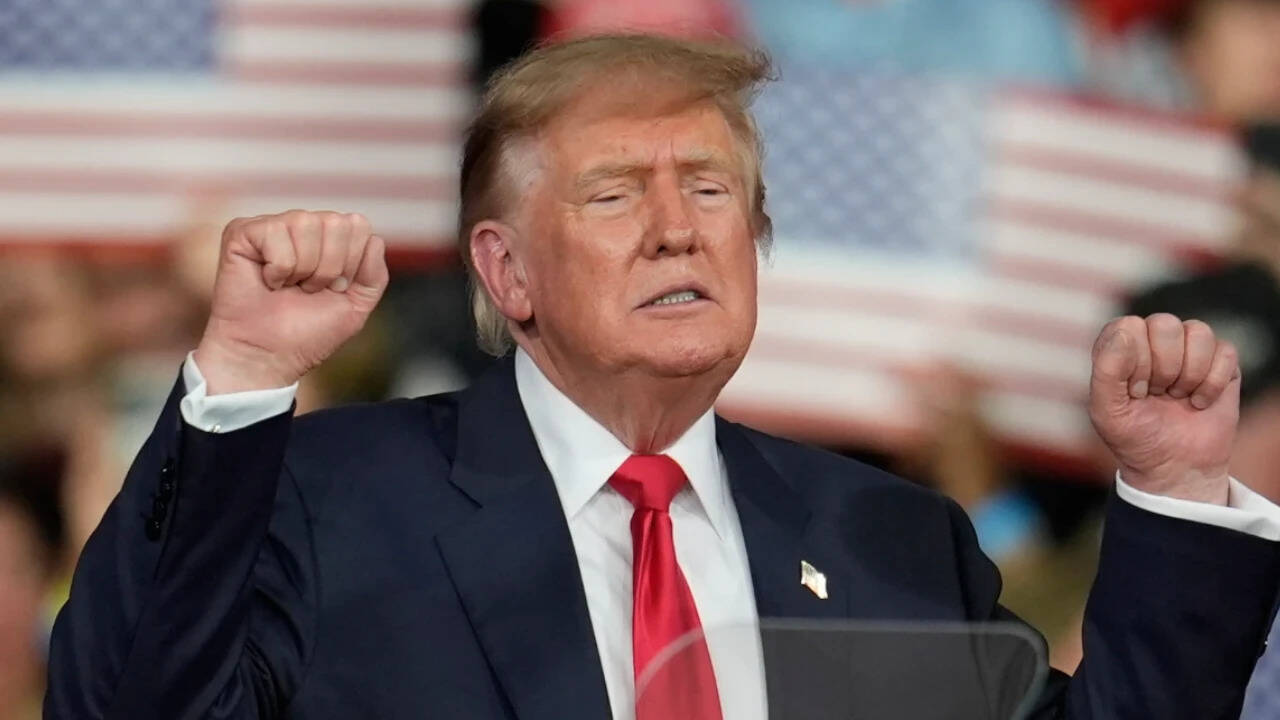
The financial squeeze comes as the Trump administration maintains a naval blockade and sanctions on Iran, hoping to push Tehran towards a deal that includes concessions on its nuclear programme. asserted
that → come → programme
However, Iran has yet to respond to a US counterproposal aimed at ending the war. asserted
Iran → have → war
Cooper said CENTCOM and the US Treasury Department had also frozen $350 million in Iranian cryptocurrency in recent weeks. asserted
CENTCOM → say → weeks
The naval blockade, meanwhile, had cost Tehran $25 billion in lost oil revenue, he said. asserted
he → cost → revenue
Cooper attributed the recent increase in Iranian attacks on ships in the Strait of Hormuz to what he described as desperation within the IRGC. asserted
he → attribute → IRGC
Despite the attacks, the strategic waterway remains open, he said, with 400 ships and 100 million barrels of oil moving through it over the past week. asserted
ships → remain → week
The US military has largely paused strikes on Iranian anti-ship missiles and attack drone launchers around the strait in recent weeks. asserted
military → pause → weeks
A US official said the White House ordered the pause to avoid escalating the conflict ahead of the November midterm elections. asserted
House → say → elections
US officials are concerned that continued attacks could discourage shipping companies from using the strait, reducing oil supplies and pushing up global prices. uncertain
attacks → continue → prices
They also believe Iran is seeking to raise oil prices and increase pressure on US President Donald Trump ahead of the elections. asserted
Iran → believe → elections
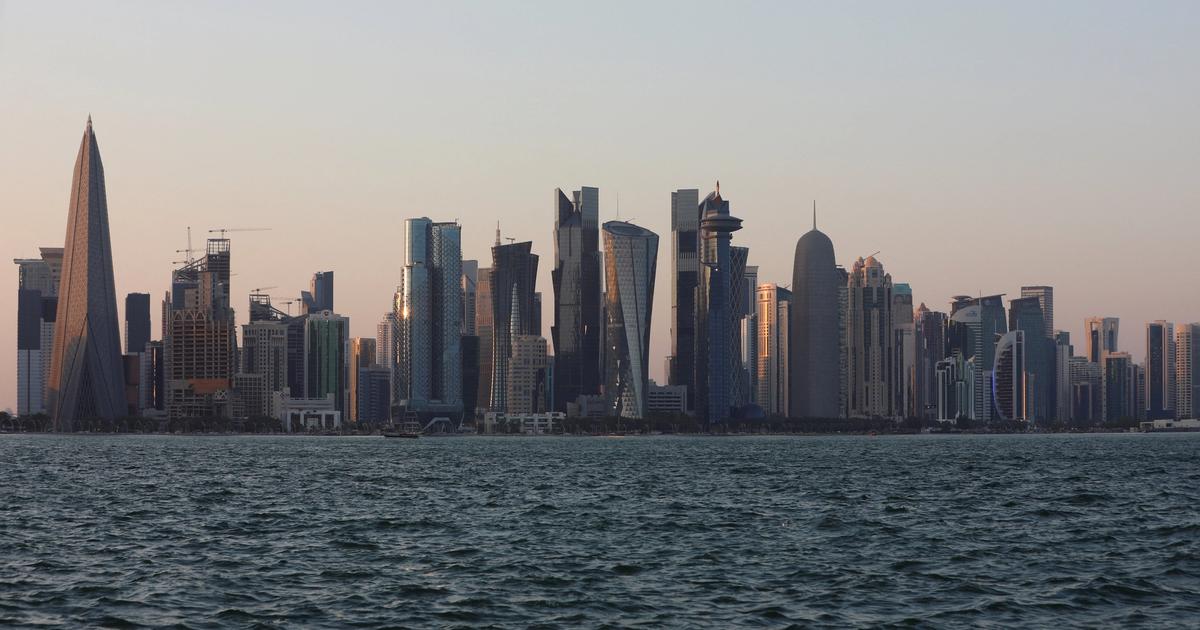
Meanwhile, the White House and Qatari mediators are awaiting Tehran's response to Washington's counterproposal to end the war. asserted
House → await → war
A US official said the proposal was still under consideration in Tehran. asserted
proposal → say → Tehran
Regional mediators have urged Iranian Foreign Minister Abbas Araghchi not to delay the response until after the midterm elections, warning that there is no guarantee Trump would take a more conciliatory approach afterwards. asserted
Trump → urge → approach

💬Give feedback
🕘History 🎫Support