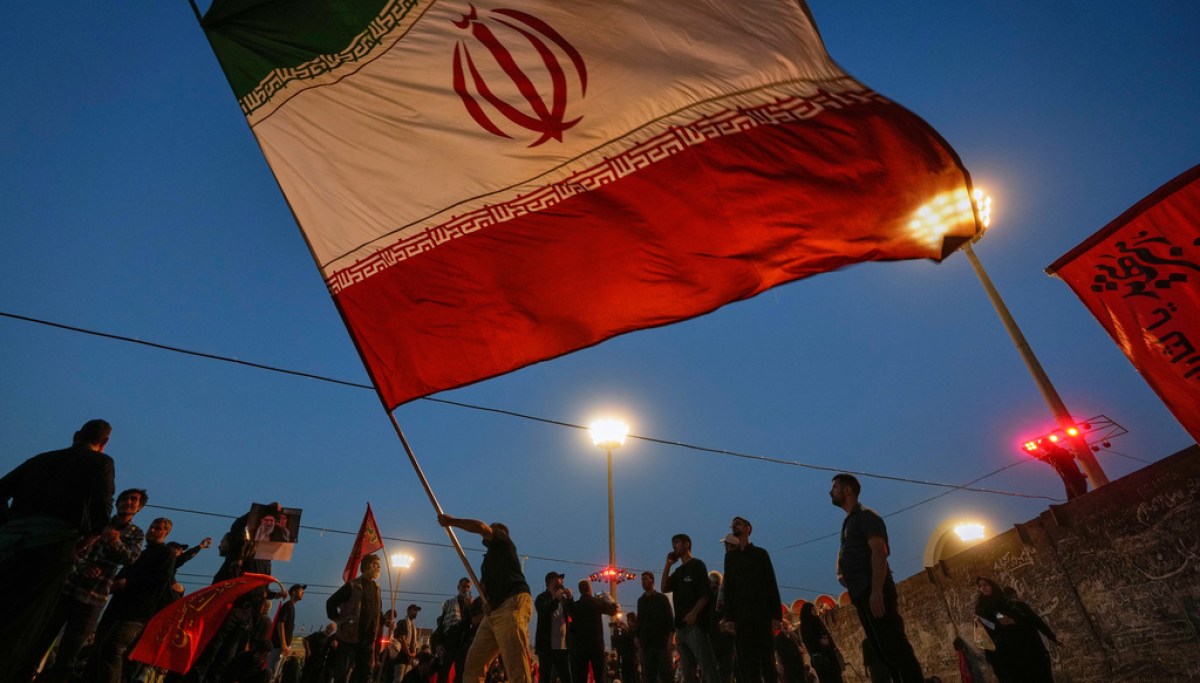
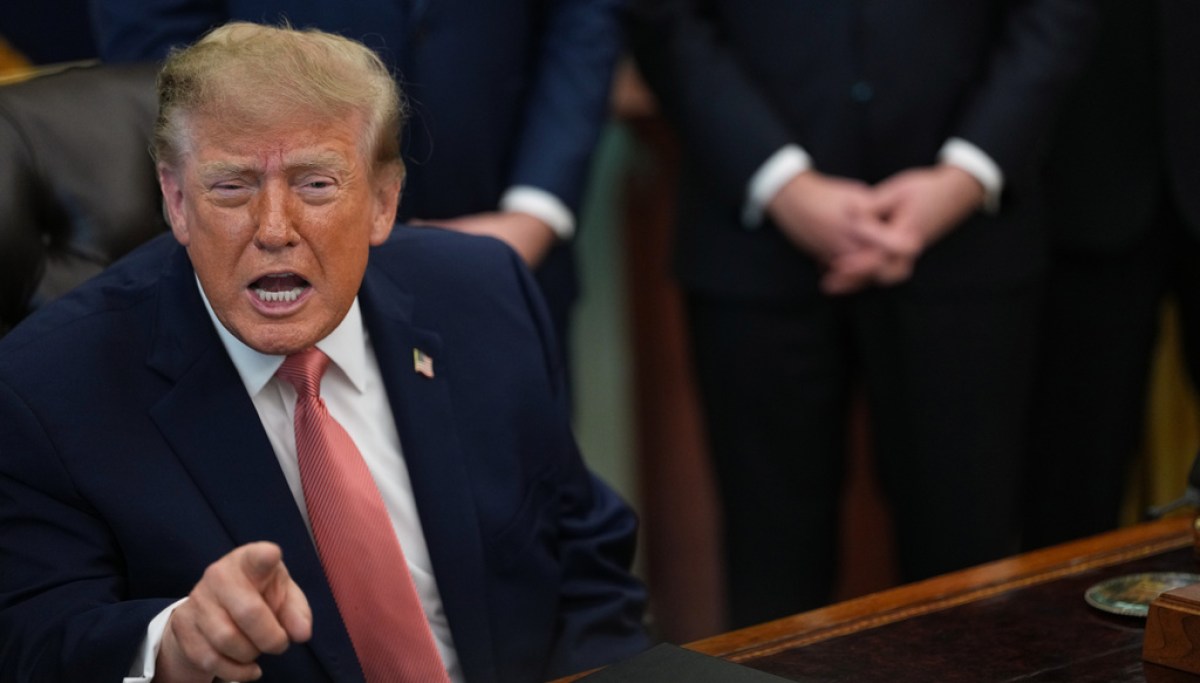
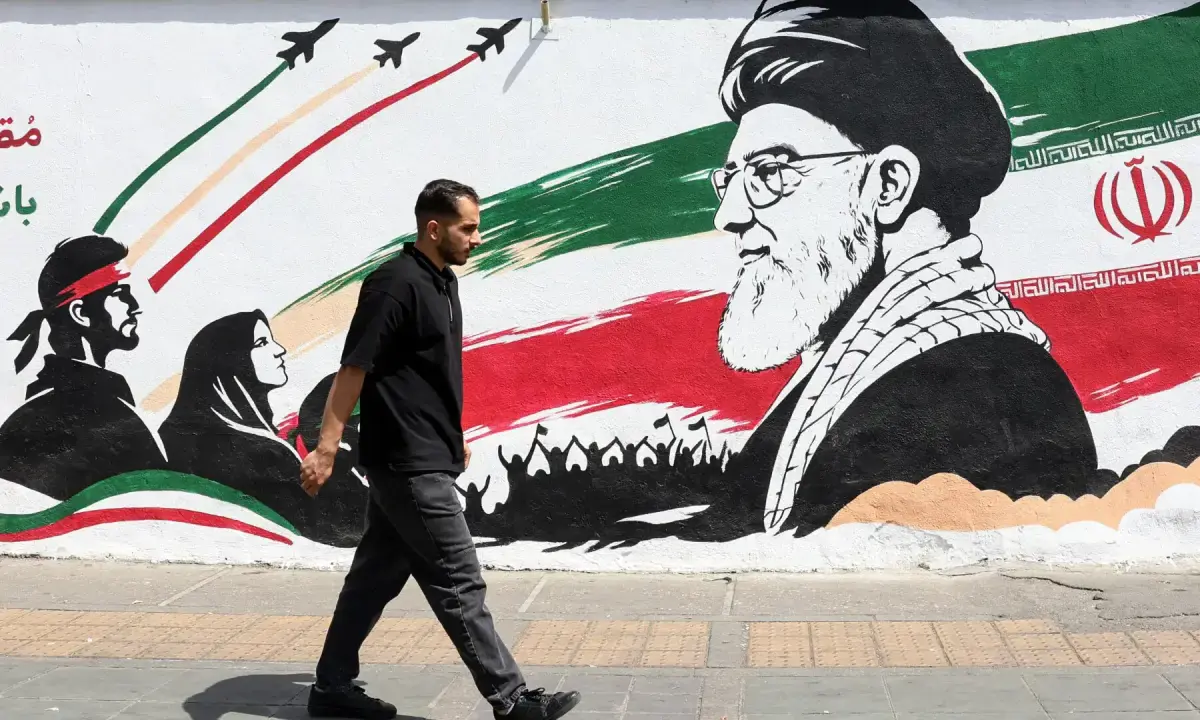
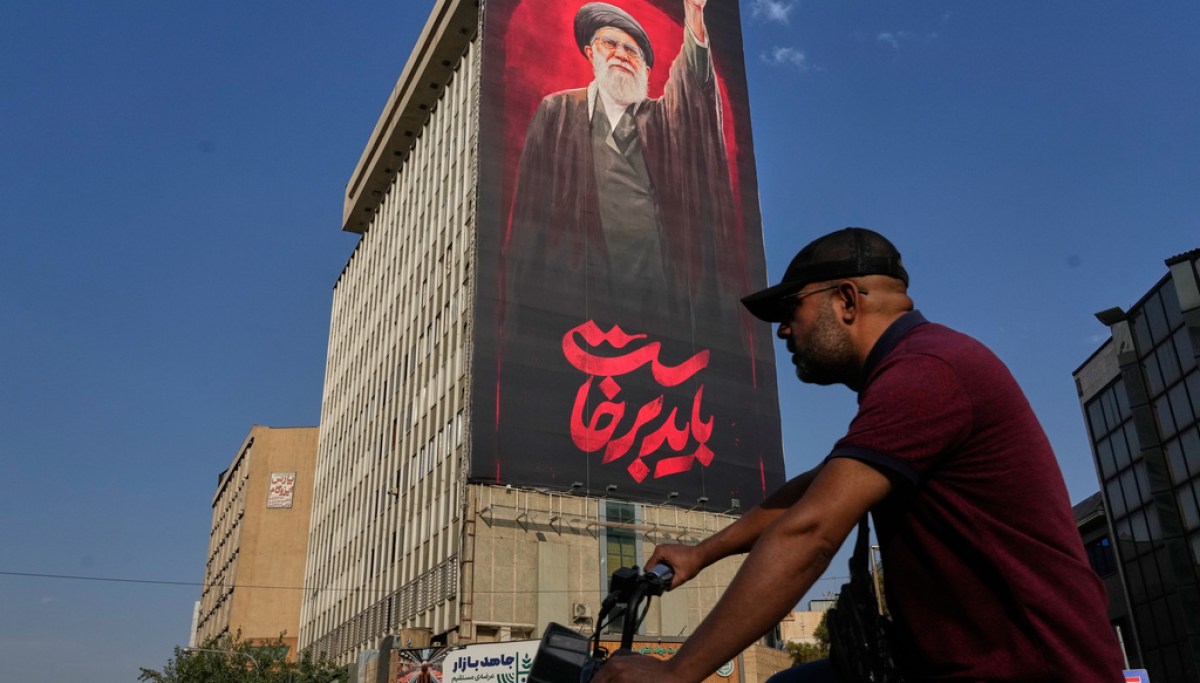
Photo via Washington Examiner

Why Iran’s regime fears peace more than war

Read the original at Washington Examiner ↗
Cite

Enayat, H. (2026, October 20). Why Iran’s regime fears peace more than war. Washington Examiner. https://www.washingtonexaminer.com/op-eds/4771067/why-iran-rejects-peace-preserve-itself-suppression-of-organized-opposition/

Dated from the outlet's own feed. Check the original for its byline.

Washington Examiner · collected 2026-10-20 · by Hamid Enayat

Quick Summary

The article explores why Iran's governing bodies might sabotage a peace deal that could provide significant economic benefits, despite the country facing severe military and financial strain. It suggests that these institutions rely on conflict and crises to maintain their power, implying that peace would jeopardize their political survival.
Written by AI on 2026-10-20, from this article's own text only (the story summary below draws on all the coverage).

AI analysis

Story summary

As of now, Hamid Enayat in the Washington Examiner questions why Iran's ruling establishment is opposing a potential peace agreement despite severe economic pressures and military risks. The article suggests that the current Iranian regime thrives on conflict, which has sustained its power over the past few decades. By maintaining an adversarial stance, the regime aims to preserve its control rather than embrace reforms that might come with a peaceful resolution. This opposition threatens the well-being of the Iranian people who could benefit economically from such agreements but endangers their leaders' grip on power.

Written for “Iran Regime Fears Peace” on 2026-11-03, grounded in this article and the 0 other(s) covering the same event.

Story

📰 Iran Regime Fears Peace
Politics · 1 article(s) covering the same event.

Compared with similar articles

This article reads leans right and hedges 50% of its claims. Each row says how that neighbour differs.
Dawn
Hedges 1 of 22 claims Outlet record 72/100
“The articles cover different aspects of regional diplomacy and tensions between Iran and other countries, rather than describing the same specific incident.”
Dawn
Hedges 7 of 20 claims Outlet record 72/100
“The articles discuss different aspects of peace efforts with Iran; Article A is an analysis piece, while Article B reports on a specific meeting between Iranian and Pakistani officials.”
Washington Examiner
⚖️ Leans left further left than this Hedges 0 of 5 claims Outlet record 70/100
“The articles discuss different aspects of Iran's situation under President Trump without clearly describing the same specific incident or outcome.”
Al Jazeera
Hedges 12 of 49 claims Outlet record 60/100
“The articles discuss different topics related to Iran and Israel's relationship, but do not describe the same specific incident or occurrence.”
The Guardian
⚖️ Leans left further left than this Hedges 2 of 20 claims Outlet record 66/100
“The articles discuss different topics within the broader context of Iran's situation—one about Iran's regime fearing peace and one warning against military strikes.”
Dawn
Outlet record 72/100
“The articles discuss related themes regarding Iran's political stance but describe different editorial viewpoints and do not refer to the same specific incident.”
Prudent warning Different event
Dawn
⚖️ Leans strongly left further left than this Hedges 4 of 22 claims Outlet record 72/100
“The articles discuss different aspects of international relations regarding Iran but do not describe the same specific incident or occurrence.”
Euronews
Hedges 1 of 18 claims Outlet record 60/100
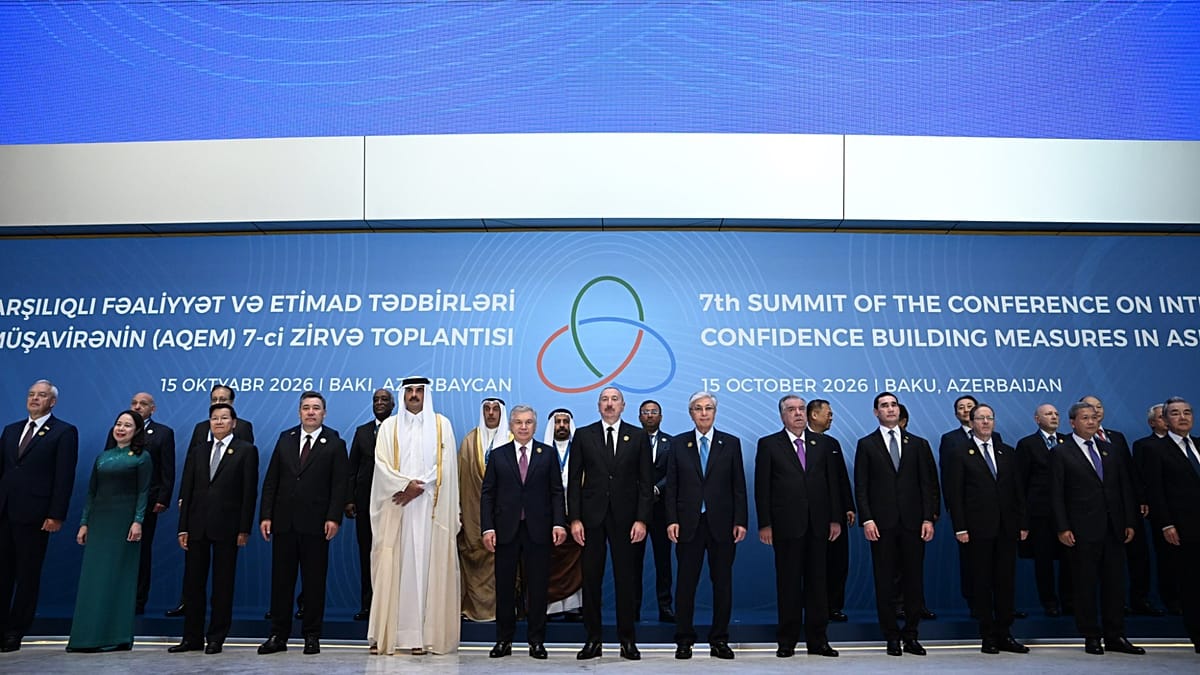
“Article A describes a specific summit meeting in Baku involving multiple countries, while Article B discusses broader reasons why Iran might fear peace agreements.”
New York Post
⚖️ Leans strongly right further right than this Hedges 3 of 24 claims Outlet record 66/100
“The articles discuss different aspects of Iran's political situation without describing the same specific incident or occurrence.”
Al Jazeera
Hedges 0 of 2 claims Outlet record 60/100
“The articles discuss related topics but describe different events: one analyzes Iran's internal dynamics regarding peace, while the other reports on current diplomatic tensions between the US and Iran.”
How this article was measured signals, leaning charts, publisher record, byline, topics and claims

Signals How these are calculated →

Claims extracted
2
sentences that state something as happening or true
Uncertain
50%
1 of 2 hedged ("reportedly", "may", "according to")
Leaning
Leans right
of the writing, not the subject · beta estimate
Publisher signals
70/100
Washington Examiner's corrections and hedging, across everything collected from it. Not a measure of accuracy.
Outlets on this story
1
Politics
Same framing elsewhere
1
articles that frame the event the way this one does
Analyzed 2026-10-20 · how these are computed

How this is being covered How these are calculated →

Article leaning vs. publisher reliability
Source leaning vs. consistency

Publisher

Washington Examiner · 3982 article(s) · 7 correction(s) detected
Running correction rate · 7 correction(s)

Who wrote this

Hamid Enayat
2 article(s) here · 1 carrying a prediction
🔮 Why would Iran’s ruling establishment undermine a peace agreement offering enormous economic relief while the country faces military destruction and financial exhaustion?
2026-10-20 · mixed framing · Why Iran’s regime fears peace more than war
🔮 In remarks delivered in May 2026, he described the political use of counterterrorism justice.
Also by Hamid Enayat
Nothing else under this byline is closely related to this article, so these are simply their most recent.

Topics

Iran Iranian

Subjects

Iran GPE · 1× Iranian NORP · 1×

Narrative

Why would Iran’s ruling establishment undermine a peace agreement offering enormous economic relief while the country faces military destruction and financial exhaustion?
framing: mixed · carried by 1 article(s) · first seen 2026-10-20
🔮 Why would Iran’s ruling establishment undermine a peace agreement offering enormous economic relief while the country faces military destruction and financial exhaustion?
2026-10-20 · Washington Examiner
Why Iran’s regime fears peace more than war · mixed framing

Claims (2 extracted, 1 hedged)

Why would Iran’s ruling establishment undermine a peace agreement offering enormous economic relief while the country faces military destruction and financial exhaustion? asserted
country → rule → destruction
The answer may be that peace, however beneficial to the Iranian people, threatens the political survival of institutions that have depended on confrontation and crisis for decades. uncertain
that → threaten → decades
💬Give feedback
🕘History 🎫Support