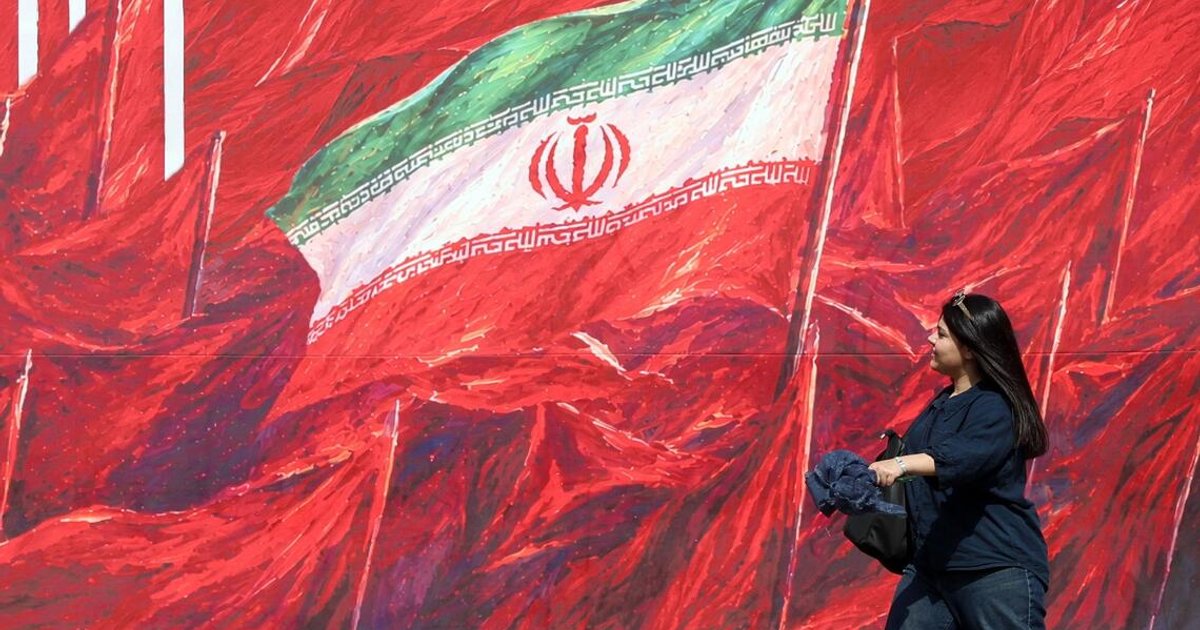
Photo via The Straits Times

Iran’s security chief rejects moving enriched uranium out of country

Read the original at The Straits Times ↗
Cite

The Straits Times. (2026, October 20). Iran’s security chief rejects moving enriched uranium out of country. The Straits Times. https://www.straitstimes.com/world/middle-east/irans-security-chief-rejects-moving-enriched-uranium-out-of-country

Dated from the outlet's own feed. Check the original for its byline.

The Straits Times · collected 2026-10-20 · by The Straits Times

Quick Summary

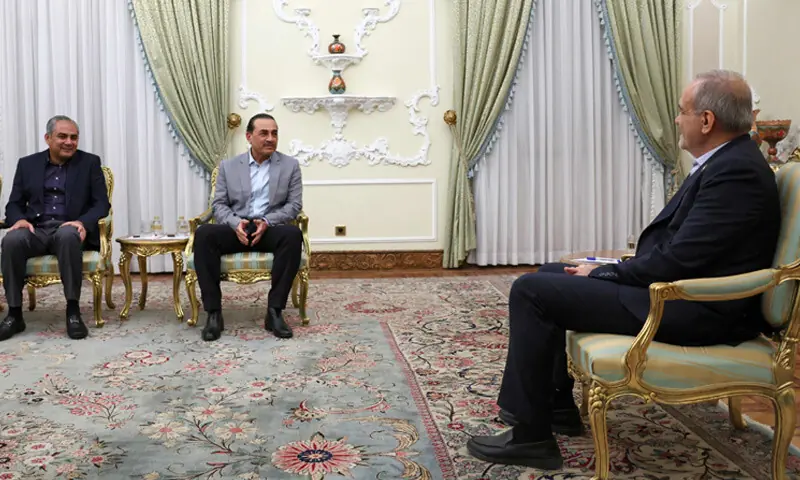
On October 20, Iran’s security chief Mohsen Rezaei told visiting Pakistani army chief Asim Munir that Iran will not allow any enriched uranium to leave the country, calling such materials “national wealth.” This stance underscores Iran's firm position against transferring nuclear material abroad and highlights its demand for the U.S. to meet certain conditions before trust can be rebuilt in ongoing negotiations.
Written by AI on 2026-10-20, from this article's own text only (the story summary below draws on all the coverage).

AI analysis

Story summary

On October 20, Mohsen Rezaei, Iran's security chief and secretary of the Supreme National Security Council, rejected moving enriched uranium out of the country during a meeting with the visiting Pakistani army chief Asim Munir in Tehran. Rezaei emphasized that nuclear materials are "a major asset and national wealth for the Iranian people" intended for domestic use only. He further stated that Iran will not negotiate until the United States takes steps to build trust, starting by fulfilling Iran's conditions. Similarly, Iran’s chief negotiator and Parliament speaker Mohammad Bagher Ghalibaf noted that threats or military maneuvers cannot influence Iran's strategic decisions, reiterating Iran’s demand for a ceasefire across the Middle East as part of their conditions.

Written for “Iran Rejects Uranium Transfer” on 2026-11-01, grounded in this article and the 0 other(s) covering the same event.

Story

📰 Iran Rejects Uranium Transfer
Politics · 1 article(s) covering the same event.

Compared with similar articles

This article reads unscored and hedges 8% of its claims. Each row says how that neighbour differs.
Al Jazeera
Hedges 6 of 66 claims Outlet record 60/100
“While both articles mention Field Marshal Asim Munir's visit to Iran, Article A focuses on his diplomatic talks aimed at preventing conflict, while Article B reports on Iran’s security chief rejecting the movement of enriched uranium. These appear to be different aspects or outcomes of the same trip rather than a single event.”
Dawn
Hedges 7 of 20 claims Outlet record 72/100
“The articles describe different parts of the visit by Asim Munir to Iran, but not the exact same meeting or conversation.”
How this article was measured signals, leaning charts, publisher record, byline, topics and claims

Signals How these are calculated →

Claims extracted
12
sentences that state something as happening or true
Uncertain
8%
1 of 12 hedged ("reportedly", "may", "according to")
Leaning
withheld
no quote in the article backed the model's score
Publisher signals
66/100
The Straits Times's corrections and hedging, across everything collected from it. Not a measure of accuracy.
Outlets on this story
1
Politics
Same framing elsewhere
1
articles that frame the event the way this one does
Analyzed 2026-10-20 · how these are computed

How this is being covered How these are calculated →

Article leaning vs. publisher reliability
Source leaning vs. consistency

Publisher

The Straits Times · 4126 article(s) · 5 correction(s) detected
Running correction rate · 5 correction(s)

Who wrote this

The Straits Times
2665 article(s) here · 1 carrying a prediction
🔮 If not for the “economic funk” engulfing most voters, the National Party would have a much easier route back to office, said political commentator Grant Duncan.
🔮 Explainer-How Trump’s noncitizen voter lists could affect the midterms
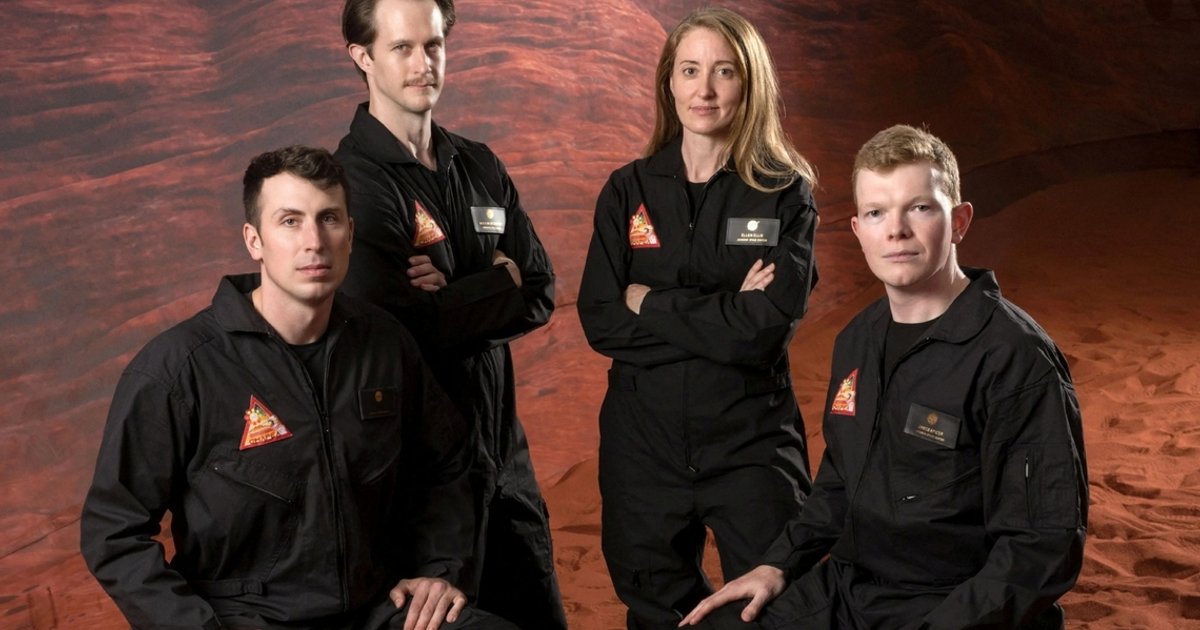
🔮 “It’s been a hell of a year – analogue astronauts living in captivity of our own free will,” Ellen Ellis, the medical officer on the Crew Health and Performance Exploration Analog, or CHAPEA, mission, said in remarks at Johnson Space Center after emerging with her three crewmates on Oct 31. The four entered the 1,700-square-foot (158sq m) 3D-printed habitat on Oct 19, 2025, and performed tasks such as growing crops in simulated Martian soil and interfacing with NASA officials with delays recreating those inherent in interplanetary communications.
🔮 Races in some areas are so tight, that turnout from the Indian community may change the outcomes, rally organisers say.
🔮 Initial complaints were expected to be filed on Nov 1.
🔮 Final results are due in coming days and not expected to change the outcome.
🔮 The head of a student group said a campaign of high school blockades would restart from Nov 2, adding the government’s proposals did not go far enough.
🔮 “Evidence is being reviewed and further action will be taken as appropriate.”
🔮 The head of Germany’s far-left Die Linke (The Left) party, Ines Schwerdtner, told the Rheinische Post daily that the demands made by those “demonstrating peacefully will not disappear because small angry groups followed up with acts of vandalism”.
🔮 Pope Leo says he hopes Oleshky truce could spur Ukraine-Russia peace efforts VATICAN CITY, Nov 1 - Pope Leo said on Sunday he hoped cooperation between Russia and Ukraine in implementing a ceasefire in the Russian-occupied Ukrainian town of Oleshky would pave the way for broader peace efforts. Ukraine and Russia said on October 23 they had agreed to a ceasefire in Oleshky, brokered by US first lady Melania Trump with the additional involvement of Pope Leo, to allow aid deliveries and evacuations from the frontline town, which has been suffering acute food and medicine shortages. "
Also by The Straits Times
Nothing else under this byline is closely related to this article, so these are simply their most recent.
All 2665 articles by The Straits Times →

Topics

America Iran TEHRAN Washington the United States

Subjects

Iran GPE · 14× TEHRAN GPE · 6× America GPE · 2× Washington GPE · 2× the United States GPE · 2× Asim Munir PERSON · 1× Iranian NORP · 1× Mohsen Rezaei PERSON · 1× Pakistani NORP · 1× Rezaei PERSON · 1×

Narrative

“Not even a tiny bit of enriched nuclear material will leave Iran; such materials constitute a major asset and national wealth for the Iranian people, intended for use within the country,” said Rezaei, Iran’s secretary of the Supreme National Security Council.
framing: assertive · carried by 1 article(s) · first seen 2026-10-20
🔮 Iran’s security chief Mohsen Rezaei on Oct 20 told the visiting Pakistani army chief Asim Munir that Tehran would not allow nuclear material to leave the country, according to state TV.
2026-10-20 · The Straits Times
Iran’s security chief rejects moving enriched uranium out of country · assertive framing

Claims (12 extracted, 1 hedged)

Iran’s security chief rejects moving enriched uranium out of country AI generated TEHRAN - asserted
chief → reject → country
Iran’s security chief Mohsen Rezaei on Oct 20 told the visiting Pakistani army chief Asim Munir that Tehran would not allow nuclear material to leave the country, according to state TV. uncertain
material → tell → TV
“Not even a tiny bit of enriched nuclear material will leave Iran; such materials constitute a major asset and national wealth for the Iranian people, intended for use within the country,” said Rezaei, Iran’s secretary of the Supreme National Security Council. asserted
Rezaei → leave → Council
“There will be no negotiations until America takes steps to build trust – a process that must begin with the fulfilment of Iran’s conditions,” he added. asserted
he → take → conditions
Iran’s chief negotiator and Parliament speaker Mohammad Bagher Ghalibaf made similar remarks to Munir, who is in Tehran as part of a renewed push to mediate a peace deal between the Islamic republic and the United States. asserted
who → make → republic
“We have nothing new to say; America cannot gain Iran’s trust unless it fulfils the seven conditions,” said Ghalibaf, noting that “threats and military manoeuvres cannot influence Iran’s strategic decisions”. asserted
threats → have → decisions
Iran has demanded, among other things, a ceasefire across the Middle East, the unfreezing of its assets abroad and the lifting of sanctions on its oil sector. asserted
Iran → demand → sector
The Middle East war was sparked in late February by the United States and Israel when they launched a wave of surprise attacks on Iran, while Washington and Tehran were in the midst of negotiations on Iran’s nuclear programme. asserted
Washington → spark → programme
The warring parties agreed a memorandum of understanding in June that was expected to create a framework for a permanent resolution to the conflict, but the deal did not last long. asserted
deal → war → conflict
Negotiations have effectively been at an impasse since then, and recent indirect talks between the US and Iran on the sidelines of the UN General Assembly failed to produce a breakthrough. asserted
talks → fail → breakthrough
Tehran had previously maintained it would not hand over its nuclear materials – enriched to 60%, close to the atomic bomb threshold of 90% – to any country but had hinted at the possibility of diluting them within Iran’s borders. asserted
it → maintain → borders
Washington and its allies have imposed waves of sanctions on Iran, accusing it of seeking to build nuclear weapons, a charge Tehran has long denied. asserted
Tehran → impose → charge
💬Give feedback
🕘History 🎫Support