This bill could reshape crypto in America — and it's sparking a major battle
uncertain
it → reshape → battle
That is, if it can survive fierce opposition and actually become law.
asserted
it → survive → opposition
On Tuesday, the Senate will hold a key procedural vote on the Clarity Act — officially called the Digital Asset Market Clarity Act — which has been at the top of the crypto sector's wish list for years.
asserted
which → hold → years
The massive bill — which stretches over 600 pages — would establish the first regulations for the crypto sector in U.S. history.
asserted
which → stretch → history
But opponents see this as the industry's attempt to encode into law a set of rules that are far too lenient on the industry, without enough safeguards.
asserted
that → see → safeguards
A version of the bill already passed the House last year, but it has faced a long and torturous road in the Senate as opponents have fought tooth and nail.
asserted
opponents → pass → Senate
Here's 5 key things to know about the Clarity Act — and why opponents are fighting so hard to prevent it from ever being passed.
asserted
opponents → know → it
Just like with most things dealing with crypto, the details are complicated and a bit geeky.
asserted
details → deal → crypto
But it effectively establishes a clear legislative framework for the crypto sector for the first time in U.S. history.
asserted
it → establish → history
That would mark a sea change from today, where crypto regulation can change depending on who controls the White House.
asserted
who → mark → House
Under President Biden, for example, the Securities and Exchange Commission took an aggressive approach against the crypto sector.
asserted
Commission → take → sector
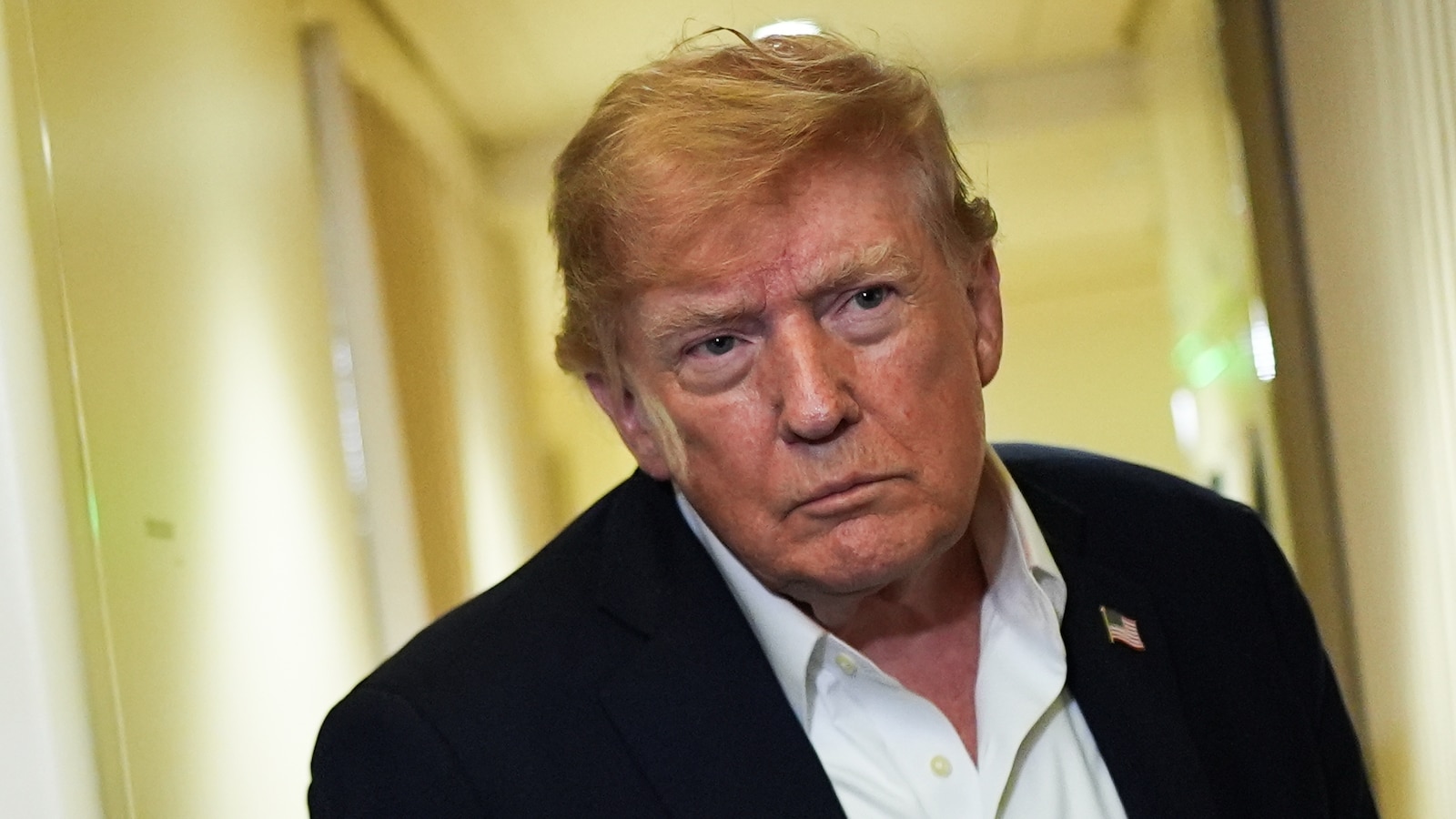
But that changed radically under President Trump with the agency now led by Paul Atkins, a former adviser to the industry.
asserted
agency → change → industry
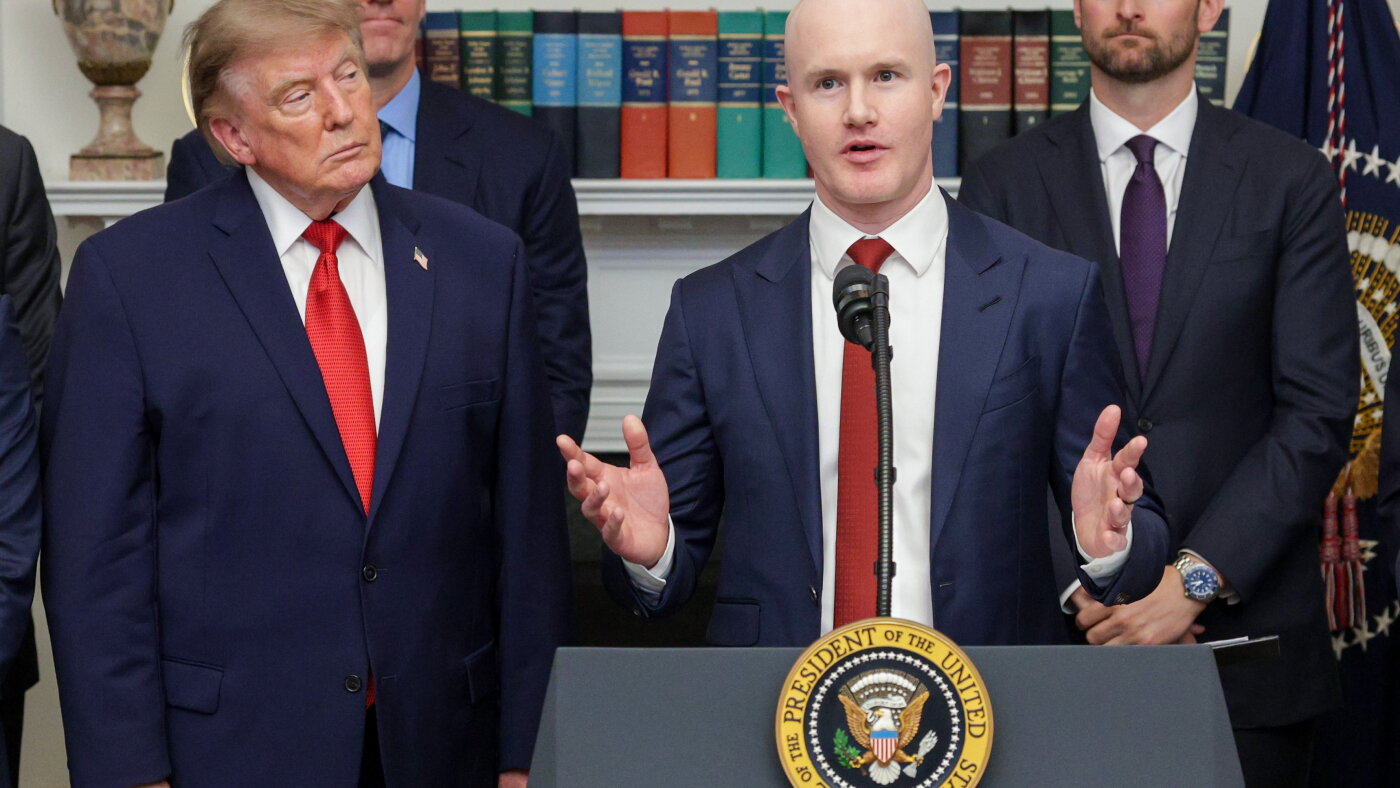
"Tens of millions of Americans are investing in products that don't have clear regulatory oversight," said Ryan VanGrack, vice chair of Coinbase, a major crypto firm.
asserted
VanGrack → invest → Coinbase
"Whether you love crypto or you hate crypto, you should want it regulated," he added.
asserted
he → love → crypto
"And this is the best opportunity we have ever had to do just that."
asserted
we → have → that
The crypto sector has also grown beyond Bitcoin to include all kinds of cryptocurrencies – such as meme coins.
asserted
sector → grow → coins
Meanwhile, the technology underpinning Bitcoin and some other cryptocurrencies are also starting to be adopted by the broader financial sector.
asserted
technology → underpin → sector
The Clarity Act would formally split oversight of the crypto sector between the SEC and the Commodity Futures Trading Commission.
asserted
Act → split → SEC
But — controversially— it would give the CFTC, a far smaller regulator, the majority of control.
asserted
it → give → control
Critics say handing the CFTC the bulk of the reins is the crypto sector's way to avoid heavy regulatory scrutiny.
asserted
handing → say → scrutiny
Crypto industry executives deny that's the case, and Trump administration regulators have defended their oversight of the industry.
asserted
regulators → deny → industry
It's effectively a vote to decide if the bill gets to move forward at all.
asserted
bill → decide → ?
The Senate would need 60 "yes" votes to clear that hurdle — meaning all 53 Republicans would have to back it, along with seven Democrats or Independents.
asserted
Republicans → need → Democrats
That's far from guaranteed.
asserted
That → guarantee → ?
The bill still faces significant opposition, and Tuesday's procedural vote is its most critical test to date.
asserted
vote → face → date
If it does advance, the Senate can move ahead with debate, and, eventually, a final vote.
asserted
Senate → advance → debate
Even if the bill passes the Senate, though, it would not go straight to President Trump.
asserted
it → pass → Trump
Because senators have changed the bill since it passed the House last year, both chambers would still have to agree on a final version.
asserted
chambers → change → version
But it's unclear how soon that might happen, with a busy agenda in Congress — and midterm elections coming up fast in early November.
uncertain
elections → happen → November
The crypto sector had been hoping to pass the Clarity Act much sooner — and have amassed tens of millions to spend on the upcoming elections.
asserted
sector → hop → elections
But money hasn't been enough to erase the disagreements that have dogged the bill for months.
asserted
that → erase → months
Why are Democrats pushing back?
asserted
Democrats → push → ?
For Democrats, a key sticking point is an ethics clause intended to prevent presidents and other elected officials from profiting from the crypto industry while in office.
asserted
point → intend → office
Democrats, including Massachusetts Sen. Elizabeth Warren, have argued the clause doesn't do enough to prevent conflicts of interest.
asserted
clause → include → interest
Notably, the Department of Justice would be tasked with enforcing the ethics clause, which Democrats strongly object to since they don't believe the agency would provide a meaningful check on a sitting president.
asserted
agency → task → president
The DOJ is currently led by Todd Blanche, who used to be Trump's attorney.
asserted
who → lead → Blanche
Those concerns intensified after President Trump disclosed he and his family had earned $1.4 billion last year from his crypto ventures — an unprecedented sum for a sitting president.
asserted
he → intensify → president
Republicans are now trying to break the impasse.
asserted
Republicans → try → impasse
Under the new language unveiled by Republicans, federally elected officials and their spouses would not be allowed to issue their own cryptocurrencies.
asserted
officials → unveil → cryptocurrencies
That could effectively prevent Trump from continuing $TRUMP, a meme coin he launched early last year— a point Trump agreed to abide by.
uncertain
Trump → prevent → TRUMP
…and 15 more, not listed.
 The Aporia