

Suggested from 4 outlets (0 usually left of the middle, 3 middle, 1 right of it): the fullest account of the event, no political position was found in its wording and its publisher is declared as reporting rather than commentary.
What happened
The outlets' own sentences, most widely reported first. Hover or tap one to see who reported it.
What each outlet says
One AI summary per outlet of its latest article on this story, written from that article alone and checked against it. Open the article for the outlet's own words.
On November 15, a Vulcan rocket owned by United Launch Alliance, a joint venture of Boeing and Lockheed Martin, failed shortly after launching from Cape Canaveral Space Force Station in Florida, destroying 40 satellites intended for Amazon’s Leo internet network. The failure occurred about 10 minutes into the flight, with the cause yet undetermined. This setback impacts United Launch Alliance’s efforts to launch…
Rocket from Boeing-Lockheed firm fails mid-flight, destroys payload of Amazon satellites →2 articles from The Straits Times on this storyUnited Launch Alliance's Vulcan rocket failed during a launch on Sunday, resulting in the loss of 40 Amazon Leo internet satellites. The anomaly occurred 10 minutes into the flight, marking ULA's first outright failure since its formation in 2006. The cause is under investigation, potentially delaying future Vulcan launches while engineers assess the issue. Amazon has 38 Vulcan launches scheduled, but this failure…
Vulcan rocket fails in major setback for United Launch Alliance →United Launch Alliance’s rocket, Vulcan Leo 1, experienced a total mission failure nearly 10 minutes after launching from Cape Canaveral Space Force Station on Sunday. The rocket carried 40 Amazon satellites intended to provide internet coverage in underserved areas. ULA did not disclose the cause of the failure but stated they would investigate and aim to resume launches soon. The company emphasized that every…
ULA loses 40 Amazon Leo satellites in ‘total mission failure’ minutes after rocket launch →United Launch Alliance's Vulcan rocket failed 10 minutes after launching from Florida on Sunday, resulting in the loss of 40 Amazon satellites meant for its Leo internet network. The failure marks a significant setback for Amazon's plans to deploy 3,232 satellites to launch its Amazon Leo internet service in 2026. United Launch Alliance stated that the cause of the anomaly is not yet clear, emphasizing the need for…
Amazon loses 40 Leo satellites as ULA's Vulcan rocket fails minutes after launch →Analysis
Framing
How the first headlines put it
The headlines (4)
Vulcan rocket fails in major setback for United Launch Alliance
ULA loses 40 Amazon Leo satellites in ‘total mission failure’ minutes after rocket launch
Rocket from Boeing-Lockheed firm fails mid-flight, destroys payload of Amazon satellites
Amazon loses 40 Leo satellites as ULA's Vulcan rocket fails minutes after launch
Words to watch (1)
Rocket from Boeing-Lockheed firm fails mid-flight, destroys payload of Amazon satellites
How it changed
- 15 Nov
"There is risk with any launch, and that's especially true for inaugural missions like LV-01," Amazon Leo said in a post on X, using a designation meaning Leo Vulcan flight 1.
Coverage 5 articles
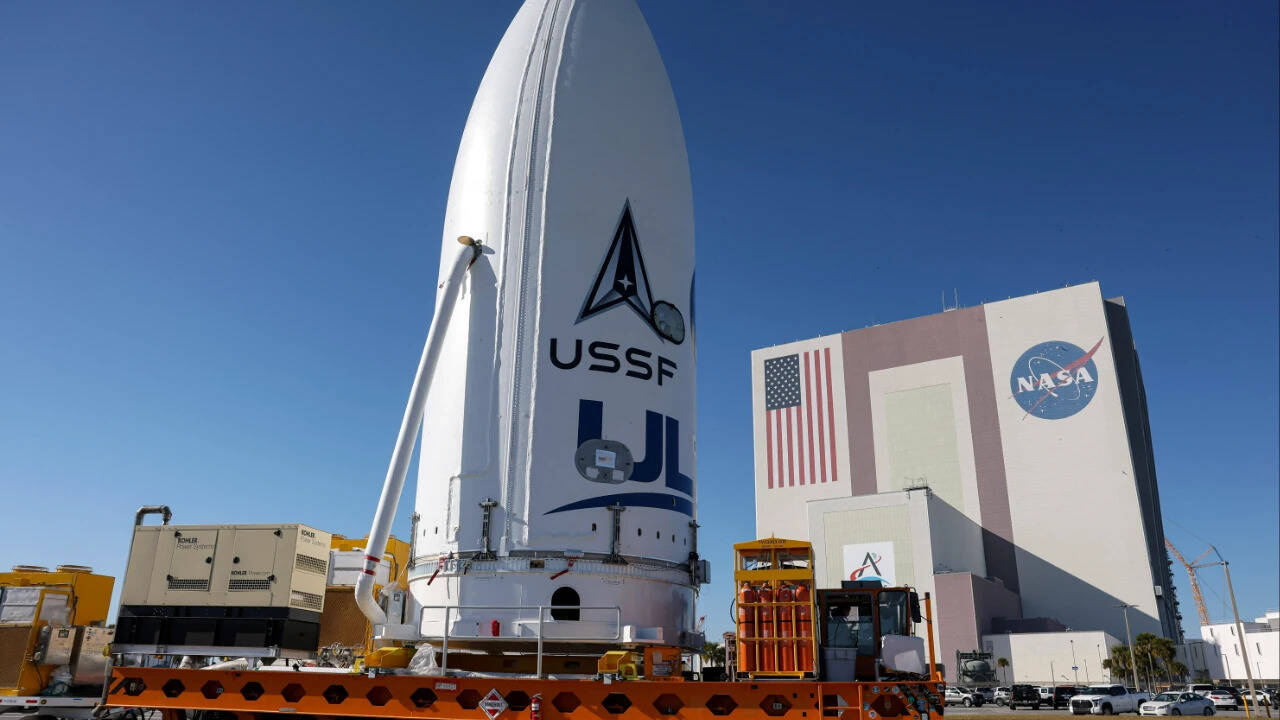 16 Nov Amazon loses 40 Leo satellites as ULA's Vulcan rocket fails minutes after launchUnited Launch Alliance's Vulcan rocket failed 10 minutes after launching from Florida on Sunday, resulting in the loss of 40 Amazon satellites meant for its Leo internet network. The failure marks a significant setback for Amazon's plans to deploy 3,232 satellites to launch its Amazon Leo internet service in 2026. United Launch Alliance stated that the cause of the anomaly is not yet clear, emphasizing the need for…Times of India
16 Nov Rocket from Boeing-Lockheed firm fails mid-flight, destroys payload of Amazon satellitesOn November 15, a Vulcan rocket owned by United Launch Alliance, a joint venture of Boeing and Lockheed Martin, failed shortly after launching from Cape Canaveral Space Force Station in Florida, destroying 40 satellites intended for Amazon’s Leo internet network. The failure occurred about 10 minutes into the flight, with the cause yet undetermined. This setback impacts United Launch Alliance’s efforts to launch…The Straits Times
15 Nov Rocket from Boeing-Lockheed firm fails mid-flight, destroys payload of Amazon satellitesOn November 15, a Vulcan rocket owned by United Launch Alliance (a joint venture of Boeing and Lockheed Martin) failed shortly after liftoff from Cape Canaveral Space Force Station in Florida, destroying 40 satellites intended for Amazon's internet network. This marked the company's first mission failure and a significant setback for Amazon's satellite deployment efforts, which aim to compete with SpaceX's Starlink…The Straits Times
 15 Nov ULA loses 40 Amazon Leo satellites in ‘total mission failure’ minutes after rocket launchUnited Launch Alliance’s rocket, Vulcan Leo 1, experienced a total mission failure nearly 10 minutes after launching from Cape Canaveral Space Force Station on Sunday. The rocket carried 40 Amazon satellites intended to provide internet coverage in underserved areas. ULA did not disclose the cause of the failure but stated they would investigate and aim to resume launches soon. The company emphasized that every…New York Post
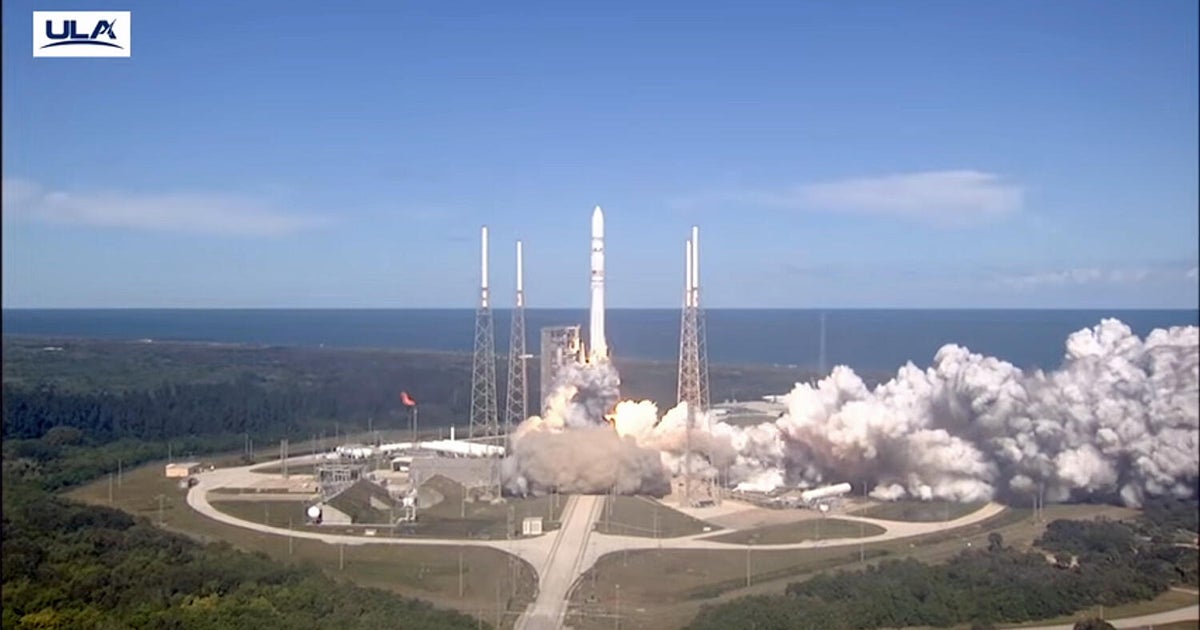 15 Nov Vulcan rocket fails in major setback for United Launch AllianceUnited Launch Alliance's Vulcan rocket failed during a launch on Sunday, resulting in the loss of 40 Amazon Leo internet satellites. The anomaly occurred 10 minutes into the flight, marking ULA's first outright failure since its formation in 2006. The cause is under investigation, potentially delaying future Vulcan launches while engineers assess the issue. Amazon has 38 Vulcan launches scheduled, but this failure…CBS News
Keep exploring
 Recent · 15–16 NovMegaspeed Investigates Alice Huang Departure
 Recent · 15–16 NovPope Leo Visits Amazon And Andes
 Recent · 13–16 NovUS Air Travel Disruptions Continue
 Recent · 6–16 NovTrump-Xi-Putin Trilateral Summit
 Recent · 14–16 NovElon Musk Pushes For Jensen Huang's Return
 Recent · 12–16 NovMigrants Arrive In Canary Islands
 Recent · 8–16 NovGiants Lose to Commanders
 Recent · 15–16 NovMilsaya Fulwiley Arrested After Traffic Stop
 Recent · 15–16 NovRussell Brand's Wife Shares Prison Message
 Recent · 14–16 NovHuge Waves Threaten California Coast
Built 2026-11-16 from 5 articles. Every sentence on this page is quoted from the linked article; nothing was written by a model except the Summary and the items marked AI, which cite their sources, and the questions and labels under "Disputed". Photos are from the outlets that covered the story, never from articles our check marks sensitive.