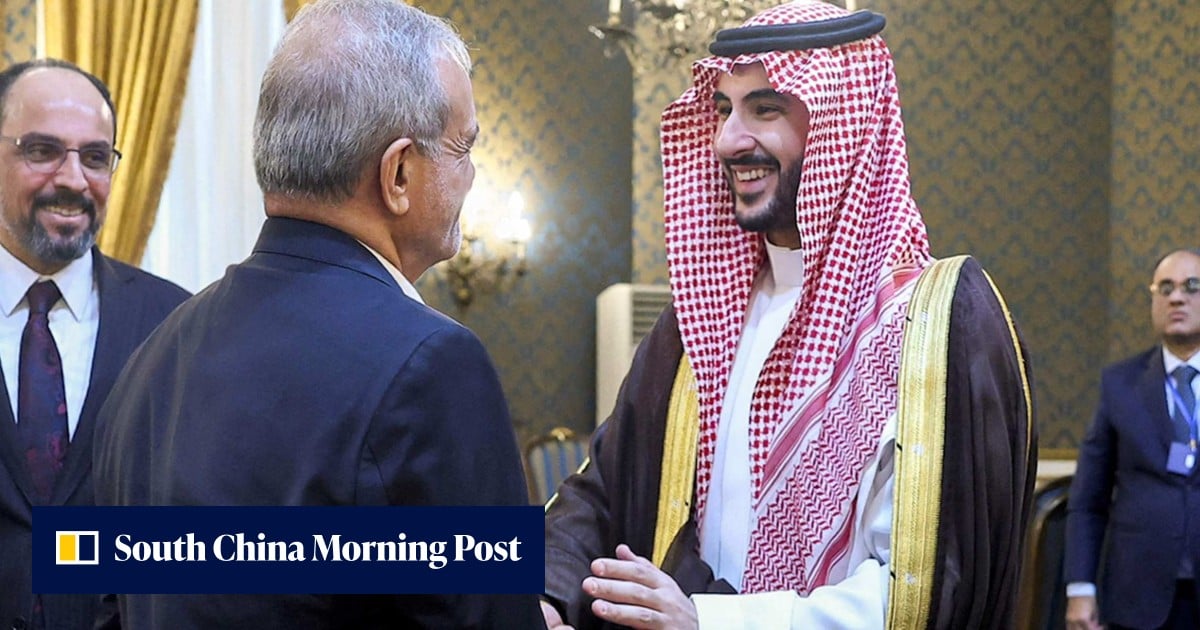
Photo via South China Morning Post

Why US allies in Middle East are accelerating direct talks with Iran

Read the original at South China Morning Post ↗
Cite

Hussain, T. (2026, October 29). Why US allies in Middle East are accelerating direct talks with Iran. South China Morning Post. https://www.scmp.com/week-asia/politics/article/3372527/why-us-allies-middle-east-are-accelerating-direct-talks-iran

Dated from the outlet's own feed. Check the original for its byline.

South China Morning Post · collected 2026-10-29 · by Tom Hussain

Quick Summary

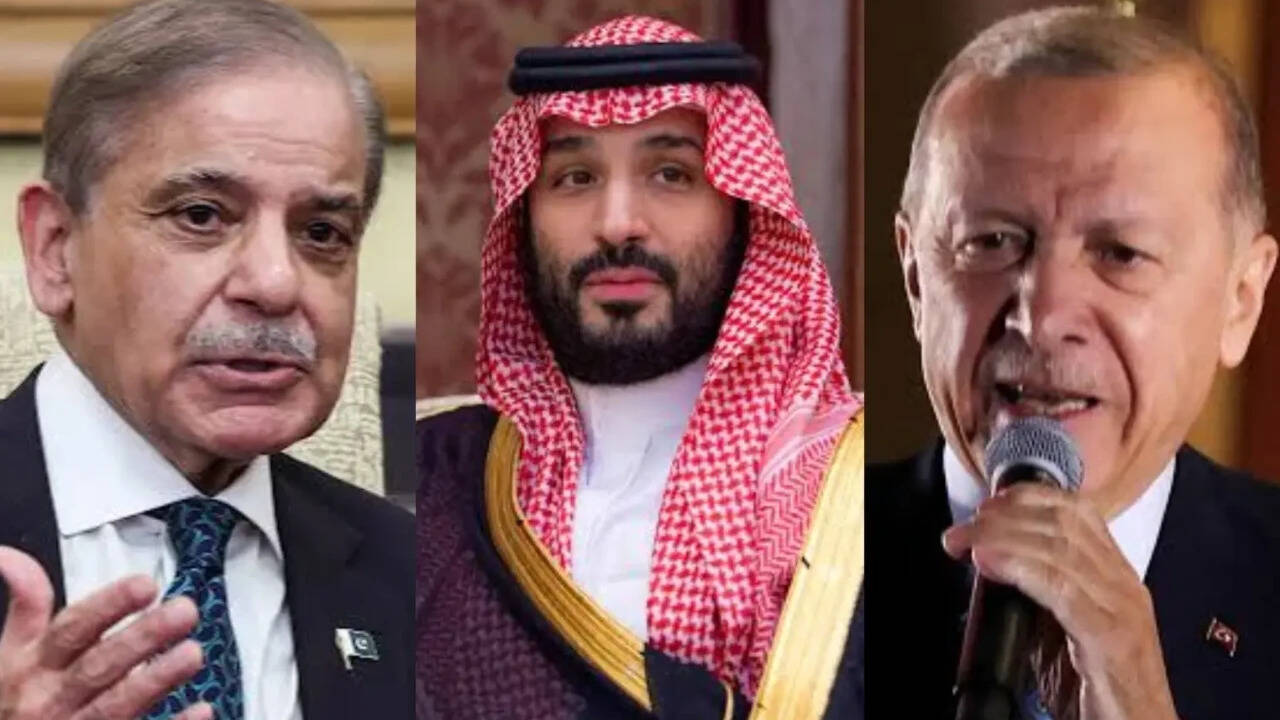
US allies in the Middle East, including Saudi Arabia, Pakistan, and Turkey, are increasing direct diplomatic engagements with Iran to establish a new regional security framework amid concerns about escalating tensions and potential conflicts. Saudi Arabia notably took a significant step by sending Prince Khalid bin Salman, the country’s defense minister, to Tehran for talks with Iranian officials, marking the first such direct engagement from Riyadh.
Written by AI on 2026-10-29, from this article's own text only (the story summary below draws on all the coverage).
See how they differ ↓

AI analysis

Story summary

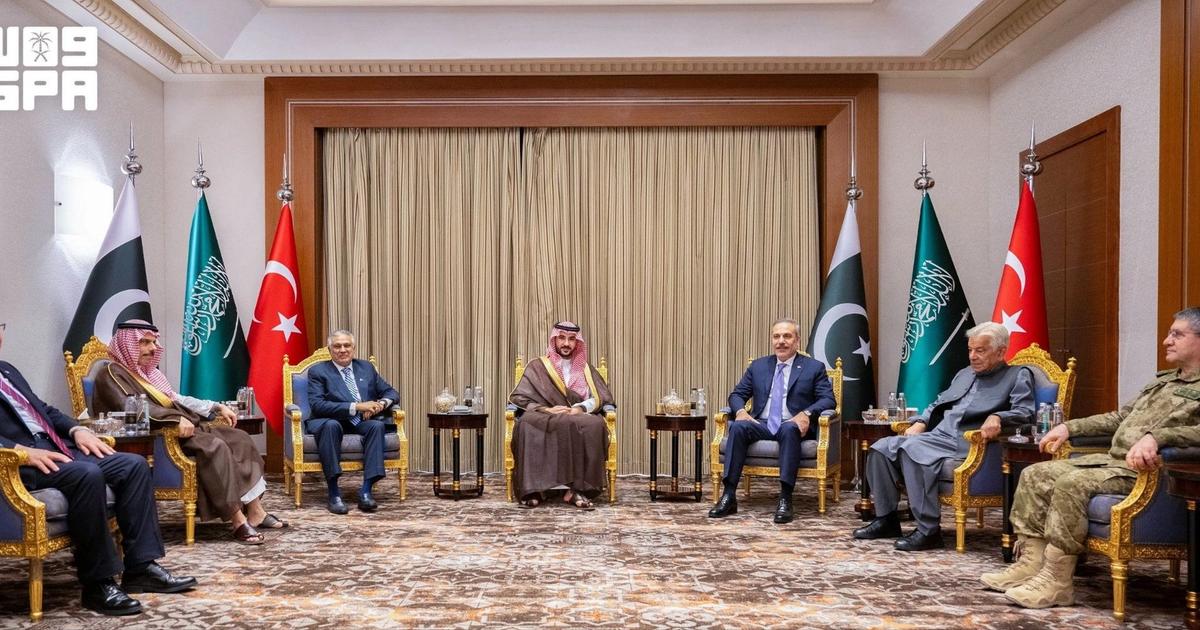
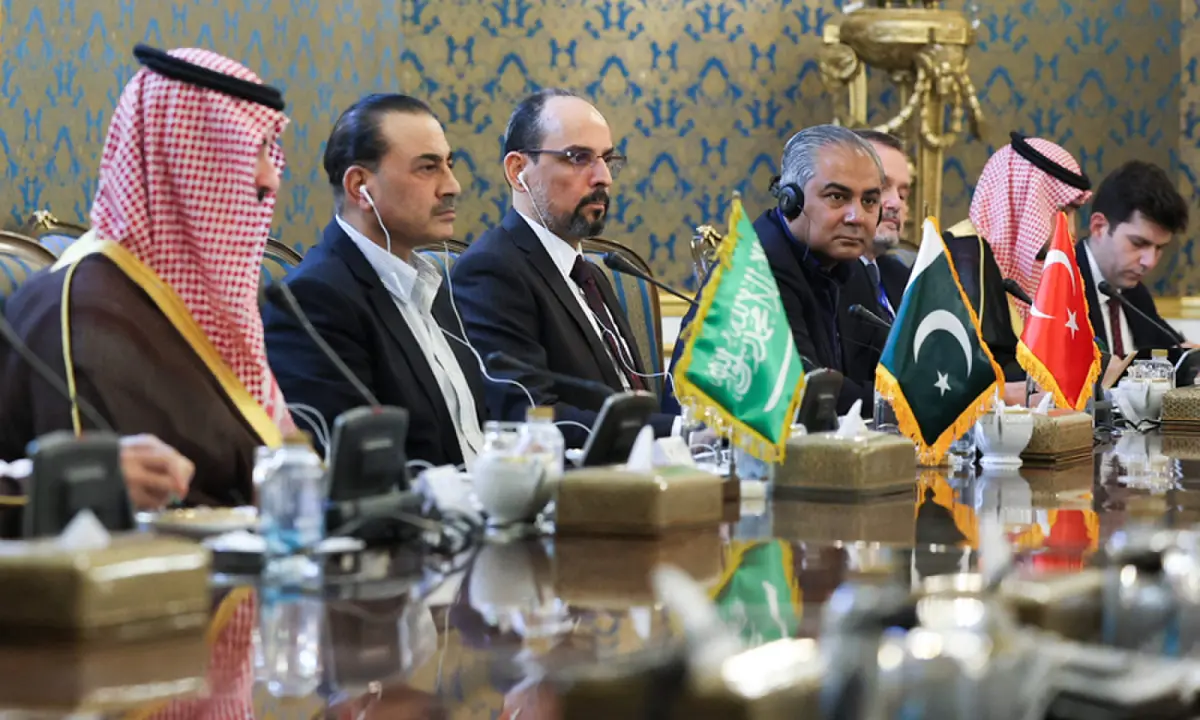
On October 26, top officials from the Mecca Pact countries—Saudi Arabia, Turkey, and Pakistan—met with Iranian officials in Tehran to discuss regional security. The meeting involved Prince Khalid bin Salman (Saudi defense minister), Field Marshal Asim Munir (Pakistan’s army chief and Chief of Defence Forces), and Ibrahim Kalin (Turkish intelligence chief). They discussed strategies to ease tensions amid the re-escalation of conflicts in the region, particularly regarding the Houthi conflict in Yemen. The meeting aimed to prevent a flare-up between Iran and other regional or global powers like the US and Israel. Defence Minister Khawaja Asif later clarified that his non-participation in these discussions was due to it not being under his ministry's mandate, responding to criticism from Jamiat Ulema-i-Islam-Fazl (JUI-F) chief Maulana Fazlur Rehman.

Written for “Tehran Huddle Talks” on 2026-11-21, grounded in this article and the 23 other(s) covering the same event.

How they differ

10 outlets covered “Tehran Huddle Talks”.

What each outlet says

One AI summary per outlet of its latest article on this story, written from that article alone and checked against it. Open the article for the outlet's own words.

South China Morning PostThis outlet29 Oct

US allies in the Middle East, including Saudi Arabia, Pakistan, and Turkey, are increasing direct diplomatic engagements with Iran to establish a new regional security framework amid concerns about escalating tensions and potential conflicts. Saudi Arabia notably took a significant step by sending Prince Khalid bin Salman, the country’s defense minister, to Tehran for talks with Iranian officials, marking the first…

Why US allies in Middle East are accelerating direct talks with Iran (this article)

Dawn29 Oct

Federal ministers responded to Maulana Fazlur Rehman’s comments about a meeting between Iran and Makkah Defense Pact countries in Tehran, asserting that it was unrelated to defense. The meeting included Pakistan's Chief of Defence Forces and other officials from Saudi Arabia, Turkey, and Iran. While Fazl questioned the necessity of Pakistan's interior minister attending the meeting, ministers defended their…

'Not related to defence': Govt responds to Fazl's remarks about Makkah pact countries' meeting in Tehran →8 articles from Dawn on this story
Times of India27 Oct

Saudi Arabia reportedly offered $1 billion to Yemen’s Houthi group through Iran to secure a ceasefire and halt attacks on the kingdom, according to Israeli media citing diplomatic sources in the Gulf. During talks brokered by Iran in Tehran, Saudi defense minister Prince Khalid bin Salman allegedly brought money aboard his transport aircraft, though no confirmation of actual transfers was provided. The meeting…

Saudi Arabia offered Houthis $1 billion through Iran to stop attacks: Report →3 articles from Times of India on this story
Al Jazeera28 Oct

Gulf Cooperation Council countries, including Saudi Arabia, Pakistan, and Turkey, held high-level talks with Iranian officials in Tehran to ease tensions amid fears of renewed US strikes on Iran. The meeting aimed to discuss a potential regional security pact, but negotiations have stalled over disagreements, particularly regarding Iran's nuclear program. Diplomatic efforts intensified following recent attacks by…

Are GCC countries looking for a regional security pact with Iran? →3 articles from Al Jazeera on this story
Semafor27 Oct

Stocks and oil markets reacted positively following a diplomatic meeting between Saudi, Pakistani, Turkish security officials, and Iranian leaders in Tehran. Saudi stocks saw their biggest gain in over a year at 3.4%, while oil prices dropped by about 1%. Despite these positive market signals indicating potential de-escalation of tensions, Yemen’s Houthi rebels continued to launch attacks against Saudi Arabia…

Diplomacy push provides brief respite for markets →2 articles from Semafor on this story
The Guardian28 Oct

Gulf states are working on a peace deal to reopen the Strait of Hormuz and for the Houthis in Yemen to withdraw forces as part of efforts to prevent renewed conflict between Iran and the US. The US wants Iran to allow UN weapons inspectors back into the country, while Iran insists on economic sanctions relief before making concessions. Talks involve multiple countries including Saudi Arabia, Turkey, Pakistan, and…

Gulf states working on multipart peace deal to avert renewal of US-Iran war →2 articles from The Guardian on this story
Show 4 more outlets
Euronews27 Oct

Qatar is mediating between Iran and regional powers like Saudi Arabia, Pakistan, and Turkey in an attempt to reduce tensions and open the Strait of Hormuz for shipping. During a visit to Tehran, Qatar urged Iran to demonstrate goodwill by ceasing threats against neighboring countries and reopening the strategic waterway. Talks are ongoing amid concerns over escalating conflict and disrupted energy supplies; US…

Qatar urges Iran to 'show goodwill' by ending threats to the region and reopening the Strait of Hormuz →2 articles from Euronews on this story
The Straits Times26 Oct

Top officials from Saudi Arabia, Turkey, and Pakistan, members of the Mecca Pact, will meet Iranian officials in Tehran on October 26 to discuss regional coordination amid ongoing conflicts. The meeting includes Saudi Defense Minister Prince Khalid bin Salman and Pakistan's army chief Field Marshal Asim Munir; details emerged from sources who wished to remain anonymous. This is the first high-level contact between…

Top officials from Mecca Pact countries to meet Iranian officials in Tehran: Sources →
The Hindu26 Oct

On October 26, 2026, Iranian state television reported that Iran held its first meeting with representatives from Saudi Arabia, Pakistan, and Turkey in Tehran. These countries are signatories to the Mecca defence pact. The parties agreed to continue discussions aimed at strengthening cooperation and addressing regional peace and security issues.

Iran, Mecca pact countries agree to continue talks after 'first' meeting: state media →
Deutsche Welle28 Oct

Three major Middle Eastern powers—Pakistan, Saudi Arabia, and Turkey—met in Tehran this Monday as part of their new Mecca defense pact aimed at preventing further military escalation between Iran and its adversaries, including the United States and Israel. The envoys discussed regional security issues such as US-Iran tensions, Houthi attacks on Saudi Arabia, and naval disputes over the Strait of Hormuz. Iran viewed…

Is Iran headed to war or peace after Mecca alliance meeting? →

Where they agree and split

Framing

How the first headlines put it

Attributed to a source1
Stated as fact7
The headlines (8)

Top officials from Mecca Pact countries to meet Iranian officials in Tehran: Sources The Straits Times · attributed to a source

Mecca country officials to hold joint meeting in Tehran; discuss regional security Times of India · stated as fact

Mecca Pact members meet officials in Tehran Semafor · stated as fact

High-level delegation in Iran in push to avert flare-up of conflict with US The Guardian · stated as fact

Mecca defence alliance members in Tehran to defuse Iran-US, Yemen tensions Al Jazeera · stated as fact

Pezeshkian urges 'regional unity' in meeting with Makkah pact countries in Tehran Dawn · stated as fact

From the Mecca defence pact to Tehran talks: Is the Middle East’s security landscape shifting? Euronews · stated as fact

Iran, Mecca pact countries agree to continue talks after 'first' meeting: state media The Hindu · stated as fact

The full story: what happened, how it changed, and all 24 articles →

Compared with similar articles

This article reads unscored and hedges 0% of its claims. Each row says how that neighbour differs.
The Straits Times
Hedges 2 of 24 claims Outlet record 64/100
“The articles describe different events: one about Iran planning attacks against Americans and the heightened alert in response, while the other discusses US allies accelerating direct talks with Iran for regional security.”
Times of India
Hedges 1 of 11 claims Outlet record 59/100
Semafor
Hedges 3 of 5 claims Outlet record 64/100
Al Jazeera
Hedges 3 of 24 claims Outlet record 60/100
Euronews
Hedges 3 of 31 claims Outlet record 60/100
The Hindu
Hedges 0 of 2 claims Outlet record 78/100
Times of India
Leans left Hedges 2 of 22 claims Outlet record 59/100
Dawn
Hedges 5 of 29 claims Outlet record 66/100
The Tehran opening Same event
Dawn
Leans strongly left Hedges 14 of 46 claims Outlet record 66/100
Regional security Same event
Dawn
Leans strongly left Hedges 3 of 20 claims Outlet record 66/100

Story

Tehran Huddle Talks
Politics · 24 article(s) covering the same event. Compare every outlet's account →
How this article was measured signals, leaning charts, publisher record, byline, topics and claims

Signals How these are calculated →

Claims extracted
3
sentences that state something as happening or true
Uncertain
0%
0 of 3 hedged ("reportedly", "may", "according to")
Leaning
not political
takes no side on a contested political question
Publisher signals
62/100
South China Morning Post's corrections and hedging, across everything collected from it. Not a measure of accuracy.
Outlets on this story
24
Politics
Same framing elsewhere
1
articles that frame the event the way this one does
Analyzed 2026-10-29 · how these are computed

How this is being covered How these are calculated →

Article leaning vs. publisher reliability
Source leaning vs. consistency

Publisher

South China Morning Post · 4214 article(s) · 8 correction(s) detected
Running correction rate · 8 correction(s)

Who wrote this

Tom Hussain
13 article(s) here · 0 carrying a prediction
Saudi arms sales, UAE crypto deals and Trump family business links could be in the firing line when the Democratic-led Congress convenes 4-MIN READ4-MIN Washington’s key Gulf allies are expected to come under fire as Democrats use their new congressional majorities to investigate US President Donald Trump’s final two years in office.
Trump’s Israel aid cut reveals push to trade grants for tech cooperation A shift towards joint technology development looks set to replace traditional grants with deeper, less scrutinised Pentagon funding 3-MIN READ3-MIN
The four-nation Badr defence pact seeks to shed dependence on Western arms sales and the political strings that come with them Following the signing of the Badr memorandum of understanding in Doha on Wednesday, the four governments separately said they would work towards integrating their defence industries and supply chains to meet military needs.
Gulf economies accelerate diversification as recession looms over Iran war Even as the region’s economic downturn is expected to worsen, Gulf states are slated to spend tens of billions of dollars on infrastructure 4-MIN READ4-MIN
Saudi-Iran war risk grows as Riyadh resumes Yemen bombing Backed by Western and regional allies, Riyadh’s renewed campaign against the Houthis threatens to blow Tehran’s proxy war wide open Analysts expect the Houthis to retaliate by intensifying drone and ballistic missile attacks against Saudi Arabia, while Iran’s Revolutionary Guards are expected to supply weapons and targeting intelligence to their partners in so-called Axis of Resistance. Casualties on all sides are also likely to rise as the war widens and draws in more international players.
Pakistani troops are expected to take over various defensive functions for Saudi Arabia to enable the Middle East country to fight an all-out war aimed at defeating Yemen’s Iran-backed Houthi rebels.
Trump’s belief that all would be “fine and dandy” contrasted starkly with the suspension of Saudi oil exports from the Red Sea the same day, after drone strikes by Iran-allied Iraqi militias badly damaged the east-west pipeline that had enabled the kingdom to bypass Hormuz since the Iran war erupted on February 28.
Why the Middle East could be entering a new nuclear age
Most of the 229 per cent budget increase will fund domestic arms production as Ankara seeks to cut reliance on the West Announcing the plan on Sunday, Vice-President Cevdet Yilmaz said the aim was to ensure Turkey “develops its own technologies in the defence industry, can meet its own needs and produces high added value”.
Also by Tom Hussain
Nothing else under this byline is closely related to this article, so these are simply their most recent.
All 13 articles by Tom Hussain →

Topics

Iran Mecca Pakistan Saudi Arabia Tehran

Subjects

Iran GPE · 4× Saudi Arabia GPE · 2× Tehran GPE · 2× Defence ORG · 1× Mecca GPE · 1× Mohsin Razaee PERSON · 1× Muslim NORP · 1× Pakistan GPE · 1× Prince Khalid bin Salman PERSON · 1× Turkey GPE · 1×

Narrative

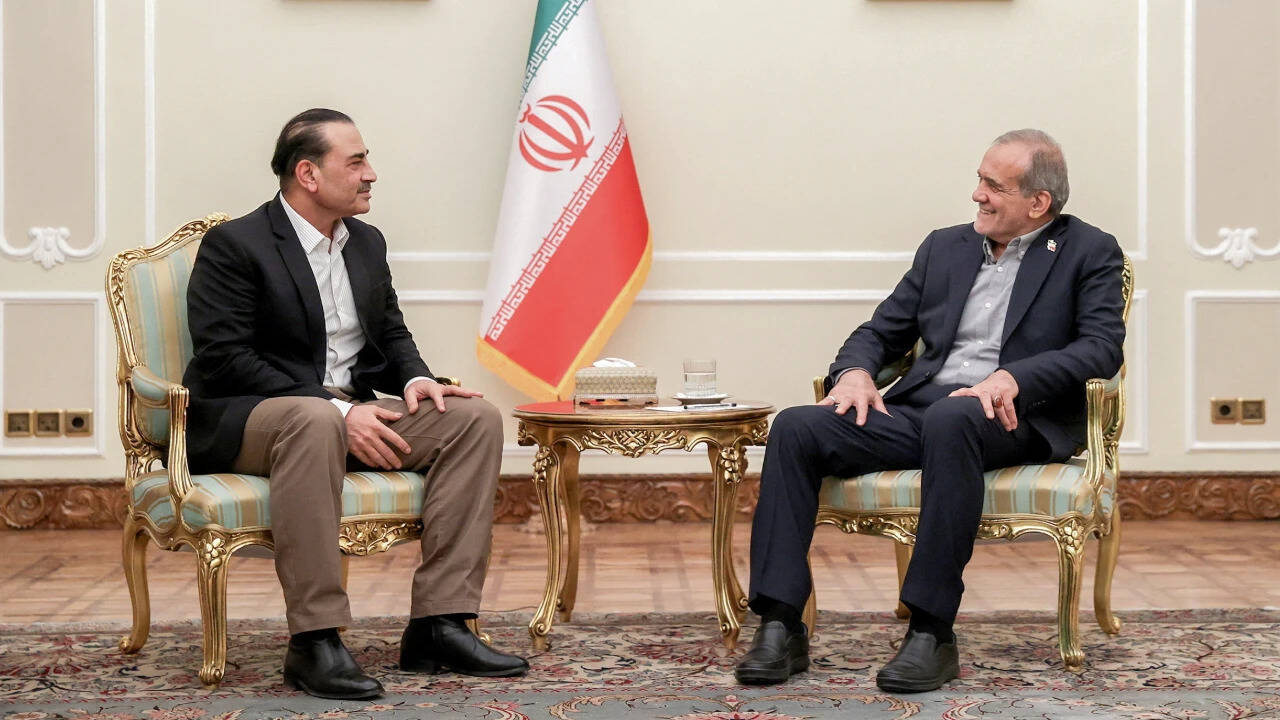
Saudi Arabia directly entered the diplomatic fray for the first time on Monday, sending the king’s younger son, Defence Minister Prince Khalid bin Salman, to Tehran for face-to-face talks with Iran’s top security official Mohsin Razaee and other leaders.
framing: assertive · carried by 1 article(s) · first seen 2026-10-29
2026-10-29 · South China Morning Post
Why US allies in Middle East are accelerating direct talks with Iran · assertive framing

Claims (3 extracted, 0 hedged)

Why US allies in Middle East are accelerating direct talks with Iran Saudi Arabia has directly entered the diplomatic fray for the first time, meeting Iran with Mecca pact partners Pakistan and Turkey 4-MIN READ4-MIN Listen asserted
Arabia → accelerate → Listen
The US’ Muslim-majority Middle Eastern allies have accelerated talks with Tehran over a new regional security framework amid fears of further blowback from the Iran war. asserted
allies → accelerate → war
Saudi Arabia directly entered the diplomatic fray for the first time on Monday, sending the king’s younger son, Defence Minister Prince Khalid bin Salman, to Tehran for face-to-face talks with Iran’s top security official Mohsin Razaee and other leaders. asserted
Arabia → enter → official
Give feedback · no sign-in needed

No sign-in needed for now. Your note is sent without a name, so it cannot be answered.

History Support