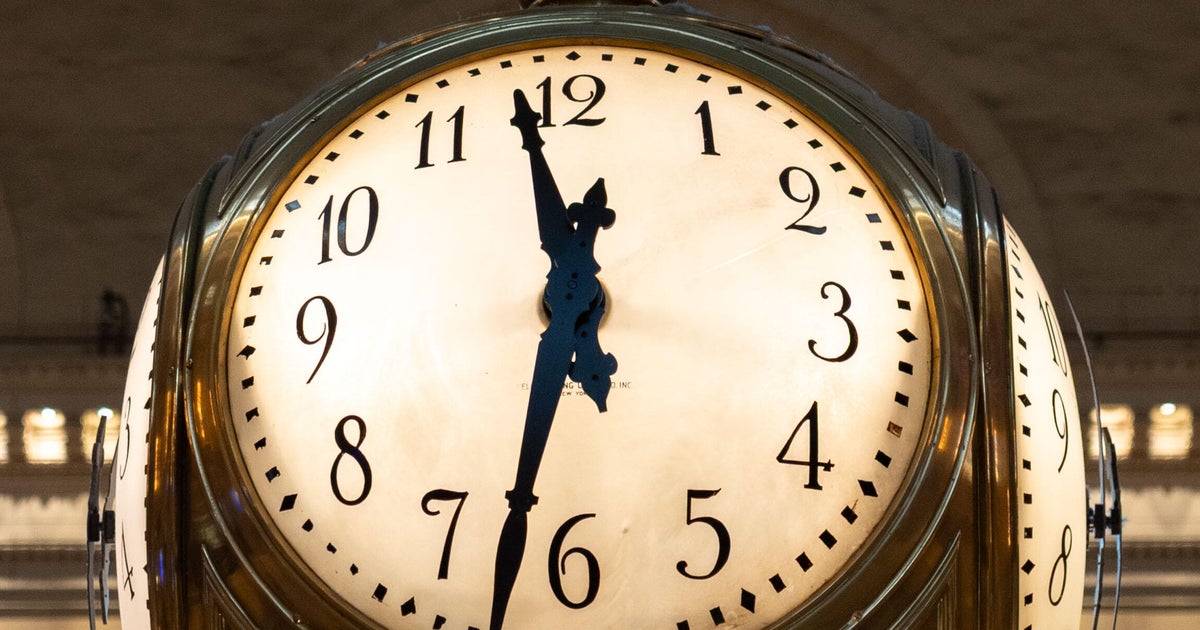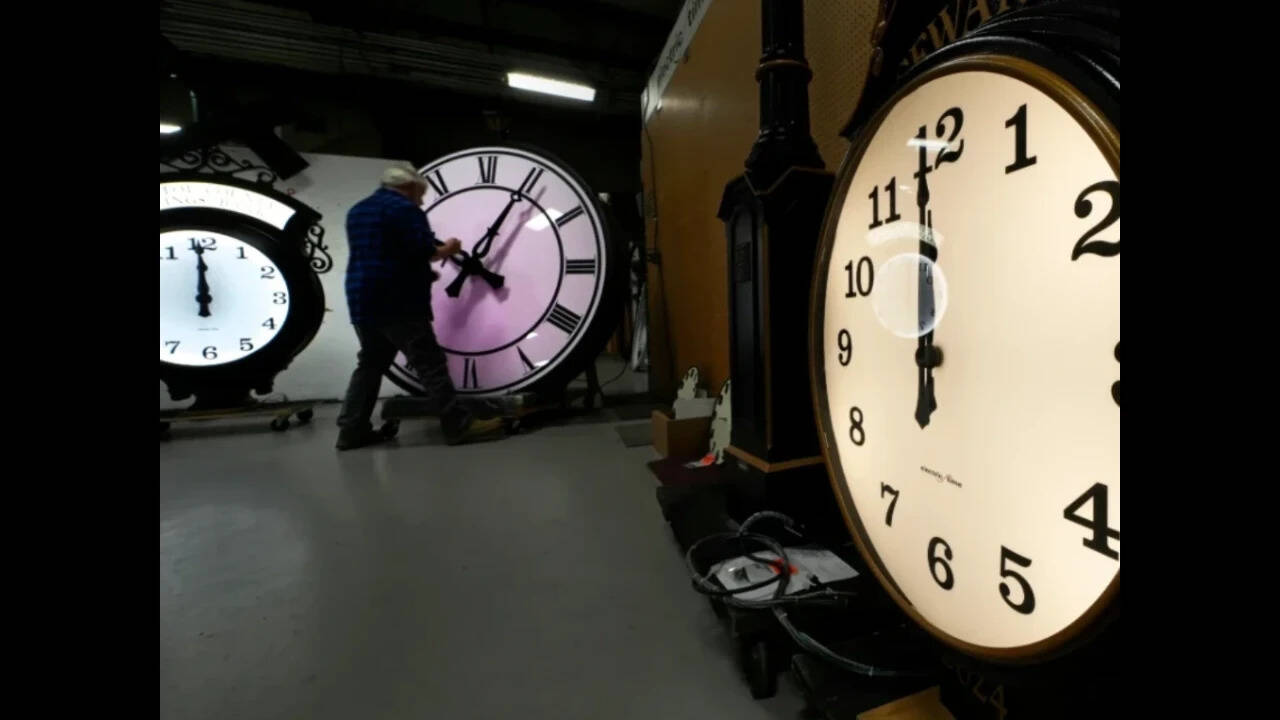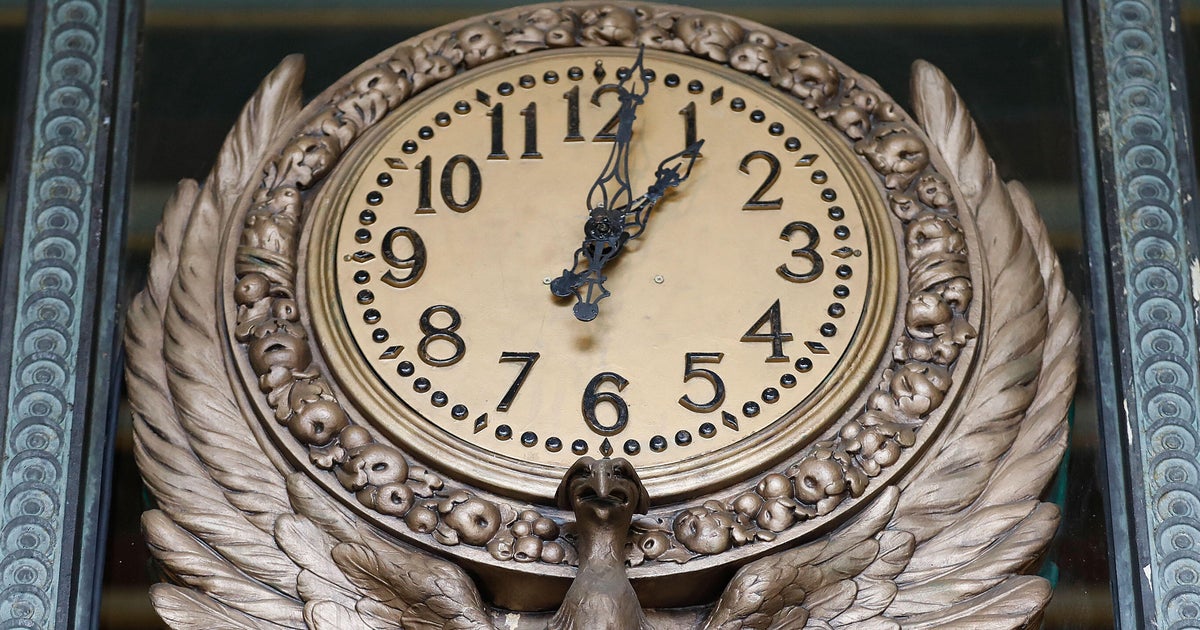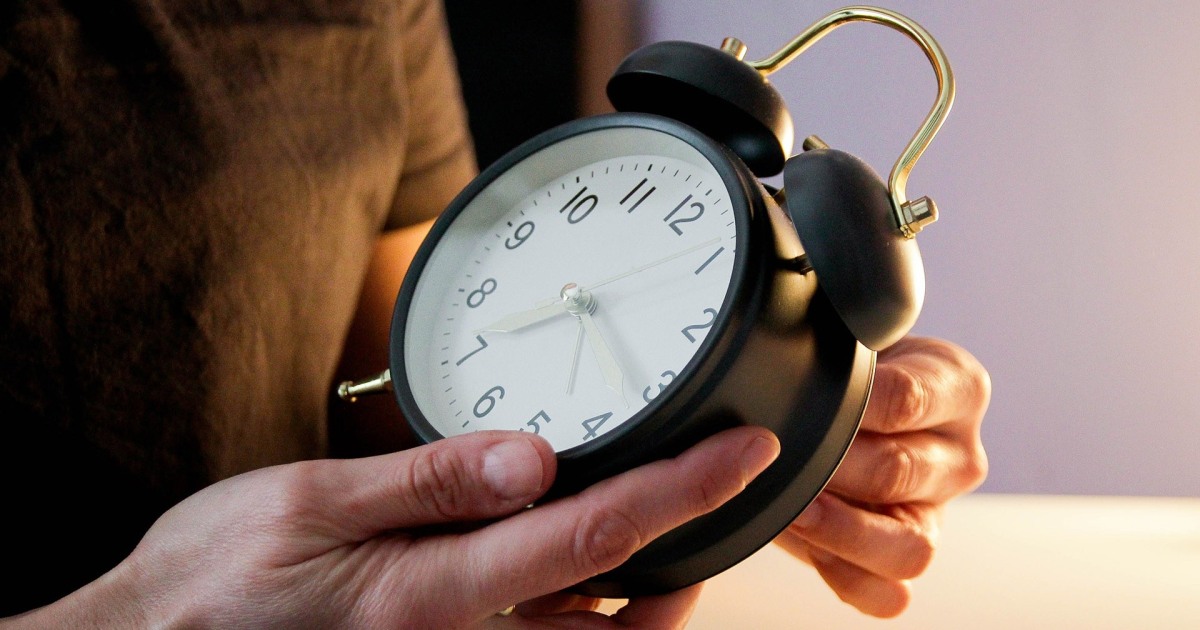
Photo via NBC News

Daylight Saving Time for 2026 Ends on Halloween Weekend

Read the original at NBC News ↗
Cite

Daylight Saving Time for 2026 Ends on Halloween Weekend. (2026, October 30). NBC News. https://www.today.com/video/daylight-saving-time-for-2026-ends-on-halloween-weekend-272527429945

Dated from the outlet's own feed. Check the original for its byline.

NBC News · collected 2026-10-30 · by TODAY

Quick Summary

No summary of this article yet; the story summary below covers the event.
See how they differ ↓

AI analysis

Story summary

Daylight Saving Time (DST) ended in most of the United States on Sunday, November 1, 2026, at 2 a.m., when clocks were set back by one hour. This change provides Americans with an extra hour of sleep but results in darker afternoons during winter months. The shift can disrupt circadian rhythms and affect sleep schedules temporarily.

Some lawmakers have been advocating for permanent Daylight Saving Time, aiming to eliminate the biannual clock changes. However, as of now, DST remains a seasonal adjustment, with debates ongoing about its necessity and impact on public health.

In Canada, Ontario has filed regulations allowing communities west of the 90th meridian to remain on standard time year-round, following similar decisions in other provinces like Manitoba. This move reflects growing interest among some regions to end DST permanently due to its potential negative effects on human circadian rhythms and overall well-being.

Experts recommend exposure to morning sunlight after clock changes to help bodies adjust more quickly to the new schedule.

Written for “Daylight Saving Time Ends” on 2026-11-21, grounded in this article and the 9 other(s) covering the same event.

How they differ

7 outlets covered “Daylight Saving Time Ends”.

What each outlet says

One AI summary per outlet of its latest article on this story, written from that article alone and checked against it. Open the article for the outlet's own words.

NBC NewsThis outlet31 Oct

Daylight saving time ends Sunday, November 7, when clocks will be turned back one hour at 2 a.m., resulting in an extra hour of sleep for many Americans. The practice of changing times twice a year continues despite ongoing debates about its necessity and impacts on health and safety. Standard time will remain until March 14, 2022, when daylight saving time begins again. Notably, Hawaii and most of Arizona do not…

Daylight saving time ends Sunday. Here’s what to know as clocks ‘fall back’ →2 articles from NBC News on this story

Toronto Star28 Oct

Ontario will end daylight saving time on Sunday, November 1, at 2 a.m., when clocks are set back one hour to 1 a.m. This change gives residents an extra hour of sleep but also leads to earlier sunsets. While most devices will adjust automatically, manual changes may be needed for some appliances and watches. Notably, Kenora and other northwestern Ontario regions have opted for permanent daylight saving time to align…

Daylight savings will end on Sunday. Here's what you should know →2 articles from Toronto Star on this story
CBS News1 Nov

Daylight saving time ended this weekend for most of the U.S., with clocks turning back an hour at 2 a.m. on Sunday. This change means that areas observing daylight saving gained an extra hour of morning light as they returned to standard time. The practice, which began during World War I to conserve fuel, has seen various adjustments over the years, including periods of year-round daylight saving and states opting…

Daylight saving time ended today. Here's what to know. →2 articles from CBS News on this story
Time26 Oct

Daylight Saving Time ends this Sunday at 2 a.m., when clocks fall back one hour across most of the United States, leading to earlier sunrises and sunsets. This change affects sleep patterns; while moving to Standard Time is generally easier for most people as it allows an extra hour of sleep, transitioning back to Daylight Saving Time in March requires more adjustment due to losing an hour of sleep. Dr. Andrea…

Daylight Saving Time Ends This Week. Here’s How to Best Prepare Yourself for the Time Change →
Times of India31 Oct

Daylight Saving Time ends on November 1, 2026, at 2 am local time when clocks will be set back by one hour. This change gives Americans an extra hour of sleep but also affects international time differences; for example, New York will move from being 9 hours and 30 minutes behind India to 10 hours and 30 minutes behind. Clocks in Hawaii, most of Arizona (except the Navajo Nation), and certain US territories do not…

Daylight Saving Time ends tonight: When to change your clocks? When do we spring forward in 2027? →
New York Post31 Oct

Daylight saving time ends on Sunday, November 1, when clocks across most of the US will fall back by an hour at 2 a.m., potentially disrupting sleep schedules and circadian rhythms. Dr. Pedram Navab, a Stanford-trained neurologist specializing in sleep medicine, advises maintaining consistent wake times, maximizing daylight exposure, limiting screen time before bed, and gradually adjusting daily routines to help the…

Spring forward, fall back — how to keep your body running smoothly during daylight saving time →
Show 1 more outlets
ABC News (US)1 Nov

Daylight saving time will end on November 1, 2026, at 2:00 a.m., when clocks will be turned back an hour. Most of Arizona and Hawaii do not observe daylight saving time, while other states like Florida are pushing for it to become permanent year-round due to economic benefits. The Sunshine Protection Act of 2025 passed the House with a significant majority but has stalled in the Senate amid debates over its…

Daylight saving time 2026 ending: When to 'fall back' →

Where they agree and split

Framing

How the first headlines put it

Stated as fact2
The headlines (2)

How daylight saving time changes affect you and what you can do about it Toronto Star · stated as fact

Daylight Saving Time Ends This Week. Here’s How to Best Prepare Yourself for the Time Change Time · stated as fact

The full story: what happened, how it changed, and all 10 articles →

Compared with similar articles

This article reads unscored and hedges an unknown share of its claims. Each row says how that neighbour differs.
CBS News
Hedges 3 of 40 claims Outlet record 66/100
Times of India
Hedges 3 of 48 claims Outlet record 59/100
NBC News
Leans left Hedges 10 of 39 claims Outlet record 74/100
ABC News (US)
Hedges 2 of 20 claims Outlet record 66/100
“While both articles discuss the end of Daylight Saving Time for 2026, they do not describe a single specific incident but rather provide information and reminders about an upcoming change in time observance.”
CBS News
Hedges 7 of 26 claims Outlet record 66/100
“The articles refer to different occurrences of daylight saving time changes, one starting and the other ending.”

Story

Daylight Saving Time Ends
Environment · 10 article(s) covering the same event. Compare every outlet's account →
How this article was measured signals, leaning charts, publisher record, byline, topics and claims

Signals How these are calculated →

Claims extracted
0
sentences that state something as happening or true
Uncertain
no claims
nothing to measure
Leaning
not political
takes no side on a contested political question
Publisher signals
74/100
NBC News's corrections and hedging, across everything collected from it. Not a measure of accuracy.
Outlets on this story
10
Environment
Same framing elsewhere
none derived
Analyzed 2026-10-31 · how these are computed

How this is being covered How these are calculated →

Article leaning vs. publisher reliability
Source leaning vs. consistency

Publisher

NBC News · 2732 article(s) · 5 correction(s) detected
Running correction rate · 5 correction(s)

Who wrote this

No reporter is named on this article, beyond the feed's “TODAY”.

Topics

No topics tagged.

Subjects

No subjects extracted.

Narrative

No narrative derived. That requires at least one asserted claim.

Claims (0 extracted, 0 hedged)

No claims extracted from this article.
Give feedback · no sign-in needed

No sign-in needed for now. Your note is sent without a name, so it cannot be answered.

History Support