Photo via NBC News

Daylight saving time ends Sunday. Here’s what to know as clocks ‘fall back’

Read the original at NBC News ↗
Cite

Cohen, R. (2026, October 31). Daylight saving time ends Sunday. Here’s what to know as clocks ‘fall back’. NBC News. https://www.nbcnews.com/news/us-news/daylight-saving-time-ends-2026-when-november-1-what-know-rcna606619

Dated from the outlet's own feed. Check the original for its byline.

NBC News · collected 2026-10-31 · by Rebecca Cohen

Quick Summary

Daylight saving time ends Sunday, November 7, when clocks will be turned back one hour at 2 a.m., resulting in an extra hour of sleep for many Americans. The practice of changing times twice a year continues despite ongoing debates about its necessity and impacts on health and safety. Standard time will remain until March 14, 2022, when daylight saving time begins again. Notably, Hawaii and most of Arizona do not observe daylight saving time.
Written by AI on 2026-10-31, from this article's own text only (the story summary below draws on all the coverage).
See how they differ ↓

AI analysis

Story summary

Daylight Saving Time (DST) ended in most of the United States on Sunday, November 1, 2026, at 2 a.m., when clocks were set back by one hour. This change provides Americans with an extra hour of sleep but results in darker afternoons during winter months. The shift can disrupt circadian rhythms and affect sleep schedules temporarily.

Some lawmakers have been advocating for permanent Daylight Saving Time, aiming to eliminate the biannual clock changes. However, as of now, DST remains a seasonal adjustment, with debates ongoing about its necessity and impact on public health.

In Canada, Ontario has filed regulations allowing communities west of the 90th meridian to remain on standard time year-round, following similar decisions in other provinces like Manitoba. This move reflects growing interest among some regions to end DST permanently due to its potential negative effects on human circadian rhythms and overall well-being.

Experts recommend exposure to morning sunlight after clock changes to help bodies adjust more quickly to the new schedule.

Written for “Daylight Saving Time Ends” on 2026-11-21, grounded in this article and the 9 other(s) covering the same event.

How they differ

7 outlets covered “Daylight Saving Time Ends”.

What each outlet says

One AI summary per outlet of its latest article on this story, written from that article alone and checked against it. Open the article for the outlet's own words.

NBC NewsThis outlet31 Oct

Daylight saving time ends Sunday, November 7, when clocks will be turned back one hour at 2 a.m., resulting in an extra hour of sleep for many Americans. The practice of changing times twice a year continues despite ongoing debates about its necessity and impacts on health and safety. Standard time will remain until March 14, 2022, when daylight saving time begins again. Notably, Hawaii and most of Arizona do not…

Daylight saving time ends Sunday. Here’s what to know as clocks ‘fall back’ (this article)2 articles from NBC News on this story
Toronto Star28 Oct

Ontario will end daylight saving time on Sunday, November 1, at 2 a.m., when clocks are set back one hour to 1 a.m. This change gives residents an extra hour of sleep but also leads to earlier sunsets. While most devices will adjust automatically, manual changes may be needed for some appliances and watches. Notably, Kenora and other northwestern Ontario regions have opted for permanent daylight saving time to align…

Daylight savings will end on Sunday. Here's what you should know →2 articles from Toronto Star on this story
CBS News1 Nov

Daylight saving time ended this weekend for most of the U.S., with clocks turning back an hour at 2 a.m. on Sunday. This change means that areas observing daylight saving gained an extra hour of morning light as they returned to standard time. The practice, which began during World War I to conserve fuel, has seen various adjustments over the years, including periods of year-round daylight saving and states opting…

Daylight saving time ended today. Here's what to know. →2 articles from CBS News on this story
Time26 Oct

Daylight Saving Time ends this Sunday at 2 a.m., when clocks fall back one hour across most of the United States, leading to earlier sunrises and sunsets. This change affects sleep patterns; while moving to Standard Time is generally easier for most people as it allows an extra hour of sleep, transitioning back to Daylight Saving Time in March requires more adjustment due to losing an hour of sleep. Dr. Andrea…

Daylight Saving Time Ends This Week. Here’s How to Best Prepare Yourself for the Time Change →
Times of India31 Oct

Daylight Saving Time ends on November 1, 2026, at 2 am local time when clocks will be set back by one hour. This change gives Americans an extra hour of sleep but also affects international time differences; for example, New York will move from being 9 hours and 30 minutes behind India to 10 hours and 30 minutes behind. Clocks in Hawaii, most of Arizona (except the Navajo Nation), and certain US territories do not…

Daylight Saving Time ends tonight: When to change your clocks? When do we spring forward in 2027? →
New York Post31 Oct

Daylight saving time ends on Sunday, November 1, when clocks across most of the US will fall back by an hour at 2 a.m., potentially disrupting sleep schedules and circadian rhythms. Dr. Pedram Navab, a Stanford-trained neurologist specializing in sleep medicine, advises maintaining consistent wake times, maximizing daylight exposure, limiting screen time before bed, and gradually adjusting daily routines to help the…

Spring forward, fall back — how to keep your body running smoothly during daylight saving time →
Show 1 more outlets
ABC News (US)1 Nov

Daylight saving time will end on November 1, 2026, at 2:00 a.m., when clocks will be turned back an hour. Most of Arizona and Hawaii do not observe daylight saving time, while other states like Florida are pushing for it to become permanent year-round due to economic benefits. The Sunshine Protection Act of 2025 passed the House with a significant majority but has stalled in the Senate amid debates over its…

Daylight saving time 2026 ending: When to 'fall back' →

Where they agree and split

Framing

How the first headlines put it

Stated as fact2
The headlines (2)

How daylight saving time changes affect you and what you can do about it Toronto Star · stated as fact

Daylight Saving Time Ends This Week. Here’s How to Best Prepare Yourself for the Time Change Time · stated as fact

The full story: what happened, how it changed, and all 10 articles →

Compared with similar articles

This article reads leans left and hedges 26% of its claims. Each row says how that neighbour differs.
CBS News
Hedges 3 of 40 claims Outlet record 66/100
Times of India
Hedges 3 of 48 claims Outlet record 59/100
ABC News (US)
Hedges 2 of 20 claims Outlet record 66/100
CBS News
Hedges 4 of 40 claims Outlet record 66/100
Toronto Star
Hedges 6 of 28 claims Outlet record 64/100
CBS News
Hedges 7 of 26 claims Outlet record 66/100
“The articles describe opposite events (springing forward vs. falling back), not the same specific incident.”
NBC News
Outlet record 77/100
Global News
Hedges 4 of 33 claims Outlet record 63/100
“The articles discuss Daylight Saving Time ending in different regions (Canada vs. United States) and do not describe the exact same occurrence.”
Toronto Star
Hedges 1 of 37 claims Outlet record 64/100
“While both articles discuss the upcoming end of daylight saving time on a Sunday, Article A provides tips and general information, while Article B focuses more on the political context and arguments surrounding daylight saving time.”

Story

Daylight Saving Time Ends
Environment · 10 article(s) covering the same event. Compare every outlet's account →
How this article was measured signals, leaning charts, publisher record, byline, topics and claims

Signals How these are calculated →

Claims extracted
39
sentences that state something as happening or true
Uncertain
26%
10 of 39 hedged ("reportedly", "may", "according to")
Leaning
Leans left
of the writing, not the subject · beta estimate
Publisher signals
77/100
NBC News's corrections and hedging, across everything collected from it. Not a measure of accuracy.
Outlets on this story
10
Environment
Same framing elsewhere
1
articles that frame the event the way this one does
Analyzed 2026-10-31 · how these are computed

How this is being covered How these are calculated →

Article leaning vs. publisher reliability
Source leaning vs. consistency

Publisher

NBC News · 2728 article(s) · 5 correction(s) detected
Running correction rate · 5 correction(s)

Who wrote this

Rebecca Cohen
20 article(s) here · 1 carrying a prediction
In the initial suit, investors alleged that the founders told them the “mental fitness” company would include a phone app, advertising deals and celebrity-driven content, including from Gomez.
Lindsay Clancy will be tried for the second time for the killings of her three young children in 2023, a Massachusetts judge said Monday.
According to an indictment filed in the Southern District of New York, Jacob Soall, who went by “Rocky Balboa” and “Seba Clarke,” was arrested in Spain in June; Sharon Hazan, who used the nicknames “Superman Cash,” “Impossible Mission,” “Fat Boy” and “Ron,” was arrested in Spain in August; and Guy Sheetrit was arrested in the United Kingdom in September. All three are accused of participating in a scheme that ran from July 2024 to February 2026 involving the use of artificial intelligence to impersonate the voices and images of corporate executives and attorneys at major law firms to trick employees of several companies into transferring large sums of money to bank accounts controlled by the group, according to a press release from the U.S. attorney’s office. The trio and their co-conspirators would tell these employees — typically in accounting departments — they needed help with a confidential financial transaction and would use AI technology to mimic the company CEO’s voice, according to the press release.
According to Wednesday’s filing, Crichton and Warner Bros. entered into an agreement in 1994 that the studio would not make any new material derivative of “ER” without his — or his estate’s — permission.
His talent and passion touched so many, and his legacy will live on in every single one of us.
2026-11-04 · assertive framing · Celebrity hairstylist John Frieda dies at 75
So, I’m just sort of living in hotels, so I don’t have the normal trick-or-treaters I would like to enjoy tonight,” he said, according to a fan video of the panel.
Rachel Apa died Sunday before she could cross the finish line during her first marathon.
Lindsay Clancy, the Massachusetts woman accused of killing her three children in 2023, will be back in court Monday for a hearing that could determine whether she will face a retrial.
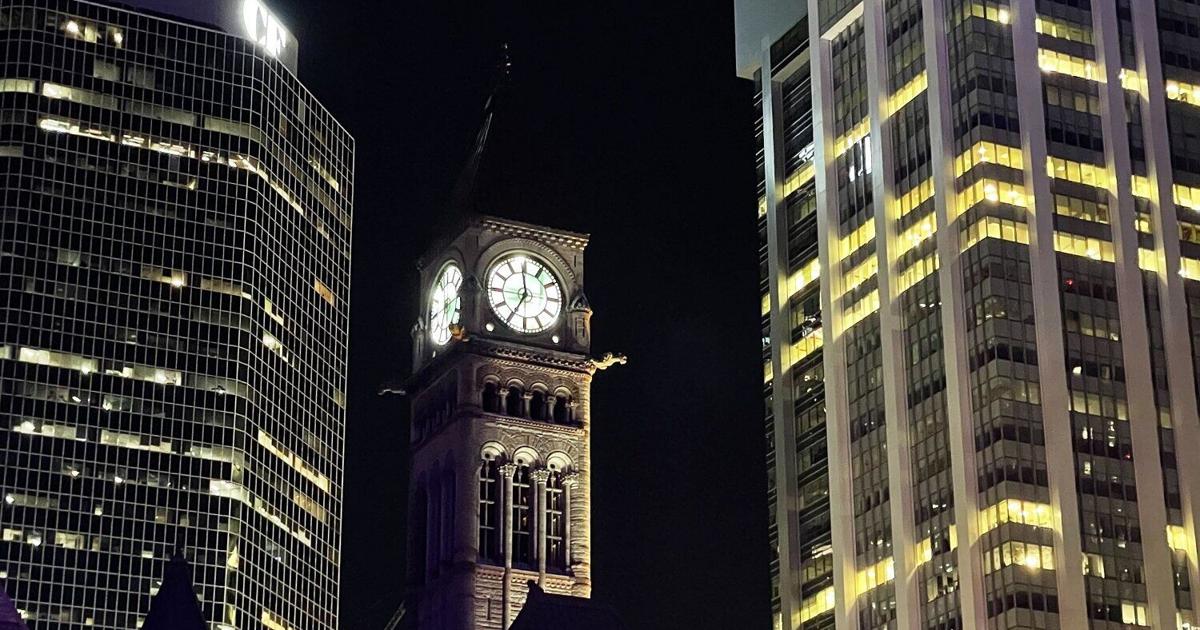
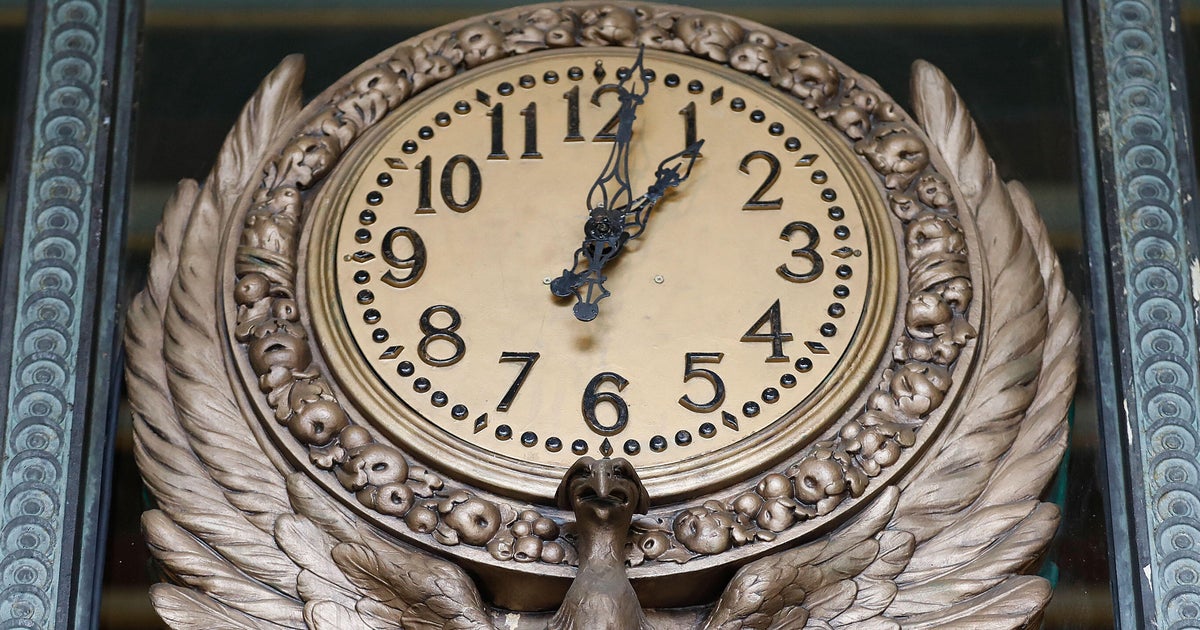
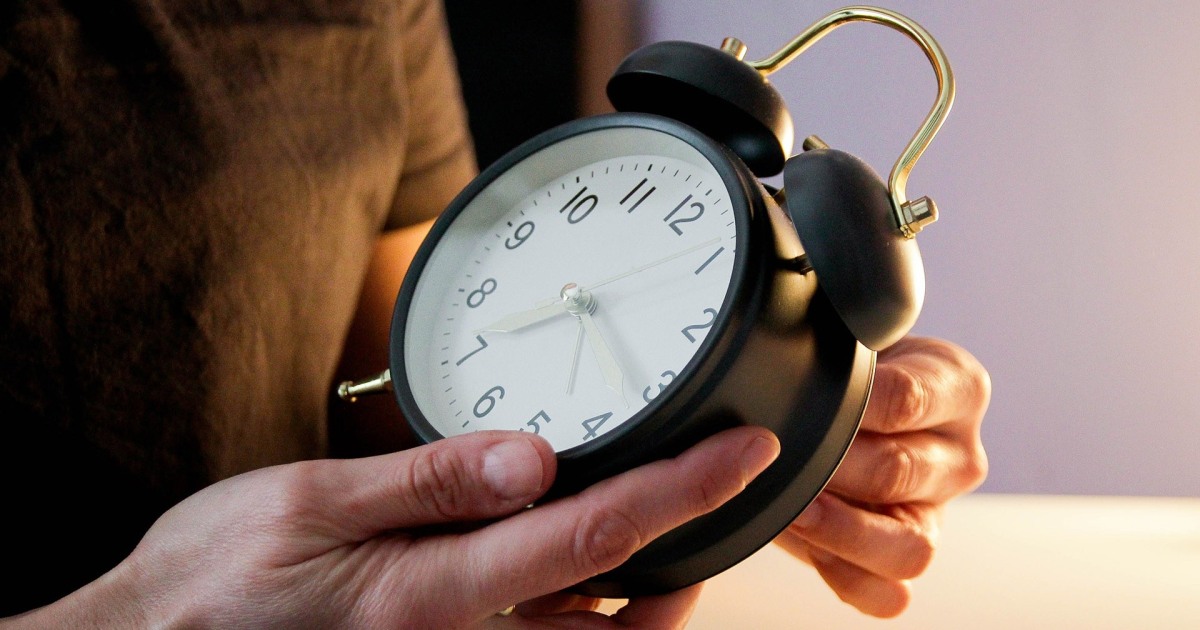
Clocks across much of the United States will fall back once again Sunday as daylight saving time comes to an end.
Other jurors have described a man who was unwilling to negotiate and hostile in the deliberations room.
Also by Rebecca Cohen
Nothing else under this byline is closely related to this article, so these are simply their most recent.
All 20 articles by Rebecca Cohen →

Topics

California Congress the Astronomical Applications Department the Standard Time Act the United States

Subjects

the United States GPE · 4× the Astronomical Applications Department ORG · 3× Congress ORG · 2× Arizona ORG · 1× California GPE · 1× Donald Trump PERSON · 1× Hawaii GPE · 1× Nixon PERSON · 1× Richard Nixon PERSON · 1× U.S. GPE · 1×

Narrative

Unlike in the spring, when we lose an hour and the clocks skip the 2 o’clock hour entirely, we will gain an extra hour Sunday, with clocks jumping from 1:59 a.m. back to 1 a.m. The sun will also start setting earlier across the United States as we head into the late fall and winter.
framing: mixed · carried by 1 article(s) · first seen 2026-10-31
Clocks across much of the United States will fall back once again Sunday as daylight saving time comes to an end.

Claims (39 extracted, 10 hedged)

Clocks across much of the United States will fall back once again Sunday as daylight saving time comes to an end. asserted
time → fall → end
Congress and some states have tried multiple times this decade to get rid of the twice-yearly exercise but to no avail. asserted
Congress → try → avail
President Donald Trump has expressed support for ending the time changes, arguing that permanent daylight saving time would allow for more daylight to parallel daytime habits while shrinking after-hours activity, including crime. asserted
daylight → express → crime
But many health and sleep experts argue against it, citing risks to health and safety. asserted
experts → argue → health
Here is what to know as we prepare to spin our clocks back Sunday — or let our cellphones do it instantly. asserted
cellphones → know → it
When does daylight saving time end? asserted
time → save → ?
Daylight saving time started at 2 a.m. March 8 and ends at 2 a.m. Sunday. asserted
time → start → a.m.
Unlike in the spring, when we lose an hour and the clocks skip the 2 o’clock hour entirely, we will gain an extra hour Sunday, with clocks jumping from 1:59 a.m. back to 1 a.m. The sun will also start setting earlier across the United States as we head into the late fall and winter. asserted
we → lose → fall
The extra hour doesn’t necessarily mean more revelry on Halloween night: While some jurisdictions allow bars to serve last call according to Sunday’s updated time, California rules say bars must stop serving alcohol two hours past midnight, regardless of 1 a.m.’s repeat. uncertain
bars → mean → repeat
How long will standard time last? asserted
time → last → ?
Standard time across the United States will remain, as will earlier sunsets and darker evenings, until spring rolls around and daylight saving time starts once again on March 14. asserted
time → remain → March
Daylight saving time will end next year on Nov. 7. asserted
time → save → Nov.
The standardized start and end dates have been changed throughout the years, but since 2007, daylight saving time has started the second Sunday in March and ended the first Sunday in November, according to the Astronomical Applications Department of the U.S. Naval Observatory. uncertain
time → change → Observatory
Why do we observe daylight saving time? asserted
we → observe → time
The practice, established by the Standard Time Act in 1918, according to the Astronomical Applications Department, is an effort to extend the daylight hours we have in the summertime by pushing off sunset an extra hour. uncertain
we → establish → sunset
Daylight saving time, a contested idea after it was passed, was quickly repealed in 1919, becoming a local matter. asserted
it → save → 1919
It was re-enacted during the early days of World War II and observed from 1942 to 1945, according to the department. uncertain
It → re → department
After the war, the implementation of daylight saving time varied from state to state until the Uniform Time Act was passed in 1966, standardizing the dates of daylight saving time but allowing local exemptions if states or localities didn’t want to participate. asserted
states → save → exemptions
President Richard Nixon briefly moved the nation to year-round daylight saving time in 1974, but the extended morning darkness was widely panned and blamed for incidents of students being struck by vehicles. asserted
students → move → vehicles
Congress subsequently reversed his time changes after Nixon resigned later that year. asserted
Nixon → reverse → changes
Which states don’t observe? asserted
states → observe → ?
Hawaii and most of Arizona don’t observe daylight saving time and therefore don’t change their clocks twice a year, according to the Astronomical Applications Department. uncertain
Hawaii → observe → Department
The U.S. territories of American Samoa, Guam, Puerto Rico, the U.S. Virgin Islands and the Northern Mariana Islands also observe permanent standard time, according to the National Conference of State Legislatures. uncertain
territories → observe → Legislatures
Do other countries do this? asserted
countries → do → this
Most countries observe some version of “summer time,” according to the department, not all of them on the same schedule as the United States. uncertain
all → observe → States
Most of the countries in the Northern Hemisphere that observe daylight saving time are in Europe and North America. asserted
that → observe → Europe
Some Southern Hemisphere countries also observe some version of daylight saving time, but below the equator, the seasons are swapped, so the start and end dates of their “summer time” are reversed from ours. asserted
dates → observe → ours
According to the Pew Research Center, only about a third of all countries observe daylight saving time. uncertain
third → accord → time
About half of all countries observed it at one point but no longer do. asserted
half → observe → point
What recent efforts have been made to end the practice? asserted
efforts → make → practice
Almost all states have considered legislation to stay on standard or daylight saving time, and 19 states have passed bills or resolutions to implement it year-round in the last seven years, according to the National Conference of State Legislatures. uncertain
states → consider → Legislatures
But because federal law doesn’t allow for year-round daylight saving time, the states would have to wait for Congress to pass a bill to make the change. asserted
Congress → allow → change
The Senate passed the Sunshine Protection Act in 2022, which would make daylight saving time permanent year-round, but the bill didn’t advance in the House. asserted
bill → pass → House
A version of the bill introduced in the House in January 2025 stalled in the Senate in summer. asserted
version → introduce → summer
In early October, Trump in a post on Truth Social urged Senate Republicans to “get moving” on the bill, saying the clock changing process “costs our Country a fortune, is bad for Crime, stress on people, Sports, and just about everything else you can imagine.” asserted
you → urge → people
What do health experts say? asserted
experts → say → What
Some studies suggest that observing daylight saving time year-round could reduce the number of traffic accidents and the amount of crime. uncertain
observing → suggest → crime
But many health and sleep researchers aren’t in favor of permanent daylight saving time, namely because of the potential hazards of dark mornings, which would mean more children walking or driving to school in the dark. asserted
children → save → dark
Sleep experts prefer the back-and-forth of the clocks to permanent daylight saving time, and point to the increased risks of health problems when clocks aren’t closely aligned with the sun. asserted
clocks → prefer → sun

Give feedback · no sign-in needed

No sign-in needed for now. Your note is sent without a name, so it cannot be answered.

History Support