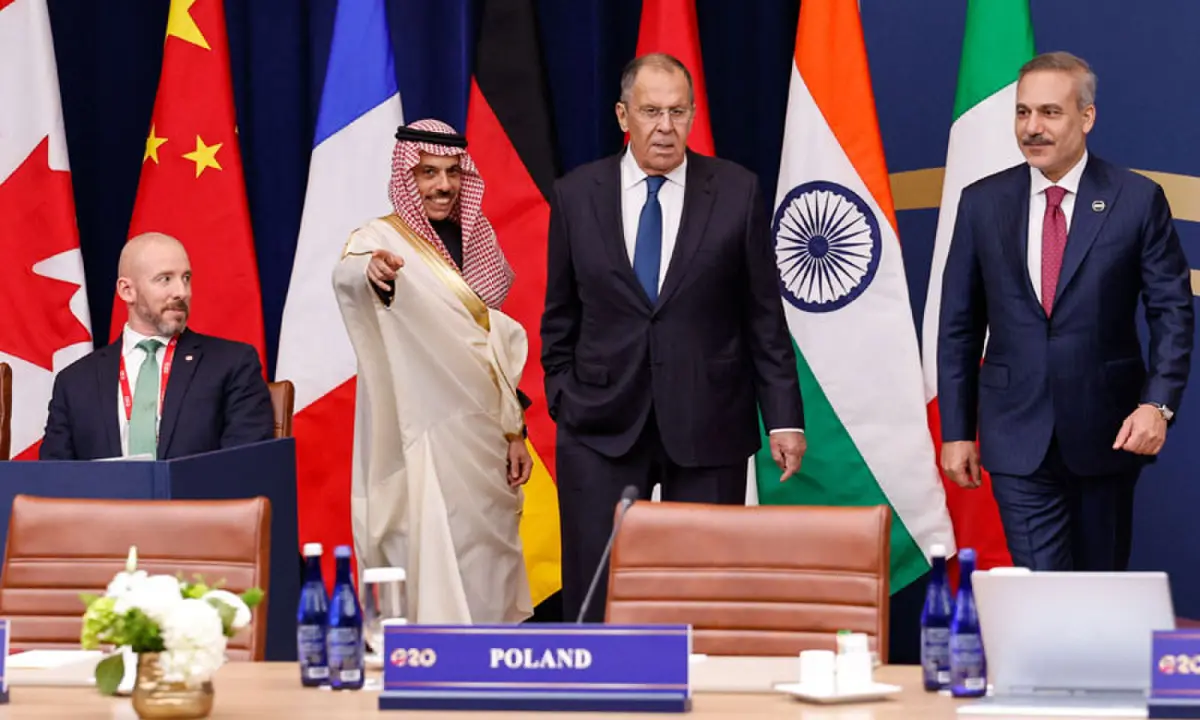
Photo via Toronto Star

United Arab Emirates says military solutions offer no quick off-ramps to crisis with Iran

Read the original at Toronto Star ↗
Cite

Deeb, S. E. (2026, November 1). United Arab Emirates says military solutions offer no quick off-ramps to crisis with Iran. Toronto Star. https://www.thestar.com/news/world/middle-east/united-arab-emirates-says-military-solutions-offer-no-quick-off-ramps-to-crisis-with-iran/article_cb635f9f-61f1-5a2b-b8e5-a5cf6f00a0f0.html

Dated from the outlet's own feed. Check the original for its byline.

Toronto Star · collected 2026-11-01 · by Sarah El Deeb

Quick Summary

At a security forum in Manama, Bahrain, United Arab Emirates presidential adviser Anwar Gargash expressed hope for diplomatic solutions to ease tensions between the U.S. and Iran, noting that military options would only complicate the current situation. The UAE has faced over 3,000 drone and missile attacks from Iran since February, emphasizing the need for diplomacy. Gargash stressed the importance of political tools in resolving the crisis, while acknowledging the wide gap between U.S. and Iranian positions could lead to further escalation if not bridged.
Written by AI on 2026-11-01, from this article's own text only (the story summary below draws on all the coverage).
See how they differ ↓

AI analysis

Story summary

As of November 4, 2026, Persian Gulf leaders fear a new escalation between the United States and Iran would be more destructive than previous conflicts. Egypt's Foreign Minister Badr Abdelatty expressed extreme concern on October 31 during a security forum in Bahrain, where regional diplomats warned that renewed war could cause significant damage. Meanwhile, Qatari mediators are working to broker an agreement; Iranian negotiators have been in Doha for three days of talks aimed at ending the U.S.-Israeli war on Iran. Despite fresh US strikes and threats against shipping through the Strait of Hormuz complicating efforts, Qatar remains hopeful a deal can be reached, with its foreign ministry spokesperson Majed al-Ansari affirming both sides' commitment to diplomacy.

Written for “US and Iran Resume Peace Talks” on 2026-11-21, grounded in this article and the 34 other(s) covering the same event.

How they differ

16 outlets covered “US and Iran Resume Peace Talks”.

What each outlet says

One AI summary per outlet of its latest article on this story, written from that article alone and checked against it. Open the article for the outlet's own words.

Toronto StarThis outlet1 Nov

At a security forum in Manama, Bahrain, United Arab Emirates presidential adviser Anwar Gargash expressed hope for diplomatic solutions to ease tensions between the U.S. and Iran, noting that military options would only complicate the current situation. The UAE has faced over 3,000 drone and missile attacks from Iran since February, emphasizing the need for diplomacy. Gargash stressed the importance of political…

United Arab Emirates says military solutions offer no quick off-ramps to crisis with Iran (this article)2 articles from Toronto Star on this story
Al Jazeera3 Nov

Qatar’s foreign ministry spokesperson Majed al-Ansari expressed optimism about the possibility of the United States and Iran reaching an agreement. He noted that regional neighbors and international partners are collaborating to facilitate this deal, emphasizing both parties' dedication to achieving a diplomatic resolution.

Qatar remains hopeful the US and Iran can reach a deal →8 articles from Al Jazeera on this story
The Straits Times3 Nov

Iran's President Masoud Pezeshkian announced on November 2 that Iran's supreme leader, Ayatollah Khamenei, has granted the government additional authority to pursue peace talks with the US and Israel, amid growing tensions over Iran’s nuclear program and sanctions. This development comes as regional nations intensify diplomatic efforts; Brent crude oil prices dropped nearly 10%, trading below $106 a barrel in London…

Iran’s Khamenei gives government powers to hold talks on war →6 articles from The Straits Times on this story
New York Post2 Nov

Iranian Foreign Minister Abbas Araqchi stated that peace talks between Iran and the US, mediated by Qatar, are currently intense as both sides present their conditions. Despite diplomatic efforts, President Trump has warned of potential military action against Iran if a resolution is not reached quickly, emphasizing his desire to conclude negotiations soon due to upcoming midterm elections.

US and Iran resume ‘very intensive’ peace talks on ending war — as Trump threatens new strikes →3 articles from New York Post on this story
The Hindu2 Nov

On November 2, 2026, Iran announced its readiness to reopen the Strait of Hormuz within two days if the U.S. agrees to certain demands, signaling a potential de-escalation after months of blockade during their ongoing conflict. This offer follows intense diplomatic efforts by regional and international mediators to prevent further military confrontation. U.S. President Donald Trump responded with threats at midterm…

Iran says ready to reopen Hormuz in two days if U.S. agrees to demands →3 articles from The Hindu on this story
Euronews3 Nov

Qatar’s foreign ministry spokesperson Majed Al Ansari expressed hope for an interim agreement between the US and Iran during a briefing in Doha on Tuesday, despite recent US strikes near the Strait of Hormuz. Al Ansari noted that mediators from Qatar exchanged proposals directly with both Washington and Tehran over the past week following talks in Tehran. He emphasized that building trust through ongoing…

Qatar sees 'hope' for US-Iran deal despite fresh US strikes as mediators exchange proposals in real time →2 articles from Euronews on this story
Show 10 more outlets
Dawn3 Nov

President Trump signaled progress in talks with Iran to prevent further escalation, as oil prices dropped by over seven percent due to optimism about potential diplomacy. However, the Wall Street Journal reported that the U.S. had conducted recent secret strikes against Iranian targets, contradicting earlier diplomatic overtures. Meanwhile, Iran offered to reopen the Strait of Hormuz under strict conditions and…

US signals progress in Iran talks to avert flare-up →2 articles from Dawn on this story
South China Morning Post1 Nov

A senior official from the United Arab Emirates expressed hope for diplomatic progress between Iran and the US during indirect talks facilitated by Gulf countries in Qatar. However, Anwar Gargash, a diplomatic adviser to the UAE president, emphasized that the country remains prepared for potential negative outcomes amid threats of renewed conflict in the Middle East.

US-Iran talks: UAE ‘braced for the worst’, hoping for diplomacy →
The Guardian1 Nov

Gulf state officials are preparing for potentially negative outcomes as they await Washington's response to an Iranian proposal to reopen the Strait of Hormuz and restart negotiations regarding Iran’s nuclear program. Qatar is mediating talks in Doha, with discussions focusing on releasing over $6 billion in frozen Iranian assets. Despite recent missile strikes near the strait and continued tensions, both sides are…

Negotiators ‘braced for worst’ over US-Iran talks to reopen strait of Hormuz →
NPR2 Nov

Qatar has been mediating between the United States and Iran over the past 72 hours to prevent potential new attacks following recent developments. The situation in the Gulf region remains tense, with President Trump indicating that while significant damage has been done to Iran’s military capabilities and nuclear program, he is not in immediate rush for further action post-elections. Details of Qatar's mediation…

Gulf region on edge as Qatar leads talks with Iran to stave off new U.S. attacks →
CBS News2 Nov

Mediators led by Qatar have held three days of closed-door talks between the U.S. and Iran to prevent further conflict, but public threats continue from both sides. President Trump warned he has more targets in Iran to "take care of," while Iran's Supreme Leader Khamenei stated there would be no geographical limits on retaliation if war resumes. Israeli Prime Minister Netanyahu reportedly urged Trump to resume…

Push for U.S.-Iran deal punctuated by threats to resume fighting →
The Independent2 Nov

Iran announced on Monday that it has a two-day plan to reopen the Strait of Hormuz for shipping traffic and resume nuclear talks with the United States if its conditions are met. These demands include lifting sanctions and agreeing to a ceasefire involving Lebanon. Meanwhile, the UN migration agency reported over 300,000 people in Yemen have fled due to renewed conflict between Houthi rebels and Saudi-backed…

Iran has a 2-day plan to reopen Strait, resume nuclear talks with US, and other Mideast news →
Semafor2 Nov

Gulf officials at a summit in Bahrain emphasized the importance of diplomacy to resolve regional security issues but expressed concern over their limited influence on key decisions. Despite initial disagreements earlier in the year, there was consensus among Gulf states and diplomats supporting Qatar’s mediation efforts with Iran and opposing further US military action against Iran due to potential destructive…

Gulf states united in call for diplomacy to end war →
Times of India2 Nov

Iranian President Masoud Pezeshkian stated that Iran’s Supreme Leader, Ayatollah Khamenei, has granted his government permission to pursue peace talks with the United States. This comes as Iran plans a two-day process to reopen the Strait of Hormuz for maritime traffic and resume nuclear negotiations with the U.S., though this plan is contingent upon the U.S. meeting specific demands including lifting sanctions on…

Iran's supreme leader gave government 'certain authorities' over peace talks with US: Pezeshkian →
ABC News (AU)2 Nov

Iran's Foreign Minister Abbas Araghchi announced that "intensive" negotiations are underway with the United States to prevent a return to war, despite threats from President Donald Trump. These diplomatic efforts have led to a significant drop of over six percent in global oil prices on Monday due to increased optimism about resolving the conflict. Iran is also considering reopening the strategically important…

Iran says 'intensive' negotiations underway with US to avert war →
Los Angeles Times4 Nov

At a security summit in Bahrain, Persian Gulf leaders expressed deep concern over the possibility of renewed conflict between the U.S. and Iran, warning that such a war could be more devastating than previous tensions. Diplomats from Egypt and the UAE emphasized the potential dangers and destruction another round of fighting would bring to food and energy security. Despite mixed signals from both Washington and…

Persian Gulf leaders fear a renewed U.S.-Iran war as diplomacy sputters →

Where they agree and split

Agreed

Reported by outlets on both sides of the middle

Iranian negotiators were in Doha on Sunday (November 1, 2026) for a third consecutive day of talks with Qatari mediators aimed at pushing for a deal to end the U.S.-Israeli war on Iran, an official briefed on the discussions told Reuters.

5 outlets
Show 3 more

Mr. Trump has repeatedly hinted he is considering resuming attacks on Iran after the midterm elections.

4 outlets

"Any act of aggression against Iran, any military attack against Iran, by whatever means, will be met with a powerful, immediate and comprehensive response from us," Mr. Baqaei said.

4 outlets

Oman's ruler Sultan Haitham bin Tariq discussed the war with Chinese President Xi Jinping during a visit to Beijing on Monday (November 2), an Omani foreign ministry statement said.

4 outlets

Framing

How the first headlines put it

Attributed to a source2
Stated as fact2
The headlines (4)

Egypt fears escalation in Iran war would be more destructive, foreign minister says The Straits Times · attributed to a source

Iran FM says US outreach a ‘positive step’ as delegation in Qatar for talks Al Jazeera · attributed to a source

Mideast leaders call for calm as fears mount of a renewed war in the region, and other Mideast news Toronto Star · stated as fact

US, Iran race to revive Qatar talks as Trump weighs new strikes after midterms New York Post · stated as fact

Words to watch (1)

United Arab Emirates says military solutions offer no quick off-ramps to crisis with Iran Toronto Star

The full story: what happened, how it changed, and all 35 articles →

Compared with similar articles

This article reads unscored and hedges 14% of its claims. Each row says how that neighbour differs.
South China Morning Post
Hedges 0 of 4 claims Outlet record 62/100
Al Jazeera
Hedges 2 of 22 claims Outlet record 60/100
“The articles discuss regional views on U.S.-Iran mediation efforts, but describe statements from different officials in Pakistan and the UAE at distinct times.”
The Straits Times
Leans left Hedges 1 of 21 claims Outlet record 64/100
“The articles describe different events: one focuses on talks between Iranian envoys and Qatari mediators, while the other discusses UAE's stance on diplomatic solutions to avoid military confrontation with Iran.”
Al Jazeera
Hedges 0 of 5 claims Outlet record 60/100
“The articles discuss related diplomatic efforts regarding Iran and the Hormuz Strait but describe different perspectives from Iranian and UAE officials.”
Al Jazeera
Leans left Hedges 7 of 53 claims Outlet record 60/100
“The articles discuss different perspectives on regional security and diplomacy but describe separate events and contexts.”
Al Jazeera
Leans left Hedges 5 of 37 claims Outlet record 60/100
“The articles discuss different perspectives on diplomatic efforts between Iran and the US, but Article B mentions past military actions which suggest it covers an earlier phase of conflict not directly described in Article A.”
NPR
Leans left Hedges 6 of 57 claims Outlet record 60/100
CBS News
Leans left Hedges 5 of 23 claims Outlet record 66/100
“The articles discuss similar contexts but describe different phases of ongoing diplomatic and military tensions between the U.S., Iran, and other regional actors. ARTICLE A focuses on UAE's advisor speaking at a security forum about avoiding another round of confrontation, while ARTICLE B reports on specific threats and negotiations happening in real-time.”
Semafor
Leans left Hedges 0 of 7 claims Outlet record 64/100
Dawn
Hedges 1 of 22 claims Outlet record 66/100
“The articles describe different aspects and timeframes related to regional diplomacy efforts but do not report on the same specific incident.”

Story

US and Iran Resume Peace Talks
Politics · 35 article(s) covering the same event. Compare every outlet's account →
How this article was measured signals, leaning charts, publisher record, byline, topics and claims

Signals How these are calculated →

Claims extracted
37
sentences that state something as happening or true
Uncertain
14%
5 of 37 hedged ("reportedly", "may", "according to")
Leaning
withheld
no quote in the article backed the model's score
Publisher signals
65/100
Toronto Star's corrections and hedging, across everything collected from it. Not a measure of accuracy.
Outlets on this story
35
Politics
Same framing elsewhere
1
articles that frame the event the way this one does
Analyzed 2026-11-01 · how these are computed

How this is being covered How these are calculated →

Article leaning vs. publisher reliability
Source leaning vs. consistency

Publisher

Toronto Star · 16516 article(s) · 32 correction(s) detected
Running correction rate · 32 correction(s)
2026-11-17
Correction
2026-10-26
Correction
2026-10-24
Correction
2026-10-07
Correction
2026-09-24
Correction

Who wrote this

Sarah El Deeb
1 article(s) here · 1 carrying a prediction
Iranian negotiators are in Qatar for talks on a proposal that could reopen the Strait of Hormuz soon, according to Iranian Foreign Minister Abbas Araghchi.
The only article under this byline in the corpus.

Topics

Bahrain Iran Iranian U.S. UAE

Subjects

Iran GPE · 11× Bahrain GPE · 6× Gargash PERSON · 6× U.S. GPE · 5× Iranian NORP · 4× UAE GPE · 4× IISS ORG · 3× MANAMA GPE · 3× Qatar GPE · 2× The United Arab Emirates’ GPE · 1×

Narrative

“We don’t really want to see another round of confrontation in the region,” Gargash told the audience at the Manama Dialogue, an annual security summit in Bahrain organized by the International Institute for Strategic Studies, or IISS, that brings together regional and international state, defense and foreign affairs officials and experts.
framing: assertive · carried by 1 article(s) · first seen 2026-11-01
Iranian negotiators are in Qatar for talks on a proposal that could reopen the Strait of Hormuz soon, according to Iranian Foreign Minister Abbas Araghchi.

Claims (37 extracted, 5 hedged)

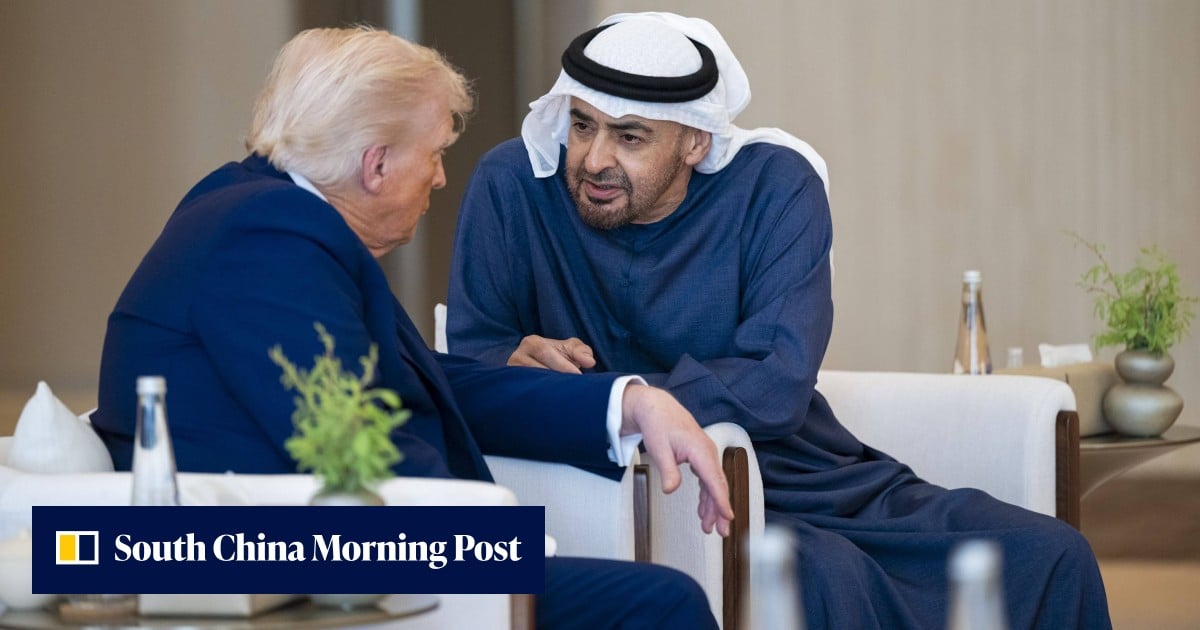
MANAMA, Bahrain (AP) — The United Arab Emirates’ presidential adviser said Sunday that his country hopes a diplomatic breakthrough in Qatar-led mediations is possible to avert a new round of confrontation between the U.S. and Iran. asserted
breakthrough → say → U.S.
The Iran war, which began on Feb. 28 with joint strikes by the U.S. and Israel followed by attacks by Iran on the Gulf nations, has made it “a watershed year” for the region and the world, UAE presidential adviser Anwar Gargash said at a security forum in Bahrain. asserted
Gargash → begin → Bahrain
“We don’t really want to see another round of confrontation in the region,” Gargash told the audience at the Manama Dialogue, an annual security summit in Bahrain organized by the International Institute for Strategic Studies, or IISS, that brings together regional and international state, defense and foreign affairs officials and experts. asserted
that → want → officials
Iranian negotiators are in Qatar for talks on a proposal that could reopen the Strait of Hormuz soon, according to Iranian Foreign Minister Abbas Araghchi. uncertain
that → reopen → Araghchi
He said that no direct talks are being held with the U.S. and that the final outcome depends on answers provided by the United States to the “Iranian questions.” asserted
outcome → say → questions
In an interview shared on his Telegram channel, Araghchi said Iran hoped that the U.S. would choose “diplomacy over other paths.” asserted
U.S. → share → paths
He said Iran was ready for both defense and diplomacy, depending on Washington’s “rationality.” asserted
Iran → say → rationality
Escalation fear casts shadow over forum A possible escalation cast a long shadow over the three-day security forum in Bahrain’s capital, Manama. asserted
escalation → cast → capital
Gargash, the UAE adviser, said that the current crisis requires “a lot of wisdom, with political tools being our main tools, and the understanding that military solutions will only complicate the current very complicated scene that we have and will not actually bring any quick off-ramps.” asserted
we → say → ramps
Gargash, however, acknowledged that “the rules of logic” show that the U.S. and Iranian stances are far apart. asserted
stances → acknowledge → logic
“If these positions are not bridged, then we have to worry about the worst,” Gargash said. asserted
Gargash → bridge → worst
He said it’s not in the interest of the region or Iran to withstand another round of war. asserted
it → say → war
It was a sentiment echoed by other Gulf and Arab officials at the forum. asserted
It → echo → forum
Egypt’s Foreign Minister Badr Abdelatty, a day earlier, told the gathering: “The second round (of escalation) will be more dangerous, more destructive, and it will lead to nowhere.” But Gargash added that his country and the region are braced for the possibility of escalation. asserted
country → tell → escalation
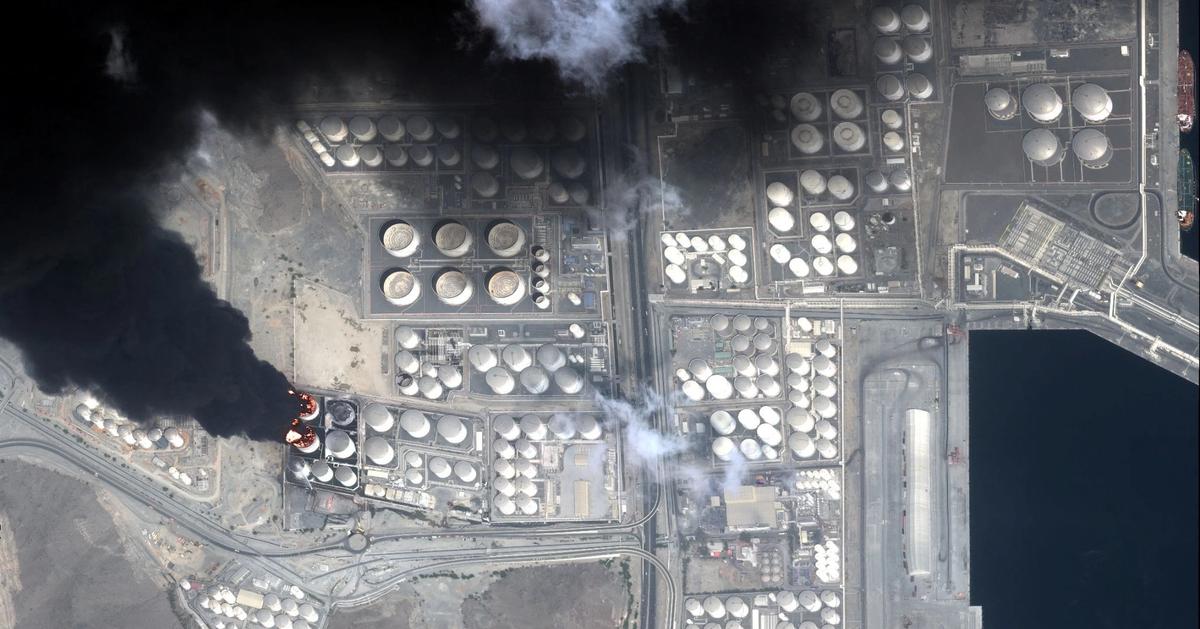
Before a ceasefire was reached in April, the UAE faced the largest number of airborne attacks from Iran, with more than 3,000 drone and ballistic missile attacks targeting airports, military and oil facilities, according to IISS. uncertain
attacks → reach → IISS
Most of those attacks were intercepted. asserted
Most → intercept → attacks
Since then, Gulf nations have spent billions of dollars to boost their defense capabilities. asserted
nations → spend → capabilities
Gargash said that the war has solidified U.S.-UAE relations, making them “even more important” and at the heart of the UAE’s ability to defend itself. asserted
them → say → itself
Bahrain welcomes efforts to reduce tensions asserted
Bahrain → welcome → tensions
At the conference, Bahraini Foreign Affairs Minister Abdullatif bin Rashid Al Zayani said that his country also welcomes “every effort to reduce tensions, prevent escalation and create opportunities for dialogue.” asserted
country → say → dialogue
Al Zayani said that Iran has shown what he called a pattern of attacks or threat of attacks threatening the region’s and the world’s stability and prosperity by targeting sea, air and data facilities. asserted
he → say → facilities
He said Iran has continued to do so even after a ceasefire was reached and as recently as last month, threatening underwater data cables. asserted
ceasefire → say → cables
He described the attacks by Iran-backed Houthi rebels on neighboring Saudi Arabia as part of the pattern. asserted
He → describe → pattern
“These attacks are part of one continued pattern,” he said. asserted
he → continue → pattern
“The hands may change, the approach doesn’t. uncertain
approach → change → ?
Iran fired 500 drones and nearly 200 ballistic missiles toward Bahrain, home to the U.S. Navy’s 5th Fleet, at the height of the war, according to IISS. uncertain
Iran → fire → IISS
The attacks hit the naval base, residential buildings, the financial district and a water desalination plant. asserted
attacks → hit → base
This summer, Houthi rebels have escalated their attacks on Saudi oil infrastructure and airports, saying they were a response to Saudi airstrikes on Sanaa airport. asserted
they → escalate → airport
The Houthis have hit critical oil pipelines and disrupted air traffic in the kingdom. asserted
Houthis → hit → kingdom
Another issue that prevailed over the forum was the lack of a coordinated defense response among the six-member Gulf Cooperation Council, which includes Saudi Arabia, the UAE, Kuwait, Bahrain, Qatar and Oman. asserted
which → prevail → Arabia
At the height of the war with Iran, the response from the Gulf countries that bore the brunt of Iranian strikes was at the national level, each working with U.S. command and control centers in the region. asserted
each → bear → region
That, according to IISS, at times hindered their overall defensive effort. uncertain
That → accord → effort
Gargash offered a rare candid criticism. asserted
Gargash → offer → criticism
“I have to come and say that we have not collectively risen to the challenge. asserted
we → have → challenge
Nationally, we have. asserted
we → have → ?
Each State independently has, or sometimes in terms of bilateral cooperation,” Gargash said. asserted
Gargash → have → cooperation
“In one of our most critical crises, we collectively have not risen to the challenge.” asserted
we → rise → challenge
Give feedback · no sign-in needed

No sign-in needed for now. Your note is sent without a name, so it cannot be answered.

History Support