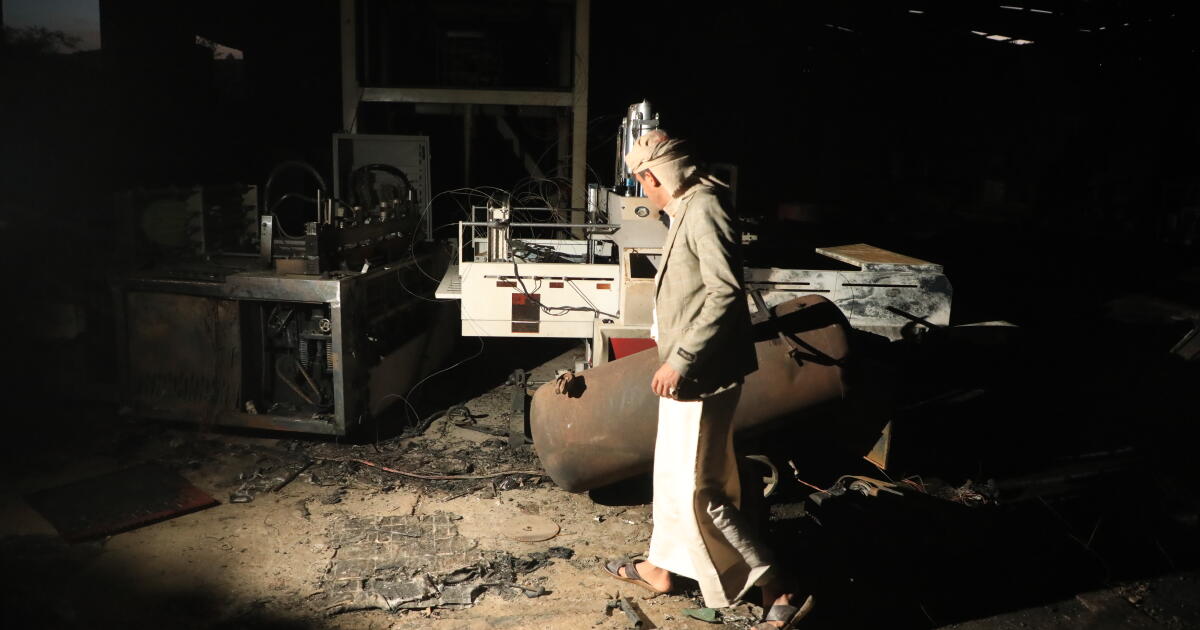
Photo via Los Angeles Times

Persian Gulf leaders fear a renewed U.S.-Iran war as diplomacy sputters

Read the original at Los Angeles Times ↗
Cite

Bulos, N. (2026, November 4). Persian Gulf leaders fear a renewed U.S.-Iran war as diplomacy sputters. Los Angeles Times. https://www.latimes.com/world-nation/story/2026-11-04/persian-gulf-leaders-fear-renewed-u-s-iran-war-as-diplomacy-sputters

Dated from the outlet's own feed. Check the original for its byline.

Los Angeles Times · collected 2026-11-04 · by Nabih Bulos

Quick Summary

At a security summit in Bahrain, Persian Gulf leaders expressed deep concern over the possibility of renewed conflict between the U.S. and Iran, warning that such a war could be more devastating than previous tensions. Diplomats from Egypt and the UAE emphasized the potential dangers and destruction another round of fighting would bring to food and energy security. Despite mixed signals from both Washington and Tehran regarding diplomatic resolutions, there remains apprehension over escalating military actions as midterm elections approach in the U.S.
Written by AI on 2026-11-04, from this article's own text only (the story summary below draws on all the coverage).
See how they differ ↓

AI analysis

Story summary

As of November 4, 2026, Persian Gulf leaders fear a new escalation between the United States and Iran would be more destructive than previous conflicts. Egypt's Foreign Minister Badr Abdelatty expressed extreme concern on October 31 during a security forum in Bahrain, where regional diplomats warned that renewed war could cause significant damage. Meanwhile, Qatari mediators are working to broker an agreement; Iranian negotiators have been in Doha for three days of talks aimed at ending the U.S.-Israeli war on Iran. Despite fresh US strikes and threats against shipping through the Strait of Hormuz complicating efforts, Qatar remains hopeful a deal can be reached, with its foreign ministry spokesperson Majed al-Ansari affirming both sides' commitment to diplomacy.

Written for “US and Iran Resume Peace Talks” on 2026-11-21, grounded in this article and the 34 other(s) covering the same event.

How they differ

16 outlets covered “US and Iran Resume Peace Talks”.

What each outlet says

One AI summary per outlet of its latest article on this story, written from that article alone and checked against it. Open the article for the outlet's own words.

Los Angeles TimesThis outlet4 Nov

At a security summit in Bahrain, Persian Gulf leaders expressed deep concern over the possibility of renewed conflict between the U.S. and Iran, warning that such a war could be more devastating than previous tensions. Diplomats from Egypt and the UAE emphasized the potential dangers and destruction another round of fighting would bring to food and energy security. Despite mixed signals from both Washington and…

Persian Gulf leaders fear a renewed U.S.-Iran war as diplomacy sputters (this article)
Al Jazeera3 Nov

Qatar’s foreign ministry spokesperson Majed al-Ansari expressed optimism about the possibility of the United States and Iran reaching an agreement. He noted that regional neighbors and international partners are collaborating to facilitate this deal, emphasizing both parties' dedication to achieving a diplomatic resolution.

Qatar remains hopeful the US and Iran can reach a deal →8 articles from Al Jazeera on this story
The Straits Times3 Nov

Iran's President Masoud Pezeshkian announced on November 2 that Iran's supreme leader, Ayatollah Khamenei, has granted the government additional authority to pursue peace talks with the US and Israel, amid growing tensions over Iran’s nuclear program and sanctions. This development comes as regional nations intensify diplomatic efforts; Brent crude oil prices dropped nearly 10%, trading below $106 a barrel in London…

Iran’s Khamenei gives government powers to hold talks on war →6 articles from The Straits Times on this story
New York Post2 Nov

Iranian Foreign Minister Abbas Araqchi stated that peace talks between Iran and the US, mediated by Qatar, are currently intense as both sides present their conditions. Despite diplomatic efforts, President Trump has warned of potential military action against Iran if a resolution is not reached quickly, emphasizing his desire to conclude negotiations soon due to upcoming midterm elections.

US and Iran resume ‘very intensive’ peace talks on ending war — as Trump threatens new strikes →3 articles from New York Post on this story
The Hindu2 Nov

On November 2, 2026, Iran announced its readiness to reopen the Strait of Hormuz within two days if the U.S. agrees to certain demands, signaling a potential de-escalation after months of blockade during their ongoing conflict. This offer follows intense diplomatic efforts by regional and international mediators to prevent further military confrontation. U.S. President Donald Trump responded with threats at midterm…

Iran says ready to reopen Hormuz in two days if U.S. agrees to demands →3 articles from The Hindu on this story
Toronto Star1 Nov

At a security forum in Manama, Bahrain, United Arab Emirates presidential adviser Anwar Gargash expressed hope for diplomatic solutions to ease tensions between the U.S. and Iran, noting that military options would only complicate the current situation. The UAE has faced over 3,000 drone and missile attacks from Iran since February, emphasizing the need for diplomacy. Gargash stressed the importance of political…

United Arab Emirates says military solutions offer no quick off-ramps to crisis with Iran →2 articles from Toronto Star on this story
Show 10 more outlets
Euronews3 Nov

Qatar’s foreign ministry spokesperson Majed Al Ansari expressed hope for an interim agreement between the US and Iran during a briefing in Doha on Tuesday, despite recent US strikes near the Strait of Hormuz. Al Ansari noted that mediators from Qatar exchanged proposals directly with both Washington and Tehran over the past week following talks in Tehran. He emphasized that building trust through ongoing…

Qatar sees 'hope' for US-Iran deal despite fresh US strikes as mediators exchange proposals in real time →2 articles from Euronews on this story
Dawn3 Nov

President Trump signaled progress in talks with Iran to prevent further escalation, as oil prices dropped by over seven percent due to optimism about potential diplomacy. However, the Wall Street Journal reported that the U.S. had conducted recent secret strikes against Iranian targets, contradicting earlier diplomatic overtures. Meanwhile, Iran offered to reopen the Strait of Hormuz under strict conditions and…

US signals progress in Iran talks to avert flare-up →2 articles from Dawn on this story
South China Morning Post1 Nov

A senior official from the United Arab Emirates expressed hope for diplomatic progress between Iran and the US during indirect talks facilitated by Gulf countries in Qatar. However, Anwar Gargash, a diplomatic adviser to the UAE president, emphasized that the country remains prepared for potential negative outcomes amid threats of renewed conflict in the Middle East.

US-Iran talks: UAE ‘braced for the worst’, hoping for diplomacy →
The Guardian1 Nov

Gulf state officials are preparing for potentially negative outcomes as they await Washington's response to an Iranian proposal to reopen the Strait of Hormuz and restart negotiations regarding Iran’s nuclear program. Qatar is mediating talks in Doha, with discussions focusing on releasing over $6 billion in frozen Iranian assets. Despite recent missile strikes near the strait and continued tensions, both sides are…

Negotiators ‘braced for worst’ over US-Iran talks to reopen strait of Hormuz →
NPR2 Nov

Qatar has been mediating between the United States and Iran over the past 72 hours to prevent potential new attacks following recent developments. The situation in the Gulf region remains tense, with President Trump indicating that while significant damage has been done to Iran’s military capabilities and nuclear program, he is not in immediate rush for further action post-elections. Details of Qatar's mediation…

Gulf region on edge as Qatar leads talks with Iran to stave off new U.S. attacks →
CBS News2 Nov

Mediators led by Qatar have held three days of closed-door talks between the U.S. and Iran to prevent further conflict, but public threats continue from both sides. President Trump warned he has more targets in Iran to "take care of," while Iran's Supreme Leader Khamenei stated there would be no geographical limits on retaliation if war resumes. Israeli Prime Minister Netanyahu reportedly urged Trump to resume…

Push for U.S.-Iran deal punctuated by threats to resume fighting →
The Independent2 Nov

Iran announced on Monday that it has a two-day plan to reopen the Strait of Hormuz for shipping traffic and resume nuclear talks with the United States if its conditions are met. These demands include lifting sanctions and agreeing to a ceasefire involving Lebanon. Meanwhile, the UN migration agency reported over 300,000 people in Yemen have fled due to renewed conflict between Houthi rebels and Saudi-backed…

Iran has a 2-day plan to reopen Strait, resume nuclear talks with US, and other Mideast news →
Semafor2 Nov

Gulf officials at a summit in Bahrain emphasized the importance of diplomacy to resolve regional security issues but expressed concern over their limited influence on key decisions. Despite initial disagreements earlier in the year, there was consensus among Gulf states and diplomats supporting Qatar’s mediation efforts with Iran and opposing further US military action against Iran due to potential destructive…

Gulf states united in call for diplomacy to end war →
Times of India2 Nov

Iranian President Masoud Pezeshkian stated that Iran’s Supreme Leader, Ayatollah Khamenei, has granted his government permission to pursue peace talks with the United States. This comes as Iran plans a two-day process to reopen the Strait of Hormuz for maritime traffic and resume nuclear negotiations with the U.S., though this plan is contingent upon the U.S. meeting specific demands including lifting sanctions on…

Iran's supreme leader gave government 'certain authorities' over peace talks with US: Pezeshkian →
ABC News (AU)2 Nov

Iran's Foreign Minister Abbas Araghchi announced that "intensive" negotiations are underway with the United States to prevent a return to war, despite threats from President Donald Trump. These diplomatic efforts have led to a significant drop of over six percent in global oil prices on Monday due to increased optimism about resolving the conflict. Iran is also considering reopening the strategically important…

Iran says 'intensive' negotiations underway with US to avert war →

Where they agree and split

Agreed

Reported by outlets on both sides of the middle

Iranian negotiators were in Doha on Sunday (November 1, 2026) for a third consecutive day of talks with Qatari mediators aimed at pushing for a deal to end the U.S.-Israeli war on Iran, an official briefed on the discussions told Reuters.

5 outlets
Show 3 more

Mr. Trump has repeatedly hinted he is considering resuming attacks on Iran after the midterm elections.

4 outlets

"Any act of aggression against Iran, any military attack against Iran, by whatever means, will be met with a powerful, immediate and comprehensive response from us," Mr. Baqaei said.

4 outlets

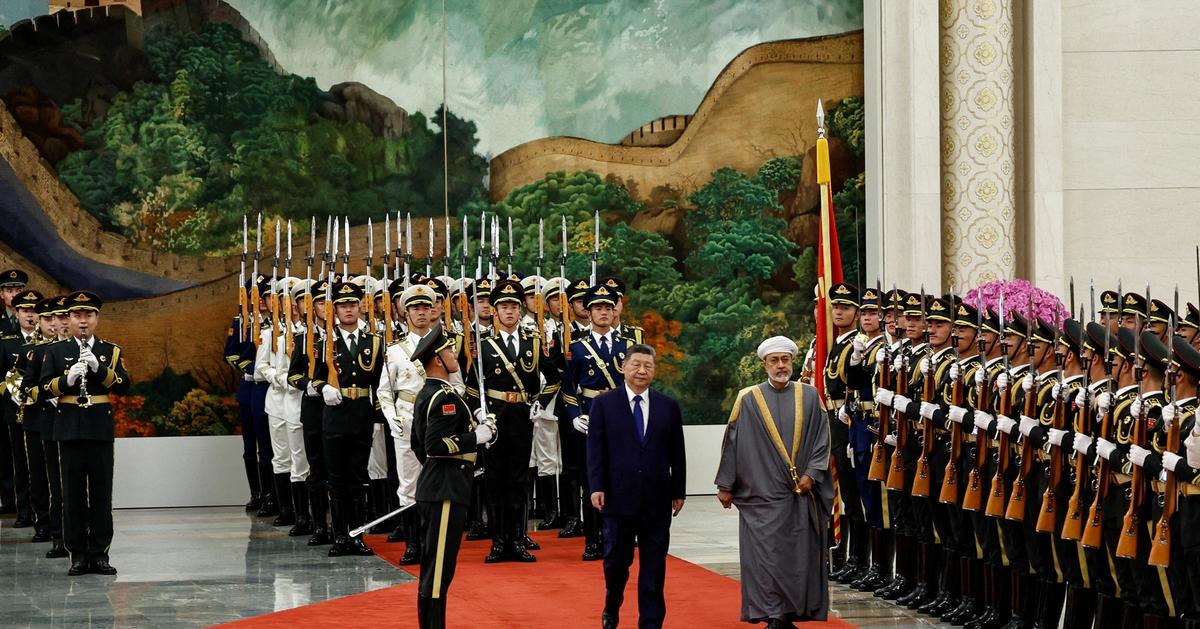
Oman's ruler Sultan Haitham bin Tariq discussed the war with Chinese President Xi Jinping during a visit to Beijing on Monday (November 2), an Omani foreign ministry statement said.

4 outlets

Framing

How the first headlines put it

Attributed to a source2
Stated as fact2
The headlines (4)

Egypt fears escalation in Iran war would be more destructive, foreign minister says The Straits Times · attributed to a source

Iran FM says US outreach a ‘positive step’ as delegation in Qatar for talks Al Jazeera · attributed to a source

Mideast leaders call for calm as fears mount of a renewed war in the region, and other Mideast news Toronto Star · stated as fact

US, Iran race to revive Qatar talks as Trump weighs new strikes after midterms New York Post · stated as fact

Words to watch (1)

United Arab Emirates says military solutions offer no quick off-ramps to crisis with Iran Toronto Star

The full story: what happened, how it changed, and all 35 articles →

Compared with similar articles

This article reads unscored and hedges 16% of its claims. Each row says how that neighbour differs.
The Straits Times
Hedges 0 of 8 claims Outlet record 64/100
Toronto Star
Hedges 0 of 3 claims Outlet record 64/100
Semafor
Leans left Hedges 0 of 7 claims Outlet record 64/100
Al Jazeera
Hedges 4 of 23 claims Outlet record 60/100
“The articles discuss different aspects of U.S.-Iran relations and diplomatic tensions but do not describe the same specific incident or occurrence.”
Gulf and 'Blue Wave' Different event
Semafor
Leans left Hedges 4 of 13 claims Outlet record 64/100
“The articles discuss different aspects: one focuses on a Persian Gulf security summit about U.S.-Iran tensions, while the other discusses the impact of U.S. midterm elections on foreign policy in the Middle East.”
Semafor
Hedges 1 of 6 claims Outlet record 64/100
“The articles describe different diplomatic efforts by U.S.-Iran and China in the Persian Gulf, not a single specific incident.”
Al Jazeera
Hedges 2 of 29 claims Outlet record 60/100
“The articles describe different perspectives on U.S.-Iran relations but cover distinct events: a security summit in Bahrain about the potential for war and Iranian officials' reactions to U.S. midterm election results.”
Al Jazeera
Hedges 10 of 65 claims Outlet record 60/100
“The articles discuss different aspects of U.S.-Iran relations but do not describe the same specific incident or occurrence.”
Al Jazeera
Hedges 2 of 19 claims Outlet record 60/100
“The articles discuss related geopolitical tensions but describe different meetings and statements: one at a Persian Gulf security summit in Bahrain, and another involving Iraq's Prime Minister speaking to US President Trump over the phone.”
South China Morning Post
Leans left Hedges 0 of 2 claims Outlet record 62/100
“The articles discuss different aspects related to tensions between Iran and Bahrain but describe distinct events occurring at different times.”

Story

US and Iran Resume Peace Talks
Politics · 35 article(s) covering the same event. Compare every outlet's account →
How this article was measured signals, leaning charts, publisher record, byline, topics and claims

Signals How these are calculated →

Claims extracted
51
sentences that state something as happening or true
Uncertain
16%
8 of 51 hedged ("reportedly", "may", "according to")
Leaning
withheld
no quote in the article backed the model's score
Publisher signals
95/100
Los Angeles Times's corrections and hedging, across everything collected from it. Not a measure of accuracy.
Outlets on this story
35
Politics
Same framing elsewhere
1
articles that frame the event the way this one does
Analyzed 2026-11-04 · how these are computed

How this is being covered How these are calculated →

Article leaning vs. publisher reliability
Source leaning vs. consistency

Publisher

Los Angeles Times · 341 article(s) · 0 correction(s) detected
No corrections detected for this publisher. That may mean careful reporting, or simply that nothing has been checked.

Who wrote this

Nabih Bulos
12 article(s) here · 1 carrying a prediction
The Strava leaks could also be used to determine base layouts to a high degree of accuracy.
In last month’s election, Eisenkot’s opposition bloc, which includes several parties, gained 48 seats, and picked up 19 more after Arab-led parties said they will support him, for a total of 67.
- - At a Persian Gulf security summit in Bahrain, diplomats warned that a renewed U.S.-Iran war could be more destructive.
The lineup was announced months ago, with top-flight stars in tennis, DJing, comedy and more set to descend on the Saudi capital for a 10-week run of events known as Riyadh Season.
The operation would continue, he said, “until the country is liberated from the control of terrorist militias.”
For decades, the relationship between Saudi Arabia and the U.S. has centered on an often-mentioned but rarely tested supposition: If the kingdom were attacked, America would come to its rescue.
Central Command said the anti-ISIS mission would continue, with the coalition now headquartered in Jordan.
“You hear so much about Bab el-Mandeb, you’d think we would be like New York, with skyscrapers and money,” said Saleh, a 58-year-old resident who, like all people interviewed here, refused to give their full name to avoid reprisals.
BEIRUT — It had been one year, eight months and 27 days since Atallah al-Drimly said goodbye to his son that Saturday morning in 2024, when Mahmoud insisted he could no longer stay away from the home he had fled and started walking north toward Gaza City.
They entered the depots and stole everything they could,” said Umaima Abdul-Rahman Al-Sanusi, one of the museum’s curators, as her eyes scanned a shattered display case.
Also by Nabih Bulos
Nothing else under this byline is closely related to this article, so these are simply their most recent.
All 12 articles by Nabih Bulos →

Topics

Bahrain Iran Iranian U.S.-Iran Washington

Subjects

Iran GPE · 7× Iranian NORP · 5× Tehran GPE · 4× Trump PERSON · 4× Washington GPE · 4× U.S. GPE · 3× U.S.-Iran GPE · 3× Bahrain GPE · 2× Egypt GPE · 1× Persian NORP · 1×

Narrative

Iranian Foreign Minister Abbas Araghchi on Monday told the state-run Islamic Republic News Agency that it was now up to the Americans to decide “whether they have the will to take the wise path of diplomacy or, as in the past, seek to drag the situation into aggression and military operations.”
framing: assertive · carried by 1 article(s) · first seen 2026-11-04
- - At a Persian Gulf security summit in Bahrain, diplomats warned that a renewed U.S.-Iran war could be more destructive.
2026-11-04 · Los Angeles Times
Persian Gulf leaders fear a renewed U.S.-Iran war as diplomacy sputters · assertive framing

Claims (51 extracted, 8 hedged)

Persian Gulf leaders fear a renewed U.S.-Iran war as diplomacy sputters asserted
diplomacy → fear → war
- - At a Persian Gulf security summit in Bahrain, diplomats warned that a renewed U.S.-Iran war could be more destructive. uncertain
war → warn → Bahrain
Washington and Tehran have both signaled interest in a settlement but also continue to threaten each other. - asserted
Washington → signal → other
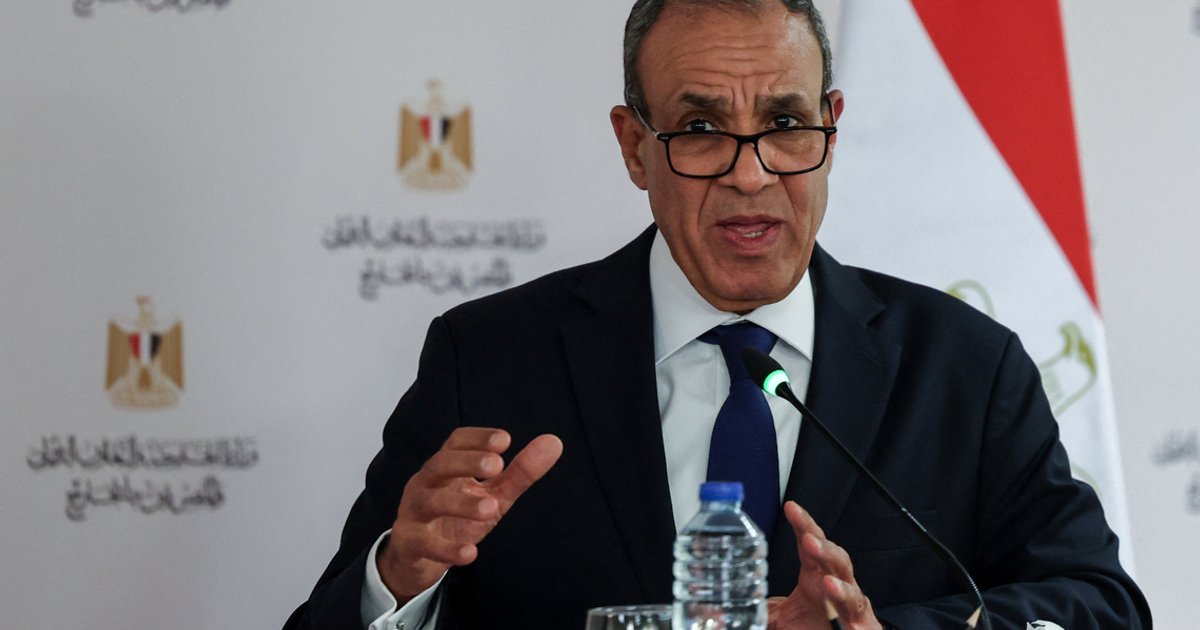
Egypt’s foreign minister warned that a second round of warfare ‘will be more dangerous, more destructive and it will lead to nowhere.’ asserted
it → warn → warfare
Conferences in the Persian Gulf are usually positive affairs, with government officials, executives of state-owned companies and armies of consultants touting petro-fueled visions promising fantastical technology and prosperity. asserted
officials → own → technology
Yet optimism seemed in short supply at the Manama Dialogue, an annual security and geopolitical summit held in the Bahraini capital. asserted
optimism → seem → capital
Instead, the dominant mood among the Middle East diplomats, defense officials and experts assembled last weekend was fear over the consequences of another bout of U.S.-Iran fighting. asserted
mood → assemble → fighting
“The rules of logic tell us that the Iranian stand and the American stand are far apart. asserted
stand → tell → us
And if these positions are not bridged, then we have to worry about the worst,” Anwar Gargash, a presidential advisor in the United Arab Emirates, said in an address at the summit. asserted
Gargash → bridge → summit
Gargash added that it’s not in the interest of the regional countries or Iran to go through another round of war. asserted
it → add → war
“While we’re going through this period of protracted crisis of no war, no peace, we are clearly seeking a political offramp,” he said. asserted
he → go → offramp
In his address, Egyptian Foreign Minister Badr Abdelatty said, “We have to push very hard in order to prevent the escalation.” asserted
We → say → escalation
Noting that more fighting would affect food and energy security, he added, “The second round will be more dangerous, more destructive and it will lead to nowhere.” asserted
it → note → security
With a settlement between Tehran and Washington seemingly out of reach, President Trump has hinted he could launch “another little Operation Epic Fury” after Tuesday’s midterm elections. uncertain
he → hint → elections
He was referring to the U.S.-Israeli operation that launched the war on Iran on Feb. 28. asserted
that → refer → Feb.
But on Monday, he wrote on his social media website that “Iran wants a settlement, as soon as possible. asserted
Iran → write → settlement
It could happen!” uncertain
It → happen → ?
Still, hours later, Iranian state media reported explosions on Iran’s Qeshm Island in the Strait of Hormuz; the Associated Press quoted an unnamed U.S. official as saying the military had carried out “defensive strikes.” asserted
military → report → strikes
The news comes as Republicans face a tough midterm race, which has become a referendum on an increasingly unpopular war that could sink Trump’s Teflon-like electoral appeal. uncertain
that → come → appeal
Iran has expanded its threats but says it is awaiting the latest U.S. response. asserted
it → expand → response
The latest proposal Iran has publicly discussed would fully reopen the Strait of Hormuz to shipping within two days if Washington meets several conditions, including lifting its blockade of Iranian ports. asserted
Washington → discuss → ports
Meanwhile, Israeli Prime Minister Benjamin Netanyahu, who is fighting for his political life after an inconclusive election last month, is said to be pressing Trump to finish off the Islamic Republic. asserted
who → fight → Republic
Behind the scenes, regional diplomats are engaging in furious shuttle diplomacy to avert renewed fighting. asserted
diplomats → engage → fighting
Last week, Saudi, Pakistani and Turkish officials flew to Tehran and met with Iranian military officials. asserted
officials → fly → officials
Qatar is leading negotiations between the U.S. and Iran, with Tehran presenting a de-escalation plan that has yet to be accepted by Trump. asserted
that → lead → Trump
Iranian Foreign Minister Abbas Araghchi on Monday told the state-run Islamic Republic News Agency that it was now up to the Americans to decide “whether they have the will to take the wise path of diplomacy or, as in the past, seek to drag the situation into aggression and military operations.” asserted
they → tell → aggression
“If they dare to test us again,” he added, “they know that they will receive a much more bitter and severe result than before.” asserted
they → dare → result
His words came as several Middle Eastern countries are still reeling from the first round of fighting, when Iran retaliated against U.S. attacks by striking American military bases on regional soil with fusillades of drones, as well as cruise and ballistic missiles. asserted
Iran → come → drones
Iran also targeted civilian infrastructure and has vowed to exercise less restraint and wage a no-holds-barred campaign — possibly striking energy, desalination and travel facilities — in the event of a new assault. uncertain
Iran → target → assault
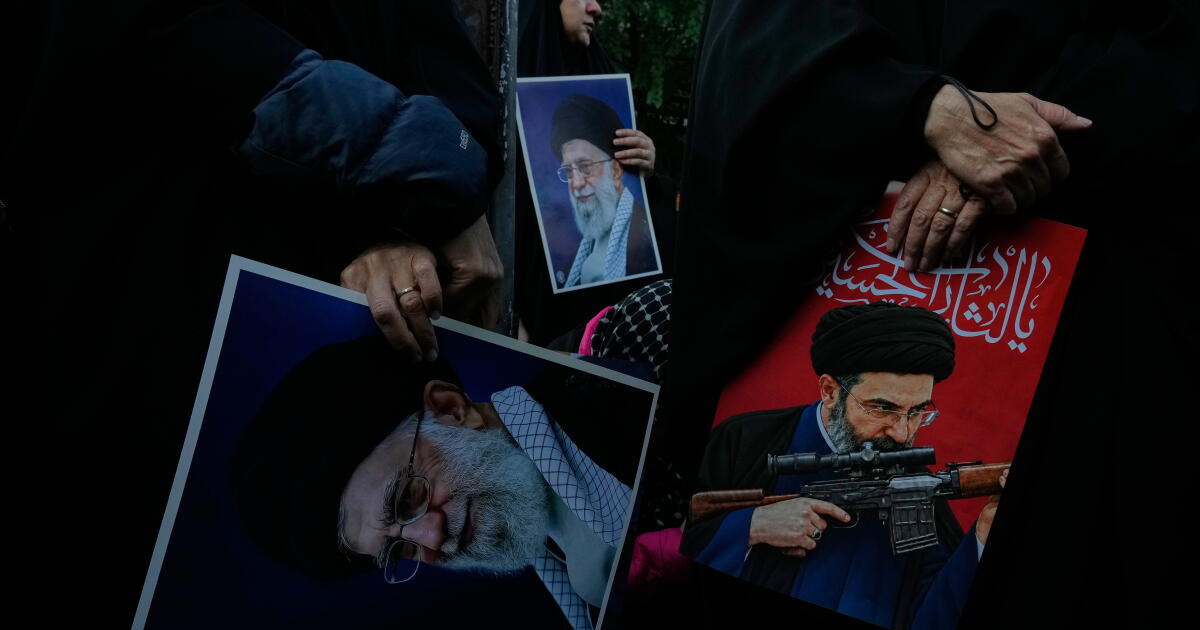
On Saturday, Iran’s supreme leader, Ayatollah Mojtaba Khamenei, said further U.S. attacks would prompt a broad response, one without “geographic limits.” asserted
attacks → say → limits
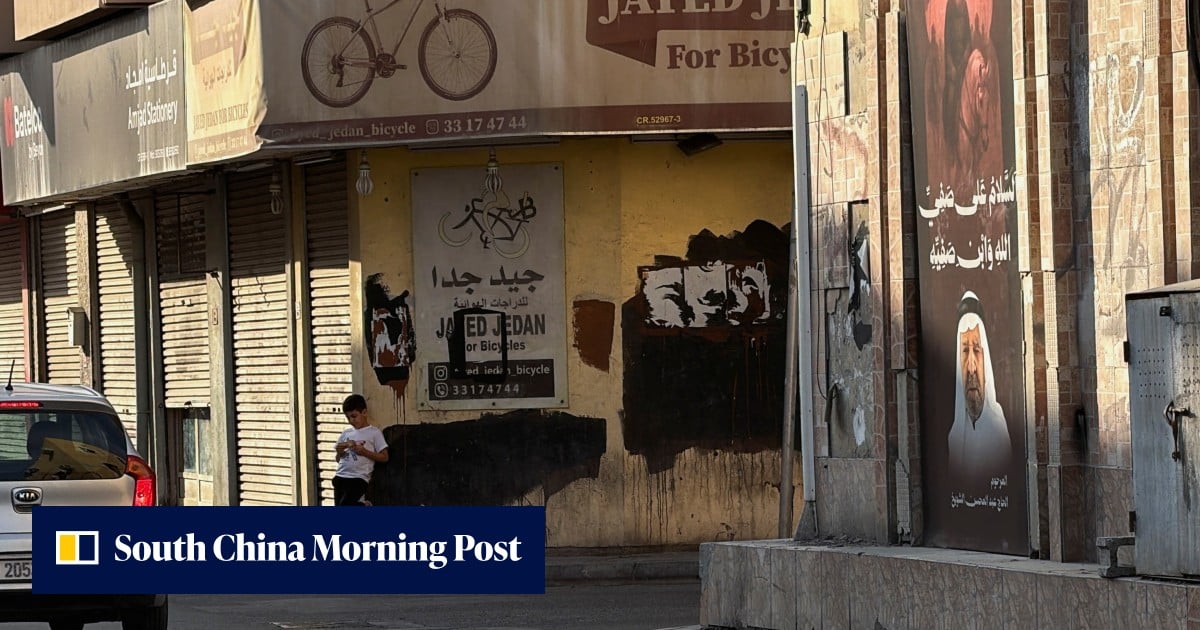
The scars of the fight could be seen around the Bahraini capital, where the U.S. 5th Fleet has several support facilities. uncertain
Fleet → see → facilities
Structures showed signs of explosive damage, including a partially destroyed radar dish and soot-covered depot, a result of Iranian projectiles — 500 drones and roughly 200 ballistic missiles — finding their mark. asserted
projectiles → show → mark
The bases seemed all but abandoned, with word among residents that American service members, a common sight in Bahrain, have all but disappeared. asserted
members → seem → Bahrain
The war has cast a shadow on Persian Gulf nations that have long presented themselves as paragons of stability in a volatile region, mostly unaffected by the conflicts raging in the wider Middle East. asserted
that → cast → East
Disruptions to energy flows and logistics mean members of the Gulf Cooperation Council, or GCC, a bloc of oil-rich Gulf nations, are facing a 4.8% contraction in gross domestic product compared with last year, according to the International Monetary Fund. uncertain
members → mean → Fund
The International Monetary Fund expected a strong turnaround in 2027 but acknowledged that “uncertainty remains exceptionally high, and risks are firmly tilted to the downside.” asserted
risks → expect → downside
Bahrain, Kuwait and Qatar are hardest hit; Qatar’s real GDP is down more than 15% this year. asserted
GDP → hit → ?
Meanwhile, the Saudi economy — which is contending with the double pressures of a sealed-off Strait of Hormuz and a blockade on Red Sea access by Iran-backed Yemeni rebels known as the Houthis, shrank almost 4% in the third quarter compared with last year, according to official figures. uncertain
which → contend → figures
Despite regional efforts to bring about a detente, the general consensus among attendees at the security summit was that more war is coming. asserted
war → bring → summit
The summit, which is organized by the International Institute for Strategic Studies think tank, drew hundreds of participants. asserted
which → organize → participants
…and 11 more, not listed.
Give feedback · no sign-in needed

No sign-in needed for now. Your note is sent without a name, so it cannot be answered.

History Support