Photo via Semafor

OpenAI pushes policy rebrand to a skeptical audience

Read the original at Semafor ↗
Cite

Gold, A. (2026, November 3). OpenAI pushes policy rebrand to a skeptical audience. Semafor. https://www.semafor.com/article/11/03/2026/openai-pushes-policy-rebrand-to-a-skeptical-audience

Dated from the outlet's own feed. Check the original for its byline.

Semafor · collected 2026-11-03 · by Ashley Gold

Quick Summary

OpenAI recently attempted to rebrand its data centers as "compute campuses" and is seeking community input on their expansion, while also pushing for global AI standards and likening AI regulations to traffic laws. However, this policy shift has met skepticism from some members of Congress and AI safety advocates who view it as a superficial attempt at addressing concerns rather than substantive change. Rep. Greg Casar criticized OpenAI's lobbying efforts, while the company’s top lobbyist, Chris Lehane, argues that embracing a middle path on AI regulation will prevent the US from lagging behind China. Despite pushback, Lehane believes there is room for bipartisan cooperation on AI policy in the future.
Written by AI on 2026-11-03, from this article's own text only (the story summary below draws on all the coverage).
See how they differ ↓

AI analysis

Story summary

OpenAI, the company behind ChatGPT, released new guidelines on November 5th to rebrand data centers as "compute campuses" and improve community engagement after facing public backlash during the US midterm elections. The policies include avoiding non-disclosure agreements with local officials, providing residents access to construction plans, ensuring facilities won't raise energy costs for nearby communities, and creating job opportunities related to data center operations. However, these efforts have met skepticism from AI safety advocates and lawmakers who remain unconvinced of OpenAI's sincerity in addressing concerns about data centers. This follows voters rejecting data center projects through ballot measures across the country during recent elections.

Written for “OpenAI Data Center Policy Rebranding” on 2026-11-21, grounded in this article and the 4 other(s) covering the same event.

How they differ

4 outlets covered “OpenAI Data Center Policy Rebranding”.

What each outlet says

One AI summary per outlet of its latest article on this story, written from that article alone and checked against it. Open the article for the outlet's own words.

SemaforThis outlet3 Nov

OpenAI recently attempted to rebrand its data centers as "compute campuses" and is seeking community input on their expansion, while also pushing for global AI standards and likening AI regulations to traffic laws. However, this policy shift has met skepticism from some members of Congress and AI safety advocates who view it as a superficial attempt at addressing concerns rather than substantive change. Rep. Greg…

OpenAI pushes policy rebrand to a skeptical audience (this article)2 articles from Semafor on this story
The Independent2 Nov

OpenAI is attempting to rebrand data centers as "AI compute campuses" to mitigate public backlash against artificial intelligence infrastructure. This initiative, detailed by Axios, includes a policy push and PR campaign aimed at addressing growing concerns from both the public and lawmakers about the environmental and social impacts of large server farms. OpenAI's chief global affairs officer Chris Lehane suggests…

OpenAI wants to change the name ‘data centres’ to make people hate them less →
The Straits Times5 Nov

OpenAI is implementing new policies to gain public trust regarding its data center projects following Democratic victories in midterm elections where opposition to such centers played a significant role. On November 5th, OpenAI announced plans to provide transparency by sharing construction details and economic benefits with local communities. For example, an upcoming facility in southern Ohio is projected to create…

OpenAI kicks off charm offensive to change voters’ view of data centres →

Compared with similar articles

This article reads unscored and hedges 0% of its claims. Each row says how that neighbour differs.
Semafor
Hedges 0 of 2 claims Outlet record 64/100
The Independent
Leans right Hedges 2 of 14 claims Outlet record 59/100
Mother Jones
Leans strongly left Hedges 6 of 34 claims Outlet record 60/100
“The articles describe different events - one is about a heckler interrupting a political debate due to concerns over data centers, while the other discusses OpenAI's efforts to rebrand and push AI policy.”
Semafor
Leans strongly right Hedges 1 of 9 claims Outlet record 64/100
“The articles describe different perspectives and reactions to AI policy, not the same specific incident or happening.”
South China Morning Post
Hedges 0 of 3 claims Outlet record 62/100
“The articles describe different events: one about OpenAI's policy rebranding efforts facing skepticism, and the other about a business summit in Hong Kong focusing on AI disruption and geopolitics.”
Washington Examiner
Leans left Hedges 0 of 2 claims Outlet record 67/100
Semafor
Hedges 4 of 13 claims Outlet record 64/100
“The articles discuss different aspects of AI policy and market developments, not a single specific incident.”
The Guardian
Leans strongly left Hedges 5 of 30 claims Outlet record 64/100
“The articles discuss different aspects of AI policy and market reactions around the midterms, not a single specific incident.”
NBC News
Outlet record 77/100
“The articles discuss different aspects of OpenAI's activities around the midterms, with Article A focusing on a policy rebranding effort and Article B detailing an 'election war room'.”
Platformer
Hedges 0 of 4 claims Outlet record 96/100
“The articles discuss different topics related to AI and technology companies but do not describe the same specific incident.”

Story

OpenAI Data Center Policy Rebranding
Technology · 5 article(s) covering the same event. See how they differ ↑
How this article was measured signals, leaning charts, publisher record, byline, topics and claims

Signals How these are calculated →

Claims extracted
22
sentences that state something as happening or true
Uncertain
0%
0 of 22 hedged ("reportedly", "may", "according to")
Leaning
withheld
no quote in the article backed the model's score
Publisher signals
64/100
Semafor's corrections and hedging, across everything collected from it. Not a measure of accuracy.
Outlets on this story
5
Technology
Same framing elsewhere
1
articles that frame the event the way this one does
Analyzed 2026-11-03 · how these are computed

How this is being covered How these are calculated →

Article leaning vs. publisher reliability
Source leaning vs. consistency

Publisher

Semafor · 1931 article(s) · 7 correction(s) detected
Running correction rate · 7 correction(s)

Who wrote this

Ashley Gold
43 article(s) here · 1 carrying a prediction
After the interview, I fact checked the claim that a data center project could be quite so large.
2026-11-20 · mixed framing · Silicon Valley needs to listen to the AI backlash
Ashley’s view Someone was bound to take the fall for a string of tech outages that have left the country terrified about what services might get disrupted next — even if the most basic (and likely true) explanation is that organizations are rushing to patch software bugs discovered by AI programs and are crashing their systems in the process.
Cybersecurity experts say the government is largely telling the truth about the crashes’ causes, but the situation reveals a bigger problem: Much more digital instability is coming, and it will be worse.
Big Tech would face some policy threats from the past if Sen. Chris Van Hollen, D-Md., somehow pulls off his longshot bid for Senate Majority Leader over current Democratic leader Chuck Schumer, according to an audio recording of Van Hollen’s remarks at a Hewlett Foundation event in California this week that was shared with Semafor.
Howard Lutnick is expected to travel on Air Force One with the president to China this week as the commerce secretary fights to regain his footing after clashing with Trump officials over Nvidia and China chip controls, according to people familiar with the matter.
2026-11-15 · assertive framing · Under pressure, Lutnick joins Trump in China
Beyond the corporate governance questions raised by the furor, lawmakers are incensed by reports that Nvidia may have pushed for access to its chips by dubious Chinese companies.
2026-11-09 · assertive framing · Nvidia CEO is in Congress’ sights after spy scandal
Public First, which gets significant funding from Anthropic and backs AI guardrails, wrote that Leading the Future — the top pro-AI super PAC — had a “crash out,” but warned: “It would be a mistake to read this cycle and Leading the Future’s decline as the end of Big Tech’s AI political project.
I am fully committed to NVIDIA and will work to earn back your confidence.”
Nvidia spokesman John Rizzo did not directly answer whether Huang would attend the briefing, telling Semafor in a statement: “We’re confident that if the U.S. government believes that any person is a threat to American industry, it would let us know.
2026-11-06 · mixed framing · Nvidia faces a more hostile Washington
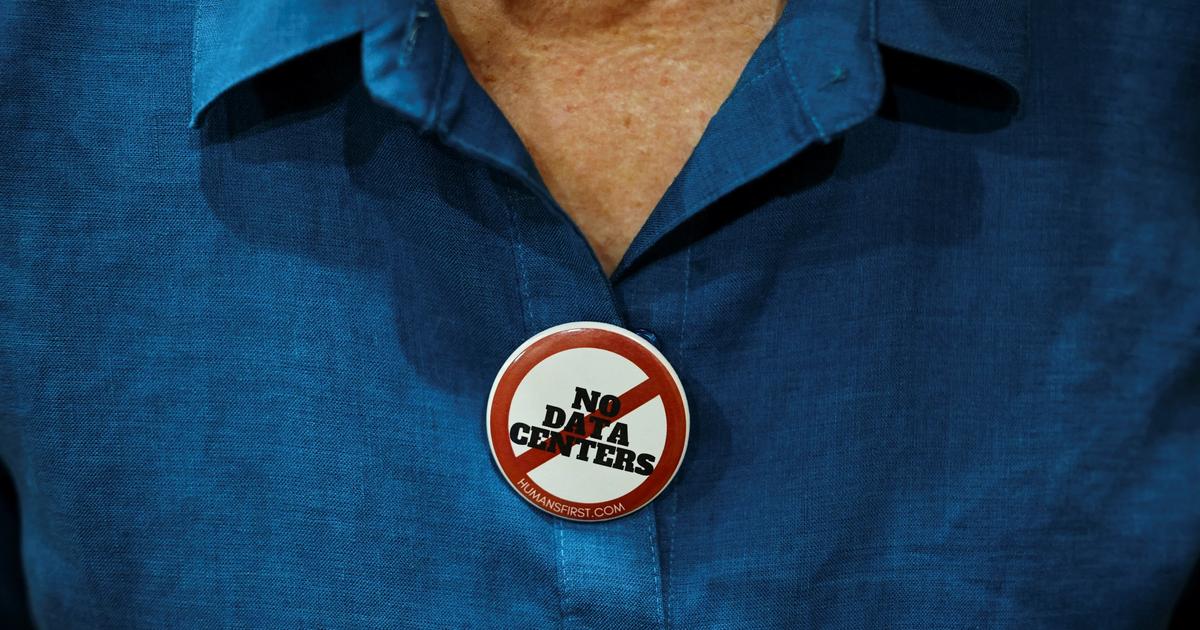
But money could not buy influence on the most salient AI-related outcome of the election: local ballot measures curbing data center development, about 40 of which passed across the country on Tuesday.
2026-11-05 · assertive framing · Where AI money worked in the midterms
Also by Ashley Gold
Nothing else under this byline is closely related to this article, so these are simply their most recent.
All 43 articles by Ashley Gold →

Topics

Congress Democrats News OpenAI Semafor

Subjects

OpenAI ORG · 9× Congress ORG · 4× Democrats NORP · 3× Semafor ORG · 3× Lehane PERSON · 2× Axios ORG · 1× Brad Carson PERSON · 1× News ORG · 1× Oklahoma GPE · 1× Washington GPE · 1×

Narrative

If initial reactions from AI safety advocates are any indication, AI and tech companies have a long way to go to convince both voters and Democrats, who will likely hold more power in Washington after Tuesday, that their efforts are sincere and not just an attempt at face-saving.
framing: assertive · carried by 1 article(s) · first seen 2026-11-03
If initial reactions from AI safety advocates are any indication, AI and tech companies have a long way to go to convince both voters and Democrats, who will likely hold more power in Washington after Tuesday, that their efforts are sincere and not just an attempt at face-saving.
2026-11-03 · Semafor
OpenAI pushes policy rebrand to a skeptical audience · assertive framing

Claims (22 extracted, 0 hedged)

The News OpenAI’s attempt to rebrand data centers and set a new tone for AI policy discourse after the midterms is landing with a thud in some circles, including with members of Congress. asserted
attempt → rebrand → Congress
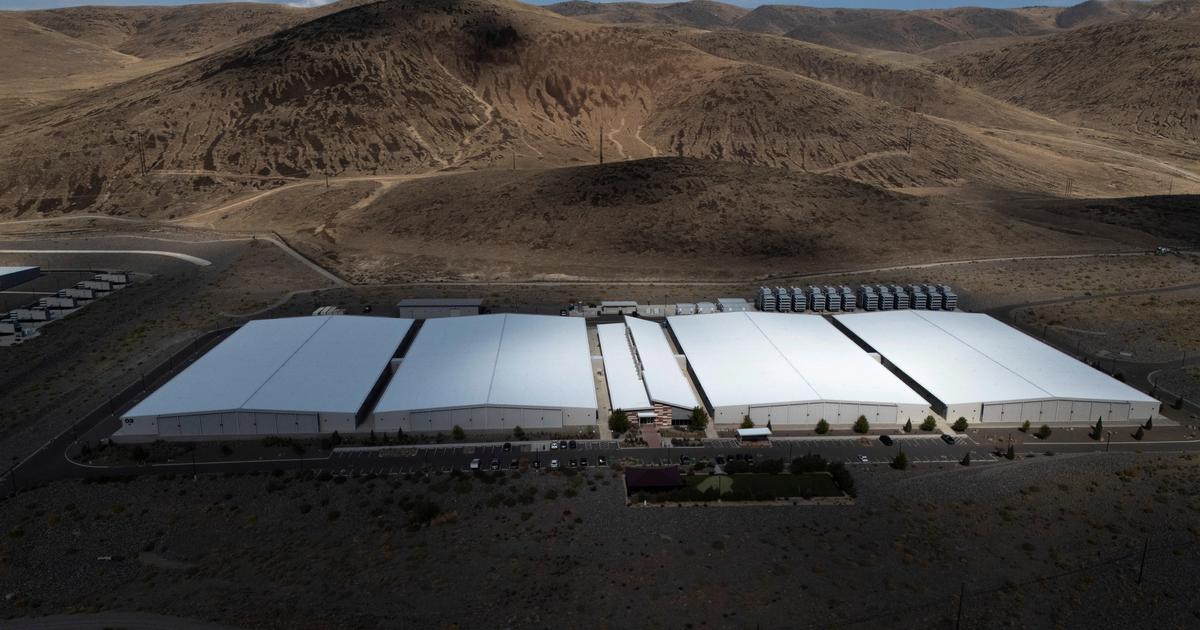
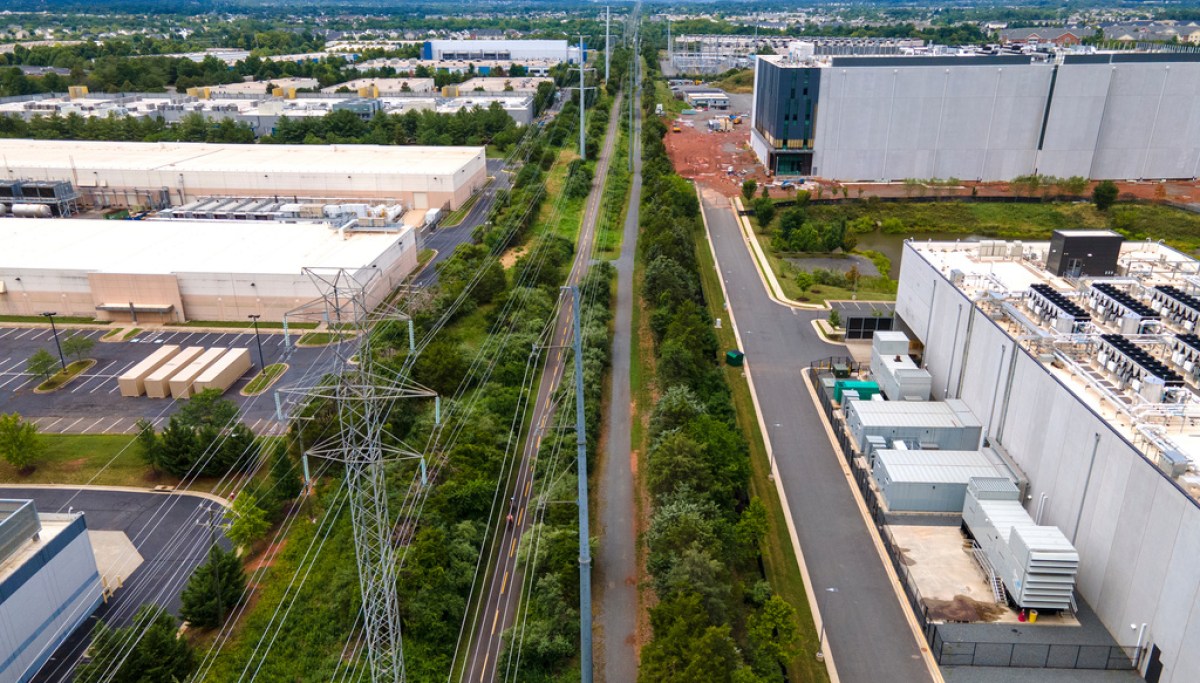
It involves calling data centers “compute campuses” and seeking community input on their buildouts. asserted
It → involve → buildouts
It likens AI rules to speeding limits for cars, arguing that AI helps people in their daily lives, and pushing for global AI standards, as Axios first reported. asserted
Axios → liken → standards
If initial reactions from AI safety advocates are any indication, AI and tech companies have a long way to go to convince both voters and Democrats, who will likely hold more power in Washington after Tuesday, that their efforts are sincere and not just an attempt at face-saving. asserted
efforts → have → saving
“If they think they can change the AI debate with Orwellian name changes, they are setting themselves up for failure,” said Brad Carson, former Oklahoma Democratic congressman and co-founder and president of Americans for Responsible Innovation, a group pushing for AI guardrails. asserted
Carson → think → guardrails
“AI will be the number one issue in 2028,” Rep. Greg Casar, D-Tex., posted on X. “And anyone looking to OpenAI’s lobbyist for advice will lose.” asserted
anyone → post → advice
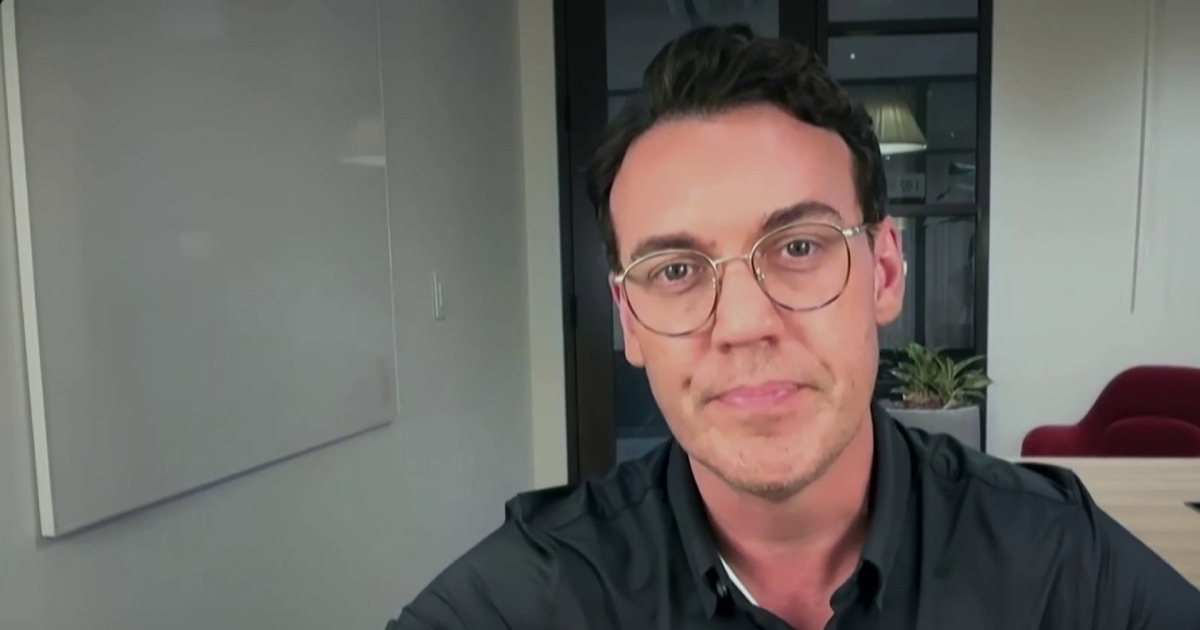
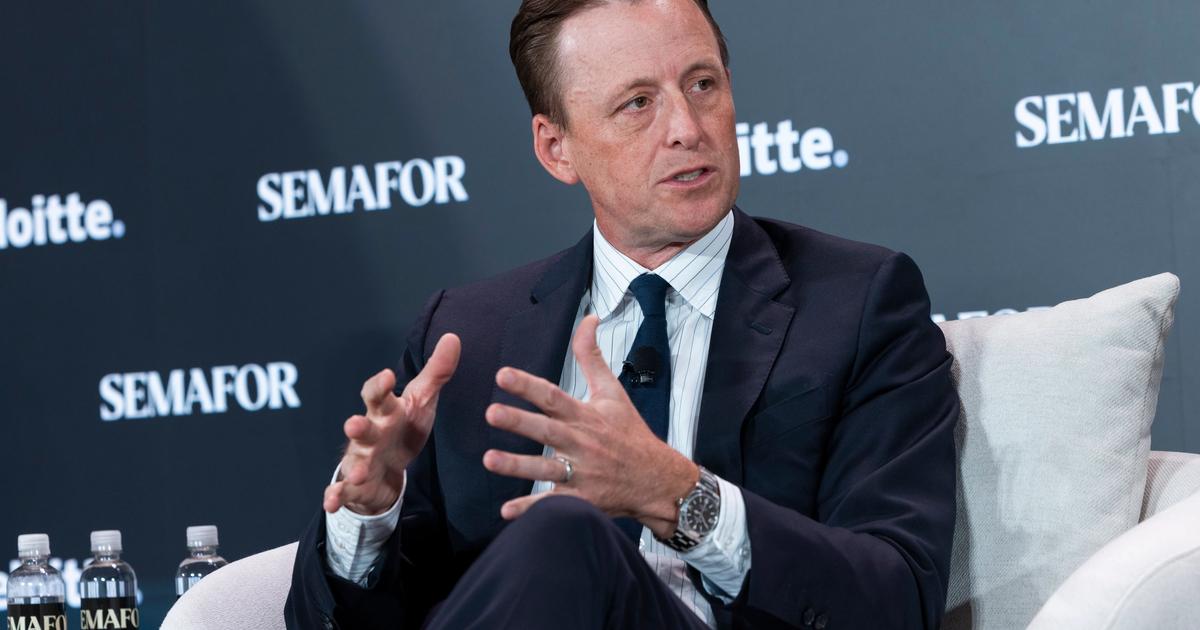
Still, OpenAI’s top lobbyist, Chris Lehane, is betting the company’s refreshed positions — on data centers and AI policy that puts people in control of the technology — will be “durable,” even if it’s in a “lonely position,” he told Semafor in an interview. asserted
he → bet → interview
“People are going to wake up in November and December and January, and there’s going to be hundreds and hundreds of state bills out there. asserted
People → go → bills
So does Congress and the White House want to cede control of all of this?” he said, adding that OpenAI plans to push for a mandatory AI testing bill that can get 60 votes by connecting members across the aisle. asserted
that → want → aisle
OpenAI still supports certain state AI laws as well, recently endorsing two frontier AI safety bills in California, he said. asserted
he → support → California
He also said OpenAI spoke with Rep. Ted Lieu, D-Calif. on the AI “kill switch” bill the Democrat proposed in July, and said he would soon have “next steps” on making OpenAI’s products safer for teen users. asserted
products → say → users
Lehane said OpenAI’s views are meant to offer an alternative to extremes around AI. asserted
views → say → AI
He argued that embracing a middle path would avoid the US ceding ground to China by being outright opposed to data centers, echoing the White House’s argument for a light touch on AI regulation. asserted
US → argue → regulation
His argument isn’t doing much to win over skeptics. asserted
argument → do → skeptics
“[Lehane is] trying to get the best deal out of the Trump administration that he can before Democrats take over,” Alex Bores, the New York State assemblyman who became a top target of the AI industry in his run for Congress, told Semafor. asserted
who → try → Semafor
“But it’s nice to see him say this debate is about control, and that the American people need a stake in what’s happening. asserted
what → ’ → stake
If Democrats want to get anything done on AI policy next year, they’ll need to work with Republicans — regardless of control of Congress. asserted
they → want → Congress
And that will inevitably involve moderation and compromise, as well as working with AI firms. asserted
that → involve → firms
“I’d expect others to follow [OpenAI’s lead],” Joseph Hoefer, chief AI officer at Monument Advocacy, told Semafor. asserted
Hoefer → expect → Semafor
“This is where the political calculus is inevitably heading. asserted
calculus → head → ?
The industry had a good run making the case for a lighter touch, but the polling shows the limits of that strategy … and a hands-off message gets harder to sustain when voters are asking who’s in control.” asserted
who → have → control
Hoefer said that for AI companies looking to buoy continued AI sector growth, “the goal is to give lawmakers a case for AI investment they can defend back home.” asserted
they → say → investment
Give feedback · no sign-in needed

No sign-in needed for now. Your note is sent without a name, so it cannot be answered.

History Support