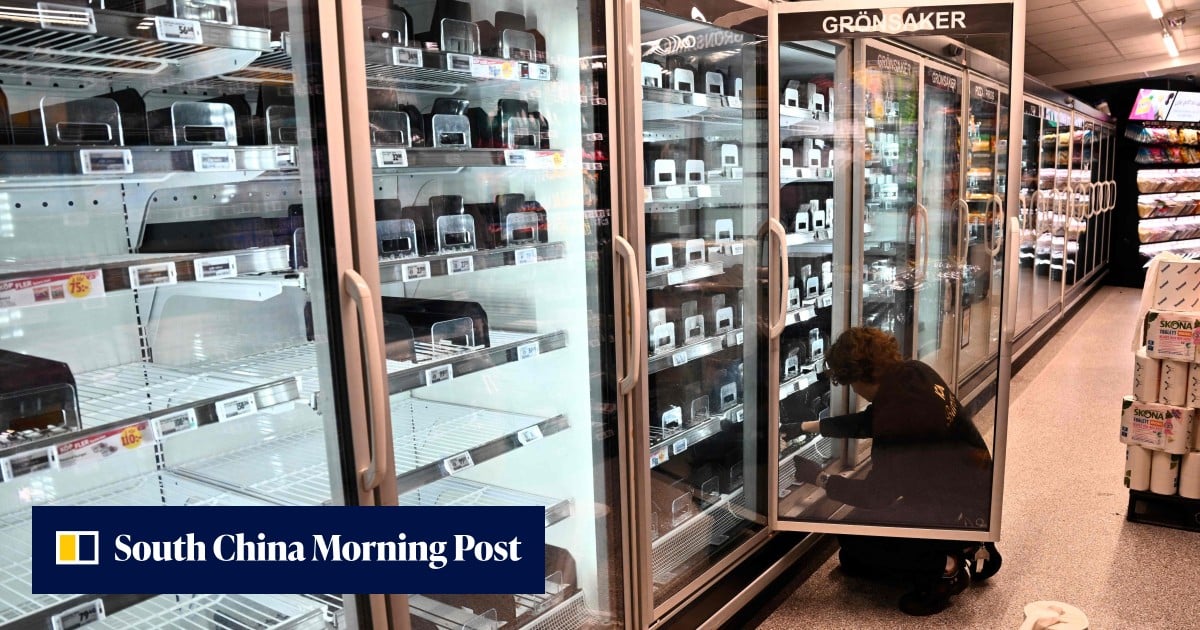
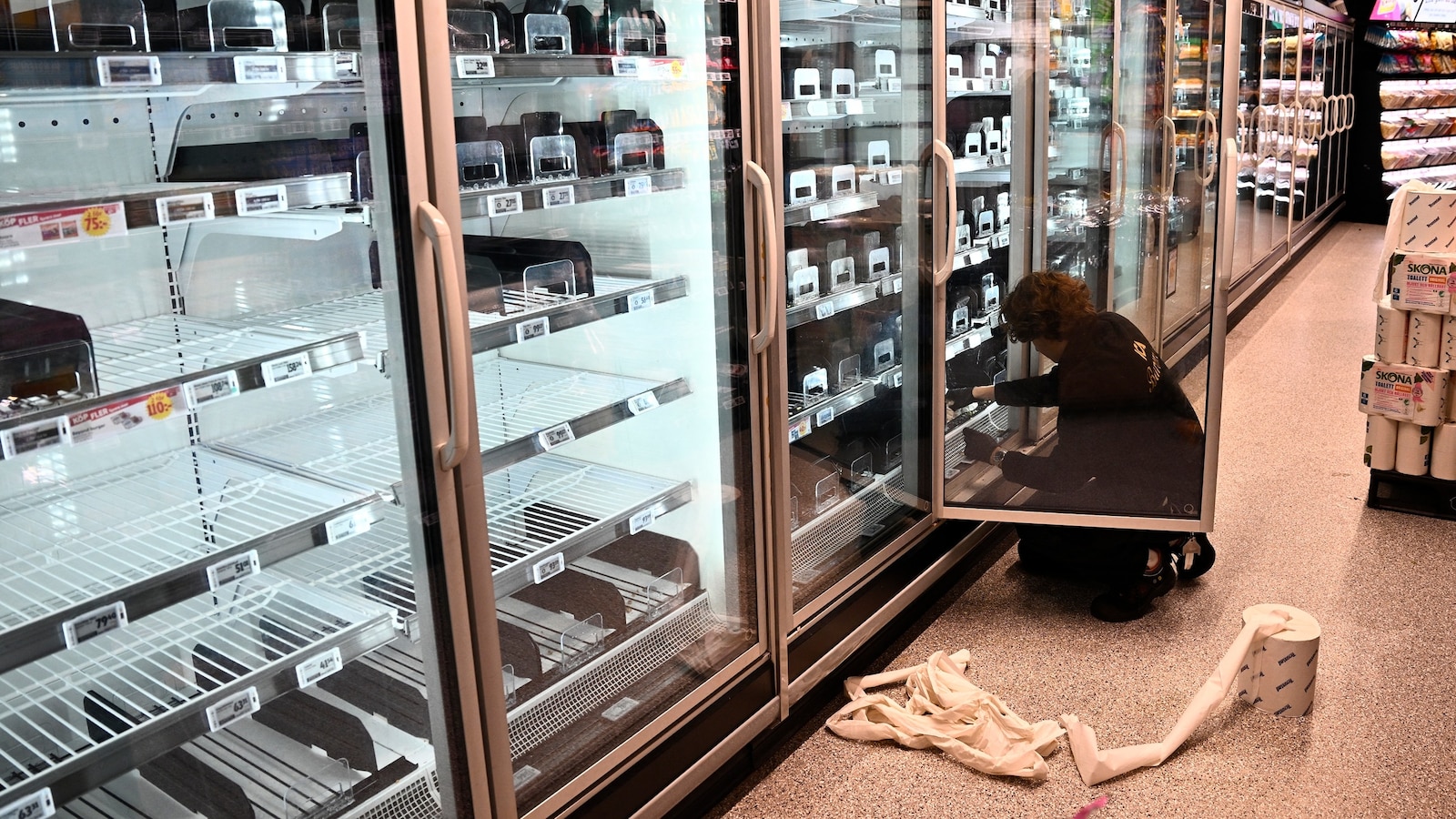
Photo via The Guardian

UK meat processing firms’ fridges heat up after cyber-attacks in Europe

Read the original at The Guardian ↗
Cite

Milmo, D., & Booth, R. (2026, November 3). UK meat processing firms’ fridges heat up after cyber-attacks in Europe. The Guardian. https://www.theguardian.com/technology/2026/nov/03/uk-meat-processing-firms-fridges-heat-up-cyber-attacks

Dated from the outlet's own feed. Check the original for its byline.

The Guardian · collected 2026-11-03 · by Dan Milmo, Robert Booth

Quick Summary

Hackers have raised temperatures in supermarket freezers across Europe, including affecting some meat processing firms in the UK. The National Cyber Security Centre (NCSC) is working with affected companies to mitigate the issue, which has so far had minimal national impact. Attacks involved rising freezer temperatures as high as 50°C and similarities were noted between these incidents and previous operations linked to Russia. The NCSC director highlighted that vulnerabilities in outdated technology with default passwords were exploited by hackers who did not use AI but took advantage of long-standing security flaws.
Written by AI on 2026-11-03, from this article's own text only (the story summary below draws on all the coverage).
See how they differ ↓

AI analysis

Story summary

On November 2, 2026, temperatures in refrigerators and freezers at dozens of supermarkets across Europe rose sharply overnight due to suspected cyberattacks. In Sweden, operators ICA and Coop reported incidents affecting several stores, with one store blaming the issue on hackers, similar to attacks last month in France where over 150 Intermarché stores were impacted. The latest wave hit countries including Belgium, Estonia, Finland, Germany, Ireland, Italy, Luxembourg, Romania, and the United Kingdom. Hackers increased refrigerator temperatures to 50 degrees Celsius (122°F), causing food spoilage and raising concerns about vulnerabilities in connected systems. Russian hacktivist groups Noname057(16) and Z-Pentest Alliance claimed responsibility on Telegram but their posts were later deleted, leading cybersecurity experts to express skepticism.

Written for “European Supermarket Fridge Hacks” on 2026-11-21, grounded in this article and the 41 other(s) covering the same event.

How they differ

21 outlets covered “European Supermarket Fridge Hacks”.

What each outlet says

One AI summary per outlet of its latest article on this story, written from that article alone and checked against it. Open the article for the outlet's own words.

The GuardianThis outlet3 Nov

Hackers have raised temperatures in supermarket freezers across Europe, including affecting some meat processing firms in the UK. The National Cyber Security Centre (NCSC) is working with affected companies to mitigate the issue, which has so far had minimal national impact. Attacks involved rising freezer temperatures as high as 50°C and similarities were noted between these incidents and previous operations linked…

UK meat processing firms’ fridges heat up after cyber-attacks in Europe (this article)3 articles from The Guardian on this story
BBC4 Nov

Russian hacktivist groups Noname057(16) and Z-Pentest Alliance claimed responsibility for recent freezer hacks affecting European supermarkets via Telegram posts that were later deleted. Cybersecurity firms are analyzing data from "honeypots" to determine the attackers' identity, with possibilities including Iranian hackers or even pranksters. The attacks involved sophisticated planning and coordination, targeting…

Russian hacktivists say they were behind freezer hacks, but speculation remains →6 articles from BBC on this story
Daily Mail4 Nov

On October 11, a cyber attack hit refrigeration units in about 700 French supermarkets, causing temperatures to rise as high as 80C, leading to food spoilage worth hundreds of millions of euros. Three weeks later, a second attack affected approximately 100 stores across Europe, impacting countries like Sweden and the Netherlands, with losses estimated in the tens of millions of euros. EU officials expressed concern…

So, could Britain's food chain be hit by the cyber hackers targeting supermarket freezers all across Europe? →4 articles from Daily Mail on this story
Al Jazeera4 Nov

Hackers disrupted refrigeration systems in supermarkets across Germany, Romania, and the UK on Monday, raising the total number of affected European countries to at least 11. The European Union responded by urging a collective approach to combat these cyberattacks, which have caused significant food spoilage. Officials from Romania played down the severity, suggesting amateurish activity rather than state-sponsored…

EU urges action as Germany, Romania and UK report supermarket cyberattacks →4 articles from Al Jazeera on this story
Evening Standard3 Nov

UK meat suppliers experienced unexpected issues with their refrigeration systems due to a cyber attack that affected software used by supermarkets and food suppliers across Europe. The Association of Independent Meat Suppliers reported that some members noticed fridge temperatures rising up to 100°C, but no food was compromised because the units were empty at the time. The National Cyber Security Centre confirmed it…

UK meat suppliers’ fridges heat up after cyber attacks hit Europe →4 articles from Evening Standard on this story
The Straits Times3 Nov

Britain’s cybersecurity chief warned that a recent hack on supermarket fridges across Europe is indicative of more frequent disruptions to come as outdated technology struggles against advancing hackers. Richard Horne, head of the National Cyber Security Centre (NCSC), stated during a speech on November 3 that these incidents are just beginning and predicted an increase in cyberattacks due to vulnerabilities in…

Supermarket fridge attack is just the start, says UK cybersecurity chief →3 articles from The Straits Times on this story
Show 15 more outlets
The Independent3 Nov

Cyberattacks have recently hit refrigeration systems in multiple European countries including Sweden, Belgium, Luxembourg, Ireland, Italy, and Estonia, causing significant food spoilage. In one incident, a Greek butcher shop owner reported that someone remotely raised his refrigeration unit's temperature to 150 degrees Celsius, necessitating two hours for technicians to regain control. The attacks highlight security…

European supermarket fridges got hacked. Again. Here's what to know →3 articles from The Independent on this story
CBS News3 Nov

CBS News International reports that grocery stores throughout Europe have faced significant challenges due to a recent cyberattack, which resulted in large quantities of food spoiling and necessitating extensive restocking efforts. The article does not provide specific dates, locations, or details about the extent of the damage beyond noting the widespread impact on supermarkets across the continent.

New cyberattacks hit supermarket fridges across Europe →2 articles from CBS News on this story
Times of India2 Nov

A suspected cyberattack has disrupted refrigeration systems at supermarkets across Belgium, Estonia, Sweden, and Ireland, causing food spoilage due to elevated temperatures. The incident impacted major chains like Delhaize, Carrefour, ICA, Coop, and SuperValu, with losses estimated in the millions of euros. In Belgium alone, over 50 stores experienced issues; one Delhaize branch discarded €100,000 worth of food…

Fridges hacked, food spoiled: Cyberattack disrupts supermarkets across Europe →
Global News2 Nov

On Monday, supermarkets in Sweden, Belgium, Luxembourg, and Estonia faced issues with their refrigeration systems due to apparent cyberattacks. In Sweden, the ICA Group reported that some stores had to discard food after temperatures reached 50 degrees Celsius (122°F). Delhaize and Coop also experienced disruptions in multiple stores across Belgium and central Sweden, leading to limited availability of fresh and…

Supermarket freezers in 4 European countries hit by apparent cyberattack →
New York Post2 Nov

Supermarkets in Sweden, Belgium, Luxembourg, and Estonia experienced issues with their freezers and refrigerators due to suspected cyberattacks on Monday. In Sweden, the ICA Group reported that some stores had to discard food after temperatures reached 50 degrees Celsius. Similar incidents occurred at other chains like Coop and Delhaize, affecting dozens of stores in Belgium and Luxembourg. The attacks mirrored a…

Freezers at supermarkets in several European countries hit by apparent cyberattacks →
ABC News (AU)2 Nov

Four supermarket chains across Europe experienced IT incidents affecting fridge and freezer temperatures, believed to be cyberattacks. Dutch chain Ahold Delhaize and Belgian Colruyt reported temperature spikes in dozens of stores, while Swedish grocers ICA and Coop noted similar issues. This follows a previous attack in France where hackers raised temperatures up to 50 degrees Celsius in hundreds of supermarkets…

Cyberattack on fridges hits supermarkets across Europe →
Euronews2 Nov

Across several European countries, including Belgium, Sweden, the Netherlands, Estonia, Luxembourg, and Ireland, supermarket refrigeration systems have been hit by a suspected cyberattack, causing fridges and freezers to malfunction and potentially jeopardizing hundreds of thousands of euros worth of food. In Belgium alone, dozens of stores from major chains like Delhaize, Carrefour, and Intermarché experienced…

Fridges stand empty in Belgian supermarkets after cyberattack →
South China Morning Post2 Nov

Supermarket refrigeration systems across multiple European countries including Belgium and Sweden were targeted by a cyberattack on Monday, causing temperatures to spike significantly. Stores like Ahold Delhaize and Colruyt in Belgium and Luxembourg, along with ICA and Coop in Sweden, reported issues where freezer temperatures reached 50 degrees Celsius (122 degrees Fahrenheit). The incident is reminiscent of a…

Supermarket fridges in Europe hit by new cyberattack: ‘everything is destroyed’ →
NBC News2 Nov

Monday saw a new wave of cyberattacks targeting refrigeration systems at supermarkets across Europe, including Sweden, the Netherlands, Belgium, Ireland, Luxembourg, and Estonia. These incidents caused temperature spikes and spoiled food, following similar attacks last month in France where temperatures reached up to 122 degrees Fahrenheit. Authorities have not identified the perpetrators or received any claims of…

Supermarkets across Europe hit by new fridge cyberattacks →
Dawn2 Nov

On Monday, grocery stores in Belgium, Estonia, Finland, Luxembourg, and Sweden experienced disruptions to their refrigeration systems due to a cyberattack. This follows a similar incident in France three weeks prior, where hundreds of stores were affected. In Belgium, major chains like Carrefour, Delhaize, Colruyt, and Intermarché reported issues, with some throwing out spoiled food. Swedish chain Coop confirmed…

Fridge cyberattack hits supermarkets across Europe →
ABC News (US)2 Nov

Grocery chains across several European countries have reported apparent cyberattacks that altered temperature settings of refrigeration systems, leading to food spoilage. Stores in Belgium, Sweden, Ireland, the Netherlands, and Estonia were affected, with some companies confirming issues at a small number of locations. For example, Swedish stores ICA and Coop had incidents affecting seven out of over 800 Coop…

European grocery chains' freezers, refrigerators targeted in apparent cyberattacks →
CBC2 Nov

A recent cyberattack hit supermarket refrigeration systems across Europe, affecting stores in Sweden, Belgium, Luxembourg, and impacting ICA, Coop, Ahold Delhaize, Colruyt, and Ikea. The attack raised temperatures inside the units to 50 degrees Celsius, spoiling food and causing significant losses. This incident follows a similar attack in France last month that also damaged refrigeration systems at hundreds of…

Another cyberattack on supermarket fridges sweeps Europe, leaving food spoiled →
NPR3 Nov

Hackers linked to Iran’s military, operating under the name Cyber Isnaad Front, carried out a multi-pronged cyberattack on an Israeli food production plant in May, disrupting operations and damaging refrigeration systems. This attack followed similar incidents targeting refrigeration controllers globally, affecting U.S. military bases, French supermarkets, and stores across Europe, including Sweden, Estonia…

A new cold war: hackers target fridges across the globe →
Toronto Star3 Nov

Cyberattacks have caused refrigeration systems in supermarkets across several European countries including Sweden, Belgium, Luxembourg, Ireland, Italy, and Estonia to malfunction, leading to significant food spoilage. The incidents involve hackers remotely increasing the temperature settings on fridges and freezers, with some reaching extreme temperatures like 50 degrees Celsius (122 Fahrenheit) or higher. These…

European supermarket fridges got hacked. Again. Here's what to know →
The Hindu4 Nov

In October, 150 Intermarche stores in France experienced a cyberattack that caused their refrigeration systems to malfunction severely, operating at dangerously high temperatures of 50 degrees Celsius. This incident was followed by similar attacks affecting supermarkets in ten other European countries just three weeks later. The article explores how the design and vulnerabilities within supermarket IT infrastructure…

Spoiled by design: How supermarkets became targets of cyberattacks →

Where they agree and split

Agreed

AI · cited, from two or more outlets

  • The temperature settings in affected refrigeration and freezer units were increased to as high as 50 degrees Celsius (122 degrees Fahrenheit), resulting in food spoilage.23
Quoted from the coverage (2)

Additionally, Carrefour Belgium reported on Monday morning that fifteen of its stores have been affected so far.

4 outlets

Supermarkets have reported problems in Belgium, Estonia, Finland, Ireland, Italy, Luxembourg, the Netherlands, Portugal and Sweden, and the significant increase in freezer temperatures has forced retailers to discard food.

4 outlets

Framing

How the first headlines put it

Stated as fact17
The headlines (17)

Temperature soars at Swedish grocery store freezers, one store blames hackers The Straits Times · stated as fact

Cyber attackers defrost freezers in Swedish and Belgian supermarkets weeks after similar attack that cost shops millions in France Daily Mail · stated as fact

Supermarket freezers across Europe hit by second suspected cyber-attack The Guardian · stated as fact

Supermarket freezers in Belgium and Sweden hit by suspected cyber-attack BBC · stated as fact

Freezers in Sweden, Belgium overheat following possible cyberattacks Al Jazeera · stated as fact

More European grocery stores hit by apparent fridge-freezer hacks CBS News · stated as fact

Supermarkets across Europe hit by suspected cyber attack as fridges turned up The Independent · stated as fact

Fridges hacked, food spoiled: Cyberattack disrupts supermarkets across Europe Times of India · stated as fact

Supermarket freezers in 4 European countries hit by apparent cyberattack Global News · stated as fact

Freezers at supermarkets in several European countries hit by apparent cyberattacks New York Post · stated as fact

Cyberattack on fridges hits supermarkets across Europe ABC News (Australia) · stated as fact

Fridges stand empty in Belgian supermarkets after cyberattack Euronews · stated as fact

Supermarket fridges in Europe hit by new cyberattack: ‘everything is destroyed’ South China Morning Post · stated as fact

Supermarkets across Europe hit by new fridge cyberattacks NBC News · stated as fact

Fridge cyberattack hits supermarkets across Europe Dawn · stated as fact

European grocery chains' freezers, refrigerators targeted in apparent cyberattacks ABC News · stated as fact

Another cyberattack on supermarket fridges sweeps Europe, leaving food spoiled CBC · stated as fact

Words to watch (1)

Supermarket fridges in Europe hit by new cyberattack: ‘everything is destroyed’ South China Morning Post

The full story: what happened, how it changed, and all 42 articles →

Compared with similar articles

This article reads unscored and hedges 9% of its claims. Each row says how that neighbour differs.
Evening Standard
Hedges 3 of 46 claims Outlet record 64/100
Evening Standard
Hedges 2 of 37 claims Outlet record 64/100
BBC News
Hedges 1 of 14 claims Outlet record 65/100
Evening Standard
Hedges 3 of 29 claims Outlet record 64/100
Evening Standard
Hedges 2 of 32 claims Outlet record 64/100
The Independent
Hedges 7 of 28 claims Outlet record 59/100
“The articles describe cyber-attacks affecting freezers in different regions (US military bases vs. European supermarkets and UK meat processing firms), indicating distinct incidents.”
ABC News (AU)
Hedges 2 of 24 claims Outlet record 67/100
South China Morning Post
Hedges 0 of 4 claims Outlet record 62/100
“While both articles describe cyberattacks on supermarket fridges across Europe, including Belgium and potentially affecting the UK, they do not specify the exact same time or place for the new attacks described. Article A reports an incident on Monday in multiple countries from Sweden to Belgium, while Article B focuses more on the aftermath and impact in the UK after these initial attacks.”
ABC News (US)
Hedges 5 of 13 claims Outlet record 66/100

Story

European Supermarket Fridge Hacks
Technology · 42 article(s) covering the same event. Compare every outlet's account →
How this article was measured signals, leaning charts, publisher record, byline, topics and claims

Signals How these are calculated →

Claims extracted
22
sentences that state something as happening or true
Uncertain
9%
2 of 22 hedged ("reportedly", "may", "according to")
Leaning
not political
takes no side on a contested political question
Publisher signals
64/100
The Guardian's corrections and hedging, across everything collected from it. Not a measure of accuracy.
Outlets on this story
42
Technology
Same framing elsewhere
1
articles that frame the event the way this one does
Analyzed 2026-11-03 · how these are computed

How this is being covered How these are calculated →

Article leaning vs. publisher reliability
Source leaning vs. consistency

Publisher

The Guardian · 3760 article(s) · 8 correction(s) detected
Running correction rate · 8 correction(s)

Who wrote this

Dan Milmo
11 article(s) here · 1 carrying a prediction
The US president referred to a tech industry campaign for Huang’s rehabilitation, saying a “big group” of people would like him back.
He will be replaced on an interim basis by Nvidia’s chief financial officer, Colette Kress, until a full-time successor is named.
The $4.1tn (£3tn) chipmaker has hired New York-based Wachtell, Lipton, Rosen & Katz for the investigation, which will be led by the Wachtell partner Joon Kim.
“While the board has no reason to believe that either national security or Nvidia secrets were compromised, the board’s inquiry will examine all available information,” said the board.
Cybersecurity experts meanwhile reported that attacks on “dummy” fridge controls – deliberately placed online to lure would-be hackers – displayed characteristics similar to previous malicious operations linked to Russia.
Companies building the most advanced AI systems must increase safety efforts, the UK’s AI minister will say, as he announces a strengthening of Britain’s cyber defences.
Beeban Kidron, a member of the upper house of the UK parliament and an award-winning film director, marshalled an effective political campaign against the proposals by pushing legislative amendments that would have spiked the plans.
A huge datacentre project hailed by the UK government will miss its launch date next year and could be delayed into the mid-2030s.
If the worst scenarios come to bear – and experts have differing views on this – then the technology will impact the continent regardless.
They ordered a review of existing legislation to see what powers they already had, according to those briefed on the plans, and were exploring whether they could force the world’s most advanced technology companies to submit their products for safety testing before launching them.
Also by Dan Milmo
Nothing else under this byline is closely related to this article, so these are simply their most recent.
All 11 articles by Dan Milmo →
Robert Booth
6 article(s) here · 1 carrying a prediction
Cybersecurity experts meanwhile reported that attacks on “dummy” fridge controls – deliberately placed online to lure would-be hackers – displayed characteristics similar to previous malicious operations linked to Russia.
AI companies have told ministers they have 12 months to head off public opposition to datacentres in the UK or risk US-style protests that could threaten their construction.
Companies building the most advanced AI systems must increase safety efforts, the UK’s AI minister will say, as he announces a strengthening of Britain’s cyber defences.
They have also raised concerns, acknowledged by NHS England’s chief executive, Jim Mackey, that the benefits to public health may not be as significant as has been claimed.
Ministers must “heed the warnings” from industry leaders about the threat posed by AI as the government looks to capitalise on the technology, the first secretary, Louise Haigh, will say on Tuesday.
Also by Robert Booth
Nothing else under this byline is closely related to this article, so these are simply their most recent.
All 6 articles by Robert Booth →

Topics

Aims Belgium NCSC National Cyber Security Centre Russia

Subjects

NCSC ORG · 5× Aims ORG · 2× Danfoss ORG · 2× Russia GPE · 2× Belgium GPE · 1× Estonia GPE · 1× Finland GPE · 1× Ireland GPE · 1× National Cyber Security Centre ORG · 1× Paul Chichester PERSON · 1×

Narrative

“What caught our attention was the overlap between infrastructure involved in the recent probing activity and infrastructure we have previously associated with Russian-linked malicious operations,” he said. “While we are not able to pinpoint a group yet, the number of actors that fit this bill is relatively small and the bulletproof hosting we have seen being used by these actors for probing was also being used by Russian groups some time ago.”
framing: assertive · carried by 1 article(s) · first seen 2026-11-03
Cybersecurity experts meanwhile reported that attacks on “dummy” fridge controls – deliberately placed online to lure would-be hackers – displayed characteristics similar to previous malicious operations linked to Russia.
2026-11-03 · The Guardian
UK meat processing firms’ fridges heat up after cyber-attacks in Europe · assertive framing

Claims (22 extracted, 2 hedged)

Meat suppliers in the UK have been hit by cyber-attacks after hackers raised the temperatures of supermarket freezers across Europe. asserted
hackers → hit → Europe
The UK’s National Cyber Security Centre (NCSC) said it was working with the affected companies but that the national impact was minimal. asserted
impact → say → companies
Speaking at the launch of the NCSC annual review on Tuesday, the centre’s director of operations, Paul Chichester, said: “We’re aware of those incidents in the UK, and obviously we’re working with the affected organisations. asserted
we → speak → organisations
We’ll keep monitoring that. asserted
We → keep → that
Cybersecurity experts meanwhile reported that attacks on “dummy” fridge controls – deliberately placed online to lure would-be hackers – displayed characteristics similar to previous malicious operations linked to Russia. asserted
attacks → report → Russia
Retailers in Belgium, Estonia, Ireland, Finland, Luxembourg, the Netherlands and Sweden reported problems with their refrigeration systems on Monday – with some rising to as high as 50C (122F) – and several companies confirmed they had been hacked. asserted
they → report → 50C
It follows similar incidents in France last month. asserted
It → follow → France
It has emerged that the cyber-attack on French supermarket fridges involved legacy technology connected to internet with default passwords. asserted
attack → emerge → passwords
No UK grocery chain has been directly affected so far. asserted
chain → affect → ?
Chichester said the NCSC, part of the GCHQ spy agency, was working with organisations to identify similar loopholes in their technology and close them before hackers exploit them. asserted
hackers → say → them
He said the NCSC was not able to comment on who might have carried out the attacks, but that they were not AI-enabled and had used vulnerabilities that had been “out there for a long period of time”. uncertain
that → say → time
The NCSC’s chief executive, Richard Horne, said the fridge attacks represented the “foothills” of an enlarged cyberthreat that companies and the public face as AI systems highlight flaws in IT networks that owners were not aware of or neglected to patch. asserted
owners → say → that
“There are so many vulnerabilities out there that … you could say are waiting to be exploited,” he said. uncertain
he → be → ?
The agency’s chief technology officer, Ollie Whitehouse, said everyday domestic devices connected to the internet would be susceptible to hackers in certain situations. asserted
devices → say → situations
He said manufacturers needed to be encouraged to make their technology safer, and consumers needed to accept paying more for safer equipment. asserted
consumers → say → equipment
The British Association of Independent Meat Suppliers (Aims) told the BBC some of its more than 300 members had been affected, with one company’s cold units heating to up to 100C and another two reporting their units had started to defrost. asserted
units → tell → 100C
Aims said the affected units were empty at the time and no produce was lost. asserted
produce → say → time
Cybersecurity researchers said attacks on dummy Danfoss fridge controls – which were targeted by the hackers in mainland Europe – were similar to recent operations linked to Russia. asserted
which → say → Russia
Xavier Bellekens, the chief executive of the cyberdefence firm Lupovis, said it had recorded 256 attempted attacks from 91 different sources between 20 October and 30 October after setting up online “honeypot” traps that are indistinguishable to attackers from real Danfoss fridge controllers. asserted
that → say → controllers
The attackers attempting to gain control of the dummy controls remained anonymous, but most of the authentication attempts used the manufacturer’s publicly documented factory-default username and password credentials. asserted
most → attempt → credentials
They also used what Bellekens called “bulletproof” hosting, which means using internet service providers that are particularly tolerant of malicious activity, often ignore abuse complaints or make it difficult for authorities to disrupt their customers’ operations. asserted
authorities → use → operations
“What caught our attention was the overlap between infrastructure involved in the recent probing activity and infrastructure we have previously associated with Russian-linked malicious operations,” he said. “While we are not able to pinpoint a group yet, the number of actors that fit this bill is relatively small and the bulletproof hosting we have seen being used by these actors for probing was also being used by Russian groups some time ago.” asserted
we → catch → groups
Give feedback · no sign-in needed

No sign-in needed for now. Your note is sent without a name, so it cannot be answered.

History Support