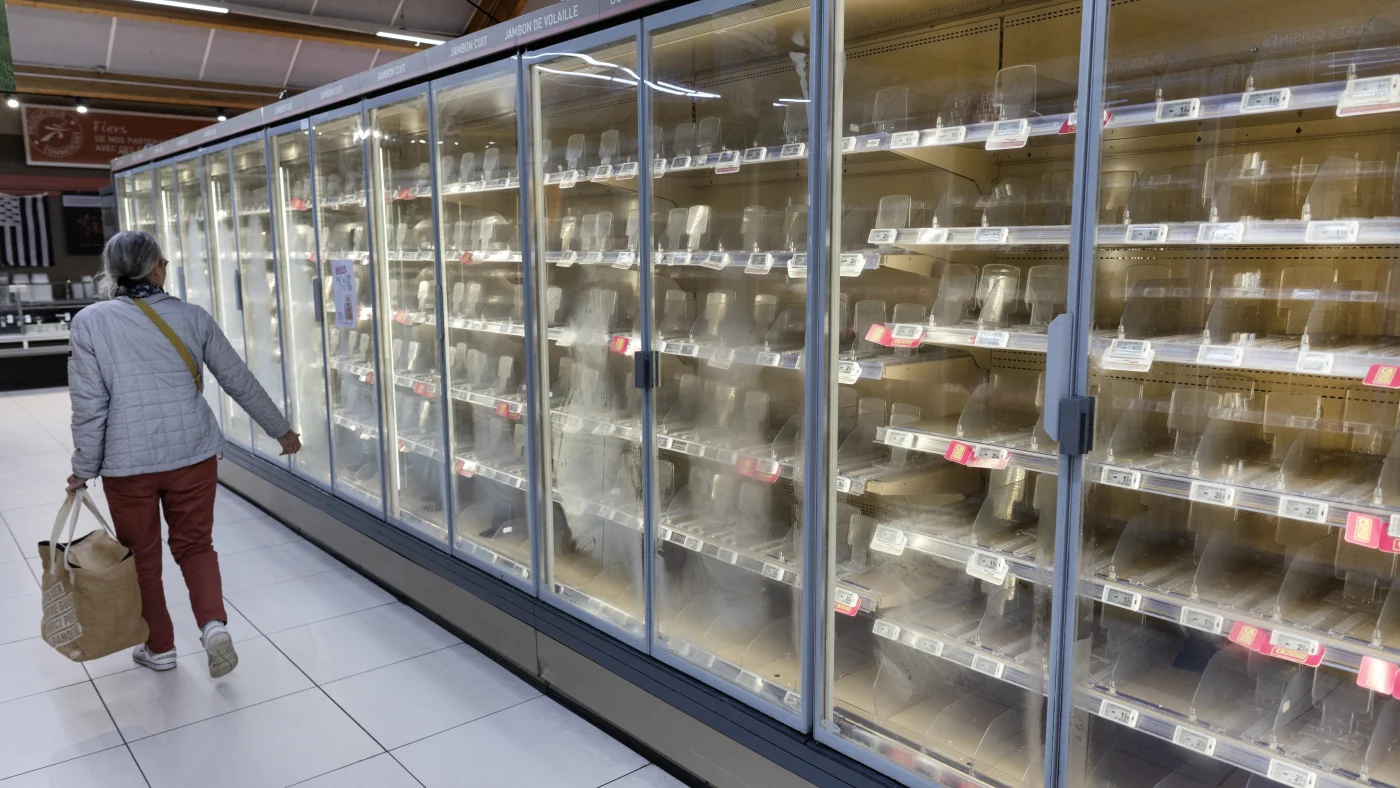
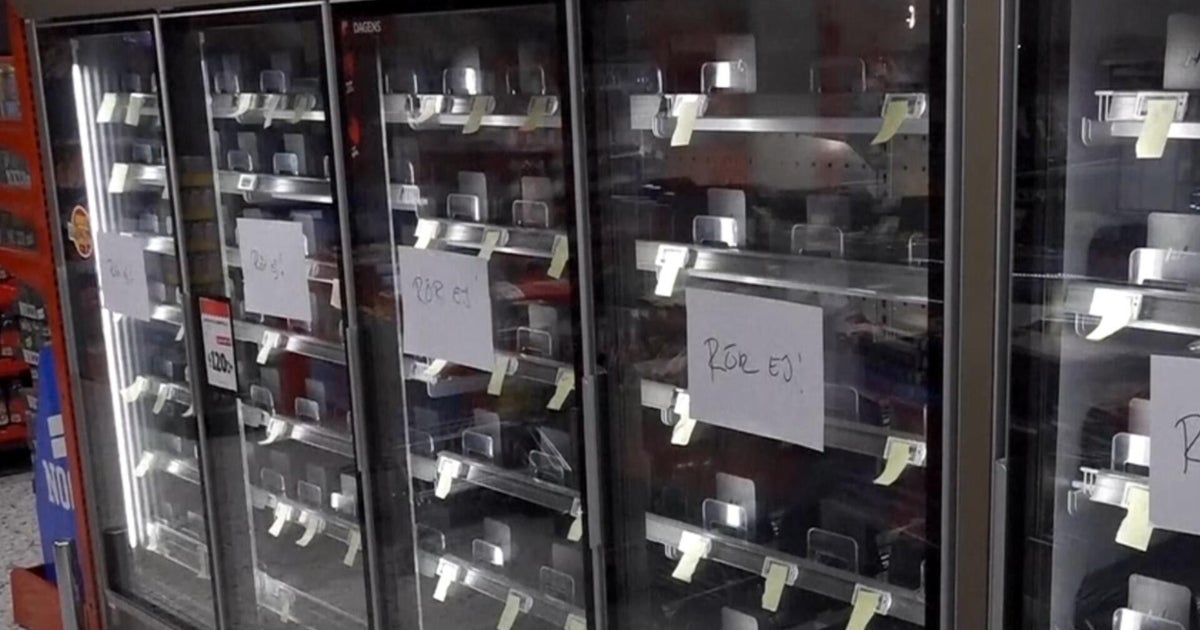
Photo via Daily Mail

So, could Britain's food chain be hit by the cyber hackers targeting supermarket freezers all across Europe?

Read the original at Daily Mail ↗
Cite

Kelly, F. (2026, November 4). So, could Britain's food chain be hit by the cyber hackers targeting supermarket freezers all across Europe? Daily Mail. https://www.dailymail.com/news/article-16263729/So-Britains-food-chain-hit-cyber-hackers-targeting-supermarket-freezers-Europe.html?ns_mchannel=rss&ns_campaign=1490&ito=1490

Dated from the outlet's own feed. Check the original for its byline.

Daily Mail · collected 2026-11-04 · by Fred Kelly

Quick Summary

On October 11, a cyber attack hit refrigeration units in about 700 French supermarkets, causing temperatures to rise as high as 80C, leading to food spoilage worth hundreds of millions of euros. Three weeks later, a second attack affected approximately 100 stores across Europe, impacting countries like Sweden and the Netherlands, with losses estimated in the tens of millions of euros. EU officials expressed concern over the security of the food supply chain, noting that while retail shelves can be restocked quickly due to unaffected processing facilities, the attacks highlight vulnerabilities in everyday internet-connected devices like freezers. Vincent Strubel from France’s cyber security agency ANSSI revealed these recent hacks were enabled by basic software flaws widespread across Europe and Britain's operational technology systems.
Written by AI on 2026-11-04, from this article's own text only (the story summary below draws on all the coverage).
See how they differ ↓

AI analysis

Story summary

On November 2, 2026, temperatures in refrigerators and freezers at dozens of supermarkets across Europe rose sharply overnight due to suspected cyberattacks. In Sweden, operators ICA and Coop reported incidents affecting several stores, with one store blaming the issue on hackers, similar to attacks last month in France where over 150 Intermarché stores were impacted. The latest wave hit countries including Belgium, Estonia, Finland, Germany, Ireland, Italy, Luxembourg, Romania, and the United Kingdom. Hackers increased refrigerator temperatures to 50 degrees Celsius (122°F), causing food spoilage and raising concerns about vulnerabilities in connected systems. Russian hacktivist groups Noname057(16) and Z-Pentest Alliance claimed responsibility on Telegram but their posts were later deleted, leading cybersecurity experts to express skepticism.

Written for “European Supermarket Fridge Hacks” on 2026-11-21, grounded in this article and the 41 other(s) covering the same event.

How they differ

21 outlets covered “European Supermarket Fridge Hacks”.

What each outlet says

One AI summary per outlet of its latest article on this story, written from that article alone and checked against it. Open the article for the outlet's own words.

Daily MailThis outlet4 Nov

On October 11, a cyber attack hit refrigeration units in about 700 French supermarkets, causing temperatures to rise as high as 80C, leading to food spoilage worth hundreds of millions of euros. Three weeks later, a second attack affected approximately 100 stores across Europe, impacting countries like Sweden and the Netherlands, with losses estimated in the tens of millions of euros. EU officials expressed concern…

So, could Britain's food chain be hit by the cyber hackers targeting supermarket freezers all across Europe? (this article)4 articles from Daily Mail on this story
BBC4 Nov

Russian hacktivist groups Noname057(16) and Z-Pentest Alliance claimed responsibility for recent freezer hacks affecting European supermarkets via Telegram posts that were later deleted. Cybersecurity firms are analyzing data from "honeypots" to determine the attackers' identity, with possibilities including Iranian hackers or even pranksters. The attacks involved sophisticated planning and coordination, targeting…

Russian hacktivists say they were behind freezer hacks, but speculation remains →6 articles from BBC on this story
Al Jazeera4 Nov

Hackers disrupted refrigeration systems in supermarkets across Germany, Romania, and the UK on Monday, raising the total number of affected European countries to at least 11. The European Union responded by urging a collective approach to combat these cyberattacks, which have caused significant food spoilage. Officials from Romania played down the severity, suggesting amateurish activity rather than state-sponsored…

EU urges action as Germany, Romania and UK report supermarket cyberattacks →4 articles from Al Jazeera on this story
Evening Standard3 Nov

UK meat suppliers experienced unexpected issues with their refrigeration systems due to a cyber attack that affected software used by supermarkets and food suppliers across Europe. The Association of Independent Meat Suppliers reported that some members noticed fridge temperatures rising up to 100°C, but no food was compromised because the units were empty at the time. The National Cyber Security Centre confirmed it…

UK meat suppliers’ fridges heat up after cyber attacks hit Europe →4 articles from Evening Standard on this story
The Straits Times3 Nov

Britain’s cybersecurity chief warned that a recent hack on supermarket fridges across Europe is indicative of more frequent disruptions to come as outdated technology struggles against advancing hackers. Richard Horne, head of the National Cyber Security Centre (NCSC), stated during a speech on November 3 that these incidents are just beginning and predicted an increase in cyberattacks due to vulnerabilities in…

Supermarket fridge attack is just the start, says UK cybersecurity chief →3 articles from The Straits Times on this story
The Guardian3 Nov

Hackers have raised temperatures in supermarket freezers across Europe, including affecting some meat processing firms in the UK. The National Cyber Security Centre (NCSC) is working with affected companies to mitigate the issue, which has so far had minimal national impact. Attacks involved rising freezer temperatures as high as 50°C and similarities were noted between these incidents and previous operations linked…

UK meat processing firms’ fridges heat up after cyber-attacks in Europe →3 articles from The Guardian on this story
Show 15 more outlets
The Independent3 Nov

Cyberattacks have recently hit refrigeration systems in multiple European countries including Sweden, Belgium, Luxembourg, Ireland, Italy, and Estonia, causing significant food spoilage. In one incident, a Greek butcher shop owner reported that someone remotely raised his refrigeration unit's temperature to 150 degrees Celsius, necessitating two hours for technicians to regain control. The attacks highlight security…

European supermarket fridges got hacked. Again. Here's what to know →3 articles from The Independent on this story
CBS News3 Nov

CBS News International reports that grocery stores throughout Europe have faced significant challenges due to a recent cyberattack, which resulted in large quantities of food spoiling and necessitating extensive restocking efforts. The article does not provide specific dates, locations, or details about the extent of the damage beyond noting the widespread impact on supermarkets across the continent.

New cyberattacks hit supermarket fridges across Europe →2 articles from CBS News on this story
Times of India2 Nov

A suspected cyberattack has disrupted refrigeration systems at supermarkets across Belgium, Estonia, Sweden, and Ireland, causing food spoilage due to elevated temperatures. The incident impacted major chains like Delhaize, Carrefour, ICA, Coop, and SuperValu, with losses estimated in the millions of euros. In Belgium alone, over 50 stores experienced issues; one Delhaize branch discarded €100,000 worth of food…

Fridges hacked, food spoiled: Cyberattack disrupts supermarkets across Europe →
Global News2 Nov

On Monday, supermarkets in Sweden, Belgium, Luxembourg, and Estonia faced issues with their refrigeration systems due to apparent cyberattacks. In Sweden, the ICA Group reported that some stores had to discard food after temperatures reached 50 degrees Celsius (122°F). Delhaize and Coop also experienced disruptions in multiple stores across Belgium and central Sweden, leading to limited availability of fresh and…

Supermarket freezers in 4 European countries hit by apparent cyberattack →
New York Post2 Nov

Supermarkets in Sweden, Belgium, Luxembourg, and Estonia experienced issues with their freezers and refrigerators due to suspected cyberattacks on Monday. In Sweden, the ICA Group reported that some stores had to discard food after temperatures reached 50 degrees Celsius. Similar incidents occurred at other chains like Coop and Delhaize, affecting dozens of stores in Belgium and Luxembourg. The attacks mirrored a…

Freezers at supermarkets in several European countries hit by apparent cyberattacks →
ABC News (AU)2 Nov

Four supermarket chains across Europe experienced IT incidents affecting fridge and freezer temperatures, believed to be cyberattacks. Dutch chain Ahold Delhaize and Belgian Colruyt reported temperature spikes in dozens of stores, while Swedish grocers ICA and Coop noted similar issues. This follows a previous attack in France where hackers raised temperatures up to 50 degrees Celsius in hundreds of supermarkets…

Cyberattack on fridges hits supermarkets across Europe →
Euronews2 Nov

Across several European countries, including Belgium, Sweden, the Netherlands, Estonia, Luxembourg, and Ireland, supermarket refrigeration systems have been hit by a suspected cyberattack, causing fridges and freezers to malfunction and potentially jeopardizing hundreds of thousands of euros worth of food. In Belgium alone, dozens of stores from major chains like Delhaize, Carrefour, and Intermarché experienced…

Fridges stand empty in Belgian supermarkets after cyberattack →
South China Morning Post2 Nov

Supermarket refrigeration systems across multiple European countries including Belgium and Sweden were targeted by a cyberattack on Monday, causing temperatures to spike significantly. Stores like Ahold Delhaize and Colruyt in Belgium and Luxembourg, along with ICA and Coop in Sweden, reported issues where freezer temperatures reached 50 degrees Celsius (122 degrees Fahrenheit). The incident is reminiscent of a…

Supermarket fridges in Europe hit by new cyberattack: ‘everything is destroyed’ →
NBC News2 Nov

Monday saw a new wave of cyberattacks targeting refrigeration systems at supermarkets across Europe, including Sweden, the Netherlands, Belgium, Ireland, Luxembourg, and Estonia. These incidents caused temperature spikes and spoiled food, following similar attacks last month in France where temperatures reached up to 122 degrees Fahrenheit. Authorities have not identified the perpetrators or received any claims of…

Supermarkets across Europe hit by new fridge cyberattacks →
Dawn2 Nov

On Monday, grocery stores in Belgium, Estonia, Finland, Luxembourg, and Sweden experienced disruptions to their refrigeration systems due to a cyberattack. This follows a similar incident in France three weeks prior, where hundreds of stores were affected. In Belgium, major chains like Carrefour, Delhaize, Colruyt, and Intermarché reported issues, with some throwing out spoiled food. Swedish chain Coop confirmed…

Fridge cyberattack hits supermarkets across Europe →
ABC News (US)2 Nov

Grocery chains across several European countries have reported apparent cyberattacks that altered temperature settings of refrigeration systems, leading to food spoilage. Stores in Belgium, Sweden, Ireland, the Netherlands, and Estonia were affected, with some companies confirming issues at a small number of locations. For example, Swedish stores ICA and Coop had incidents affecting seven out of over 800 Coop…

European grocery chains' freezers, refrigerators targeted in apparent cyberattacks →
CBC2 Nov

A recent cyberattack hit supermarket refrigeration systems across Europe, affecting stores in Sweden, Belgium, Luxembourg, and impacting ICA, Coop, Ahold Delhaize, Colruyt, and Ikea. The attack raised temperatures inside the units to 50 degrees Celsius, spoiling food and causing significant losses. This incident follows a similar attack in France last month that also damaged refrigeration systems at hundreds of…

Another cyberattack on supermarket fridges sweeps Europe, leaving food spoiled →
NPR3 Nov

Hackers linked to Iran’s military, operating under the name Cyber Isnaad Front, carried out a multi-pronged cyberattack on an Israeli food production plant in May, disrupting operations and damaging refrigeration systems. This attack followed similar incidents targeting refrigeration controllers globally, affecting U.S. military bases, French supermarkets, and stores across Europe, including Sweden, Estonia…

A new cold war: hackers target fridges across the globe →
Toronto Star3 Nov

Cyberattacks have caused refrigeration systems in supermarkets across several European countries including Sweden, Belgium, Luxembourg, Ireland, Italy, and Estonia to malfunction, leading to significant food spoilage. The incidents involve hackers remotely increasing the temperature settings on fridges and freezers, with some reaching extreme temperatures like 50 degrees Celsius (122 Fahrenheit) or higher. These…

European supermarket fridges got hacked. Again. Here's what to know →
The Hindu4 Nov

In October, 150 Intermarche stores in France experienced a cyberattack that caused their refrigeration systems to malfunction severely, operating at dangerously high temperatures of 50 degrees Celsius. This incident was followed by similar attacks affecting supermarkets in ten other European countries just three weeks later. The article explores how the design and vulnerabilities within supermarket IT infrastructure…

Spoiled by design: How supermarkets became targets of cyberattacks →

Where they agree and split

Agreed

AI · cited, from two or more outlets

  • The temperature settings in affected refrigeration and freezer units were increased to as high as 50 degrees Celsius (122 degrees Fahrenheit), resulting in food spoilage.23
Quoted from the coverage (2)

Additionally, Carrefour Belgium reported on Monday morning that fifteen of its stores have been affected so far.

4 outlets

Supermarkets have reported problems in Belgium, Estonia, Finland, Ireland, Italy, Luxembourg, the Netherlands, Portugal and Sweden, and the significant increase in freezer temperatures has forced retailers to discard food.

4 outlets

Framing

How the first headlines put it

Stated as fact17
The headlines (17)

Temperature soars at Swedish grocery store freezers, one store blames hackers The Straits Times · stated as fact

Cyber attackers defrost freezers in Swedish and Belgian supermarkets weeks after similar attack that cost shops millions in France Daily Mail · stated as fact

Supermarket freezers across Europe hit by second suspected cyber-attack The Guardian · stated as fact

Supermarket freezers in Belgium and Sweden hit by suspected cyber-attack BBC · stated as fact

Freezers in Sweden, Belgium overheat following possible cyberattacks Al Jazeera · stated as fact

More European grocery stores hit by apparent fridge-freezer hacks CBS News · stated as fact

Supermarkets across Europe hit by suspected cyber attack as fridges turned up The Independent · stated as fact

Fridges hacked, food spoiled: Cyberattack disrupts supermarkets across Europe Times of India · stated as fact

Supermarket freezers in 4 European countries hit by apparent cyberattack Global News · stated as fact

Freezers at supermarkets in several European countries hit by apparent cyberattacks New York Post · stated as fact

Cyberattack on fridges hits supermarkets across Europe ABC News (Australia) · stated as fact

Fridges stand empty in Belgian supermarkets after cyberattack Euronews · stated as fact

Supermarket fridges in Europe hit by new cyberattack: ‘everything is destroyed’ South China Morning Post · stated as fact

Supermarkets across Europe hit by new fridge cyberattacks NBC News · stated as fact

Fridge cyberattack hits supermarkets across Europe Dawn · stated as fact

European grocery chains' freezers, refrigerators targeted in apparent cyberattacks ABC News · stated as fact

Another cyberattack on supermarket fridges sweeps Europe, leaving food spoiled CBC · stated as fact

Words to watch (1)

Supermarket fridges in Europe hit by new cyberattack: ‘everything is destroyed’ South China Morning Post

The full story: what happened, how it changed, and all 42 articles →

Compared with similar articles

This article reads unscored and hedges 11% of its claims. Each row says how that neighbour differs.
BBC News
Hedges 5 of 29 claims Outlet record 65/100
NPR
Hedges 21 of 111 claims Outlet record 60/100
“The articles describe different cyber attacks affecting refrigeration units in different countries (Israel and France).”
Al Jazeera
Hedges 0 of 2 claims Outlet record 60/100
The Guardian
Hedges 0 of 1 claims Outlet record 64/100
CBS News
Hedges 0 of 2 claims Outlet record 66/100
BBC News
Hedges 11 of 29 claims Outlet record 65/100
Daily Mail
Hedges 2 of 26 claims Outlet record 69/100
“Article A reports on a warning by the UK's cybersecurity boss about food firms being hit in the aftermath of an attack, while Article B describes the initial cyber attack that occurred in French supermarkets.”
The Guardian
Hedges 2 of 22 claims Outlet record 64/100
“Article A describes UK meat processing firms being affected after cyber-attacks in Europe, while Article B focuses on the initial and severe impact of those attacks specifically on French supermarkets.”
Evening Standard
Hedges 3 of 29 claims Outlet record 64/100
“The articles describe different impacts and locations of cyber attacks on refrigeration systems: one focuses on UK meat suppliers with minimal food impact, while the other details a severe incident in French supermarkets.”
Daily Mail
Hedges 4 of 21 claims Outlet record 69/100
“Article A describes a cyber attack on supermarket refrigeration units, while Article B discusses an MP's warning about potential attacks on NHS blood banks following incidents in France.”

Story

European Supermarket Fridge Hacks
Technology · 42 article(s) covering the same event. Compare every outlet's account →
How this article was measured signals, leaning charts, publisher record, byline, topics and claims

Signals How these are calculated →

Claims extracted
64
sentences that state something as happening or true
Uncertain
11%
7 of 64 hedged ("reportedly", "may", "according to")
Leaning
not political
takes no side on a contested political question
Publisher signals
69/100
Daily Mail's corrections and hedging, across everything collected from it. Not a measure of accuracy.
Outlets on this story
42
Technology
Same framing elsewhere
1
articles that frame the event the way this one does
Analyzed 2026-11-04 · how these are computed

How this is being covered How these are calculated →

Article leaning vs. publisher reliability
Source leaning vs. consistency

Publisher

Daily Mail · 12264 article(s) · 25 correction(s) detected
Running correction rate · 25 correction(s)

Who wrote this

Fred Kelly
10 article(s) here · 1 carrying a prediction
Prince Harry made an unannounced appearance at the Brackley Town Remembrance Service yesterday afternoon King Charles salutes during the Remembrance Sunday service in Whitehall yesterday Charles, Princess Anne and Prince William during the National Service Of Remembrance yesterday William joins his father at the Remembrance ceremony in London yesterday afternoon Queen Camilla and the Princess of Wales watch on from the balcony of the Foreign Office yesterday morning The royal party were the first to lay wreaths beneath the 'empty tomb' memorial, followed by Andy Burnham, who paid his respects under the gaze of a record nine former prime ministers, including six who have governed within the past decade.
That being so, could these hacks be anything other than an unprecedented act of state-sponsored ‘shadow warfare’?
Further investigation found the door to his flat was unlocked and could easily have been opened by simply turning the handle.
He had been assured it would make him a millionaire.
A party donor, Lorenzo bent the ear of anyone who would listen to him talk about the migrant issue.
They say an old soldier never dies but my father would be turning in his grave if he saw what was happening in this country.
Members of the parish council told how they have been approached by hundreds of other British villages for advice on how to replicate the campaign, sparking speculation that such referendums could spread across the country.
Also by Fred Kelly
Nothing else under this byline is closely related to this article, so these are simply their most recent.
All 10 articles by Fred Kelly →

Topics

Carrefour Cooperative U French Intermarche Sweden

Subjects

NCSC ORG · 3× Sweden GPE · 3× British NORP · 2× French NORP · 2× Belgium GPE · 1× Carrefour ORG · 1× Cooperative U ORG · 1× Intermarche ORG · 1× Monoprix ORG · 1× Netto ORG · 1×

Narrative

Chilled and frozen food worth tens of millions of euros was ruined: in some cases it had been stored as low as minus 27C before the units were heated to more than 50C. EU agriculture and food commissioner Christophe Hansen described the second attack as a ‘deliberate attempt to disrupt our food supply-chain’. The attacks across Europe led to shortages in supermarkets and empty shelves.
framing: assertive · carried by 1 article(s) · first seen 2026-11-04
That being so, could these hacks be anything other than an unprecedented act of state-sponsored ‘shadow warfare’?

Claims (64 extracted, 7 hedged)

And finally, the sight of desperate supermarket workers shovelling armfuls of spoiled food into black bin bags. asserted
workers → shovel → bags
On Sunday October 11, French supermarkets were hit by an unprecedented cyber attack on refrigeration units across 700 stores. asserted
supermarkets → hit → stores
In the worst-affected shops, freezer temperatures reached 80C, equivalent to a typical sauna, and small fires broke out as plastic and cardboard packaging ignited. asserted
packaging → affect → sauna
Supermarket behemoth Cooperative U was among the worst hit, with about 5 per cent of its 2,000 stores affected. asserted
cent → hit → stores
Other chains caught up in the attack included Carrefour, Intermarche, Monoprix and Netto. asserted
chains → catch → Carrefour
Food worth hundreds of millions of euros had to be discarded. asserted
Food → have → euros
The attack made global headlines, but it was only the beginning. asserted
it → make → headlines
For, just three weeks later, on Monday, a second cyber attack targeted refrigeration systems in about 100 stores across Europe, including in Sweden, Belgium, Ireland, Finland, Luxembourg and the Netherlands. asserted
attack → target → Sweden
Chilled and frozen food worth tens of millions of euros was ruined: in some cases it had been stored as low as minus 27C before the units were heated to more than 50C. EU agriculture and food commissioner Christophe Hansen described the second attack as a ‘deliberate attempt to disrupt our food supply-chain’. The attacks across Europe led to shortages in supermarkets and empty shelves. asserted
attacks → chill → supermarkets
Thankfully, the attacks did not affect refrigeration at the larger processing or storage facilities used by supermarkets, meaning retail shelves can be fully restocked promptly. asserted
shelves → affect → supermarkets
However, the glaring shortages have done nothing to assuage concerns over supply chain readiness at the same time as European governments urge their citizens to stockpile for emergencies. asserted
governments → do → emergencies
Just last week Defence Secretary Wes Streeting told the British public to hoard enough supplies for 72 hours. asserted
Streeting → tell → hours
Other countries have been even more draconian including Sweden whose authorities tell residents to be self-sufficient for up to a week. asserted
authorities → include → week
Freezers are emptied, and frozen goods are loaded into shopping carts to be thrown away at ICA Kvantum in Sjobo, Sweden after a hacker raised the temperature in the freezers asserted
hacker → empty → freezers
while supermarket shelves have for now returned to normal, it has since emerged that far from being a sophisticated hack along the lines of last week’s multi-billion-pound cryptocurrency heist believed to have been orchestrated by North Korea, the recent attacks were made possible by ‘basic security flaws’ in computer software, according to the head of the French cyber security agency ANSSI, Vincent Strubel. uncertain
attacks → return → agency
Alarmingly, such flaws are thought to be widespread across Europe and Britain’s ‘operational technology’: everyday items used by large businesses, including fridges and fire alarms, that are connected to the internet but are not prioritised for cyber-protection. asserted
that → think → protection
AI has made exposing such security failings infinitely easier and quicker. asserted
exposing → make → failings
No group has claimed responsibility for the recent attacks and no ransom has been sought, which appears to rule out criminal gangs. asserted
which → claim → gangs
That being so, could these hacks be anything other than an unprecedented act of state-sponsored ‘shadow warfare’? uncertain
hacks → sponsor → warfare
In its annual ‘cyber security review’, published yesterday, the National Cyber Security Centre (NCSC), part of GCHQ, warned: ‘By 2028, it is highly likely China, Russia and other nation states will routinely use AI cyber to achieve their geopolitical goals, with the UK facing an increase in scale and speed of sophisticated cyber attacks.’ asserted
UK → publish → attacks
This year alone, the NCSC has recorded at least 1,831 cyber-attacks on British companies, organisations or infrastructure, 80 of which were of ‘national significance’. asserted
80 → record → significance
Yesterday it emerged that the UK’s meat-processing industry is in the midst of one such attack and that teams from the NCSC had worked through the night to alert affected firms to the crisis. But how much do we really know about the recent attacks? asserted
we → emerge → attacks
And, crucially, could this be the start of a prolonged cyber campaign against Western Europe, including Britain? uncertain
this → include → Britain
Like so much modern technology, supermarket refrigeration units are connected to the internet so that they can be controlled and monitored remotely, often by a single technician supervising multiple stores simultaneously. asserted
they → connect → stores
Getting access may have been easy. uncertain
Getting → get → access
Many of these systems are believed to have been secured under ‘default credentials’: preset passwords such as ‘admin’ or ‘1234’ that are listed in instruction manuals that can be freely downloaded online. asserted
that → believe → manuals
‘It’s a preconfigured password,’ explains Daniel Des Santos, vice president of research at cyber security firm Forescout. asserted
Santos → ’ → Forescout
‘It’s not a matter of guessing: they’re publicly available.’ asserted
they → ’ → ?
Once inside, the hackers were able put the units into ‘defrost’ mode, rapidly increasing the temperatures. asserted
hackers → put → temperatures
The hackers appear to have locked the supermarkets out of their own systems, with the head of one affected store in southern Sweden revealing: ‘We can’t adjust the temperatures... asserted
We → appear → temperatures
Hot air is blowing into the freezers. asserted
air → blow → freezers
Everything is ruined.’ asserted
Everything → ruin → ?
A customer looks at an empty refrigerator at a SuperValu supermarket in Ireland, also hit by the cyber-attack Order was restored only once the refrigeration systems had been disconnected from the digital network and operated manually. asserted
systems → look → network
‘People traditionally think about laptops and smartphones being connected to the internet,’ Dos Santos explains. asserted
Santos → think → internet
‘But there are numerous other devices also connected, including refrigeration systems, door locks, fire alarms, security cameras – the list goes on. asserted
list → be → systems
And ever since the war in Ukraine, we have noticed an increase in attacks against these sorts of devices. asserted
we → notice → devices
It’s not difficult to see why refrigeration units were an appealing target. asserted
units → ’ → ?
Empty supermarket shelves impact on the public directly and are a glaring sign of supply-chain vulnerability. asserted
shelves → impact → vulnerability
But perhaps more importantly, these systems were low-hanging fruit: as explained, the security on the units was often exceptionally poor. asserted
security → hang → units
‘This attack was enabled by very poor security design, not high-end exploitation,’ James Lyne, CEO of leading cybersecurity organisation The SANS Institute told the Daily Mail. asserted
Lyne → enable → Mail
…and 24 more, not listed.
Give feedback · no sign-in needed

No sign-in needed for now. Your note is sent without a name, so it cannot be answered.

History Support