Photo via BBC News

Russian hacktivists say they were behind freezer hacks, but speculation remains

Read the original at BBC News ↗
Cite

Tidy, J. (2026, November 4). Russian hacktivists say they were behind freezer hacks, but speculation remains. BBC News. https://www.bbc.co.uk/news/articles/c8vgxyvz6y9ro?at_medium=RSS&at_campaign=rss

Dated from the outlet's own feed. Check the original for its byline.

BBC News · collected 2026-11-04 · by Joe Tidy

Quick Summary

Russian hacktivist groups Noname057(16) and Z-Pentest Alliance claimed responsibility for recent freezer hacks affecting European supermarkets via Telegram posts that were later deleted. Cybersecurity firms are analyzing data from "honeypots" to determine the attackers' identity, with possibilities including Iranian hackers or even pranksters. The attacks involved sophisticated planning and coordination, targeting devices based on known vulnerabilities and public IP addresses.
Written by AI on 2026-11-04, from this article's own text only (the story summary below draws on all the coverage).
See how they differ ↓

AI analysis

Story summary

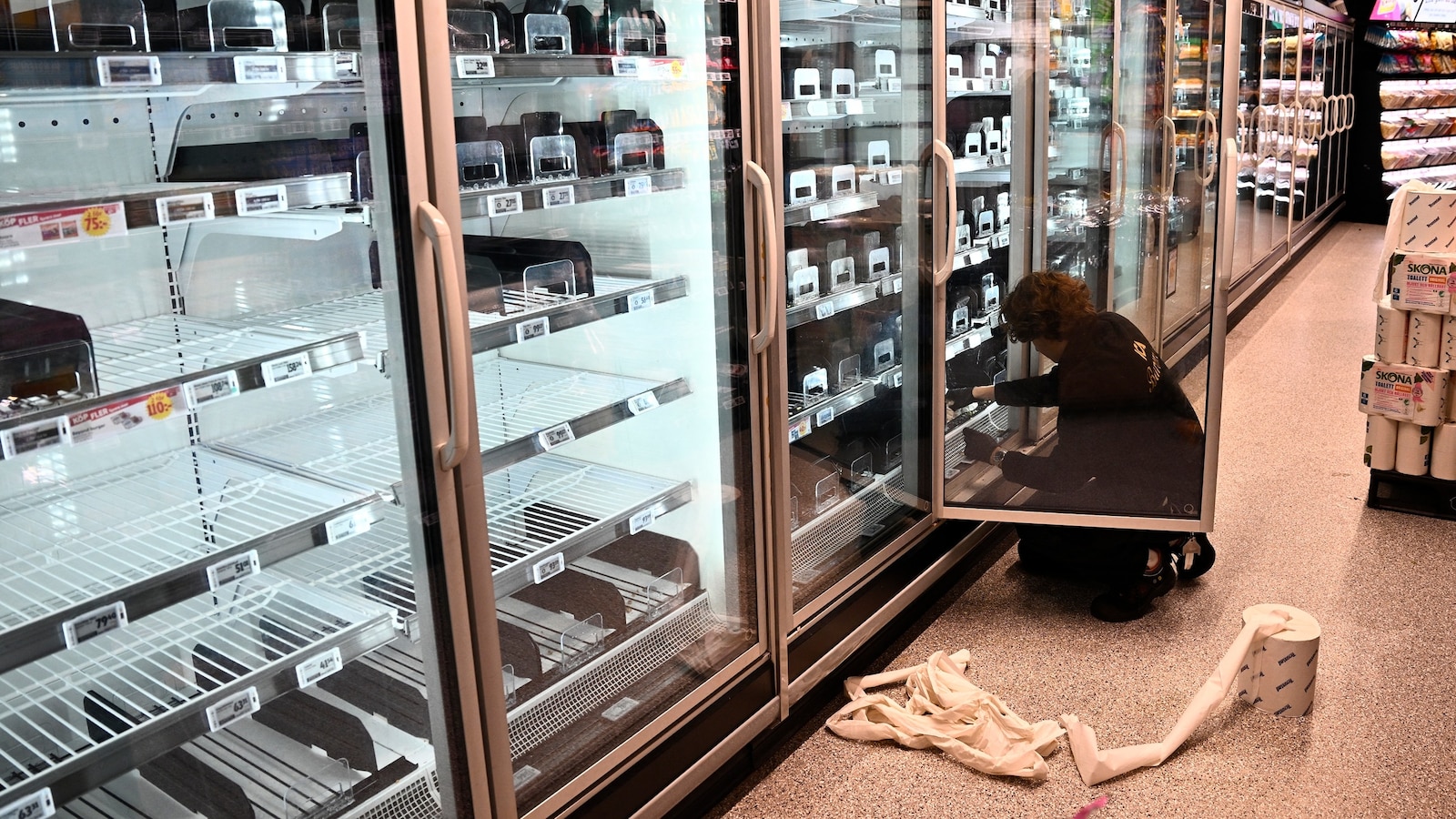
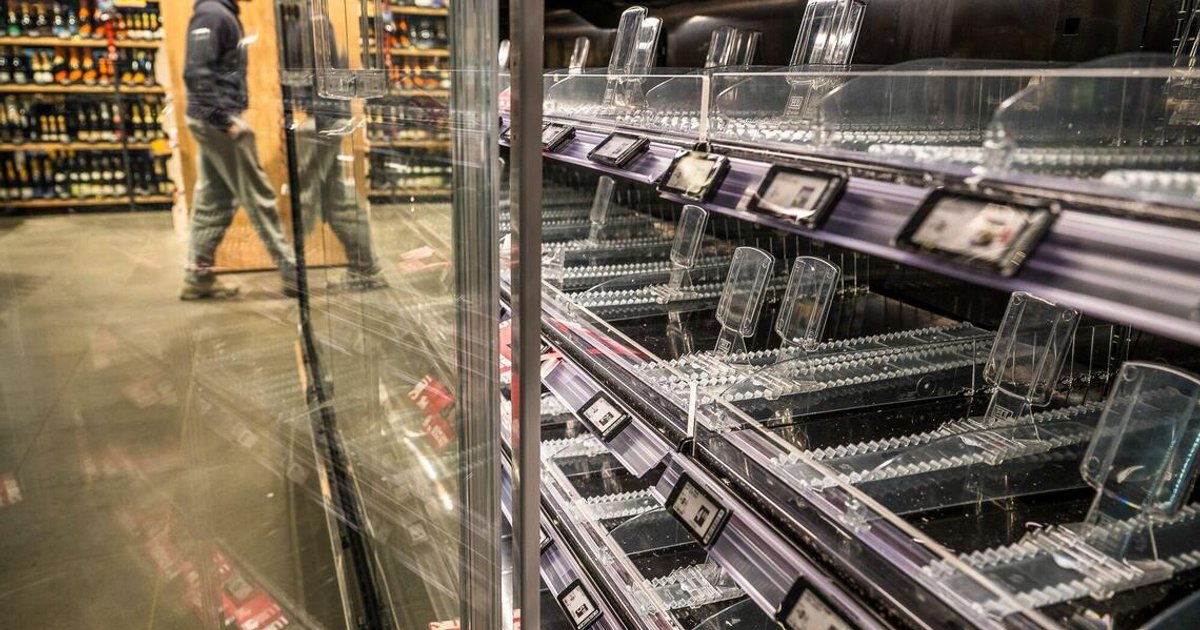
On November 2, 2026, temperatures in refrigerators and freezers at dozens of supermarkets across Europe rose sharply overnight due to suspected cyberattacks. In Sweden, operators ICA and Coop reported incidents affecting several stores, with one store blaming the issue on hackers, similar to attacks last month in France where over 150 Intermarché stores were impacted. The latest wave hit countries including Belgium, Estonia, Finland, Germany, Ireland, Italy, Luxembourg, Romania, and the United Kingdom. Hackers increased refrigerator temperatures to 50 degrees Celsius (122°F), causing food spoilage and raising concerns about vulnerabilities in connected systems. Russian hacktivist groups Noname057(16) and Z-Pentest Alliance claimed responsibility on Telegram but their posts were later deleted, leading cybersecurity experts to express skepticism.

Written for “European Supermarket Fridge Hacks” on 2026-11-20, grounded in this article and the 41 other(s) covering the same event.

How they differ

21 outlets covered “European Supermarket Fridge Hacks”.

What each outlet says

One AI summary per outlet of its latest article on this story, written from that article alone and checked against it. Open the article for the outlet's own words.

BBCThis outlet4 Nov

Russian hacktivist groups Noname057(16) and Z-Pentest Alliance claimed responsibility for recent freezer hacks affecting European supermarkets via Telegram posts that were later deleted. Cybersecurity firms are analyzing data from "honeypots" to determine the attackers' identity, with possibilities including Iranian hackers or even pranksters. The attacks involved sophisticated planning and coordination, targeting…

Russian hacktivists say they were behind freezer hacks, but speculation remains (this article)6 articles from BBC on this story
Daily Mail4 Nov

On October 11, a cyber attack hit refrigeration units in about 700 French supermarkets, causing temperatures to rise as high as 80C, leading to food spoilage worth hundreds of millions of euros. Three weeks later, a second attack affected approximately 100 stores across Europe, impacting countries like Sweden and the Netherlands, with losses estimated in the tens of millions of euros. EU officials expressed concern…

So, could Britain's food chain be hit by the cyber hackers targeting supermarket freezers all across Europe? →4 articles from Daily Mail on this story
Al Jazeera4 Nov

Hackers disrupted refrigeration systems in supermarkets across Germany, Romania, and the UK on Monday, raising the total number of affected European countries to at least 11. The European Union responded by urging a collective approach to combat these cyberattacks, which have caused significant food spoilage. Officials from Romania played down the severity, suggesting amateurish activity rather than state-sponsored…

EU urges action as Germany, Romania and UK report supermarket cyberattacks →4 articles from Al Jazeera on this story
Evening Standard3 Nov

UK meat suppliers experienced unexpected issues with their refrigeration systems due to a cyber attack that affected software used by supermarkets and food suppliers across Europe. The Association of Independent Meat Suppliers reported that some members noticed fridge temperatures rising up to 100°C, but no food was compromised because the units were empty at the time. The National Cyber Security Centre confirmed it…

UK meat suppliers’ fridges heat up after cyber attacks hit Europe →4 articles from Evening Standard on this story
The Straits Times3 Nov

Britain’s cybersecurity chief warned that a recent hack on supermarket fridges across Europe is indicative of more frequent disruptions to come as outdated technology struggles against advancing hackers. Richard Horne, head of the National Cyber Security Centre (NCSC), stated during a speech on November 3 that these incidents are just beginning and predicted an increase in cyberattacks due to vulnerabilities in…

Supermarket fridge attack is just the start, says UK cybersecurity chief →3 articles from The Straits Times on this story
The Guardian3 Nov

Hackers have raised temperatures in supermarket freezers across Europe, including affecting some meat processing firms in the UK. The National Cyber Security Centre (NCSC) is working with affected companies to mitigate the issue, which has so far had minimal national impact. Attacks involved rising freezer temperatures as high as 50°C and similarities were noted between these incidents and previous operations linked…

UK meat processing firms’ fridges heat up after cyber-attacks in Europe →3 articles from The Guardian on this story
Show 15 more outlets
The Independent3 Nov

Cyberattacks have recently hit refrigeration systems in multiple European countries including Sweden, Belgium, Luxembourg, Ireland, Italy, and Estonia, causing significant food spoilage. In one incident, a Greek butcher shop owner reported that someone remotely raised his refrigeration unit's temperature to 150 degrees Celsius, necessitating two hours for technicians to regain control. The attacks highlight security…

European supermarket fridges got hacked. Again. Here's what to know →3 articles from The Independent on this story
CBS News3 Nov

CBS News International reports that grocery stores throughout Europe have faced significant challenges due to a recent cyberattack, which resulted in large quantities of food spoiling and necessitating extensive restocking efforts. The article does not provide specific dates, locations, or details about the extent of the damage beyond noting the widespread impact on supermarkets across the continent.

New cyberattacks hit supermarket fridges across Europe →2 articles from CBS News on this story
Times of India2 Nov

A suspected cyberattack has disrupted refrigeration systems at supermarkets across Belgium, Estonia, Sweden, and Ireland, causing food spoilage due to elevated temperatures. The incident impacted major chains like Delhaize, Carrefour, ICA, Coop, and SuperValu, with losses estimated in the millions of euros. In Belgium alone, over 50 stores experienced issues; one Delhaize branch discarded €100,000 worth of food…

Fridges hacked, food spoiled: Cyberattack disrupts supermarkets across Europe →
Global News2 Nov

On Monday, supermarkets in Sweden, Belgium, Luxembourg, and Estonia faced issues with their refrigeration systems due to apparent cyberattacks. In Sweden, the ICA Group reported that some stores had to discard food after temperatures reached 50 degrees Celsius (122°F). Delhaize and Coop also experienced disruptions in multiple stores across Belgium and central Sweden, leading to limited availability of fresh and…

Supermarket freezers in 4 European countries hit by apparent cyberattack →
New York Post2 Nov

Supermarkets in Sweden, Belgium, Luxembourg, and Estonia experienced issues with their freezers and refrigerators due to suspected cyberattacks on Monday. In Sweden, the ICA Group reported that some stores had to discard food after temperatures reached 50 degrees Celsius. Similar incidents occurred at other chains like Coop and Delhaize, affecting dozens of stores in Belgium and Luxembourg. The attacks mirrored a…

Freezers at supermarkets in several European countries hit by apparent cyberattacks →
ABC News (AU)2 Nov

Four supermarket chains across Europe experienced IT incidents affecting fridge and freezer temperatures, believed to be cyberattacks. Dutch chain Ahold Delhaize and Belgian Colruyt reported temperature spikes in dozens of stores, while Swedish grocers ICA and Coop noted similar issues. This follows a previous attack in France where hackers raised temperatures up to 50 degrees Celsius in hundreds of supermarkets…

Cyberattack on fridges hits supermarkets across Europe →
Euronews2 Nov

Across several European countries, including Belgium, Sweden, the Netherlands, Estonia, Luxembourg, and Ireland, supermarket refrigeration systems have been hit by a suspected cyberattack, causing fridges and freezers to malfunction and potentially jeopardizing hundreds of thousands of euros worth of food. In Belgium alone, dozens of stores from major chains like Delhaize, Carrefour, and Intermarché experienced…

Fridges stand empty in Belgian supermarkets after cyberattack →
South China Morning Post2 Nov

Supermarket refrigeration systems across multiple European countries including Belgium and Sweden were targeted by a cyberattack on Monday, causing temperatures to spike significantly. Stores like Ahold Delhaize and Colruyt in Belgium and Luxembourg, along with ICA and Coop in Sweden, reported issues where freezer temperatures reached 50 degrees Celsius (122 degrees Fahrenheit). The incident is reminiscent of a…

Supermarket fridges in Europe hit by new cyberattack: ‘everything is destroyed’ →
NBC News2 Nov

Monday saw a new wave of cyberattacks targeting refrigeration systems at supermarkets across Europe, including Sweden, the Netherlands, Belgium, Ireland, Luxembourg, and Estonia. These incidents caused temperature spikes and spoiled food, following similar attacks last month in France where temperatures reached up to 122 degrees Fahrenheit. Authorities have not identified the perpetrators or received any claims of…

Supermarkets across Europe hit by new fridge cyberattacks →
Dawn2 Nov

On Monday, grocery stores in Belgium, Estonia, Finland, Luxembourg, and Sweden experienced disruptions to their refrigeration systems due to a cyberattack. This follows a similar incident in France three weeks prior, where hundreds of stores were affected. In Belgium, major chains like Carrefour, Delhaize, Colruyt, and Intermarché reported issues, with some throwing out spoiled food. Swedish chain Coop confirmed…

Fridge cyberattack hits supermarkets across Europe →
ABC News (US)2 Nov

Grocery chains across several European countries have reported apparent cyberattacks that altered temperature settings of refrigeration systems, leading to food spoilage. Stores in Belgium, Sweden, Ireland, the Netherlands, and Estonia were affected, with some companies confirming issues at a small number of locations. For example, Swedish stores ICA and Coop had incidents affecting seven out of over 800 Coop…

European grocery chains' freezers, refrigerators targeted in apparent cyberattacks →
CBC2 Nov

A recent cyberattack hit supermarket refrigeration systems across Europe, affecting stores in Sweden, Belgium, Luxembourg, and impacting ICA, Coop, Ahold Delhaize, Colruyt, and Ikea. The attack raised temperatures inside the units to 50 degrees Celsius, spoiling food and causing significant losses. This incident follows a similar attack in France last month that also damaged refrigeration systems at hundreds of…

Another cyberattack on supermarket fridges sweeps Europe, leaving food spoiled →
NPR3 Nov

Hackers linked to Iran’s military, operating under the name Cyber Isnaad Front, carried out a multi-pronged cyberattack on an Israeli food production plant in May, disrupting operations and damaging refrigeration systems. This attack followed similar incidents targeting refrigeration controllers globally, affecting U.S. military bases, French supermarkets, and stores across Europe, including Sweden, Estonia…

A new cold war: hackers target fridges across the globe →
Toronto Star3 Nov

Cyberattacks have caused refrigeration systems in supermarkets across several European countries including Sweden, Belgium, Luxembourg, Ireland, Italy, and Estonia to malfunction, leading to significant food spoilage. The incidents involve hackers remotely increasing the temperature settings on fridges and freezers, with some reaching extreme temperatures like 50 degrees Celsius (122 Fahrenheit) or higher. These…

European supermarket fridges got hacked. Again. Here's what to know →
The Hindu4 Nov

In October, 150 Intermarche stores in France experienced a cyberattack that caused their refrigeration systems to malfunction severely, operating at dangerously high temperatures of 50 degrees Celsius. This incident was followed by similar attacks affecting supermarkets in ten other European countries just three weeks later. The article explores how the design and vulnerabilities within supermarket IT infrastructure…

Spoiled by design: How supermarkets became targets of cyberattacks →

Where they agree and split

Agreed

AI · cited, from two or more outlets

  • The temperature settings in affected refrigeration and freezer units were increased to as high as 50 degrees Celsius (122 degrees Fahrenheit), resulting in food spoilage.23
Quoted from the coverage (2)

Additionally, Carrefour Belgium reported on Monday morning that fifteen of its stores have been affected so far.

4 outlets

Supermarkets have reported problems in Belgium, Estonia, Finland, Ireland, Italy, Luxembourg, the Netherlands, Portugal and Sweden, and the significant increase in freezer temperatures has forced retailers to discard food.

4 outlets

Framing

How the first headlines put it

Stated as fact17
The headlines (17)

Temperature soars at Swedish grocery store freezers, one store blames hackers The Straits Times · stated as fact

Cyber attackers defrost freezers in Swedish and Belgian supermarkets weeks after similar attack that cost shops millions in France Daily Mail · stated as fact

Supermarket freezers across Europe hit by second suspected cyber-attack The Guardian · stated as fact

Supermarket freezers in Belgium and Sweden hit by suspected cyber-attack BBC · stated as fact

Freezers in Sweden, Belgium overheat following possible cyberattacks Al Jazeera · stated as fact

More European grocery stores hit by apparent fridge-freezer hacks CBS News · stated as fact

Supermarkets across Europe hit by suspected cyber attack as fridges turned up The Independent · stated as fact

Fridges hacked, food spoiled: Cyberattack disrupts supermarkets across Europe Times of India · stated as fact

Supermarket freezers in 4 European countries hit by apparent cyberattack Global News · stated as fact

Freezers at supermarkets in several European countries hit by apparent cyberattacks New York Post · stated as fact

Cyberattack on fridges hits supermarkets across Europe ABC News (Australia) · stated as fact

Fridges stand empty in Belgian supermarkets after cyberattack Euronews · stated as fact

Supermarket fridges in Europe hit by new cyberattack: ‘everything is destroyed’ South China Morning Post · stated as fact

Supermarkets across Europe hit by new fridge cyberattacks NBC News · stated as fact

Fridge cyberattack hits supermarkets across Europe Dawn · stated as fact

European grocery chains' freezers, refrigerators targeted in apparent cyberattacks ABC News · stated as fact

Another cyberattack on supermarket fridges sweeps Europe, leaving food spoiled CBC · stated as fact

Words to watch (1)

Supermarket fridges in Europe hit by new cyberattack: ‘everything is destroyed’ South China Morning Post

The full story: what happened, how it changed, and all 42 articles →

Compared with similar articles

This article reads unscored and hedges 38% of its claims. Each row says how that neighbour differs.
BBC News
Hedges 5 of 29 claims Outlet record 65/100
Daily Mail
Hedges 2 of 24 claims Outlet record 69/100
“Article A reports on the immediate impact of cyberattacks on supermarkets in Sweden and Belgium, while Article B discusses speculative claims by Russian hacktivist groups about being behind similar attacks, including the one described in Article A.”
The Guardian
Hedges 0 of 16 claims Outlet record 64/100
Al Jazeera
Hedges 0 of 11 claims Outlet record 60/100
Global News
Hedges 0 of 15 claims Outlet record 63/100
ABC News (US)
Hedges 5 of 13 claims Outlet record 67/100
The Guardian
Hedges 0 of 1 claims Outlet record 64/100
BBC News
Hedges 3 of 28 claims Outlet record 65/100
The Straits Times
Hedges 2 of 16 claims Outlet record 64/100

Story

European Supermarket Fridge Hacks
Technology · 42 article(s) covering the same event. Compare every outlet's account →
How this article was measured signals, leaning charts, publisher record, byline, topics and claims

Signals How these are calculated →

Claims extracted
29
sentences that state something as happening or true
Uncertain
38%
11 of 29 hedged ("reportedly", "may", "according to")
Leaning
not political
takes no side on a contested political question
Publisher signals
65/100
BBC News's corrections and hedging, across everything collected from it. Not a measure of accuracy.
Outlets on this story
42
Technology
Same framing elsewhere
1
articles that frame the event the way this one does
Analyzed 2026-11-04 · how these are computed

How this is being covered How these are calculated →

Article leaning vs. publisher reliability
Source leaning vs. consistency

Publisher

BBC News · 6289 article(s) · 9 correction(s) detected
Running correction rate · 9 correction(s)

Who wrote this

Joe Tidy
13 article(s) here · 1 carrying a prediction
The group used messages like "Hi, your account is due to expire - you need to log in to your work account here immediately or you will lose access to work apps".
He then broke into the company's internal Slack messaging system to declare: "If Rockstar does not contact me on Telegram within 24 hours I will start releasing the source code."
Noname057(16) and Z-Pentest Alliance posted on Telegram that they were responsible, bragging that they had "once again demonstrated a high level of skill and precision". But their posts and channels have now been deleted and their claims are being met with some scepticism. Cyber-security researchers at multiple firms are pouring over evidence gathered from so-called "honeypots" to provide clues as to who is behind the waves of freezer hacks. While Russian groups are not being ruled out, experts say Iranian hacktivists or nation state hackers - or even teenagers pulling pranks - could also be the culprits.
America's lead federal agency for investigating financial crimes added that it would "identify the cyber criminals responsible and bring them to justice", while Binance also said it was working with the FBI. The company also told its users "your money is safe, and we're covering every loss".
"It was also a bit nerve-racking as anyone who has applied software updates before would know, there's always a chance than an update can cause other issues," he said.
The woman, in her early thirties, was expecting her third child at the time and said she feared she might lose the baby due to the stress of the attack.
The former cyber investigator is in a group chat with current agents who are worried their personal information could soon be freely available online to criminals and hostile nation-state hackers.
Experts say the hack - which the FBI is investigating - could leave agents vulnerable to scams, blackmail and targeted attacks, as well as help criminals impersonate law enforcement officers. "
I am not sure that we will get such a clear warning shot before it's too late."
2026-09-15 · assertive framing · Why some experts increasingly fear AI will take over
Within hours the hackers had drained his cryptocurrency accounts of £18,000 of savings and disappeared. "It's a horrible feeling to be out a substantial amount - something I wouldn't wish on my worst enemy," the victim, who wanted to stay anonymous, said.
2026-09-04 · assertive framing · 'I lost my savings after a job interview scam'
Also by Joe Tidy
Nothing else under this byline is closely related to this article, so these are simply their most recent.
All 13 articles by Joe Tidy →

Topics

European Lupovis Russian Telegram Z-Pentest Alliance

Subjects

Russian NORP · 4× Iranian NORP · 3× Sequoia ORG · 3× European NORP · 2× Lupovis ORG · 2× Z-Pentest Alliance ORG · 2× Previdian ORG · 1× Ryan Dewhurst PERSON · 1× Spanish NORP · 1× Telegram ORG · 1×

Narrative

"Iranian-aligned actors have an established record of targeting internet-exposed industrial control systems and previous incidents involved the same equipment in Israel and the US - both adversaries of Iran," the report said.
framing: mixed · carried by 1 article(s) · first seen 2026-11-04
Noname057(16) and Z-Pentest Alliance posted on Telegram that they were responsible, bragging that they had "once again demonstrated a high level of skill and precision". But their posts and channels have now been deleted and their claims are being met with some scepticism. Cyber-security researchers at multiple firms are pouring over evidence gathered from so-called "honeypots" to provide clues as to who is behind the waves of freezer hacks. While Russian groups are not being ruled out, experts say Iranian hacktivists or nation state hackers - or even teenagers pulling pranks - could also be the culprits.

Claims (29 extracted, 11 hedged)

- Published Two Russian hacktivist groups have claimed they worked together on the waves of freezer hacks which have affected European supermarkets. asserted
which → publish → supermarkets
Noname057(16) and Z-Pentest Alliance posted on Telegram that they were responsible, bragging that they had "once again demonstrated a high level of skill and precision". But their posts and channels have now been deleted and their claims are being met with some scepticism. Cyber-security researchers at multiple firms are pouring over evidence gathered from so-called "honeypots" to provide clues as to who is behind the waves of freezer hacks. While Russian groups are not being ruled out, experts say Iranian hacktivists or nation state hackers - or even teenagers pulling pranks - could also be the culprits. uncertain
hacktivists → post → pranks
Three separate cyber-security firms have deployed fake freezer software traps to monitor how hackers attempt to use them for attacks. asserted
hackers → deploy → attacks
In cyber-security, a "honeypot" is a digital decoy - such as a fake computer network or file - deliberately set up to look like a vulnerable target to lure and trap hackers. asserted
honeypot → set → hackers
By monitoring these traps, security experts can safely study an attacker's methods without putting real systems at risk. asserted
experts → monitor → risk
According to activity gathered after the first wave of cyber-attacks, the second wave which hit several European countries was highly targeted. uncertain
which → accord → countries
"The fact that all these fridge freezers were hit simultaneously suggests planning and coordination," says Ryan Dewhurst from Spanish cyber-security company Previdian. uncertain
Dewhurst → hit → Previdian
The entry point to the affected freezer software products was not difficult to exploit as they were poorly protected, with known attack methods already floating around online. asserted
methods → exploit → products
But experts like Dewhurst say the hacker or hackers had to gather the information about the devices' public IP addresses to create a target list then take time to plan which methods to use and when to execute them. asserted
hacker → say → them
"Given the reported timing of when the devices had their temperatures increased, which seems to have been overnight for maximum damage - this is further evidence that the attack was planned and co-ordinated," he said. asserted
he → give → damage
Another cyber firm which has deployed similar honeypot tech to lure the hackers into revealing their tactics is Strathclyde-based Lupovis. asserted
which → deploy → tactics
It had honeypots which appeared to be located around the world, and started seeing activity 10 days before the second wave of cyber-attacks. asserted
which → have → attacks
Intriguingly, the team saw hackers scanning and probing their fake freezer sites only in Europe. asserted
hackers → see → Europe
"We saw none of our honeypots in places like Africa or South America targeted at all," said Lupovis founder Dr Xavier Bellekens. asserted
Bellekens → see → Africa
"Even pots in Ukraine were left alone. asserted
pots → leave → Ukraine
" 'Hybrid warfare' claim A third company - French cyber-defence firm Sequoia - also noticed scanning activity prior to the second wave of cyber-attacks, but said it could have been automatic scanning without malicious intent. uncertain
it → notice → intent
In a report to its customers, it said evidence suggested the nature of the attack aligned with activity of Russian hacktivists or the Russian government, which is being accused of carrying out so-called "hybrid warfare" cyber-attacks across Europe. uncertain
which → say → Europe
But Sequoia's research also points to Iranian regime hackers or hacktivists too. asserted
research → point → hackers
"Iranian-aligned actors have an established record of targeting internet-exposed industrial control systems and previous incidents involved the same equipment in Israel and the US - both adversaries of Iran," the report said. asserted
report → align → Iran
According to Sequoia, about 40 Israeli supermarkets running Danfoss controllers were compromised back in 2022. uncertain
supermarkets → accord → 2022
Meanwhile in late August, freezers in at least six US military bases were forced into defrost mode, as in France. asserted
freezers → force → France
The controller models remain unconfirmed and investigations are ongoing. uncertain
investigations → remain → ?
In a now deleted post online, NoName and Z-Pentest Alliance claim to have targeted freezer software maker Danfoss since the start of 2026. uncertain
NoName → delete → 2026
And a cyber-security content creator who shared the hacktivist's claims on X said they were "not convinced it was them". uncertain
it → share → X
"Instead, they may be claiming the activity after analysts posted it could be them," they said. uncertain
they → claim → activity
Authorities in several countries are actively investigating the hacks and warning supermarkets about potential future attacks. asserted
Authorities → investigate → attacks
But no formal attribution has been made. asserted
attribution → make → ?
None of the three cyber firms which have been gathering honey pot data are ruling out that it could be a teenager. uncertain
it → gather → data
But with the degree of planning necessary the experts all agree it would have to be a well co-ordinated group - and if so, they would expect online bragging to surface soon. asserted
bragging → agree → planning
Give feedback · no sign-in needed

No sign-in needed for now. Your note is sent without a name, so it cannot be answered.

History Support