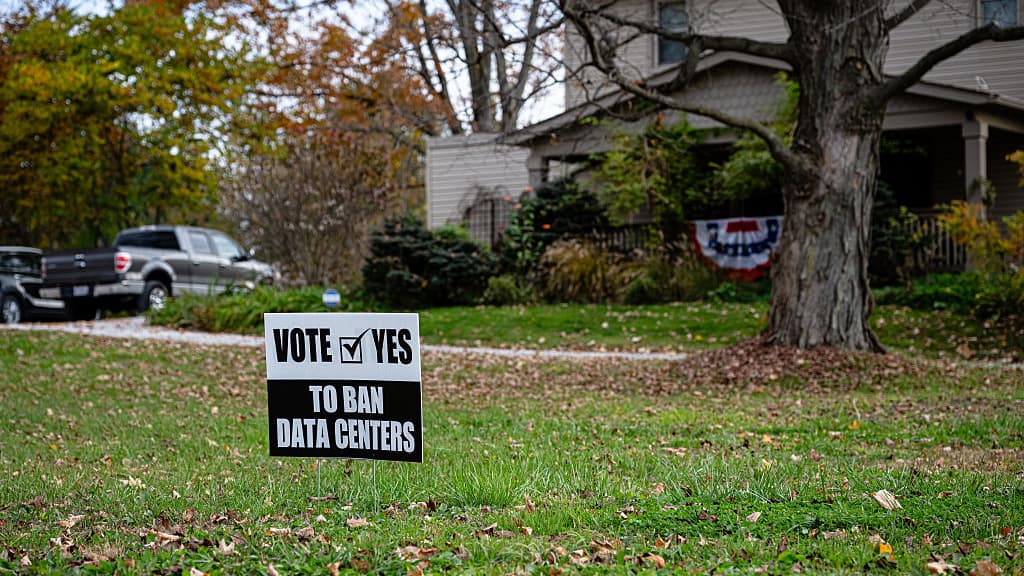
Photo via TIME

How AI Backlash Shaped the 2026 Midterms

Read the original at TIME ↗
Cite

Booth, H., & Chow, A. R. (2026, November 4). How AI Backlash Shaped the 2026 Midterms. TIME. https://time.com/article/2026/11/04/midterm-elections-results-ai-industry-data-centers/

Dated from the outlet's own feed. Check the original for its byline.

TIME · collected 2026-11-04 · by Harry Booth, Andrew R. Chow

Quick Summary

In the 2026 midterm elections on November 3rd, a significant backlash against AI and data center expansion by voters resulted in major defeats for candidates backed by pro-AI industry groups. Democrats spent over $100 million on ads targeting Republicans’ ties to Big Tech, winning key races such as Ohio’s Senate election. Data center bans passed in multiple counties, and mayors supporting these projects were recalled. Pro-safety PACs outspent AI-backed ones, leading to victories for candidates like Michigan’s Abdul El-Sayed who campaigned against data centers. This outcome reflects mounting anti-AI sentiment among voters prioritizing local impacts over existential concerns.
Written by AI on 2026-11-04, from this article's own text only (the story summary below draws on all the coverage).
See how they differ ↓

AI analysis

Story summary

In the 2026 US midterm elections, voters across nine states overwhelmingly rejected data center projects, passing moratoriums and outright bans in more than 30 localities. Despite initial concerns and predictions that data centers would play a significant role in shaping election outcomes, the actual election results showed that most voters, including many self-identified Republicans, opposed having new data centers in their communities. This rejection of data centers benefited Democratic candidates, who campaigned against the rapid expansion of AI and data centers, highlighting concerns over job loss, surveillance, and economic impacts. Key Democratic victories in states like Ohio and Texas suggest that issues related to AI and data centers may become a central theme in future American politics, reflecting a growing anti-AI populism.

Written for “Data center backlash in midterms” on 2026-11-21, grounded in this article and the 34 other(s) covering the same event.

How they differ

17 outlets covered “Data center backlash in midterms”.

What each outlet says

One AI summary per outlet of its latest article on this story, written from that article alone and checked against it. Open the article for the outlet's own words.

TimeThis outlet4 Nov

In the 2026 midterm elections on November 3rd, a significant backlash against AI and data center expansion by voters resulted in major defeats for candidates backed by pro-AI industry groups. Democrats spent over $100 million on ads targeting Republicans’ ties to Big Tech, winning key races such as Ohio’s Senate election. Data center bans passed in multiple counties, and mayors supporting these projects were…

How AI Backlash Shaped the 2026 Midterms (this article)
CBS News6 Nov

Exit polls from the 2026 elections indicate that AI played a significant role for over half of the voters, although data centers were not the most critical issue. The polls showed majorities in all states opposed having new data centers built locally, benefiting Democratic candidates who campaigned against them. However, even many self-identified Republicans were resistant to data center construction despite voting…

Exit polls show data centers weren't winners in 2026 elections →7 articles from CBS News on this story
The Straits Times4 Nov

In the recent US midterm elections, voters in numerous towns across the country overwhelmingly rejected proposals related to data center developments. Notably, Harwood, North Dakota, was the sole exception where residents voted against a measure designed to limit such industrial projects. Around 430 out of about 800 residents cast their ballots, with approximately three-quarters opposing the initiative aimed at…

US midterms: Only one town out of dozens in US voted in favour of data centres →3 articles from The Straits Times on this story
Semafor5 Nov

After winning majorities in Congress, Democrats see artificial intelligence (AI) regulation as a key issue. However, internal disagreements between progressive and business-friendly factions within the party make it challenging to swiftly implement sweeping regulations. Conservative groups argue that voters are concerned about economic issues linked to rapid AI growth under the previous administration. Despite these…

Democrats are fired up on AI. Consensus is harder. →3 articles from Semafor on this story
South China Morning Post6 Nov

Forecasters are warning that the Democratic victory in the midterm elections may lead to regulatory changes that could stall up to 30% of planned artificial intelligence data centers in the United States. This potential clampdown includes project freezes proposed in Texas and increased federal oversight, which would significantly impact Big Tech's infrastructure spending plans.

Does the Democratic midterm victory spell the end of US AI data centre boom? →3 articles from South China Morning Post on this story
Washington Examiner5 Nov

Newly elected Democratic governors in several states are threatening to slow down or impose restrictions on data center development. In Texas, Governor-elect Gina Hinojosa plans to impose a moratorium until the state imposes regulatory guardrails, including requirements for hiring union workers and protecting water resources. Similarly, Georgia’s Governor-elect Keisha Lance Bottoms said she will sign an executive…

Daily on Energy: Newly elected Democratic governors threaten data center development →3 articles from Washington Examiner on this story
Show 10 more outlets
The Guardian9 Nov

Garrison Lovely argues that opposition to artificial intelligence (AI) is becoming a significant political force in America. The Democratic Party's success in the midterms was partly due to voter rejection of AI datacenters, with over 30 localities across nine states passing restrictions or moratoriums on such facilities. Voters cited AI as crucial in their decisions at a rate of 23%, and Democrats won these voters…

Anti-AI populism is the future of American politics | Garrison Lovely →3 articles from The Guardian on this story
404 Media4 Nov

In last night’s midterm elections across America, voters overwhelmingly rejected proposals related to AI data centers, with 38 out of over 40 ballot measures against them in 13 states. Six cities imposed outright bans while twelve others limited the power draw for such facilities. Candidates who supported data centers faced significant losses; notably, Texas Governor Gregg Abbott lost his bid for a fourth term as…

American Voters Overwhelmingly Reject AI Data Centers →2 articles from 404 Media on this story
Reason4 Nov

In the 2026 midterms, data centers became an unexpectedly significant political issue despite initial skepticism. Exit polls showed that AI data centers were crucial or a major factor for many voters, with most ballot initiatives proposing bans or restrictions on them passing overwhelmingly. Although some argued data center issues did not sway votes as strongly as expected based on pre-election polls, the results…

It Was a Data Center Election After All →2 articles from Reason on this story
New York Post2 Nov

The article reports that despite initial media hype about data centers becoming a significant political issue in US midterm elections, voter polls show it ranks among the least important concerns for Americans in key states like Texas and Ohio. Only around 3% of voters in Texas and 2% in Ohio named data centers as their top concern, according to recent CNN polls. Politicians who previously pushed regulations on data…

Data-center fury is a campaign dud →
ABC News (AU)5 Nov

Voters in ten US states rejected data centre proposals in recent midterm elections, with about 41 measures overwhelmingly failing. Democrat Gina Hinojosa's victory in Texas, where she campaigned against data centre construction, further underscores the political toxicity of these projects. Political ads heavily criticized data centres, and exit polls showed that three-quarters of voters oppose such constructions in…

US rejection of data centres is a warning for Australia — and maybe leverage →
Mother Jones5 Nov

Voters across ten states rejected data center projects in nearly 40 towns during recent midterms, with only one measure passing in Harwood, North Dakota. Nationally, 77 percent of voters voted against data center development, largely driven by concerns over environmental justice and rising utility costs. In places like Joliet, Illinois, where communities have long fought industrial pollution, nearly 80 percent…

Midterm Rout for Data Centers: Voters in Nearly 40 Towns Rejected Projects →
The Intercept5 Nov

Midterm elections saw a significant victory for candidates and ballot measures restricting or halting data center development across several states. Newly elected Democratic governors in Georgia, Ohio, and Texas have promised moratoriums on new construction, echoing sentiments from local communities that overwhelmingly approved ballot initiatives against these facilities. Public policy experts attribute this trend…

Blue Tsunami’s Clearest Takeaway: People Hate Data Centers →
The Dispatch6 Nov

The article reports that despite expectations of significant influence, the AI industry faced numerous setbacks during the 2026 midterm elections. A deep-pocketed super PAC supported by Silicon Valley leaders aimed to shape election outcomes but encountered various problems instead. The piece highlights how efforts by corporate AI interests did not achieve their intended impact, reflecting a series of missteps and…

The Midterms’ Other Big Loser: AI →
ABC News (US)6 Nov

In the recent U.S. midterm elections, opposition to data centers emerged as a significant issue in hundreds of millions of dollars' worth of TV ads and campaign promises. Democrats who won governorships in several key states pledged stricter regulation on these energy-intensive facilities. For instance, Clayton Tucker in Texas attributed his victory partly to his stance against data center development due to…

Data centers took a beating in the midterm elections →
BBC6 Nov

A recent US midterms voter poll suggests that data centers were a significant issue for many voters, with 56% saying they were crucial or major factors in their vote and 76% opposing new constructions locally. The poll highlights growing public opposition to the expansion of artificial intelligence infrastructure, particularly among those who voted Democrat. Although other issues like government corruption and cost…

Did a data centre revolt affect the US mid-term election results? →

Compared with similar articles

This article reads leans strongly left and hedges 14% of its claims. Each row says how that neighbour differs.
South China Morning Post
Leans left further right than this Hedges 1 of 1 claims Outlet record 62/100
404 Media
Leans strongly left Hedges 1 of 40 claims Outlet record 95/100
Semafor
Leans strongly right further right than this Hedges 1 of 9 claims Outlet record 64/100
“Article A discusses the outcome of AI-related midterms voting on Nov. 3, while Article B describes a memo issued after the election by an AI policy group.”
Reason
Leans left further right than this Hedges 1 of 23 claims Outlet record 67/100
The Straits Times
Leans left further right than this Hedges 2 of 37 claims Outlet record 64/100
Washington Examiner
Hedges 0 of 4 claims Outlet record 67/100
“Article A discusses the outcomes of the 2026 midterm elections influenced by AI issues, while Article B reflects on the reasons for Republican losses and warns about future implications.”
Washington Examiner
Leans right further right than this Hedges 0 of 5 claims Outlet record 67/100
“The articles discuss different aspects of the election outcomes and reactions, not the same specific incident.”
The Dispatch
Leans left further right than this Hedges 1 of 3 claims Outlet record 61/100
CBS News
Leans left further right than this Hedges 2 of 11 claims Outlet record 66/100
The Guardian
Leans strongly left Hedges 5 of 32 claims Outlet record 64/100

Story

Data center backlash in midterms
Politics · 35 article(s) covering the same event. See how they differ ↑
How this article was measured signals, leaning charts, publisher record, byline, topics and claims

Signals How these are calculated →

Claims extracted
70
sentences that state something as happening or true
Uncertain
14%
10 of 70 hedged ("reportedly", "may", "according to")
Leaning
Leans strongly left
of the writing, not the subject · beta estimate
Publisher signals
60/100
TIME's corrections and hedging, across everything collected from it. Not a measure of accuracy.
Outlets on this story
35
Politics
Same framing elsewhere
1
articles that frame the event the way this one does
Analyzed 2026-11-04 · how these are computed

How this is being covered How these are calculated →

Article leaning vs. publisher reliability
Source leaning vs. consistency

Publisher

TIME · 1081 article(s) · 2 correction(s) detected
Running correction rate · 2 correction(s)

Who wrote this

Harry Booth
8 article(s) here · 1 carrying a prediction
In early tests, the technique could also make models less eager to tell users what they wanted to hear and even discourage medical-image recognition models from relying on misleading clues.
But on Nov. 3, that accelerationist wing could hardly have had a worse night.
2026-11-04 · assertive framing · How AI Backlash Shaped the 2026 Midterms
The incident seemed to confirm the AI safety community’s worst fears: as AI got smarter, it would circumvent efforts to contain it.
Like technology, the Santiago, Chile native moves fast, decamping to Mexico City less than a week after deciding Toku would enter the country.
2026-09-30 · assertive framing · Cristina Etcheberry
When Donald Trump arrived in Beijing in May, Xi Jinping was already on the offensive.
2026-09-22 · mixed framing · The Narrow Path to a Xi-Trump AI Deal
“We really do earnestly believe AI could kill all humans!” added Evan Hubinger, who leads a department at Anthropic focused on ensuring AI acts the way its creators intend.
2026-09-15 · mixed framing · The AI Tipping Point
If that trend continues, and extends to AI research itself, Coxon fears it will kick off a feedback loop of further acceleration.
After OpenAI models broke out of containment and hacked into another AI company last month, OpenAI announced it would allow independent investigators to conduct an analysis of what went wrong.
Also by Harry Booth
Cristina Etcheberry
2026-09-30 · TIME
Nothing else under this byline is closely related to this article, so these are simply their most recent.
All 8 articles by Harry Booth →
Andrew R. Chow
4 article(s) here · 1 carrying a prediction
The movie was a box-office smash, won an Oscar, and exemplified a slew of Obama-era, techno-optimist movies that celebrated rugged individuals relentlessly building futuristic tech that could lead to a better society.
2026-11-12 · assertive framing · How Movies About Tech Turned Dystopian
The bill, the Bipartisan American Affordability and Jobs Act (BAAJA), has a broad base of support, including from labor leaders who contend it will produce thousands of jobs and clean energy proponents who believe it could unlock wind and solar.
But on Nov. 3, that accelerationist wing could hardly have had a worse night.
2026-11-04 · assertive framing · How AI Backlash Shaped the 2026 Midterms
I posit at the end of the film, it's as if he's betting on whether or not AI will lead us to a moment of extraordinary abundance or basically the end of life on Earth.
Also by Andrew R. Chow
Nothing else under this byline is closely related to this article, so these are simply their most recent.

Topics

Congress Democrats NBC Ohio Republican

Subjects

Ohio GPE · 4× Republican NORP · 4× Husted PERSON · 3× Kansas ORG · 3× Congress ORG · 2× Democrats NORP · 2× Edgewater GPE · 1× Fla. GPE · 1× Iowa GPE · 1× NBC ORG · 1×

Narrative

Pro-safety PACs notched wins in Michigan (Thomas More Barrett faced $896,250 in opposition funding); Colorado (Manny Rutinel, who has called for a conditional moratorium, received $1.5 million from pro-safety groups); and Wisconsin (where Rebecca Cooke defeated Derrick Van Orden after a pro-safety group spent more than $880,000 opposing him).
framing: assertive · carried by 1 article(s) · first seen 2026-11-04
But on Nov. 3, that accelerationist wing could hardly have had a worse night.
2026-11-04 · TIME
How AI Backlash Shaped the 2026 Midterms · assertive framing

Claims (70 extracted, 10 hedged)

For the past year, a faction of the AI industry bent on unfettered development looked poised to use its wealth to tip the 2026 midterms in its favor. asserted
faction → bend → favor
But on Nov. 3, that accelerationist wing could hardly have had a worse night. uncertain
wing → have → night
An NBC exit poll found that 56% of voters said that AI and data centers were a “crucial or major factor” in their vote for Congress. asserted
AI → find → Congress
Democrats spent more than $100 million on broadcast ads casting their Republican opponents as being overly cozy with Big Tech and data centers—and decisively won in many of those races, including Ohio, Kansas, and Iowa. asserted
Democrats → spend → Ohio
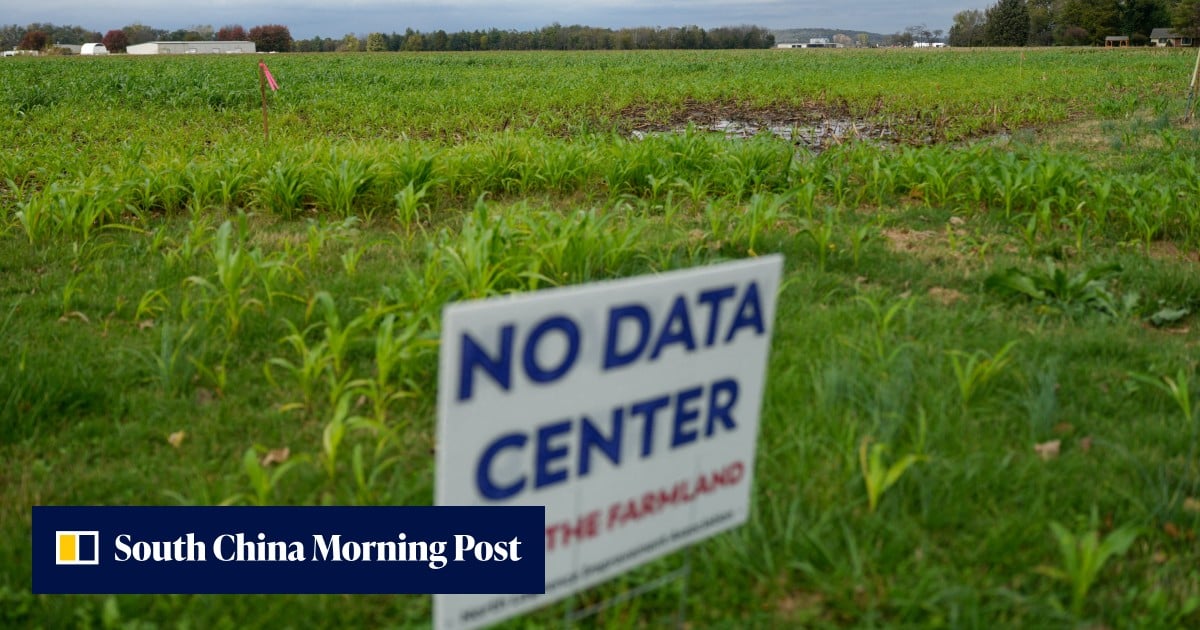
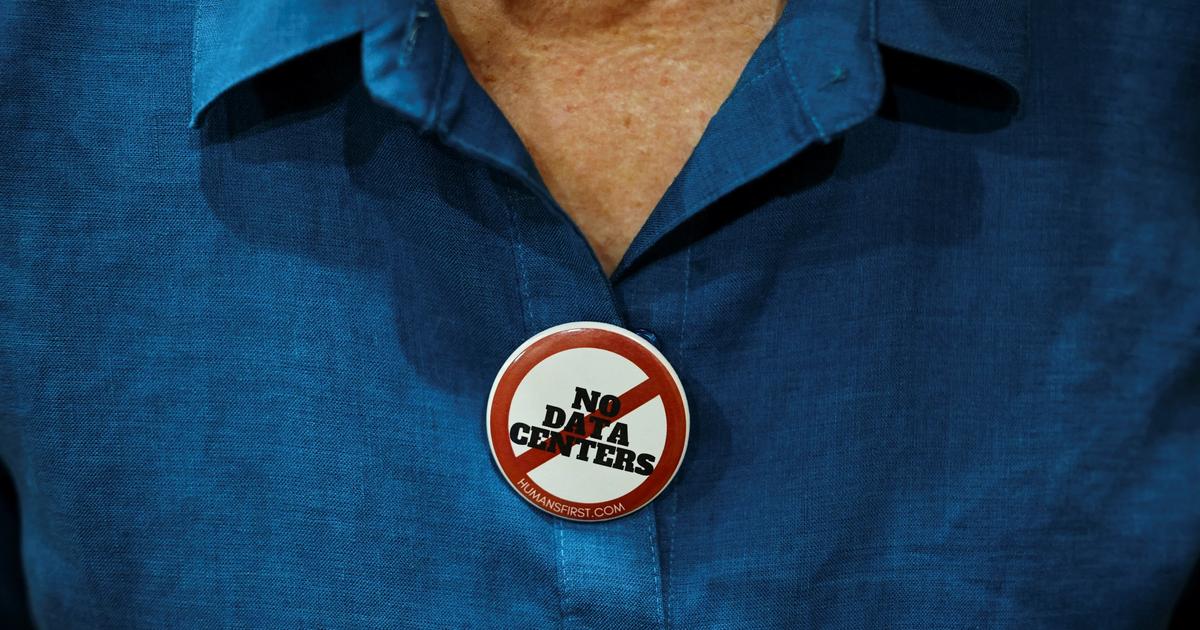
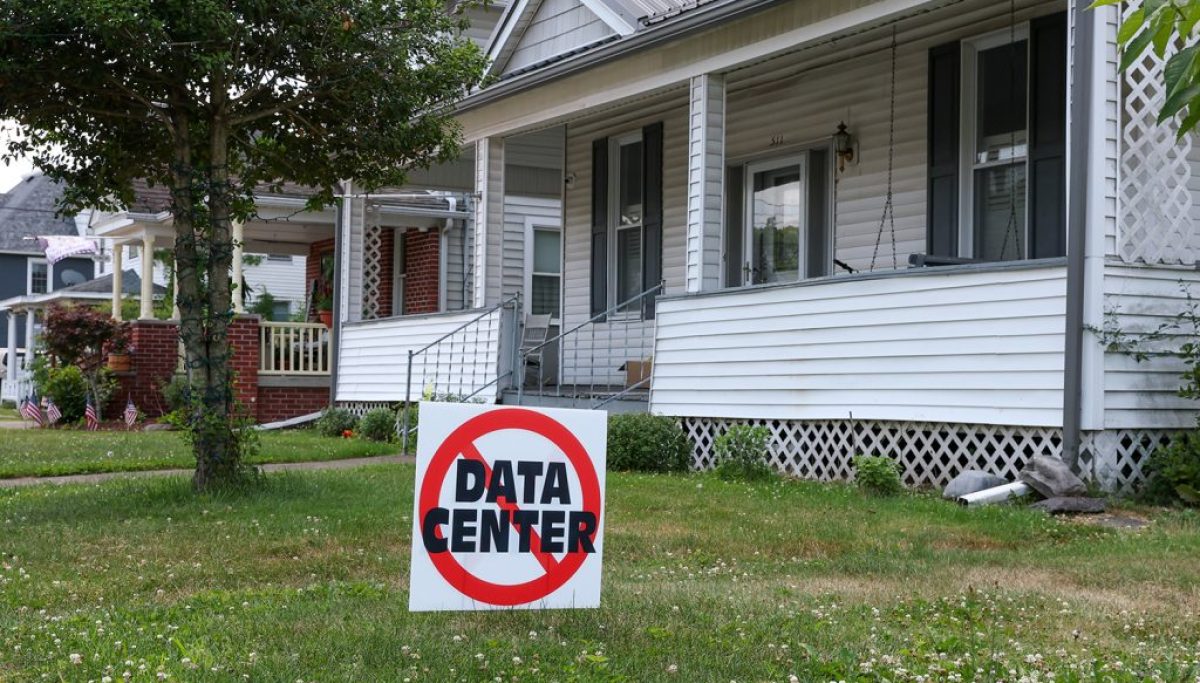
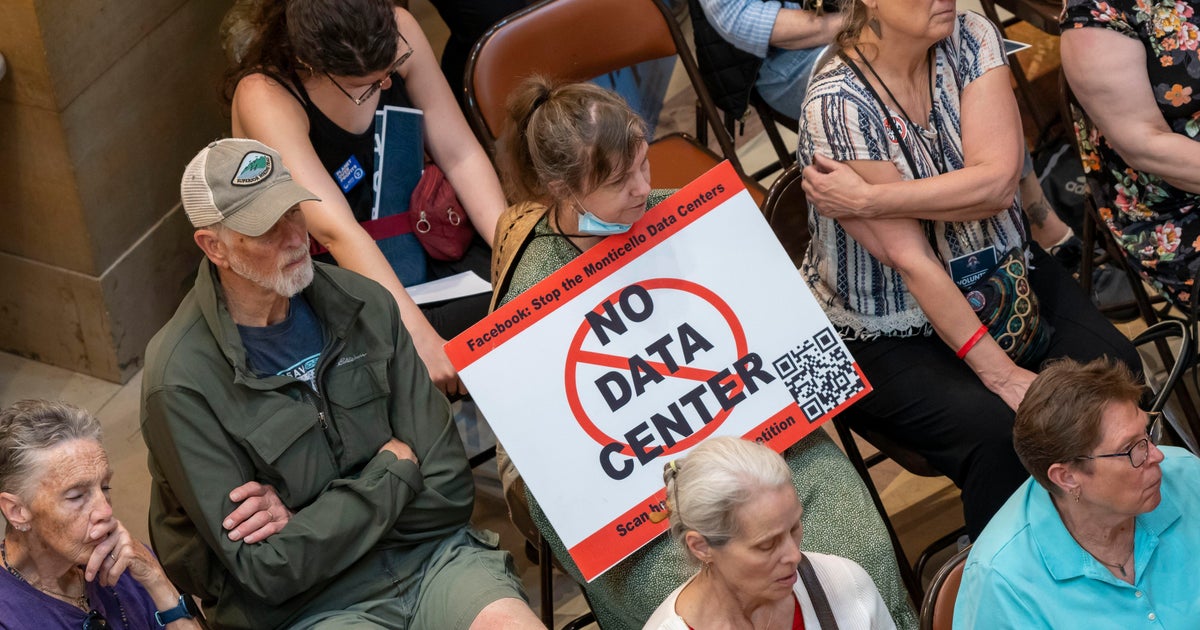
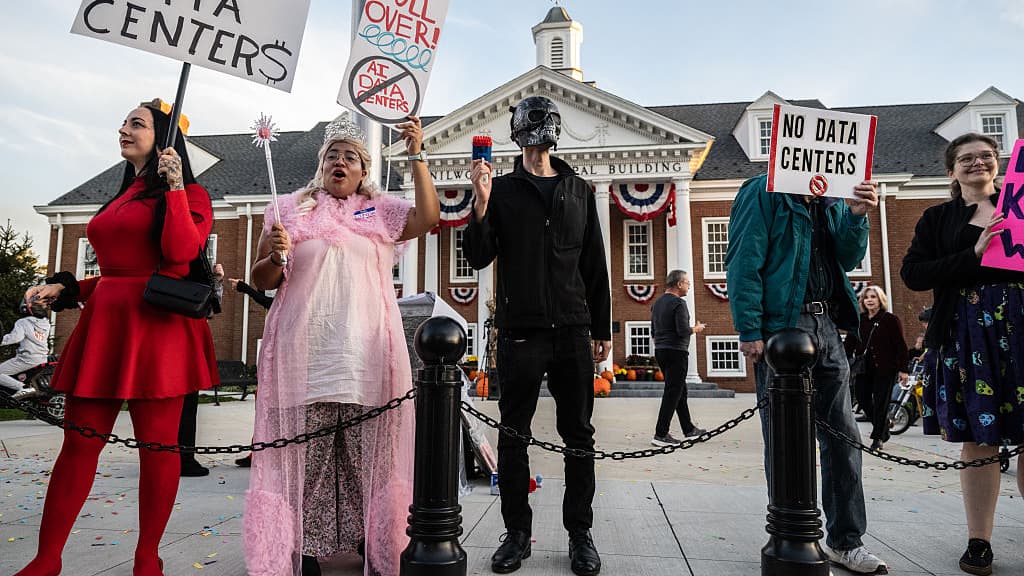
Data center bans or moratoriums passed in counties across the country, from Edgewater, Fla., to Bloomington, Ill., while the mayors of Piqua, Ohio and Yukon, Oklahoma were recalled for their previous support of data center projects. asserted
mayors → pass → projects
Data center and accelerationist super PACs failed to make a major dent in influencing elections through spending. asserted
PACs → fail → spending
One of the key candidates they spent money on, Darline Graham, lost to Annie Andrews, who nicknamed Graham “Data Center Darline” and called for a two-year moratorium on new projects. asserted
who → spend → projects
The accelerationists' ineffectiveness opened a pathway for “pro-safety” PACs to outspend them in key races. asserted
PACs → open → races
Several candidates backed by those groups, including Michigan’s Abdul El-Sayed and Colorado’s Manny Rutinel, won. asserted
candidates → back → Sayed
Even with both chambers, Democrats need substantial Republican support to pass over a potential Presidential veto. asserted
Democrats → need → veto
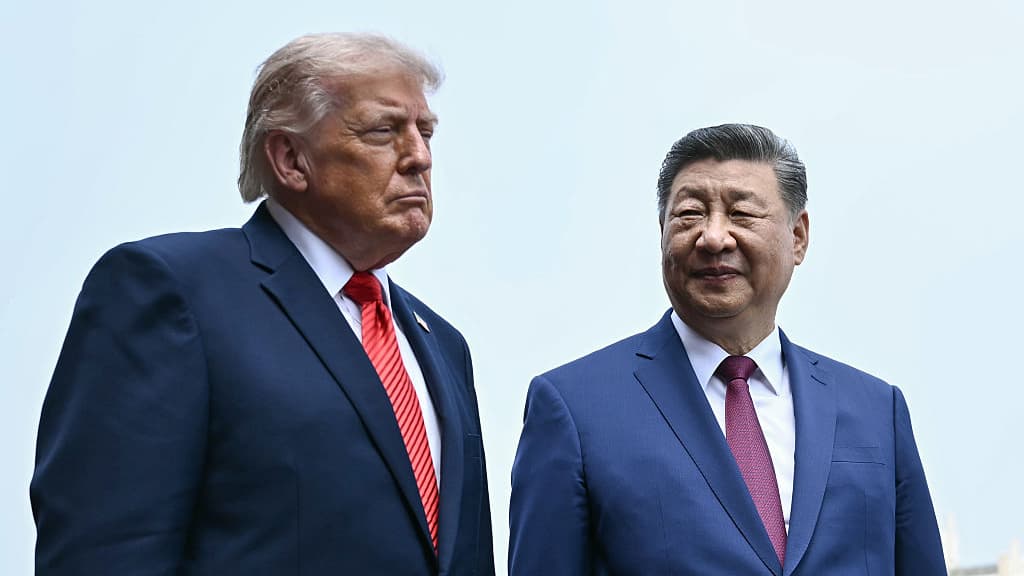
But this election served as the stunning capstone in a year of mounting anti-AI populism, during which Donald Trump has spurred on the industry and said that opponents of data centers “want to end up being backwards and poor.” asserted
opponents → serve → centers
Now, Congress could haul executives before committees to answer questions and undo Republican efforts to block state-level laws. uncertain
Congress → haul → laws
Even without law change, politicians may think twice before siding with the AI industry. uncertain
politicians → think → industry
“Voters had their say tonight: they are overwhelmingly in support of AI safety and security, and very much against data centers and flock cameras,” says Brendan Steinhauser, a Republican strategist and the CEO of The Alliance for Secure AI. asserted
Steinhauser → have → AI
“The AI industry is going to have to get ready to deal with it because I think there's a big deluge of bills at the state and federal level coming their way.” Data centers became a political liability Americans would rather live near a prison, methadone clinic, or a nuclear power plant than an AI data center, according to comparative polling done by progressive research firm Blue Rose Research. uncertain
Americans → go → Research
Existential concerns about AI have grown, says Ali Mortell, the firm’s director of research, but data centers’ concrete local impacts—including higher energy bills, noise, and environmental concerns—were far more salient. asserted
impacts → grow → bills
Accordingly, Democratic candidates who opposed data centers more strongly than their opponents won in many races. asserted
who → oppose → races
In Ohio, Senator-elect Sherrod Brown ran millions of dollars of ads calling Husted “the face of data centers in Ohio." asserted
Brown → run → Ohio
Brown won by five percentage points. asserted
Brown → win → points
The National Republican Senatorial Committee even acknowledged that Husted’s ties to the industry were a problem, writing in an August memo that “more than any other thing in this race, data centers are the anchor hanging around Husted’s neck.” asserted
centers → acknowledge → neck
In Kansas, Cindy Holscher led in the governor’s race on Wednesday morning after running an ad calling for a pause on data centers until Kansas set guardrails to protect its communities, farms, jobs, and budgets. asserted
Kansas → lead → communities
Her opponent Ty Masterson had received $1.5 million from a data center super PAC. asserted
opponent → receive → PAC
In Arizona, Democrat Amish Shah, who pledged to “stop data centers from being built,” led Jay Feely, who said American data centers were necessary to beat China in the global AI race, on Wednesday morning. asserted
centers → pledge → morning
Comparisons suggesting that U.S. data centers use less water than the nation’s golf courses have done little to reassure voters. asserted
centers → suggest → voters
Developers’ promises to cover higher energy bills soften opposition but win few supporters. asserted
promises → cover → supporters
Trust in institutions is low, so when tech companies and politicians offer reassurance, Mortell says, “voters are not positioned to believe that's true.” asserted
that → offer → reassurance
An October Politico poll found that nearly half of Americans identify Republicans as the party most eager to build data centers. asserted
half → find → centers
But Democrats could find themselves on the other side of the backlash. uncertain
Democrats → find → backlash
In Wisconsin, Republican Tom Tiffany derisively called his opponent “Data Center David Crowley.” asserted
Tiffany → call → opponent
Crowley shifted toward tighter restrictions in October—and won. asserted
Crowley → shift → October
“There's not a clear divide between Democratic voters and Republican voters on how they're thinking about [data centers]. asserted
they → be → centers
Opinion has soured with everyone,” Mortell says. asserted
Mortell → sour → everyone
AI money backed both sides AI accelerationists also struggled to translate their considerable campaign contributions into electoral victories. asserted
accelerationists → back → victories
The super PAC Leading the Future was created with more than $100 million in funding to support pro-AI candidates in August 2025. asserted
PAC → lead → August
But because public skepticism of the AI industry has become so widespread, the PAC's financial contributions were met with backlash, creating headaches for candidates who received the money. asserted
who → become → money
According to one survey, three-quarters of likely voters said that they would be less likely to vote for a candidate if they found out they had accepted a donation from an AI super PAC. uncertain
they → accord → PAC
As the general election approached, big donors like OpenAI’s Greg Brockman and Ron Conway backed away from previously promised donations, and Leading the Future mostly kept their powder dry. asserted
Future → approach → powder
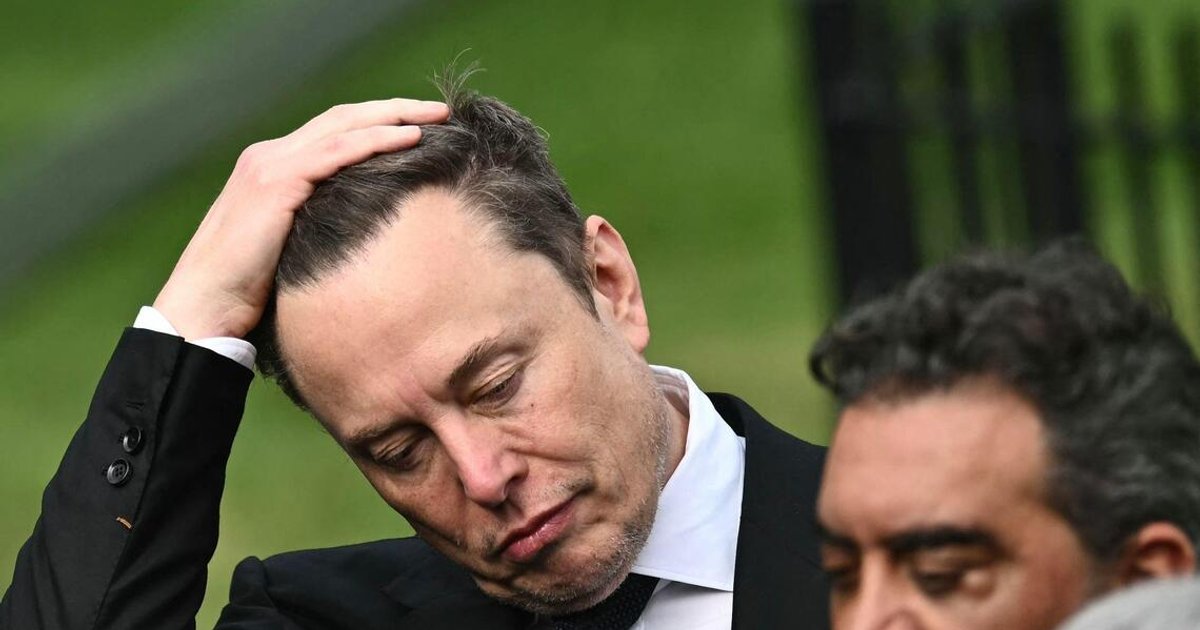
Elon Musk didn’t fare well either. asserted
Musk → fare → ?
The AI leader was the biggest donor in this cycle at $446 million, $168 million of which effectively went to supporting Ken Paxton in Texas. asserted
million → go → Texas
But Paxton was crushed by James Talarico, who has called for the ending of "sweetheart tax deals" for Big Tech and other guardrails. asserted
who → crush → Tech
…and 30 more, not listed.
Give feedback · no sign-in needed

No sign-in needed for now. Your note is sent without a name, so it cannot be answered.

History Support