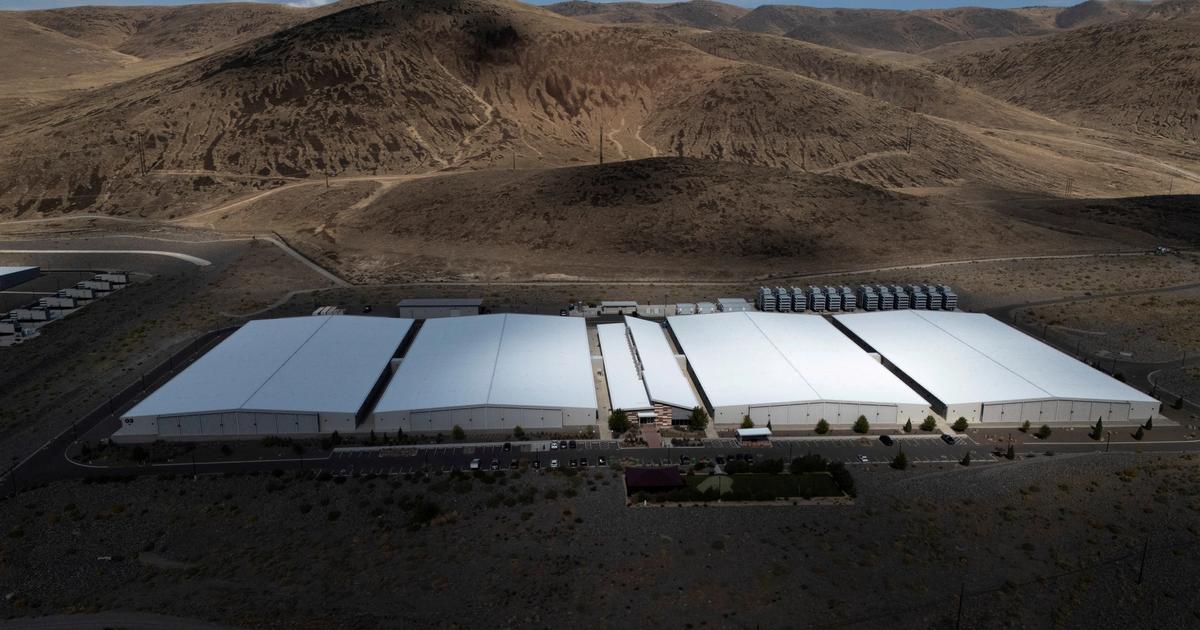
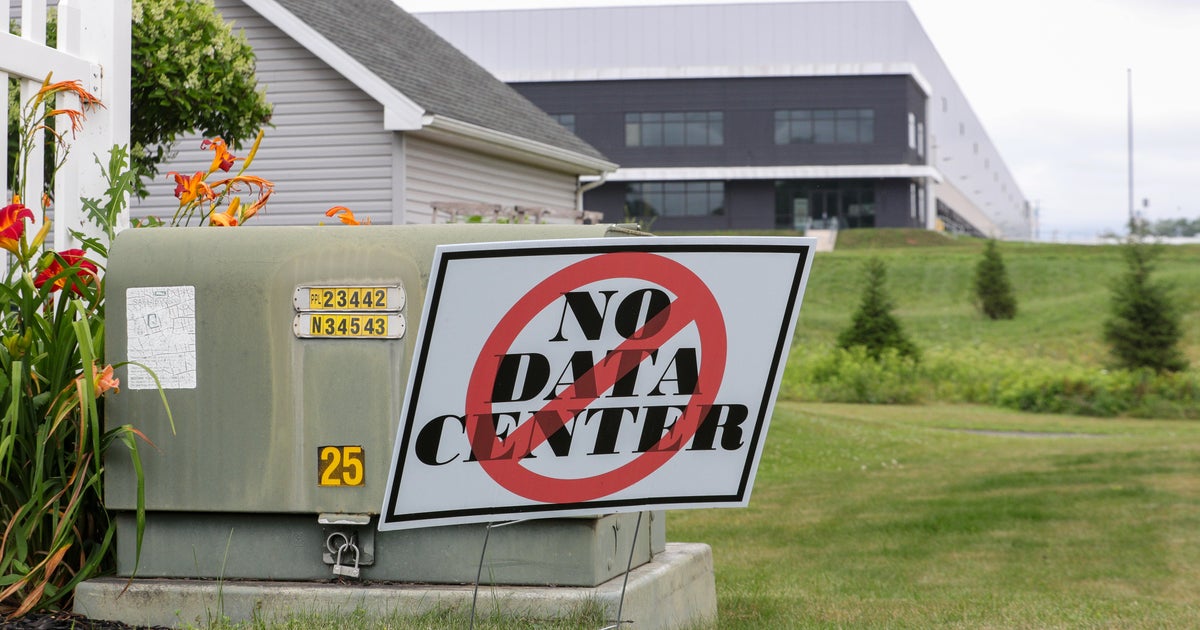
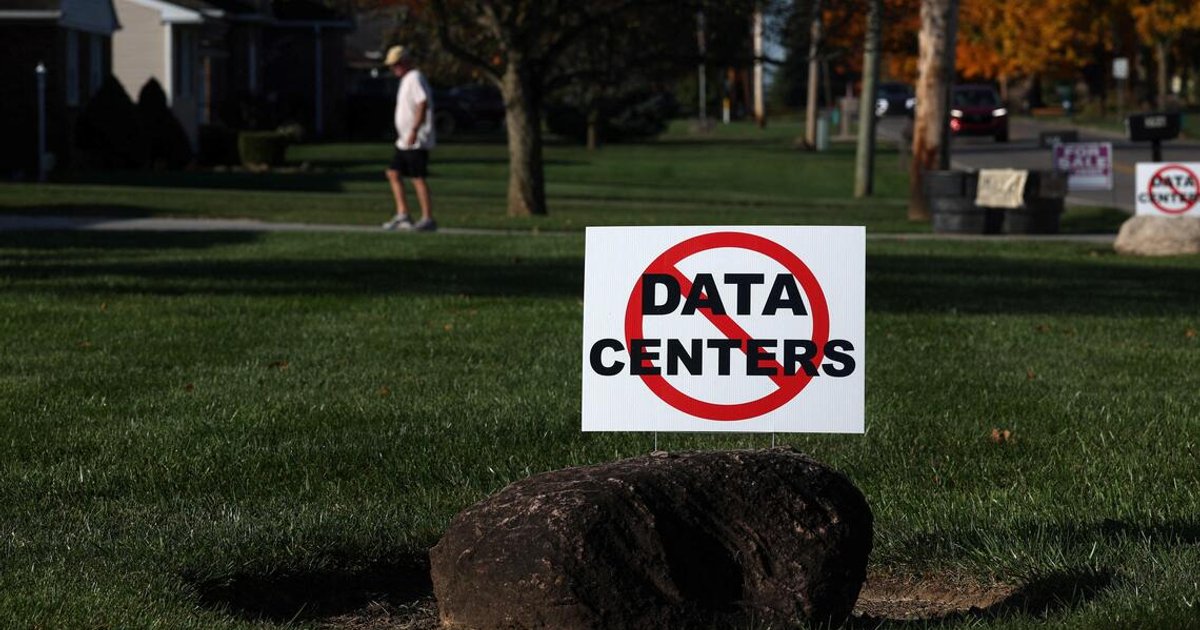
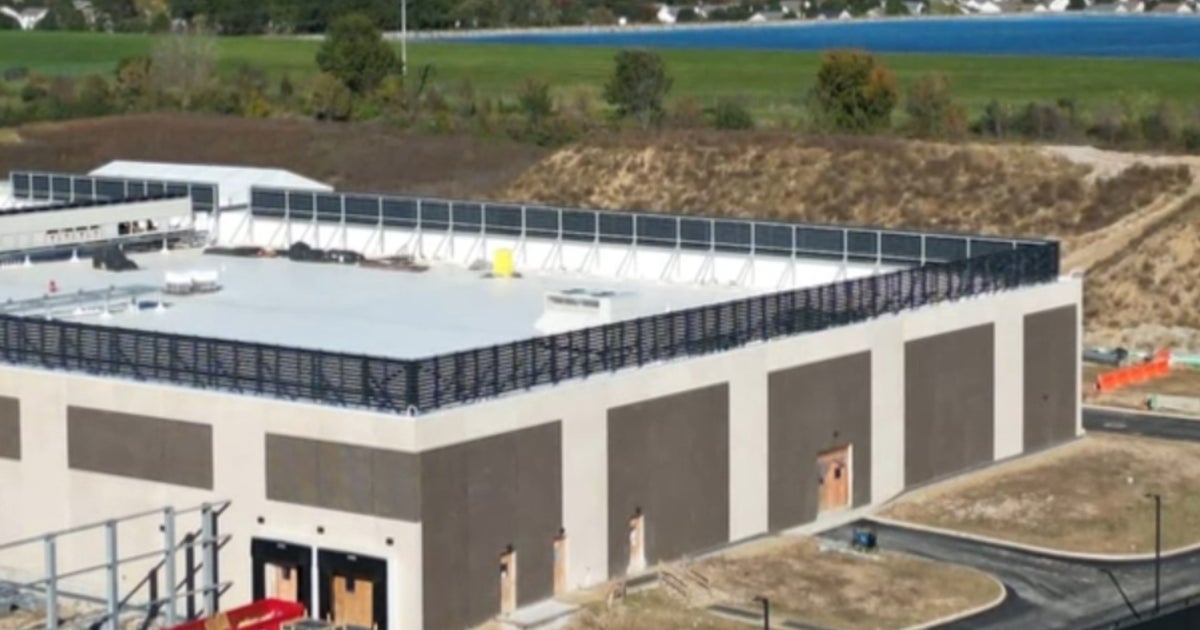
Photo via Mother Jones

Midterm Rout for Data Centers: Voters in Nearly 40 Towns Rejected Projects

Read the original at Mother Jones ↗
Cite

Mahoney, A. (2026, November 5). Midterm Rout for Data Centers: Voters in Nearly 40 Towns Rejected Projects. Mother Jones. https://www.motherjones.com/environment/2026/11/midterm-rout-rejected-data-centers-ballot-initiatives-results/

Dated from the outlet's own feed. Check the original for its byline.

Mother Jones · collected 2026-11-05 · by Adam Mahoney

Quick Summary

Voters across ten states rejected data center projects in nearly 40 towns during recent midterms, with only one measure passing in Harwood, North Dakota. Nationally, 77 percent of voters voted against data center development, largely driven by concerns over environmental justice and rising utility costs. In places like Joliet, Illinois, where communities have long fought industrial pollution, nearly 80 percent restricted new data centers. The article highlights the growing opposition to data centers as part of a broader struggle for environmental justice, with activists demanding more community control over industrial development.
Written by AI on 2026-11-05, from this article's own text only (the story summary below draws on all the coverage).
See how they differ ↓

AI analysis

Story summary

In the 2026 US midterm elections, voters across nine states overwhelmingly rejected data center projects, passing moratoriums and outright bans in more than 30 localities. Despite initial concerns and predictions that data centers would play a significant role in shaping election outcomes, the actual election results showed that most voters, including many self-identified Republicans, opposed having new data centers in their communities. This rejection of data centers benefited Democratic candidates, who campaigned against the rapid expansion of AI and data centers, highlighting concerns over job loss, surveillance, and economic impacts. Key Democratic victories in states like Ohio and Texas suggest that issues related to AI and data centers may become a central theme in future American politics, reflecting a growing anti-AI populism.

Written for “Data center backlash in midterms” on 2026-11-21, grounded in this article and the 34 other(s) covering the same event.

How they differ

17 outlets covered “Data center backlash in midterms”.

What each outlet says

One AI summary per outlet of its latest article on this story, written from that article alone and checked against it. Open the article for the outlet's own words.

Mother JonesThis outlet5 Nov

Voters across ten states rejected data center projects in nearly 40 towns during recent midterms, with only one measure passing in Harwood, North Dakota. Nationally, 77 percent of voters voted against data center development, largely driven by concerns over environmental justice and rising utility costs. In places like Joliet, Illinois, where communities have long fought industrial pollution, nearly 80 percent…

Midterm Rout for Data Centers: Voters in Nearly 40 Towns Rejected Projects (this article)
CBS News6 Nov

Exit polls from the 2026 elections indicate that AI played a significant role for over half of the voters, although data centers were not the most critical issue. The polls showed majorities in all states opposed having new data centers built locally, benefiting Democratic candidates who campaigned against them. However, even many self-identified Republicans were resistant to data center construction despite voting…

Exit polls show data centers weren't winners in 2026 elections →7 articles from CBS News on this story
The Straits Times4 Nov

In the recent US midterm elections, voters in numerous towns across the country overwhelmingly rejected proposals related to data center developments. Notably, Harwood, North Dakota, was the sole exception where residents voted against a measure designed to limit such industrial projects. Around 430 out of about 800 residents cast their ballots, with approximately three-quarters opposing the initiative aimed at…

US midterms: Only one town out of dozens in US voted in favour of data centres →3 articles from The Straits Times on this story
Semafor5 Nov

After winning majorities in Congress, Democrats see artificial intelligence (AI) regulation as a key issue. However, internal disagreements between progressive and business-friendly factions within the party make it challenging to swiftly implement sweeping regulations. Conservative groups argue that voters are concerned about economic issues linked to rapid AI growth under the previous administration. Despite these…

Democrats are fired up on AI. Consensus is harder. →3 articles from Semafor on this story
South China Morning Post6 Nov

Forecasters are warning that the Democratic victory in the midterm elections may lead to regulatory changes that could stall up to 30% of planned artificial intelligence data centers in the United States. This potential clampdown includes project freezes proposed in Texas and increased federal oversight, which would significantly impact Big Tech's infrastructure spending plans.

Does the Democratic midterm victory spell the end of US AI data centre boom? →3 articles from South China Morning Post on this story
Washington Examiner5 Nov

Newly elected Democratic governors in several states are threatening to slow down or impose restrictions on data center development. In Texas, Governor-elect Gina Hinojosa plans to impose a moratorium until the state imposes regulatory guardrails, including requirements for hiring union workers and protecting water resources. Similarly, Georgia’s Governor-elect Keisha Lance Bottoms said she will sign an executive…

Daily on Energy: Newly elected Democratic governors threaten data center development →3 articles from Washington Examiner on this story
Show 10 more outlets
The Guardian9 Nov

Garrison Lovely argues that opposition to artificial intelligence (AI) is becoming a significant political force in America. The Democratic Party's success in the midterms was partly due to voter rejection of AI datacenters, with over 30 localities across nine states passing restrictions or moratoriums on such facilities. Voters cited AI as crucial in their decisions at a rate of 23%, and Democrats won these voters…

Anti-AI populism is the future of American politics | Garrison Lovely →3 articles from The Guardian on this story
404 Media4 Nov

In last night’s midterm elections across America, voters overwhelmingly rejected proposals related to AI data centers, with 38 out of over 40 ballot measures against them in 13 states. Six cities imposed outright bans while twelve others limited the power draw for such facilities. Candidates who supported data centers faced significant losses; notably, Texas Governor Gregg Abbott lost his bid for a fourth term as…

American Voters Overwhelmingly Reject AI Data Centers →2 articles from 404 Media on this story
Reason4 Nov

In the 2026 midterms, data centers became an unexpectedly significant political issue despite initial skepticism. Exit polls showed that AI data centers were crucial or a major factor for many voters, with most ballot initiatives proposing bans or restrictions on them passing overwhelmingly. Although some argued data center issues did not sway votes as strongly as expected based on pre-election polls, the results…

It Was a Data Center Election After All →2 articles from Reason on this story
New York Post2 Nov

The article reports that despite initial media hype about data centers becoming a significant political issue in US midterm elections, voter polls show it ranks among the least important concerns for Americans in key states like Texas and Ohio. Only around 3% of voters in Texas and 2% in Ohio named data centers as their top concern, according to recent CNN polls. Politicians who previously pushed regulations on data…

Data-center fury is a campaign dud →
Time4 Nov

In the 2026 midterm elections on November 3rd, a significant backlash against AI and data center expansion by voters resulted in major defeats for candidates backed by pro-AI industry groups. Democrats spent over $100 million on ads targeting Republicans’ ties to Big Tech, winning key races such as Ohio’s Senate election. Data center bans passed in multiple counties, and mayors supporting these projects were…

How AI Backlash Shaped the 2026 Midterms →
ABC News (AU)5 Nov

Voters in ten US states rejected data centre proposals in recent midterm elections, with about 41 measures overwhelmingly failing. Democrat Gina Hinojosa's victory in Texas, where she campaigned against data centre construction, further underscores the political toxicity of these projects. Political ads heavily criticized data centres, and exit polls showed that three-quarters of voters oppose such constructions in…

US rejection of data centres is a warning for Australia — and maybe leverage →
The Intercept5 Nov

Midterm elections saw a significant victory for candidates and ballot measures restricting or halting data center development across several states. Newly elected Democratic governors in Georgia, Ohio, and Texas have promised moratoriums on new construction, echoing sentiments from local communities that overwhelmingly approved ballot initiatives against these facilities. Public policy experts attribute this trend…

Blue Tsunami’s Clearest Takeaway: People Hate Data Centers →
The Dispatch6 Nov

The article reports that despite expectations of significant influence, the AI industry faced numerous setbacks during the 2026 midterm elections. A deep-pocketed super PAC supported by Silicon Valley leaders aimed to shape election outcomes but encountered various problems instead. The piece highlights how efforts by corporate AI interests did not achieve their intended impact, reflecting a series of missteps and…

The Midterms’ Other Big Loser: AI →
ABC News (US)6 Nov

In the recent U.S. midterm elections, opposition to data centers emerged as a significant issue in hundreds of millions of dollars' worth of TV ads and campaign promises. Democrats who won governorships in several key states pledged stricter regulation on these energy-intensive facilities. For instance, Clayton Tucker in Texas attributed his victory partly to his stance against data center development due to…

Data centers took a beating in the midterm elections →
BBC6 Nov

A recent US midterms voter poll suggests that data centers were a significant issue for many voters, with 56% saying they were crucial or major factors in their vote and 76% opposing new constructions locally. The poll highlights growing public opposition to the expansion of artificial intelligence infrastructure, particularly among those who voted Democrat. Although other issues like government corruption and cost…

Did a data centre revolt affect the US mid-term election results? →

Compared with similar articles

This article reads leans strongly left and hedges 9% of its claims. Each row says how that neighbour differs.
BBC News
Leans left further right than this Hedges 6 of 19 claims Outlet record 65/100
“The articles discuss different aspects of voter sentiment and ballot measures related to data centers but do not describe the same specific incident or outcome.”
Semafor
Leans left further right than this Hedges 0 of 7 claims Outlet record 64/100
Washington Examiner
Leans left further right than this Hedges 0 of 2 claims Outlet record 67/100
404 Media
Leans strongly left Hedges 1 of 40 claims Outlet record 95/100
CBS News
Leans left further right than this Hedges 6 of 27 claims Outlet record 66/100
CBS News
Leans left further right than this Hedges 6 of 27 claims Outlet record 66/100
The Straits Times
Leans left further right than this Hedges 2 of 26 claims Outlet record 64/100
The Guardian
Leans left further right than this Hedges 1 of 20 claims Outlet record 64/100
ABC News (AU)
Leans left further right than this Hedges 4 of 50 claims Outlet record 67/100
CBS News
Centre further right than this Hedges 0 of 2 claims Outlet record 66/100

Story

Data center backlash in midterms
Politics · 35 article(s) covering the same event. See how they differ ↑
How this article was measured signals, leaning charts, publisher record, byline, topics and claims

Signals How these are calculated →

Claims extracted
34
sentences that state something as happening or true
Uncertain
9%
3 of 34 hedged ("reportedly", "may", "according to")
Leaning
Leans strongly left
of the writing, not the subject · beta estimate
Publisher signals
60/100
Mother Jones's corrections and hedging, across everything collected from it. Not a measure of accuracy.
Outlets on this story
35
Politics
Same framing elsewhere
1
articles that frame the event the way this one does
Analyzed 2026-11-05 · how these are computed

How this is being covered How these are calculated →

Article leaning vs. publisher reliability
Source leaning vs. consistency

Publisher

Mother Jones · 600 article(s) · 1 correction(s) detected
Running correction rate · 1 correction(s)

Who wrote this

Adam Mahoney
3 article(s) here · 1 carrying a prediction
The national opposition, made clear on November 3, could advance a demand Black environmental activists have pressed for generations: not simply protection from pollution, but a meaningful say in whether the facilities producing it get built in their communities at all.
Will electricity bills rise? How much water will it use?
California lawmakers have passed AB 1661, which would steer $5 million collected from penalized oil wells in Inglewood into direct cash aid for 1,000 nearby households with qualifying respiratory or reproductive health impacts.
Also by Adam Mahoney
Nothing else under this byline is closely related to this article, so these are simply their most recent.

Topics

Black Capital B Climate Desk Florida Illinois

Subjects

Black NORP · 4× Florida GPE · 2× Illinois GPE · 2× Republicans NORP · 2× Trump PERSON · 2× California GPE · 1× Capital B ORG · 1× Climate Desk ORG · 1× Harwood GPE · 1× North Dakota GPE · 1×

Narrative

Largely, the current struggle against data centers has roots in Memphis, Tennessee, where Black-led groups such as Memphis Community Against Pollution and Young, Gifted & Green challenged the pollution and lack of public oversight surrounding Elon Musk’s xAI facility.
framing: assertive · carried by 1 article(s) · first seen 2026-11-05
The national opposition, made clear on November 3, could advance a demand Black environmental activists have pressed for generations: not simply protection from pollution, but a meaningful say in whether the facilities producing it get built in their communities at all.
2026-11-05 · Mother Jones
Midterm Rout for Data Centers: Voters in Nearly 40 Towns Rejected Projects · assertive framing

Claims (34 extracted, 3 hedged)

This story was originally published by Capital B and is reproduced here as part of the Climate Desk collaboration. asserted
story → publish → collaboration
Silicon Valley wants communities across the country to make room for its data centers. asserted
communities → want → centers
On Tuesday, those communities had their say. asserted
communities → have → say
Voters considered nearly 40 data center-related ballot measures across 10 states, turning the midterms into a sprawling referendum shifting the technology industry’s demand for power into a test of political power. asserted
Voters → consider → power
Of the ballot measures, just one—in Harwood, North Dakota—counted as a victory for the tech industry. asserted
one → count → industry
In the other measures, which were voted on in California, Florida, Illinois, Kansas, Maine, Nevada, New Jersey, Ohio, and Wisconsin, voters either banned data center construction or halted the development of all planned facilities in their municipalities. asserted
voters → vote → municipalities
When Jamil Davis, an organizer with Black Voters Matter in northern Florida, knocked on doors this fall, he saw this growing outrage against data centers. asserted
he → knock → centers
Before asking people to vote, he said, organizers have to listen to the problems shaping their lives. asserted
organizers → ask → lives
“And almost every time, utility bills, data centers, [are] the key things that people bring up,” he said. asserted
he → bring → that
The fight over data centers belongs to a much older struggle against environmental racism: Who gets the benefits of industrial development, and who is left to live with its burdens? asserted
who → belong → burdens
Data centers, which are connected to a slew of environmental issues like water depletion and air pollution, are more likely to be located in communities of color. asserted
which → connect → color
Largely, the current struggle against data centers has roots in Memphis, Tennessee, where Black-led groups such as Memphis Community Against Pollution and Young, Gifted & Green challenged the pollution and lack of public oversight surrounding Elon Musk’s xAI facility. asserted
groups → have → facility
The national opposition, made clear on November 3, could advance a demand Black environmental activists have pressed for generations: not simply protection from pollution, but a meaningful say in whether the facilities producing it get built in their communities at all. uncertain
facilities → make → communities
“They’re choosing marginalized and predominantly Black communities to build data centers, and it is an environmental justice issue,” David explained. asserted
David → choose → centers
The growth of data centers, which are needed for virtually every internet service from scrolling social media to streaming TV and using ChatGPT, has also contributed to skyrocketing utility prices nationwide. asserted
which → need → prices
More than half of the ballot initiatives were first introduced by citizen initiatives rather than elected officials. asserted
half → introduce → initiatives
In all, 77 percent of voters rejected data center development. asserted
percent → reject → development
In Joliet, Illinois, where Black and Latino residents have long fought against pollution from the warehouse and trucking industry, nearly 80 percent of voters moved to restrict data centers. asserted
percent → fight → centers
A nationwide poll Wednesday found that more than half of midterm voters considered AI and data centers to be a major or crucial factor in their vote. asserted
AI → find → vote
The results of the measures were also a rebuke of President Donald Trump, some political analysts said. asserted
analysts → say → Trump
Trump has vowed to make America the “AI capital of the world.” asserted
America → vow → world
Even a majority of Republicans oppose new data center construction in their communities. asserted
majority → oppose → communities
Elizabeth Bast, executive director at Oil Change Action, said voters sent a “clear message.” asserted
voters → say → message
“They’re fed up with Trump’s agenda of fossil fuel giveaways, illegal and immoral wars, and unchecked data center expansion that makes their lives more expensive while lining the pockets of Big Oil and Big Tech,” she said. asserted
she → feed → Oil
“This incoming Congress must listen to the people who elected it.” asserted
who → listen → it
Tech corporations and their allies outspent the local citizen campaigns by approximately 100 to 1 nationwide in an attempt to block these measures, according to the group Data Center Resistance. uncertain
corporations → outspent → group
Elon Musk alone spent $474 million backing Republicans, conservative groups, and pro-AI candidates during the 2026 US midterm elections, the largest amount ever contributed by an individual donor in a single election cycle. asserted
Musk → spend → cycle
In California, Google, Meta, and other Big Tech interests account for at least 20 percent of all the contributions on the state’s legislative races, according to a CalMatters analysis of campaign finance disclosures. uncertain
Google → account → disclosures
“This is nothing short of a political earthquake,” said Ed FitzGerald, director of Data Center Resistance. asserted
FitzGerald → say → Resistance
“They had the money, but we had the people.” asserted
we → have → people
Across the South, tech companies have attempted to operate in secrecy by entering non-disclosure agreements with elected officials, shielding citizens from learning important details about these facilities. asserted
companies → attempt → facilities
In Alabama, the League of Conservation Voters invested $300,000 in digital ads targeting Rhett Marques, a Republican supporter of data centers, focusing on how the data center boom has directly increased utility bills for Alabamians. asserted
boom → invest → Alabamians
Marques went on to lose to US Rep. Shomari Figures, a Black politician whose position was under threat because of the weakening of the Voting Rights Act. asserted
position → go → Act
“This win is a huge victory, especially for Black communities in Alabama whose voice was attempted to be silenced by the racial gerrymandering efforts of the state legislature and Supreme Court earlier this year,” LCV President Pete Maysmith said. asserted
Maysmith → attempt → legislature
Give feedback · no sign-in needed

No sign-in needed for now. Your note is sent without a name, so it cannot be answered.

History Support